That sudden, sharp zing when you sip ice water or bite into something sweet isn't just annoying—it's your tooth's nerves screaming. If you're searching for the best desensitizing toothpaste for nerve pain, you're likely past the point of mild discomfort. You want a solution that works, and works fast. The good news? Modern desensitizing toothpastes are remarkably effective, but choosing the right one depends on understanding why your teeth hurt and how these pastes block those pain signals.
I've dealt with sensitivity myself after some aggressive brushing years ago, and I've seen countless patients in my network struggle with the same. The biggest mistake people make? Grabbing the first "sensitive" tube they see without checking the active ingredient. Not all desensitizing agents work the same way or at the same speed.
What You'll Learn in This Guide
How Tooth Sensitivity and Nerve Pain Actually Work
Think of your tooth like a house. The hard enamel is the roof and walls. Underneath is a softer layer called dentin, which is full of microscopic tubules—tiny tubes that lead directly to the tooth's nerve center (the pulp). When enamel wears down or gums recede, exposing the dentin, triggers like temperature, sugar, or acidity can travel down these tubules and hit the nerve. That's the jolt you feel.
Causes aren't always just about brushing too hard. Acidic diets (soda, wine, citrus), teeth grinding (bruxism), recent dental work like whitening, or even a cracked filling can open the gates to this pain.
Key Ingredients: The Science Behind the Relief
Desensitizing toothpastes work through one of two main strategies: they either block the tubules in the dentin or they calm the nerve itself inside the tooth. The ingredient list is your roadmap.
1. Potassium-Based Compounds (Nitrate, Citrate, Chloride)
This is the classic nerve-calming approach. Ingredients like potassium nitrate work by diffusing into the tubules and accumulating around the nerve fibers in the pulp. They reduce the nerve's ability to transmit pain signals. Think of it as putting the nerve to sleep a little. Relief isn't instant; it can take a few days to two weeks of consistent use to build up enough potassium to have a noticeable effect.
2. Arginine & Calcium Carbonate
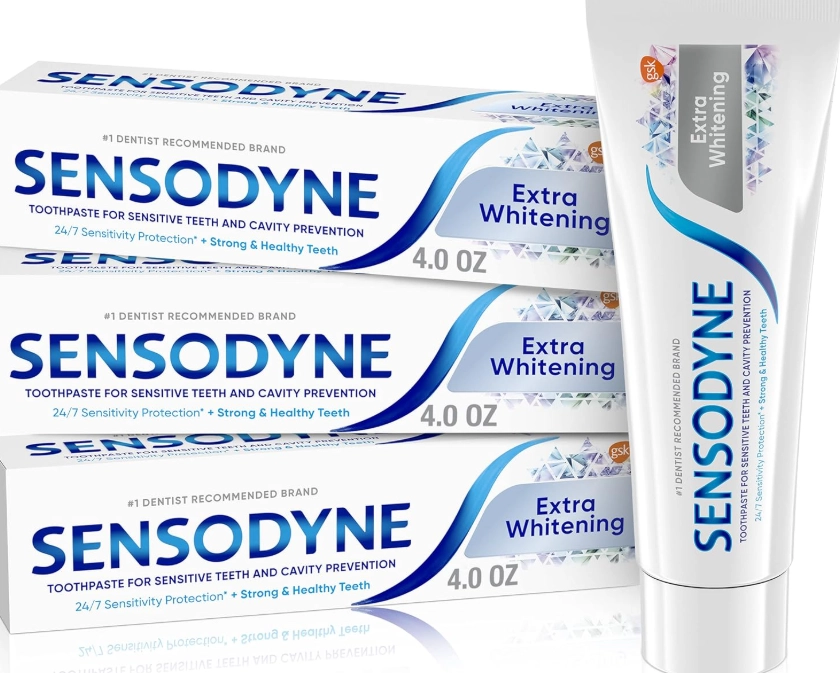
This is a brilliant physical blocker technology. The amino acid L-arginine, combined with calcium carbonate, forms a plug that bonds to the dentin surface and physically seals the open tubules. It's like filling potholes on a road so the traffic (pain stimuli) can't get through. Brands like Sensodyne Rapid Relief use this, and it can offer relief much faster—sometimes after a single application.
3. Stannous Fluoride
This is a multi-tasker. Stannous fluoride provides cavity protection, anti-gingivitis benefits, and it helps occlude dentin tubules to reduce sensitivity. It's a great choice if you have sensitivity alongside gum inflammation. Some people notice temporary tooth staining with older formulations, but many modern versions have minimized this issue.
4. NovaMin & Bioglass
This is the high-tech, biomimetic option. NovaMin (calcium sodium phosphosilicate) releases calcium and phosphate ions when it contacts saliva. These ions form a mineral layer that is structurally similar to your natural tooth mineral, effectively rebuilding a protective layer over the exposed dentin. It's considered one of the most effective tubule-occluding agents, but it's often found in prescription-strength pastes or specific professional lines.
Top Desensitizing Toothpastes Compared
Based on ingredient efficacy, clinical data, and consistent user feedback, here’s a breakdown of leading options. Remember, "best" is personal—it depends on your primary need (speed of relief, gum health, etc.).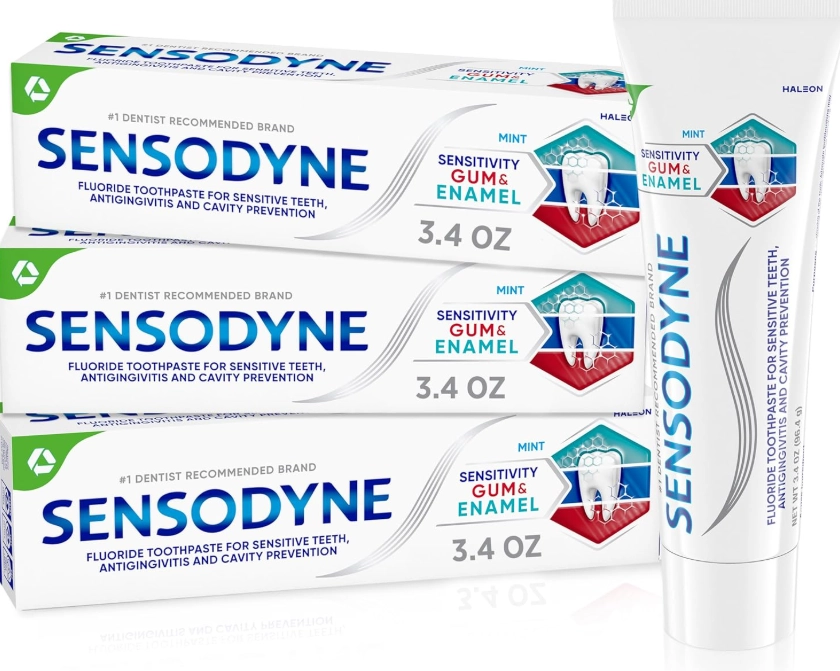
| Product Name | Key Active Ingredient(s) | Mechanism of Action | Best For | Considerations |
|---|---|---|---|---|
| Sensodyne Rapid Relief | Arginine & Calcium Carbonate | Physical tubule occlusion | Fast relief, often after 1-3 brushes. | Focus is purely on sensitivity blocking. |
| Sensodyne Pronamel Intensive Enamel Repair | Potassium Nitrate, Stannous Fluoride | Nerve calming + enamel strengthening | Sensitivity caused by acid erosion and enamel wear. | Dual-action: relieves pain and helps harden enamel against acids. |
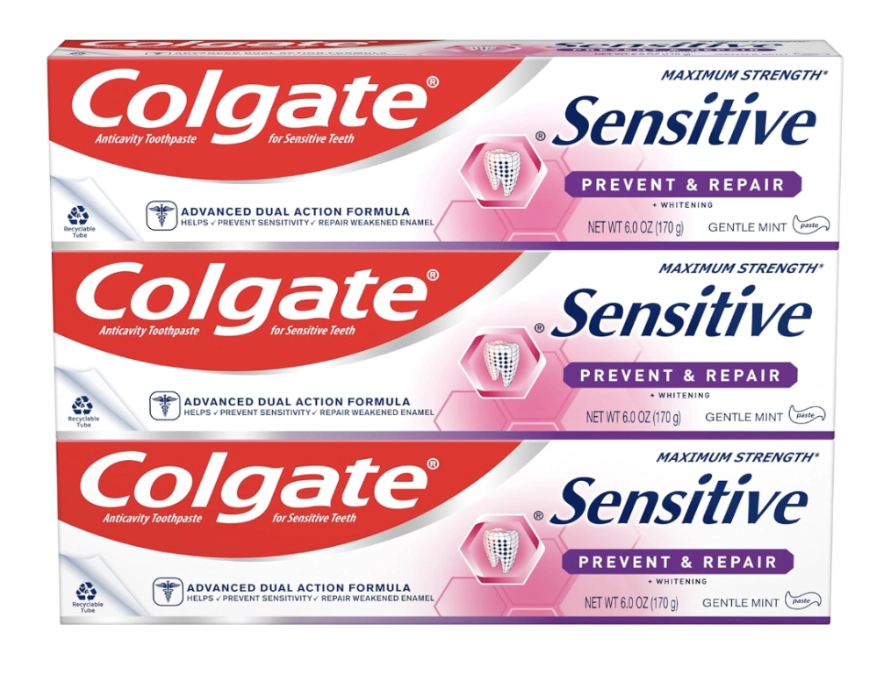
| Colgate Sensitive Pro-Relief | Arginine & Calcium Carbonate | Physical tubule occlusion | Immediate and long-term sensitivity protection. | Similar tech to Sensodyne Rapid Relief; often comes in a paste or a separate "in-office" treatment paste. |
| Pronamel for Sensitive Teeth (Crest) | Potassium Nitrate, Sodium Fluoride | Nerve calming + enamel fortification | Those who prioritize enamel remineralization alongside sensitivity relief. | Uses potassium nitrate, so relief may take longer to build than arginine-based pastes. |
| Tom's of Maine Rapid Relief Sensitive | Arginine (from natural sources) | Physical tubule occlusion | Fast relief for those preferring a natural brand. | Free of artificial flavors, sweeteners, and colors. Efficacy similar to other arginine formulas. |
| Prescription-Strength Pastes (e.g., 3M Clinpro, Nupro Sensodyne Prophylaxis Paste) | High-dose NovaMin, Fluoride | Biomimetic remineralization & occlusion | Severe, persistent sensitivity; often recommended post-professional cleaning or whitening. | Typically obtained through a dentist. Considered the "gold standard" for tubule sealing. |
A note on fluoride: I see debates online about fluoride-free options. For sensitivity, fluoride (especially stannous fluoride) is a powerful ally. It helps remineralize weakened enamel, which is often the root cause of the exposed dentin. If you're adamant about avoiding fluoride, the arginine-based pastes are your strongest bet among non-fluoride options.
How to Use Desensitizing Toothpaste the Right Way
Using a desensitizing toothpaste like a regular paste is the second biggest mistake. To get the full benefit: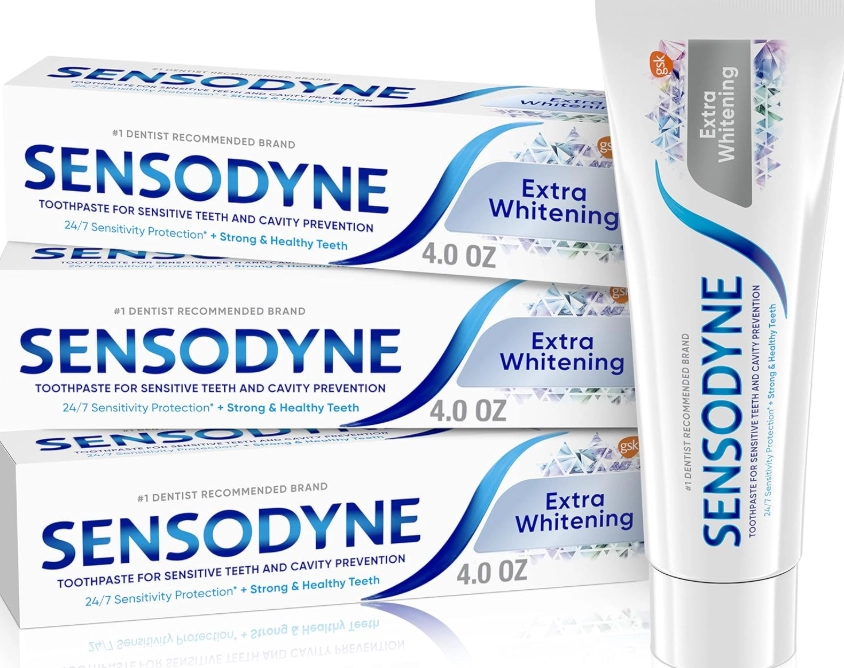
Apply a pea-sized amount to a dry or slightly damp toothbrush. A dry brush creates more friction, helping to work the paste into the dentin surfaces.
Brush gently for two full minutes. Focus on the sensitive areas, typically near the gumline. Use a soft-bristled brush and a gentle, circular technique. Scrubbing hard will make things worse.
After brushing, spit—don't rinse. This is critical. Let the residual paste sit on your teeth. Avoid eating or drinking for at least 30 minutes afterward.
Consistency is non-negotiable. Use it twice daily. For severe pain, some dentists recommend applying a small dab directly to the sensitive spot with a clean finger and leaving it on for a few minutes before bed.
It can take up to two weeks of consistent use to feel the maximum effect, particularly with potassium nitrate. Don't give up after three days.
Your Nerve Pain Toothpaste Questions, Answered
 Is it safe to use a desensitizing toothpaste on a tooth that has a temporary crown or filling?
 The journey to stop that nerve pain starts with choosing a toothpaste that matches how you need it to work—fast blockade or nerve calming—and then using it with a bit of patience and the right technique. It's not just about buying a tube; it's about starting a smarter routine.