That deep, throbbing ache at the very back of your jaw. It comes in waves, making it hard to concentrate, eat, or even sleep. If you're searching for wisdom tooth pain relief, you're likely in the thick of it right now. I've been a dental health consultant for over a decade, and I can tell you this pain is uniquely miserable because it's often caused by a tooth that has nowhere to go—impacted, partially erupted, or fighting for space. The good news? You have more control over the situation than you might think. This guide isn't just a list of tips; it's a strategic plan to navigate from immediate crisis management to a permanent solution, based on what I've seen work (and fail) in countless cases.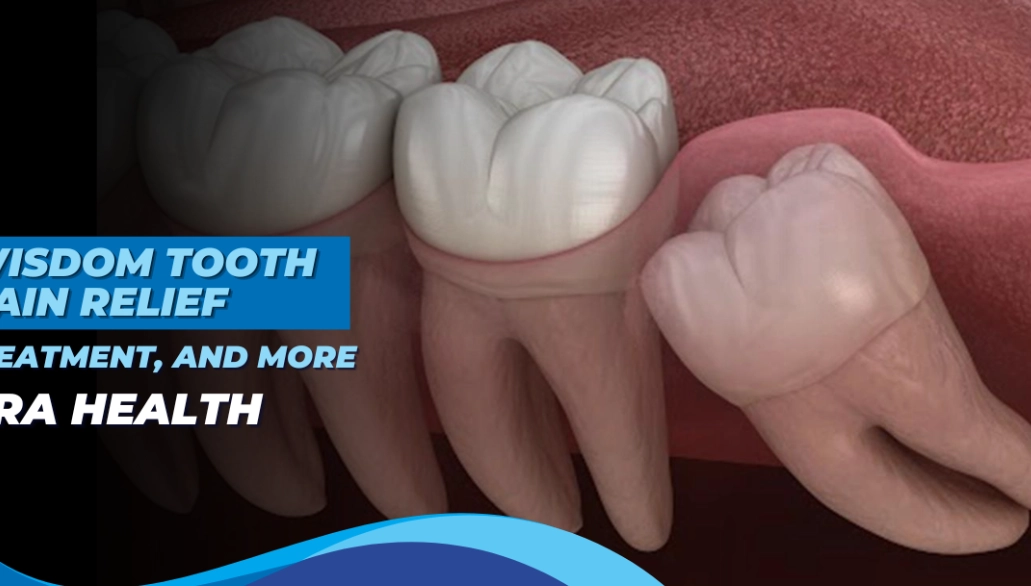
What's Inside This Guide
Immediate Wisdom Tooth Pain Relief: What Actually Works
Let's tackle the fire first. When the pain is acute, you need actions, not theories.
Cold Compress is Your Best Friend. This is the single most effective and immediate thing you can do. Wrap an ice pack or a bag of frozen peas in a thin cloth. Apply it to the outside of your cheek, over the painful area, for 15-20 minutes. Take it off for 20 minutes, then reapply. The cold constricts blood vessels, reducing inflammation and numbing the nerve endings. A common mistake? Using heat. Heat can increase blood flow and swelling, making an infected or inflamed area much worse. Save heat for muscular jaw pain after the acute swelling has gone down.
Just don't apply ice directly to your skin.
Salt Water Rinse: The Underestimated Powerhouse. Don't skip this because it sounds simple. Dissolve half a teaspoon of salt in a cup of warm (not hot) water. Swish it gently around the affected area for 30 seconds, then spit. Do this 2-3 times a day, especially after eating. The saline solution is a mild antiseptic that helps draw out fluid from inflamed tissues, cleanses food debris from around a partially erupted tooth, and soothes the gums. It's a foundational practice.
What to Avoid Immediately
While you're managing the pain, your choices can make it better or much worse. Steer clear of:
- Sugary, sticky, or hard foods: They can get trapped and feed bacteria.
- Chewing directly on the affected side: Give it a rest.
- Alcohol and tobacco: They irritate gums and impair healing.
- Poking the area with your tongue or fingers: You'll introduce more bacteria and cause mechanical irritation.

A Deep Dive into Wisdom Tooth Pain Home Remedies
Beyond the basics, there are nuanced approaches. Think of this as your home care toolkit.
Clove Oil: This is an old-school remedy with scientific backing. Eugenol, the main component, has natural analgesic and antibacterial properties. The trick is in the application. Never pour the oil directly onto your gum—it's potent and can burn. Dip a cotton swab in clove oil, then dab it onto a clean cotton ball. Place the cotton ball directly over the painful gum area for a few minutes. You can also find over-the-counter dental gels containing benzocaine or a lower concentration of eugenol for temporary numbing.
The Right Way to Brush: You still need to clean, but be surgical about it. Use a soft-bristled toothbrush and angle it carefully to clean around the painful area without jabbing the gum flap (operculum) that often covers a partially erupted wisdom tooth. An antimicrobial mouthwash without alcohol (like one containing chlorhexidine gluconate, available by recommendation) can be a helpful adjunct for a few days, but don't use it long-term as it can stain teeth.
Professional Wisdom Tooth Pain Treatment Options
Home care has limits. Here’s what a dentist or oral surgeon sees that you can't, and the solutions they offer.
Diagnosis is Everything. Your dentist will take an X-ray, usually a panoramic one. This reveals the tooth's angle, root shape, and relationship to the nerve in your jaw and other teeth. Is it horizontally impacted? Is there a cyst forming? This image dictates the entire treatment plan.
Treatment Paths:
- Deep Cleaning & Irrigation: If the pain is from pericoronitis (inflammation around a partially erupted tooth), the dentist may clean under the gum flap and irrigate it with an antiseptic. They might prescribe antibiotics if there's a clear infection.
- Minor Surgery (Operculectomy): Sometimes, they can simply remove the flap of gum covering the tooth, eliminating the pocket where food gets trapped.
- Wisdom Tooth Extraction: This is the definitive, long-term solution for recurrent pain, impaction, infection, or risk of damage to adjacent teeth. The procedure varies from a simple pulling to a surgical extraction involving sectioning the tooth.
I often see patients terrified of extraction, clinging to home remedies for months. But delaying can lead to more complex problems—damage to the neighboring molar, more severe infections, or even the need for more invasive surgery later. The American Dental Association provides clear guidelines on when extraction is recommended, which your dentist can discuss with you.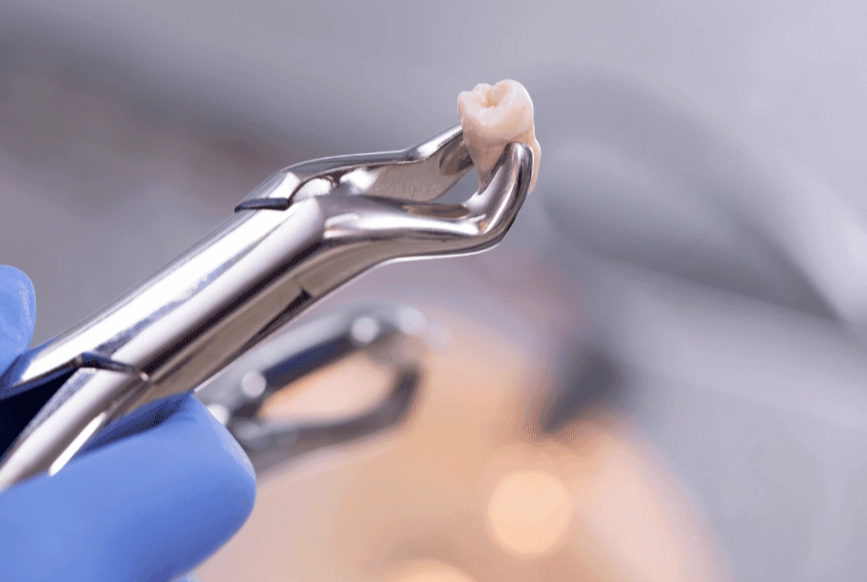
A Real-World Guide to Pain Medication
Navigating the pharmacy aisle is confusing. Here’s a breakdown of your options, stripped of marketing hype.
| Medication Type | Best For | How It Works / Key Consideration | Typical Dosage (Always follow label/Dr.) |
|---|---|---|---|
| Ibuprofen (Advil, Motrin) | Throbbing pain with swelling. | NSAID. Reduces inflammation (the root cause of much wisdom tooth pain) AND relieves pain. Often the first-line choice. | 200-400mg every 6-8 hours with food. |
| Acetaminophen (Tylenol) | Dull, aching pain without significant swelling. | Pain reliever and fever reducer, but NOT an anti-inflammatory. Safe to combine with ibuprofen (staggered doses). | 500-1000mg every 6 hours. Do not exceed max daily dose. |
| Naproxen Sodium (Aleve) | Longer-lasting pain relief. | Another NSAID. Lasts longer than ibuprofen (8-12 hours). Can be harsh on the stomach. | 220mg every 8-12 hours with food. |
| Topical Benzocaine Gel (Orajel) | Localized, surface gum pain. | Numbs the nerve endings on the gum surface. Provides temporary relief for 15-20 minutes. Good for spot treatment before eating. | Apply a pea-sized amount directly to sore gum up to 4 times daily. |
Pro Tip from the Clinic: For severe pain, dentists often recommend an "over-the-counter cocktail" of ibuprofen and acetaminophen taken in alternating cycles (e.g., ibuprofen at 8 am, acetaminophen at 11 am, ibuprofen at 2 pm, etc.). This targets pain through two different pathways and can be remarkably effective, but you must track the timing and total daily dose of each medication meticulously to avoid overdose. This is a strategy best confirmed with your pharmacist or dentist.
The Non-Negotiable Signs You Need to See a Dentist Now
Home management has a red line. If you experience any of the following, stop searching for remedies and seek professional help immediately. These are signs of a spreading infection or serious complication.
- Fever: Your body is fighting a systemic infection.
- Difficulty Swallowing or Breathing: This indicates swelling is spreading into deeper neck spaces—a potential medical emergency.
- Swelling that spreads to your cheek, jaw, or under your tongue: The infection is expanding beyond the local site.
- Pus discharge from around the tooth.
- Severe, unrelenting pain that isn't touched by over-the-counter medication.
- Trismus (Lockjaw): Inability to open your mouth more than a finger's width.
I've had patients wait too long, thinking antibiotics from an old prescription would work. Dental infections in this area can become serious quickly. Don't gamble.
Your Top Wisdom Tooth Pain Questions Answered
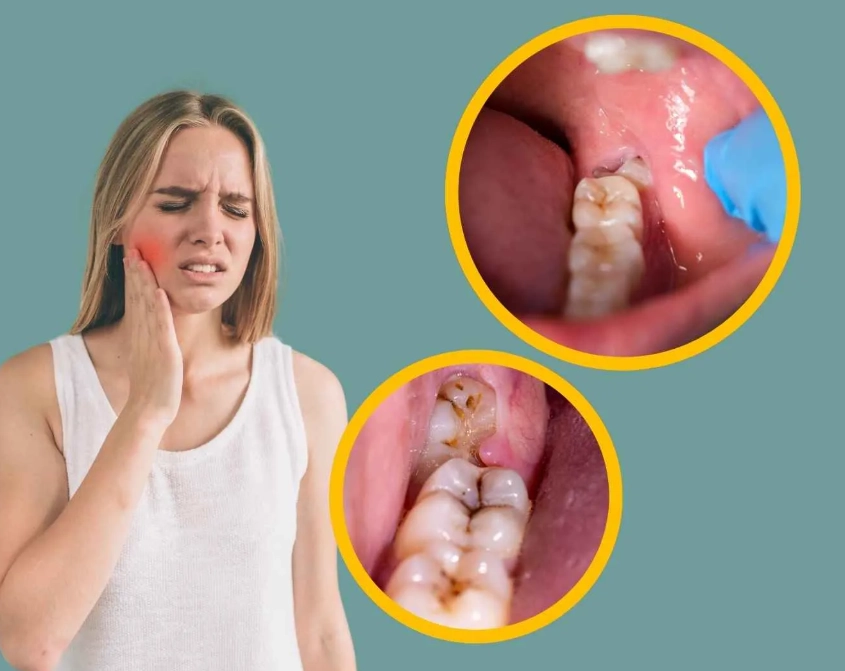 What's the difference between wisdom tooth pain and a regular toothache?