Let's be honest. The worst part about getting your wisdom teeth out isn't the surgery itself—it's figuring out what you can actually eat afterward. You're hungry, maybe a bit sore, and staring into a fridge full of foods that suddenly look like potential weapons. I've seen patients make mistakes that set their recovery back days, all because of a poorly chosen snack. The right diet does more than just fill your stomach; it actively promotes healing, manages swelling, and keeps your energy up without disturbing the delicate blood clots in those extraction sites.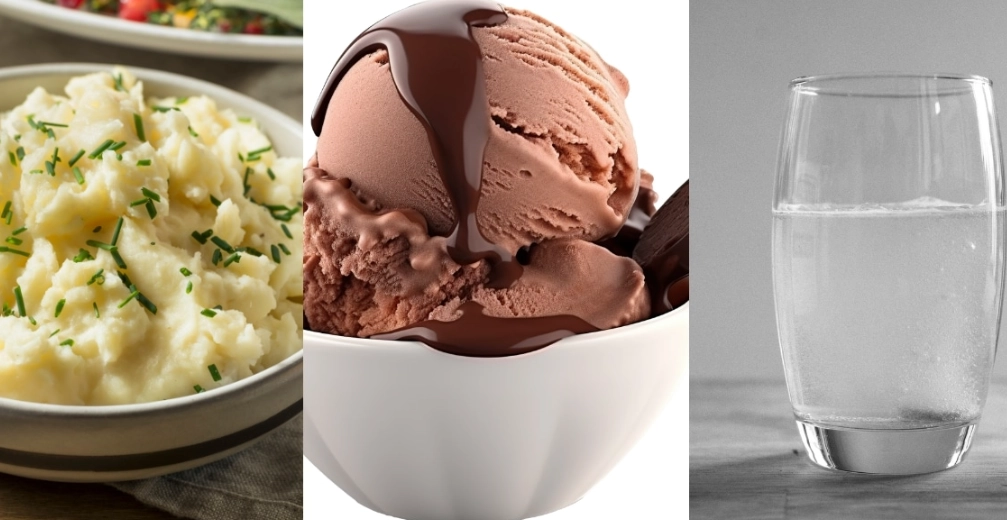
Navigate Your Recovery Menu
The First 24-48 Hours: Liquids & Cool Purees
This is the critical period. Your mouth is numb, you're bleeding a little, and those sockets are fresh wounds. The goal here is zero chewing. Everything should be drinkable or spoonable without any effort. Cool or room temperature foods are your friend—they help constrict blood vessels and reduce swelling. Avoid anything hot for at least the first day, as heat can increase bleeding.
Here’s your go-to menu for the first couple of days:
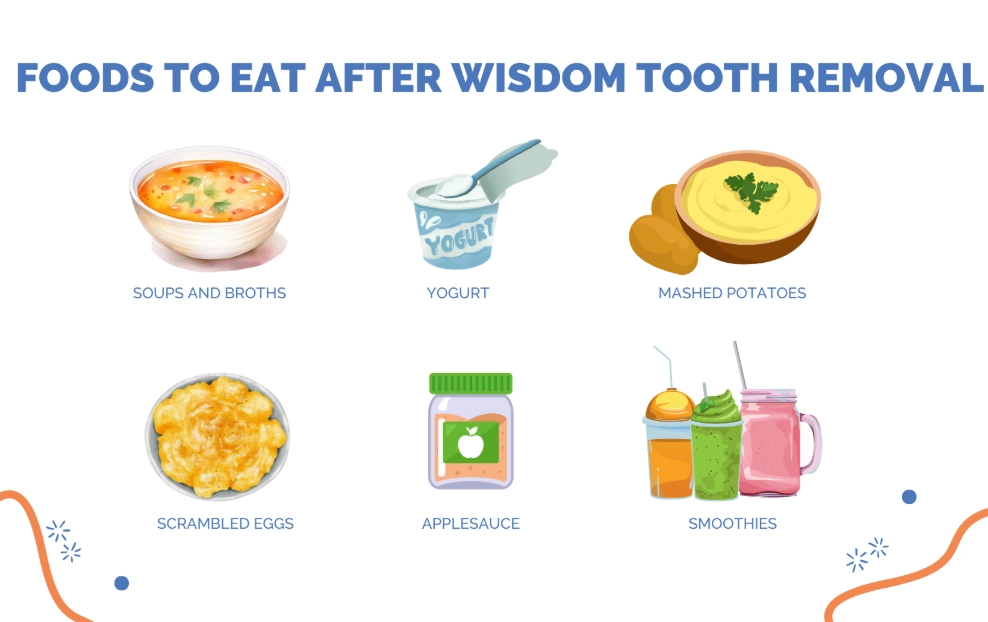
- Broths & Soups: Chicken, beef, or vegetable broth. Miso soup (strained of any solid bits). Let any cream-based soups cool completely.
- Smoothies & Shakes: This is where you can get creative and nutritious. Blend yogurt, banana, avocado, and protein powder. Avoid seeds (like in berry smoothies)—they can get lodged in the extraction sites.
- Applesauce & Pudding: Classic, easy, and satisfying. Opt for unsweetened varieties where possible to avoid a sugar overload.
- Greek Yogurt: High in protein, which is crucial for tissue repair. Choose plain to avoid added sugars.
- Jell-O & Ice Cream: Yes, you have permission. The coolness feels good. Just stick to plain flavors without crunchy mix-ins.
I had a patient once who blended a whole avocado with some chocolate protein powder and a splash of almond milk. She called it her "surgery pudding," and it kept her full for hours. That's the kind of thinking you need.
Days 3-5: Introducing Soft, Mashable Foods
As the initial swelling and pain start to subside, you can graduate to foods with a bit more body. Think of textures that yield completely to light pressure from your tongue against the roof of your mouth—no active chewing with your back teeth required.
This is when many people get into trouble. They feel a bit better and think, "Maybe just a small bite of that muffin." Resist. Introducing solids too early can irritate the sockets or even cause an infection.
| Food Category | Excellent Choices | Preparation Tips |
|---|---|---|
| Cooked Grains | Oatmeal, cream of wheat, very well-cooked pasta (like small macaroni), congee (rice porridge). | Cook until mushy. Let it cool to lukewarm. Avoid al dente pasta completely. |
| Eggs | Scrambled eggs, soft-boiled eggs, egg salad (finely mashed). | Scramble eggs until very soft and moist, not dry or browned. |
| Cooked Vegetables | Mashed potatoes (sweet or regular), pureed butternut squash, mashed carrots. | Steam or boil until very tender, then mash thoroughly with butter or gravy. |
| Soft Proteins | Flaky fish (like cod or tilapia), refried beans, very soft tofu, hummus. | Steam fish so it flakes apart with a fork. Ensure no bones. |
| Dairy & Alternatives | Cottage cheese, ricotta cheese, soft cheese spreads. | Choose small-curd cottage cheese. Avoid any with added fruit pieces. |
Week 1 and Beyond: Graduating to Tender Solids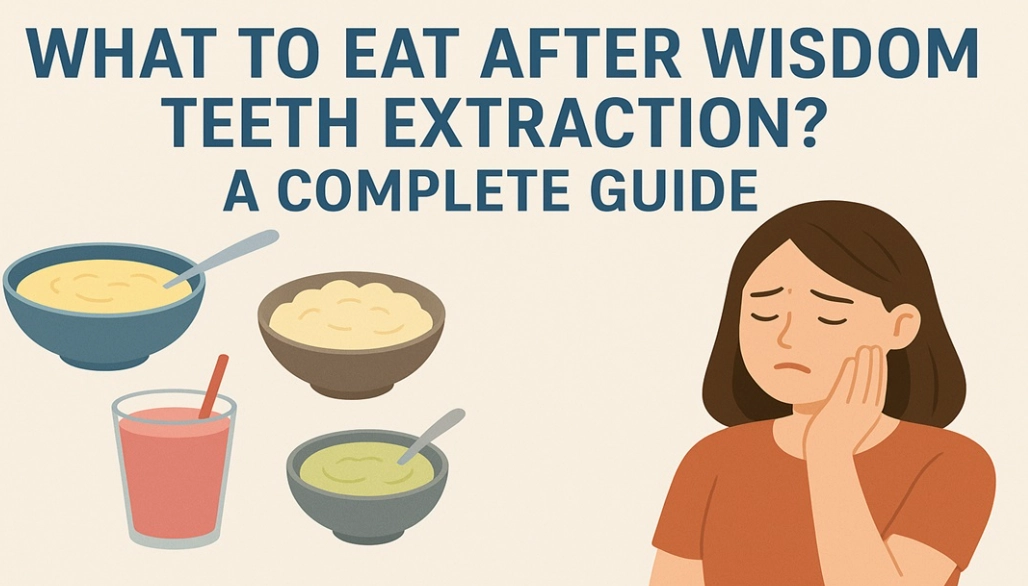
By the end of the first week, you'll likely be cleared for more normal eating, but proceed with caution. Start with foods you can cut into tiny pieces and chew gently with your front teeth. Listen to your body—if something causes pain or feels like it's getting stuck, stop and go back to softer options for another day or two.
How to test a food: Before you commit to a whole meal, take a very small piece and gently press it between your front teeth. Does it mash easily without requiring grinding? If yes, you're probably good. If it's chewy, crunchy, or fibrous, put it back on the shelf.
- Pancakes or Soft French Toast: Soaked in syrup, they become very soft. A welcome change from all the mush.
- Soft-Cooked Meats: Shredded chicken in a sauce, very tender meatballs in gravy, pot roast that falls apart.
- Soft Fruits: Ripe banana, very ripe peeled pear or peach, avocado.
- Pasta Dishes: Like a simple mac and cheese or small-shell pasta with a smooth sauce.
The One Mistake Almost Everyone Makes
People focus so much on "soft" that they forget about "crumbly." Foods like muffins, soft bread, and cake can seem safe, but they create a million tiny crumbs that are notorious for getting packed into extraction sites. This isn't just annoying; it's a breeding ground for bacteria. If you really want bread, make sure it's thoroughly soaked in soup or sauce first.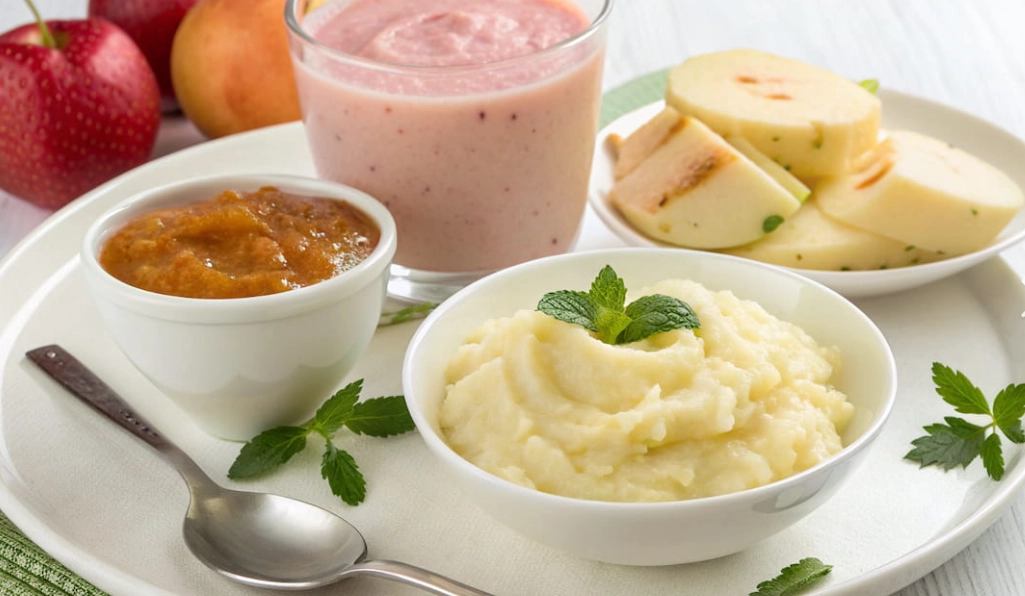
The No-Go List: Foods That Can Cause Problems
You should avoid these for at least 7-10 days, and sometimes longer for particularly tricky extractions:
- Crunchy & Hard: Chips, nuts, popcorn, crackers, hard candies. (Popcorn kernels are public enemy number one for oral surgeons).
- Chewy & Sticky: Bagels, tough meats (like steak), jerky, caramel, chewing gum.
- Spicy & Acidic: Hot sauce, salsa, citrus fruits/juices, tomato sauce. These can sting the wounds.
- Extremely Hot: Hot coffee, soup, pizza. Heat can dissolve the blood clot.
- Alcoholic Beverages: Alcohol can interfere with healing and may not mix well with pain medication.
- Anything with Small Seeds: Strawberries, poppy seeds, sesame seeds. They are impossible to clean out of the sockets.
Beyond Texture: Key Nutrition Tips for Healing
Your body is repairing bone and soft tissue. It needs the right building blocks. A diet of only ice cream and Jell-O will leave you feeling weak and slow healing.
Prioritize Protein: This is non-negotiable. Protein is essential for cell repair and fighting infection. Work it into every meal—protein powder in smoothies, Greek yogurt, soft scrambled eggs, blended soups with beans or lentils.
Stay Hydrated: Drink plenty of water. Dehydration makes everything worse and can cause bad breath, which is already a common post-op issue. Again, no straws.
Mind Your Vitamins: Vitamin C (from supplements or fortified juices) supports collagen formation. Zinc (found in meats, dairy, beans) aids immune function. If your diet is limited, a simple multivitamin can be a good safety net.
I often recommend patients plan and even prep some meals before their surgery. That way, when you're post-op and maybe on pain meds, you're not trying to figure out how to operate a blender.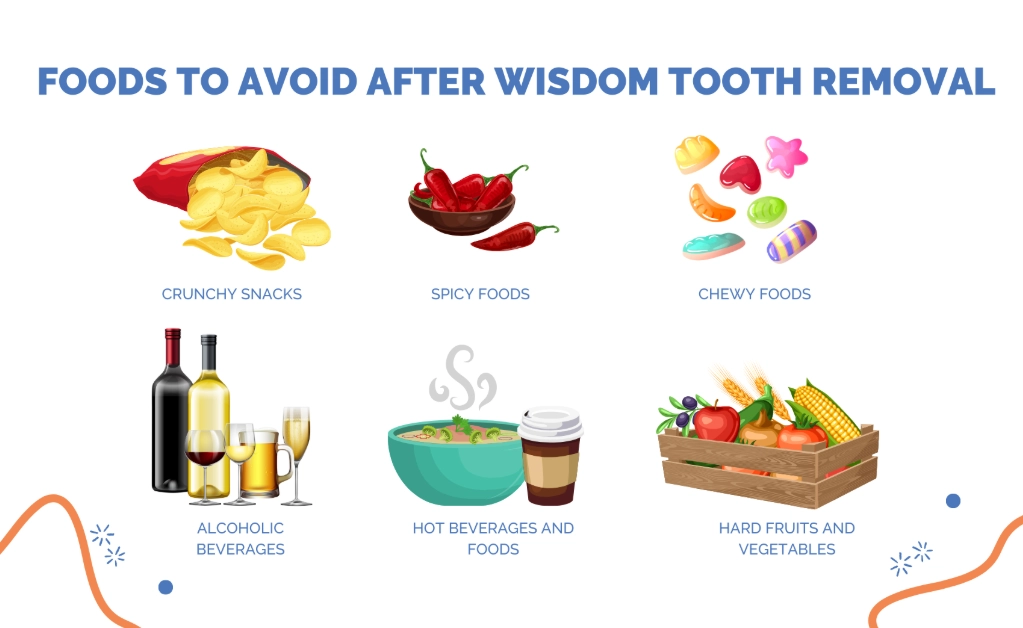
Your Top Food & Recovery Questions Answered
 Recovering from wisdom tooth surgery is a process, and your diet is the most controllable part of it. By choosing the right foods at the right time, you're not just feeding your hunger—you're actively helping your mouth heal faster and more comfortably. Listen to your body, err on the side of caution, and before you know it, you'll be back to enjoying all your favorite crunchy, chewy foods again.