Let's be honest. We treat our teeth like external accessories. We scrub them twice a day, maybe floss under duress, and hope for the best. But what if I told you the most powerful tool for preventing cavities, strengthening enamel, and keeping gums healthy isn't in your bathroom—it's in your kitchen? The foundation of resilient teeth is built from the inside out, bite by bite. I've seen clients with impeccable hygiene still get cavities, while others with less-than-perfect routines have rock-solid enamel. The difference often boils down to diet.
This isn't another list telling you to drink milk. We're going deeper.
Your Quick Bite-Sized Guide
The Non-Negotiable Building Blocks for Tooth Structure
Think of your enamel as a fortress. You need the right raw materials to build and maintain its walls.
Calcium is the obvious one. But swallowing a calcium pill with your acidic morning coffee? It's not very effective. You need it consistently throughout the day, paired with its partner.
Phosphorus is that partner, and it's criminally overlooked. This mineral helps calcium do its job, forming the dense crystalline structure of enamel and dentin. A diet low in phosphorus makes your calcium intake less effective.
Vitamin D is the foreman. Without it, your gut struggles to absorb the calcium you're eating. Sunlight is a source, but for many, especially in winter or with office jobs, diet or supplements are key. The National Institutes of Health notes its critical role in bone and tooth mineralization.
Vitamin K2 is the delivery truck. It directs calcium to where it's needed—your bones and teeth—and away from where it's not, like your arteries. Found in fermented foods and certain animal products, it's the missing link in many modern diets.
Then there's the oral microbiome. This is the game-changer most articles gloss over. Your mouth is an ecosystem. You want to feed the good bacteria (which crowd out the bad) with prebiotic fibers, and you want to avoid constantly bathing the bad, cavity-causing bacteria in their favorite fuel: fermentable carbohydrates.
The Synergy Principle
No nutrient works alone. Eating spinach (calcium + oxalates) with salmon (phosphorus, vitamin D) and a fermented food like kimchi (vitamin K2, probiotics) creates a far more powerful effect for your teeth than eating each one in isolation. Always think in combinations.
The Strong Teeth Pantry: What to Stock for Every Meal
Forget vague categories. Here’s a practical, shoppable list.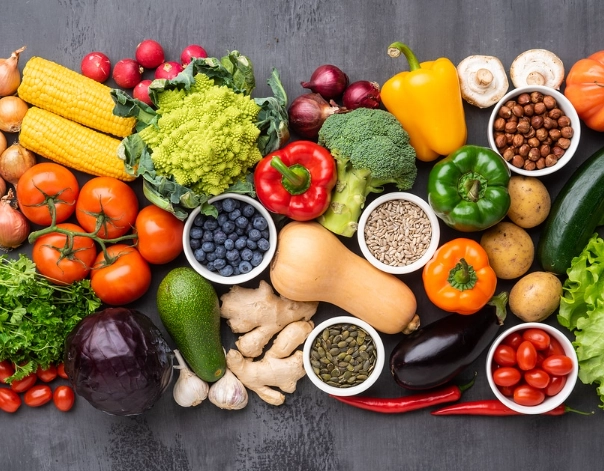
| Food Category | Top Picks for Teeth | Key Nutrients & Action |
|---|---|---|
| Dairy & Fortified Alternatives | Hard aged cheeses (cheddar, parmesan), plain yogurt/kefir, milk, fortified unsweetened almond/soy milk. | Calcium, phosphorus, casein (a protein that protects enamel). Cheese stimulates saliva and raises mouth pH. |
| Crunchy Fruits & Veggies | Apples, carrots, celery, cucumbers, jicama, snap peas. | Natural toothbrush effect, stimulates saliva (nature's mouthwash), high water content dilutes sugars. |
| Leafy Greens & Cruciferous | Kale, collard greens, broccoli, bok choy. | Calcium, folic acid (great for gum health), vitamins. |
| Quality Proteins | Grass-fed beef, wild-caught salmon, sardines, eggs, chicken, lentils, black beans. | Phosphorus, vitamin D (fatty fish), protein for tissue repair. |
| Nuts & Seeds | Almonds, Brazil nuts, pumpkin seeds, chia seeds. | Calcium (almonds), phosphorus, magnesium, healthy fats. |
| Strategic Snacks & Sweeteners | Xylitol-sweetened gum, dark chocolate (70%+), erythritol. | Xylitol inhibits bad bacteria. Dark chocolate has compounds that may fight plaque (less sugar than milk chocolate). |
Notice what's not heavily featured? Starchy, mushy carbs. A bowl of oatmeal or a soft white bread sandwich sticks to grooves and feeds bacteria for a long time. If you eat them, make it part of a meal with other protective foods, not a solo snack.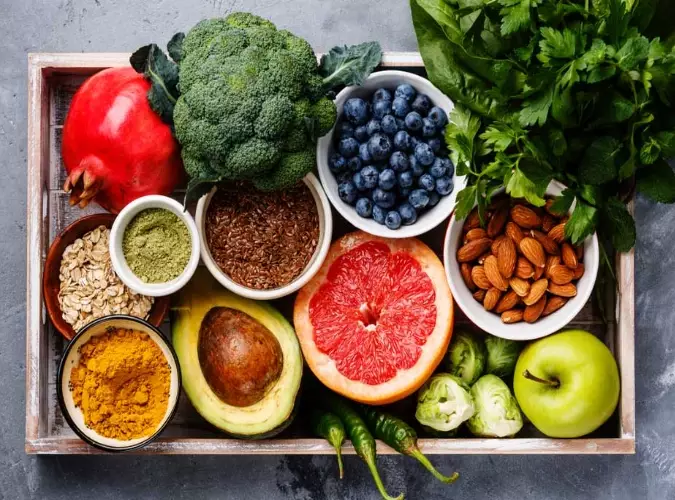
Why Cheese is a Secret Weapon
I tell my clients to think of a small cube of cheese as dental first aid. Eating it after a meal or a sugary treat does three things instantly: it stimulates a flood of saliva to wash away food particles, its calcium and phosphate help remineralize enamel, and it raises the pH in your mouth, making it less hospitable to acid-producing bacteria. It's a more effective and pleasant post-meal ritual than rushing to brush.
The Stealthy Enemies: Foods That Undermine Enamel
It's not just about sugar. It's about frequency and form.
Liquid Sugar & Acid: This is the worst combo. Soda, sports drinks, lemon water, even diet sodas and sparkling water (if acidic). Sipping them over hours is like giving your teeth an acid bath all day. The American Dental Association warns about the erosive potential of acidic beverages.
Sticky & Starchy: Dried fruit (raisins, mango), gummy vitamins, potato chips, crackers. They adhere to teeth and break down into sugars slowly, providing a long buffet for bacteria.
The "Healthy" Trap: Smoothies and fruit juices. Concentrated fruit sugar and acid, often sipped slowly. A whole apple is fine; a large apple smoothie without protein/fat can be problematic.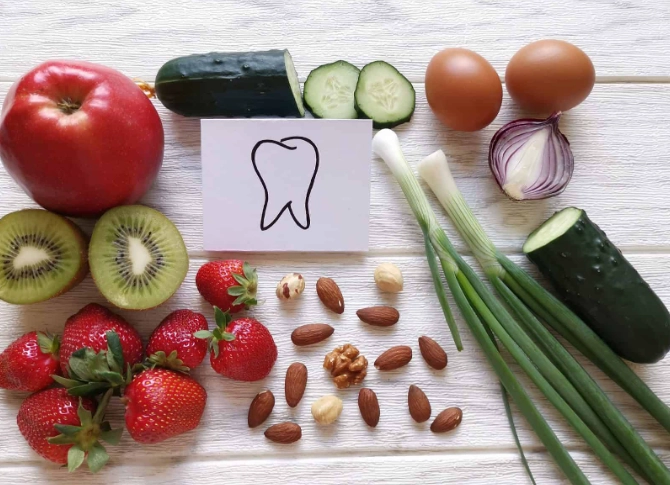
The rule isn't "never eat these." It's consume them with meals, not as standalone snacks, and follow up with water or a tooth-friendly food.
Putting It Together: What a Tooth-Friendly Day Looks Like
Let's move from theory to your plate.
Breakfast: Scrambled eggs with spinach and a slice of cheddar. Green tea (contains fluoride and polyphenols). Avoid the orange juice; eat a whole orange later if you want.
Lunch: A big salad with grilled salmon, kale, almonds, and an olive oil dressing. The fat helps absorb vitamins.
Snack: An apple with a handful of almonds, or plain yogurt with a few berries. Finish with a piece of xylitol gum.
Dinner: Grass-fed beef stir-fry with broccoli, carrots, and bok choy over a moderate portion of brown rice. A small serving of kimchi on the side.
Evening: If you want something sweet, a square of dark chocolate (70%+) with a handful of pumpkin seeds. Then brush your teeth 30+ minutes after your last food/drink.
See the pattern? Protein + Veggies + Healthy Fat at meals. Crunchy, fibrous, or saliva-stimulating snacks. Strategic timing.
3 Common Mistakes Even Health-Conscious People Make
I've been in dental nutrition for over a decade. Here's what I see repeatedly.
1. The "Healthy Sippers": Drinking apple cider vinegar water first thing, lemon water all morning, then kombucha in the afternoon. Each exposure drops your mouth's pH. Enamel can't recover if the acid attacks are constant. Pick one, drink it with a meal or through a straw, and be done quickly.
2. Over-reliance on Plant Milks: Many almond or oat milks have added sugars and lack the natural phosphorus and protein of dairy. Check labels. Choose unsweetened, fortified versions, and don't assume they're a direct swap.
3. Brushing Immediately After Acid: You have a green smoothie and think you're being good by brushing right after. You're actually brushing acid into softened enamel. Rinse with water, wait 30 minutes, then brush.
Your Diet & Teeth Questions, Answered
What is the single most overlooked food for strengthening tooth enamel?
Can a vegan diet provide enough nutrients for strong teeth?
Are sugar substitutes like xylitol and erythritol actually good for your teeth?
How soon after eating acidic foods (like citrus) should I brush my teeth?
The final takeaway? Stop viewing your diet and your oral care as separate tracks. They're the same system. Every time you eat, you're either feeding the resilience of your teeth or chipping away at it. Stock your kitchen with the builders—the cheeses, the crunchy veggies, the nuts, the fatty fish—and be smart about timing with the occasional treat. Your dentist will notice the difference. More importantly, you'll feel it.