You swish, you gargle, you spit. That minty freshness feels like a clean slate for your mouth. But what if that daily ritual is doing more than just zapping bad breath? What if it's quietly affecting your brain health? It sounds like science fiction, but a growing body of research suggests a surprising and concerning link between antiseptic mouthwash, your oral microbiome, and your risk for conditions like high blood pressure and even dementia. Let's cut through the marketing hype and look at the evidence.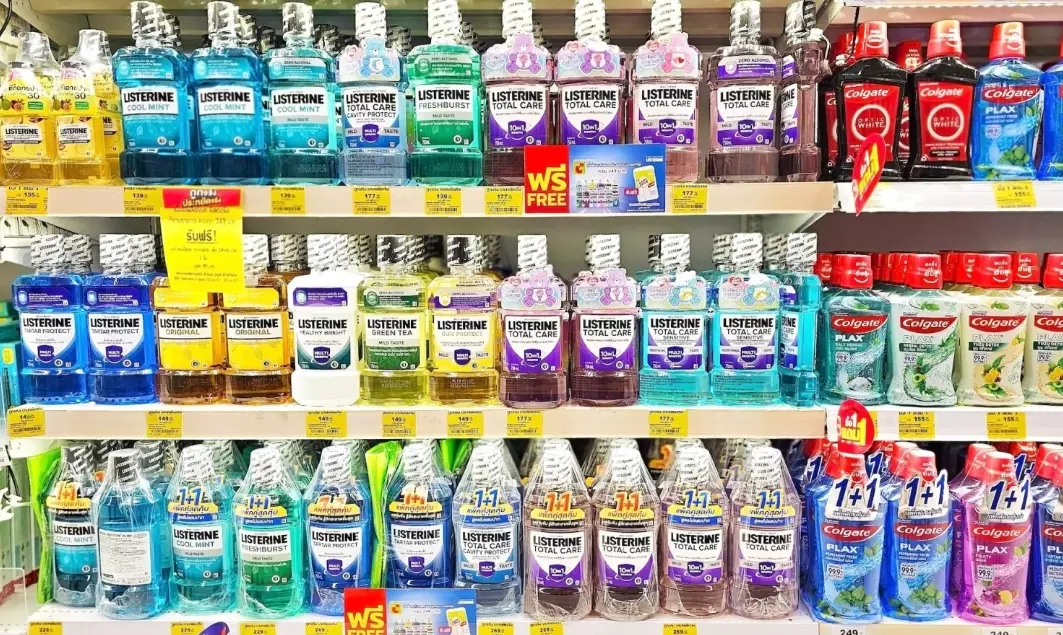
What You'll Discover in This Guide
- The Mouth-Brain Connection You Never Knew About
- How Common Mouthwash Works Against You (Not Just Bacteria)
- The Key Study: Mouthwash, Blood Pressure, and Your Brain's Blood Supply
- From Blood Pressure to Dementia: Connecting the Dots
- Which Mouthwash Ingredients Are the Real Culprits?
- Safer Alternatives for Fresh Breath and a Healthy Mouth
- Your Questions Answered
The Mouth-Brain Connection You Never Knew About
For years, we've thought of the mouth as separate from the rest of the body. Cavities? A dental problem. Gum disease? See your periodontist. But this siloed thinking is outdated. Your mouth is the gateway to your gut and your bloodstream. The community of bacteria living there—your oral microbiome—plays a crucial role in systemic health.
One of its most important jobs is helping your body produce nitric oxide (NO). Here's the simple version: when you eat nitrate-rich foods (like leafy greens and beets), certain friendly bacteria in your mouth convert those nitrates into nitrites. Once swallowed, these nitrites are converted into nitric oxide in your gut and bloodstream.
Why does this matter? Nitric oxide is a master signaling molecule. It tells your blood vessels to relax and widen, which lowers blood pressure and ensures a steady, rich flow of oxygenated blood to every organ, including your brain. Good blood flow is non-negotiable for cognitive health. When you indiscriminately nuke the bacteria in your mouth with strong antiseptics, you're potentially disrupting this vital nitric oxide pathway.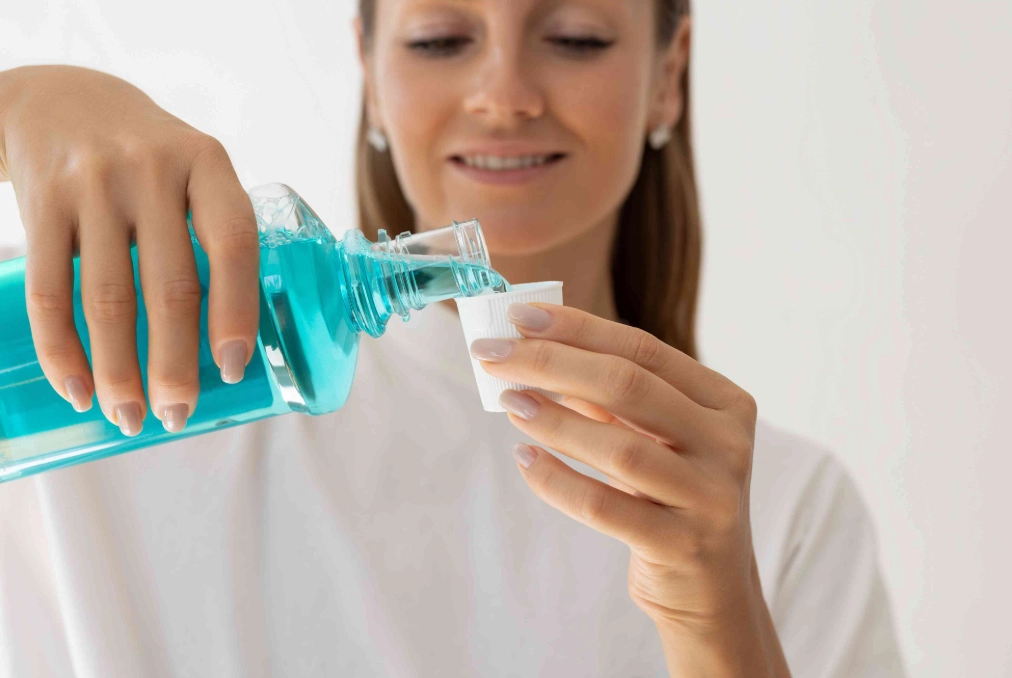
How Common Mouthwash Works Against You (Not Just Bacteria)
The promise is clear: "Kills 99.9% of germs for 12-hour freshness." The problem is, it doesn't discriminate. It wipes out the bad guys and the good guys. I've seen patients in my practice who are fastidious about oral hygiene—brushing, flossing, and using a strong mouthwash twice a day—yet they still struggle with recurring bad breath or inflamed gums. Often, the mouthwash is part of the problem, creating an imbalance that allows problematic bacteria to rebound in a less diverse, less resilient environment.
The immediate sensation is one of cleanliness. But that sterile feeling might be masking a deeper issue. You're not just removing the odor-causing bacteria temporarily; you're dismantling a key metabolic factory your body relies on for cardiovascular and cognitive health.
The Key Study: Mouthwash, Blood Pressure, and Your Brain's Blood Supply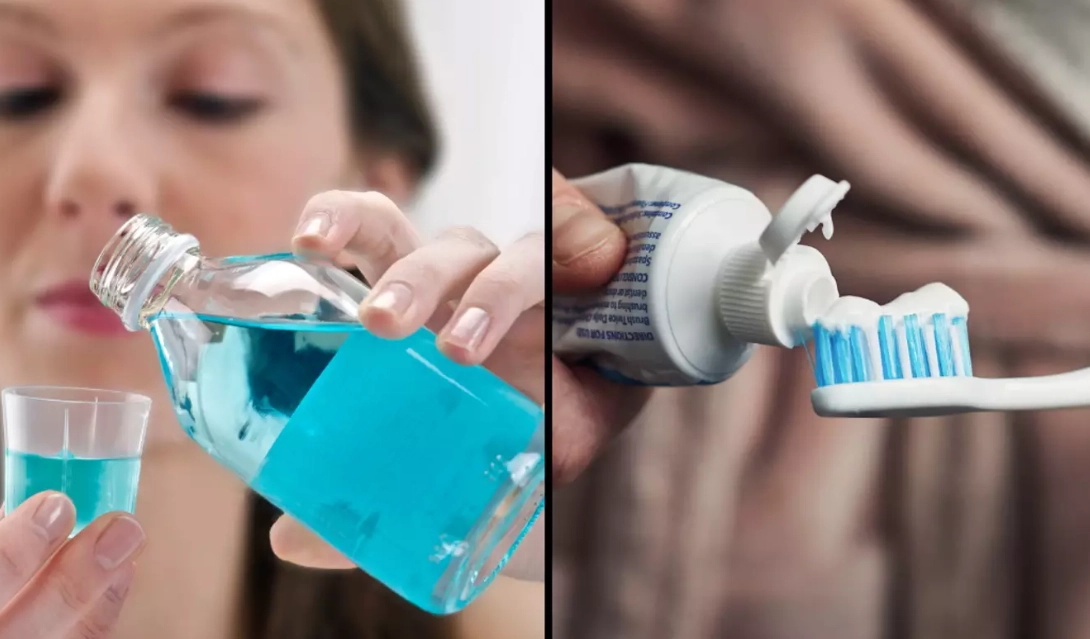
This isn't just theory. A compelling study published in the journal Free Radical Biology and Medicine put this to the test. Researchers had healthy volunteers use a standard, over-the-counter antiseptic mouthwash (containing 0.2% chlorhexidine) twice daily for one week.
The results were striking. Using the mouthwash led to a significant reduction in oral nitrate-reducing bacteria and a corresponding drop in blood plasma nitrite levels. Most critically, the participants saw a notable increase in systolic blood pressure. Their blood vessels weren't getting the same nitric oxide signal to relax.
The changes reversed after they stopped using the mouthwash. This study is a clear mechanistic link. It shows that disrupting the oral microbiome doesn't just stay in the mouth—it has direct, measurable effects on a major risk factor for stroke and vascular dementia: hypertension.
From Blood Pressure to Dementia: Connecting the Dots
So how does this relate to brain health and dementia? The pathway is through vascular health.
- Consistently elevated blood pressure damages the delicate, small blood vessels in the brain over time. This reduces blood flow and oxygen supply.
- This vascular damage is a major contributor to vascular dementia and is also a significant risk factor for worsening Alzheimer's disease. The brain is an energy hog, and a compromised blood supply accelerates cognitive decline.
- Furthermore, chronic gum disease (periodontitis) itself is linked to systemic inflammation and has been associated with an increased risk of Alzheimer's. Some research has even found the bacteria P. gingivalis (a key gum disease pathogen) in the brains of Alzheimer's patients. While mouthwash might temporarily reduce these bacteria, it doesn't treat the underlying gum disease and may worsen the dysbiosis long-term.
The American Heart Association has long emphasized the link between oral health and heart health. It's not a huge leap to extend that concern to the brain, our most vascular organ.
Which Mouthwash Ingredients Are the Real Culprits?
Not all mouthwashes are created equal. The primary offenders are the broad-spectrum antiseptics designed to kill everything. Here’s a breakdown of the main ones to watch for:
| Ingredient | Commonly Found In | How It Works & The Concern |
|---|---|---|
| Chlorhexidine Gluconate | Prescription-strength rinses (e.g., Peridex), some strong OTC brands. | The gold-standard antiseptic. It's incredibly effective at killing plaque bacteria but is a prime disruptor of the oral microbiome and the nitrate-reduction pathway. Linked to tooth staining, taste alteration, and the blood pressure effects seen in studies. |
| Cetylpyridinium Chloride (CPC) | Many popular OTC antiseptic mouthwashes (e.g., Crest Pro-Health, some Listerine variants). | Another broad-spectrum antimicrobial. While slightly less potent than chlorhexidine, it still acts non-selectively. Its long-term impact on the oral ecosystem and systemic nitric oxide production is a valid concern. |
| Essential Oils (Eucalyptol, Menthol, Thymol, Methyl Salicylate) | Classic Listerine Antiseptic. | These have antimicrobial properties but may be somewhat less disruptive than chlorhexidine or CPC. However, they are still antiseptic in nature and the high alcohol content in classic formulas can dry out the mouth, which is its own problem for oral health. |
| Alcohol (Ethanol) | Many traditional formulas. | Primarily a solvent and carrier for other ingredients. It can cause dryness, irritation, and has been controversially linked to an increased risk of oral cancer with long-term use (though evidence is mixed). The drying effect can reduce saliva, which is nature's mouthwash and critical for a healthy microbiome. |
The bottom line? If your mouthwash's main selling point is "kills germs," it's likely using a blunt-force approach that could be harming more than just your bad breath.
Safer Alternatives for Fresh Breath and a Healthy Mouth
You don't have to give up on fresh breath. The goal is to manage odor without ecological collapse in your mouth. Here’s what I recommend to patients who are worried about this research.
First, treat the cause, not just the symptom. Chronic bad breath (halitosis) usually originates on the tongue or from gum disease. No mouthwash is a cure for gum disease.
- Scrape your tongue. A metal tongue scraper is far more effective at removing the odor-causing biofilm than brushing your tongue.
- Floss effectively. Not just between teeth, but curve the floss against the tooth surface to clean under the gumline where bacteria hide.
- Stay hydrated. A dry mouth is a smelly mouth. Water helps saliva flow.
Choose a microbiome-friendly rinse. Look for products with these features:
- Alcohol-free. Avoid the drying effect.
- Contains prebiotics or targeted ingredients. Some newer rinses contain ingredients like xylitol (which inhibits bad bacteria without killing everything), zinc (neutralizes odor compounds), or even specific prebiotics designed to feed good bacteria. They might say "balances oral microbiome" instead of "kills 99.9% of germs."
- Fluoride-only rinses. If your main goal is cavity prevention, a simple fluoride rinse (like ACT) without strong antiseptics is a much safer bet. It strengthens teeth without carpet-bombing your oral flora.
- Make a simple salt water rinse. For occasional use after dental work or when gums feel irritated, a warm salt water solution is soothing, helps reduce inflammation, and is minimally disruptive.
I switched to an alcohol-free, CPC-free rinse years ago and noticed my mouth felt less "stripped" and dry. The fresh breath lasted just as long because I was addressing the real sources of odor.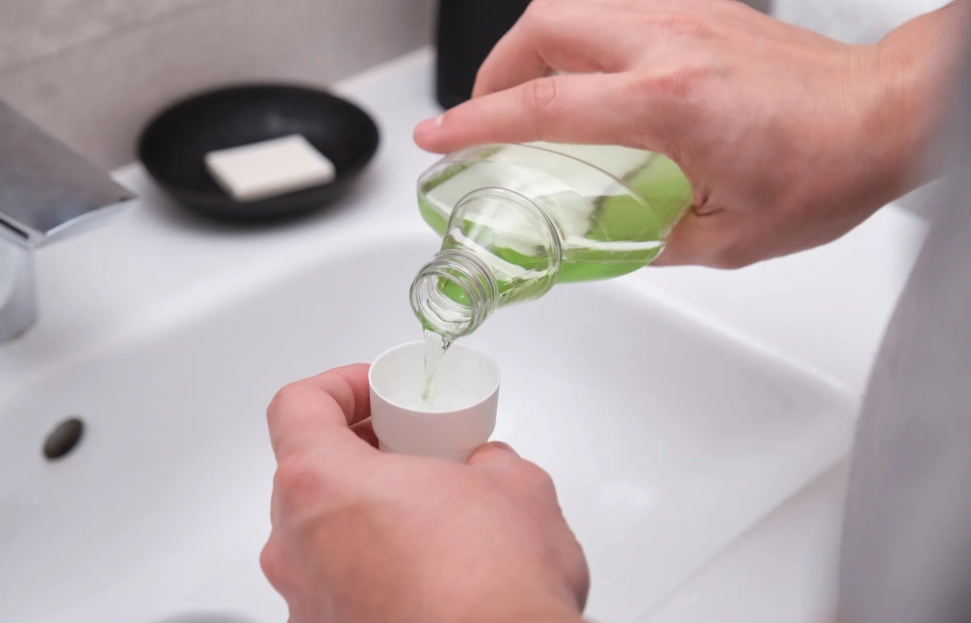
Your Questions Answered
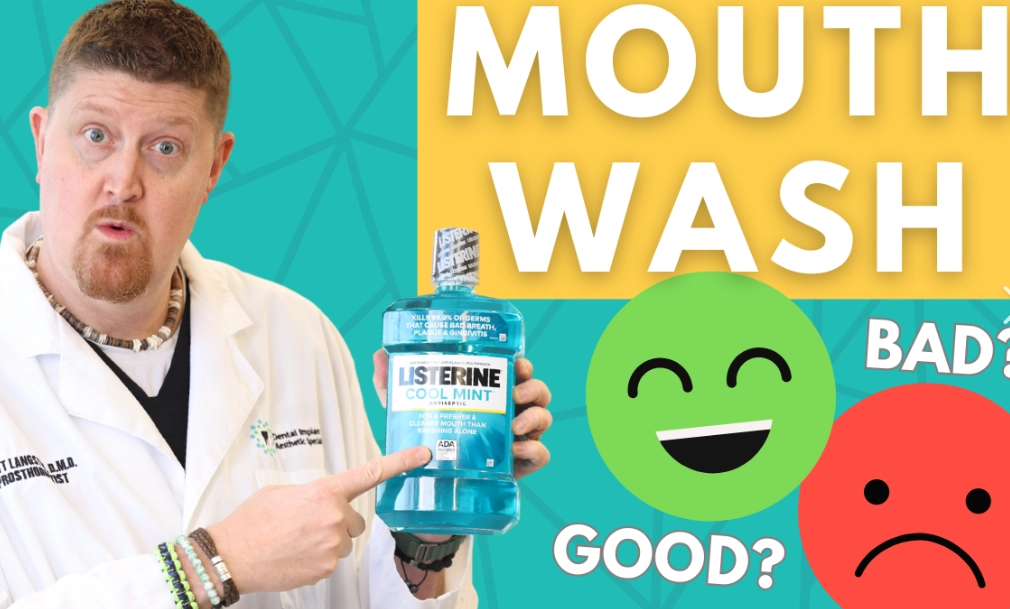 My dentist prescribed chlorhexidine after my deep cleaning. Is that dangerous?