You've booked your dental checkup, and the receptionist said to plan for "about an hour." But what does that actually mean? If you're like most people, you're mentally mapping your day around this appointment. The short, direct answer is that a standard teeth cleaning combined with dental x-rays typically takes between 45 and 90 minutes from the moment you walk in to the moment you schedule your next visit.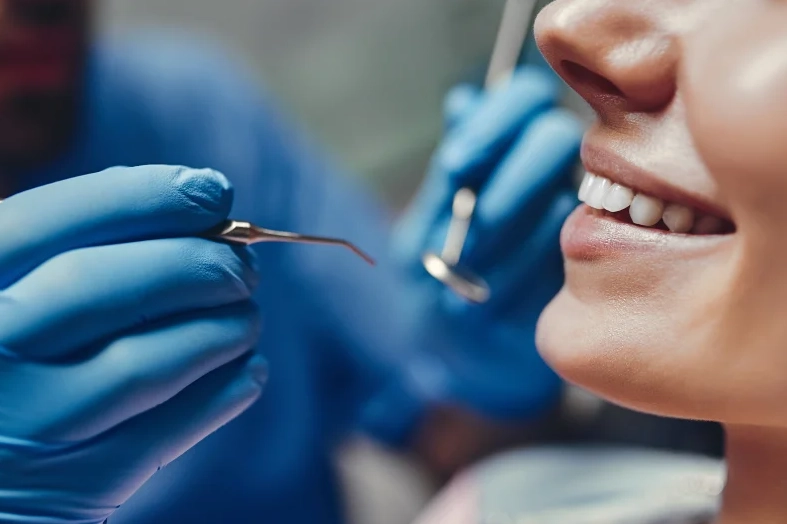
But that range is huge. Why the variation? It's not because dentists are slow or fast. The time depends entirely on you—your oral health history, the current state of your mouth, and the type of x-rays needed. I've seen appointments for routine maintenance breeze through in 45 minutes, while others with significant tartar buildup or a first-time full-mouth series stretch to two hours. Let's break down what actually happens during that time, so you can plan your day without guessing.
What You'll Find in This Guide
A Minute-by-Minute Breakdown of Your Appointment
Think of your appointment as a multi-act play. Here's the typical script, with realistic time allocations. This assumes you're a returning patient with a fairly standard checkup.
Check-in & Waiting Room 5-10 minutes
Dental X-Rays (Bitewings) 5-10 minutes
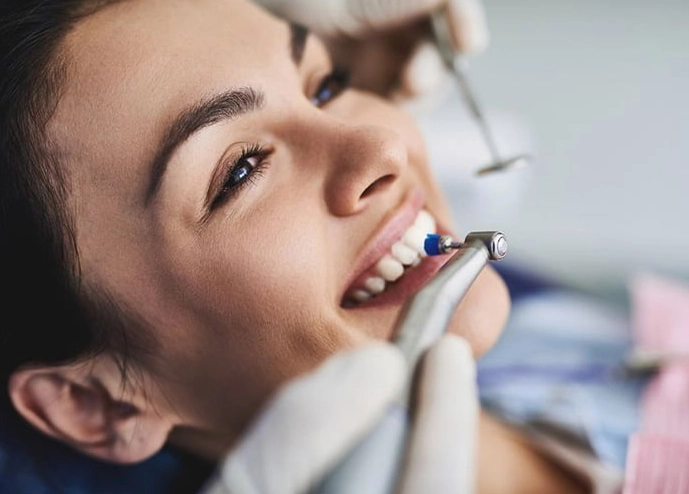
The Cleaning (Scaling & Polishing) 30-45 minutes
Dentist Examination & Consultation 5-10 minutes
Check-out & Next Appointment Scheduling 5 minutes
TOTAL ESTIMATED TIME 50-80 minutes
Now, let's zoom in on the two main events: the x-rays and the cleaning.
What Happens During the X-Ray Portion?
For most adults with healthy teeth and no new complaints, you'll get bitewing x-rays. These check for cavities between your teeth and bone levels. The hygienist will place a small sensor or film in your mouth, you bite down on a tab, and they step out to take the image. They usually do two on each side. The whole process is quick. If it's your first visit to a clinic or it's been many years, you might need a full-mouth series (about 18 images) or a panoramic x-ray (a single 360-degree image). These add 5-15 extra minutes.
A common mistake patients make? Not mentioning previous x-rays. If you're switching dentists, always have your old office send your recent x-rays ahead of time. This can sometimes eliminate the need for new ones entirely, saving you time and radiation exposure.
The Deep Dive: The Actual Cleaning Process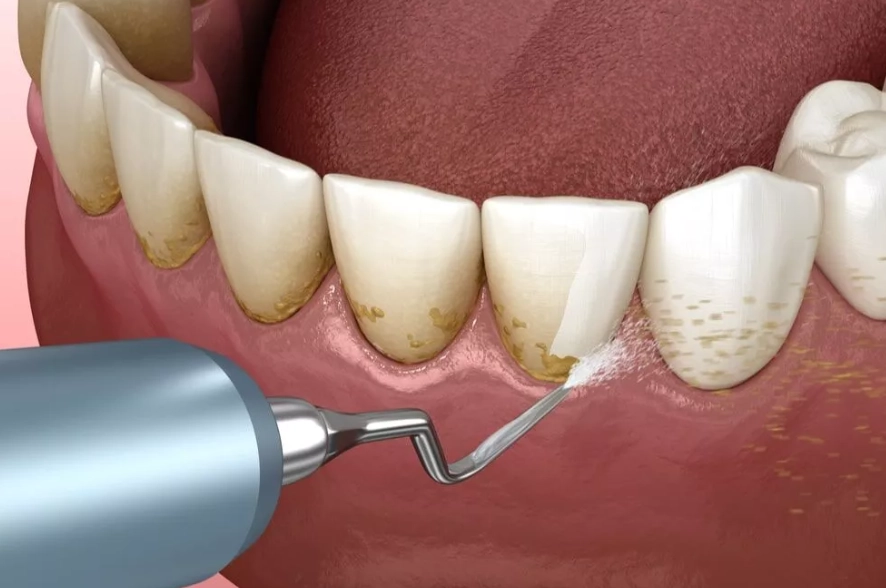
This is where the bulk of the time goes. The hygienist isn't just brushing your teeth. They're conducting a detailed cleaning and assessment.
- Scaling: Using hand instruments and/or an ultrasonic scaler, they remove plaque and tartar (calculus) from every tooth surface, especially below the gumline. The amount of tartar is the single biggest time variable. Light tartar might take 20 minutes; heavy buildup can take 45+.
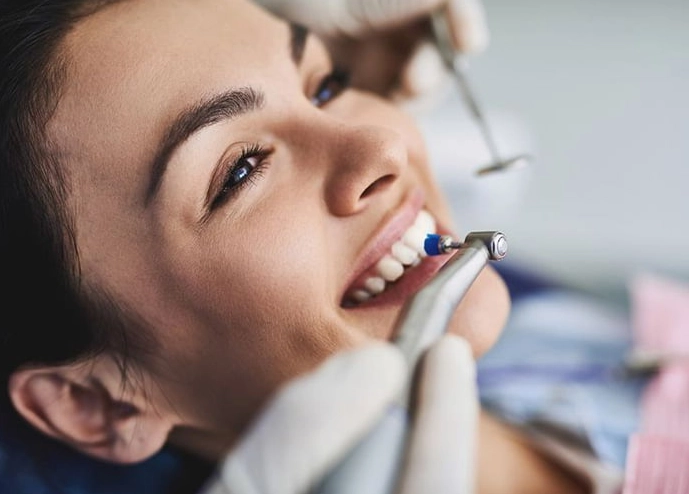
- Polishing: They use a gritty paste and a rotating brush to polish away surface stains. This is quick, maybe 5 minutes.
- Flossing & Fluoride: A thorough floss and, often, a fluoride treatment (varnish or gel applied for a minute) wrap up the hands-on cleaning.
What Really Makes Your Appointment Shorter or Longer?
Beyond the basic steps, several factors stretch or shrink the clock. It's rarely the dentist's schedule—it's your mouth's.
The #1 Time Factor: Tartar Buildup. Think of tartar as petrified plaque. It bonds to your teeth like barnacles on a ship. The more you have and the harder it is, the longer it takes to carefully chip away without damaging your enamel or gums. Someone who flosses daily might have almost none. Someone who hasn't been in 3 years will have a lot.
Other key factors include:
- Gum Health: If you have gingivitis or early periodontitis, the hygienist needs to spend extra time cleaning deeper periodontal pockets, which is more meticulous work.
- Your Anatomy: Crowded teeth, braces, bridges, or implants create more nooks and crannies to clean around, adding time.
- Your Sensitivity: If you have a low pain threshold or sensitive teeth, the hygienist will work more slowly and take breaks, which is a good thing for your comfort but extends the appointment.
- Findings on X-Rays: If the x-rays show a potential cavity or other issue, the dentist will spend more time examining that area and discussing it with you.
How to Prepare for a Smoother, Faster Visit
You can't control your tartar level on the day of, but you can control the efficiency of your visit. Here's what dental professionals wish every patient would do.
Before the Appointment:
- Brush AND floss thoroughly right before you go. This isn't to hide anything—it removes loose plaque, making it easier for the hygienist to see and scale the hardened tartar. It also makes the polishing step faster.
- Have your information ready. Know your insurance details, a list of medications, and any health changes since your last visit. Delays at check-in or during the medical history review add up.
- Mention your concerns upfront. When you schedule, say if you have severe anxiety, a strong gag reflex, or need to be out by a specific time. The office can often block extra time or prepare techniques to help.
During the Appointment:
- Ask questions strategically. It's great to ask questions, but save the longer discussions about cosmetic procedures or non-urgent concerns for after the cleaning, during the dentist consultation time. This keeps the hygienist on track.
- Communicate about discomfort. A quick raise of your hand is better than squirming in silence. The hygienist can adjust their technique or apply a numbing gel, preventing pauses later.
Corporate Clinic vs. Private Practice: Does It Affect Time?
This is a subtle point most blogs don't mention. There can be a difference in time pressure, though it's not a hard rule.
In a large corporate dental chain, hygienists may have very tightly booked schedules, sometimes seeing a patient every 45-60 minutes like clockwork. This can make the appointment feel rushed if you have above-average needs. The focus is often on efficiency and throughput.
In a private family practice, appointment blocks might be longer by default (e.g., 60-90 minutes for an adult cleaning with x-rays). The pace can feel more relaxed, and there's often more flexibility if an unexpected issue arises. The dentist-owner has more control over the schedule.
My advice? Don't assume one is better than the other. Instead, ask when you book: "How much time do you typically schedule for an adult cleaning with x-rays?" Their answer will tell you a lot.
Your Top Questions Answered (Beyond Just Time)
 The bottom line? Plan for a solid hour. Use the tips here to make that hour as efficient and comfortable as possible. Remember, the time invested in that chair is what keeps minor issues from becoming major, time-consuming (and expensive) procedures down the road. Your future self will thank you for not rushing it.