Let's be honest, a toothache can derail your entire life. That deep, throbbing pain makes it impossible to focus, sleep, or even think straight. If you're reading this, you've probably already reached for the ibuprofen bottle—or you're about to. Good move. For most common dental pain, ibuprofen isn't just a good choice; it's often the best over-the-counter choice. But here's the catch most people miss: using it correctly is the difference between temporary relief and effectively managing the problem until you can see a dentist. I've seen too many patients misuse it, turning a simple pain management strategy into a new problem. This guide will walk you through exactly how to use ibuprofen for a toothache, why it works so well, and the critical mistakes to avoid.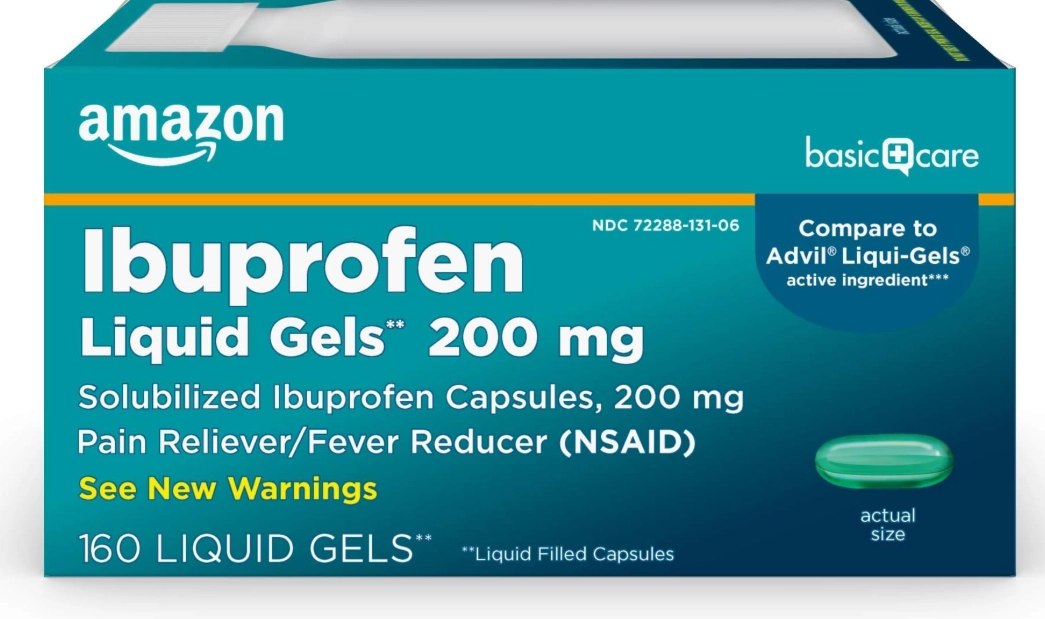
What You'll Find in This Guide
Why Ibuprofen is a Top Pick for Dental Pain
Most toothaches aren't just about the raw nerve signal. The real villain is inflammation. When you have a cavity reaching the nerve, a cracked tooth, or an abscess starting, your body sends a flood of inflammatory chemicals to the area. This swelling puts intense pressure on the nerve inside the hard walls of your tooth, causing that characteristic pounding agony.
Acetaminophen (Tylenol) just turns down the pain volume. Ibuprofen, as an NSAID (Non-Steroidal Anti-Inflammatory Drug), attacks the source: the inflammation itself. It's like addressing the fire instead of just silencing the smoke alarm.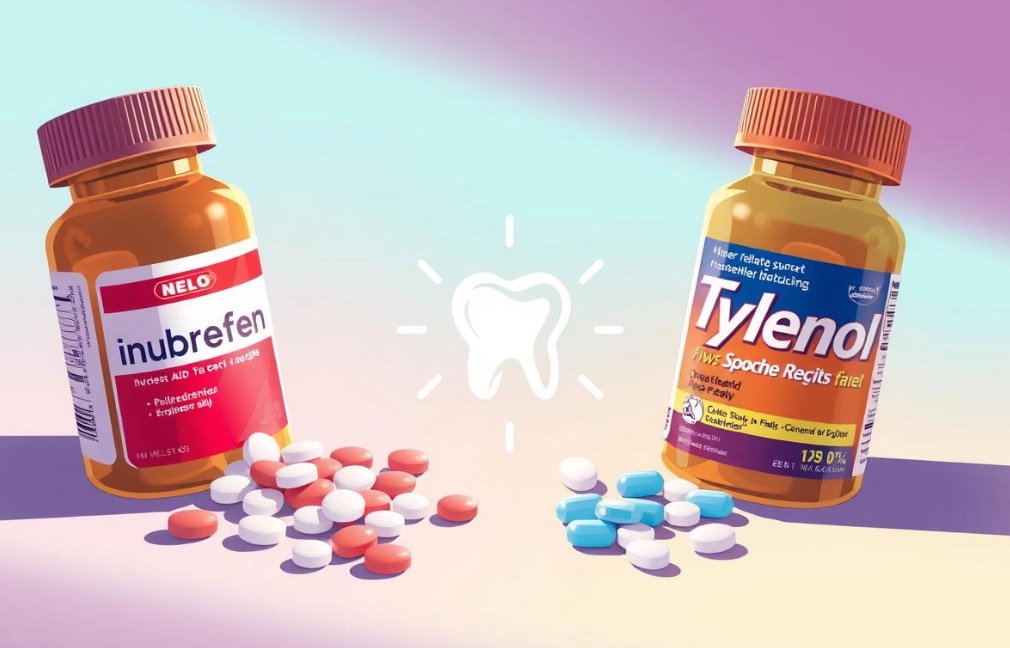
The Ibuprofen Advantage for Toothaches:
- Dual Action: Reduces both pain AND inflammation.
- Targeted Relief: Works directly at the site of dental tissue swelling.
- Proven Effectiveness: Studies, including those referenced by the American Dental Association, often recommend NSAIDs like ibuprofen as first-line for dental pain.
I remember a patient, Sarah, who had a severe flare-up from an old filling. She was taking acetaminophen around the clock with little effect. Switching to a proper schedule of ibuprofen didn't just dull the pain—it reduced the swelling enough for her to comfortably make it to her appointment two days later. The difference was night and day.
How to Take Ibuprofen Correctly for a Toothache
Popping a pill when the pain hits a 10 is a reactive strategy. For dental pain, you need to be proactive. The goal is to maintain a steady level of the medication in your system to keep inflammation and pain in check.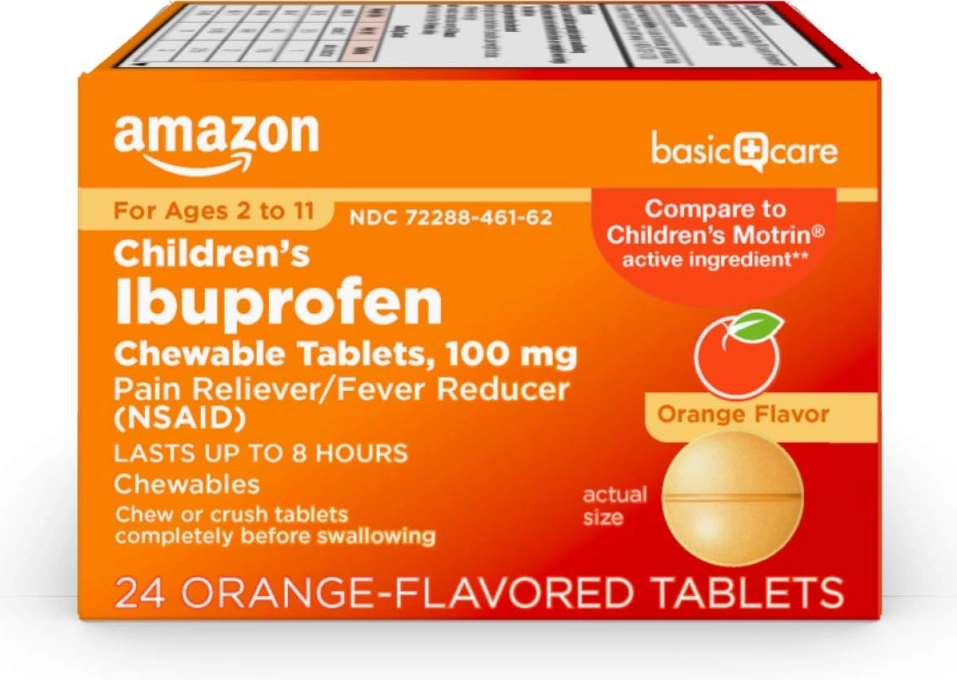
Dosage and Timing: The Gold Standard Protocol
Always start by reading the label on your specific product. The standard adult dose for pain is 200mg to 400mg every 4 to 6 hours as needed. The maximum daily limit is usually 1200mg for over-the-counter use, but a doctor might prescribe higher doses for short periods.
Here's the pro tip most blogs won't tell you: Don't wait for the pain to return fully. If you're in significant pain, take the first dose. Set a timer for 6 hours (or 4 if the pain is severe and you're using 200mg). Take the next dose before the pain peaks again. This "preemptive" approach is far more effective at managing the inflammatory cycle than chasing the pain.
Should You Take It With Food?
This is a classic trade-off. Ibuprofen can irritate the stomach lining. Taking it with a small snack or meal can buffer that effect. However, food can slow down its absorption by 30-60 minutes.
My practical advice? If you're in excruciating pain and need relief fast, take it with a full glass of water on an empty stomach for fastest absorption. But only do this once or twice. For subsequent doses, have a few crackers, a banana, or a piece of toast with it. If you have a history of stomach issues, always take it with food.
Ibuprofen vs. Other Pain Relievers: A Clear Comparison
Your medicine cabinet has options. Here’s how they stack up specifically for toothache duty.
| Medication (Brand Examples) | Best For This Type of Toothache | Key Limitation for Dental Pain | Personal Take |
|---|---|---|---|
| Ibuprofen (Advil, Motrin) | Throbbing, pounding pain with swelling (from cavities, cracks, post-procedure). | Stomach irritation risk. Doesn't work well for pure nerve pain without inflammation. | My first recommendation in 7 out of 10 cases. The anti-inflammatory action is a game-changer. |
| Acetaminophen (Tylenol) | Dull, constant ache or sensitivity to hot/cold. Safer for those with stomach issues. | Does nothing to reduce inflammation, the core driver of most toothaches. | Useful as a partner to ibuprofen (see below) or if you can't take NSAIDs. Alone, it often falls short. |
| Naproxen Sodium (Aleve) | Long-lasting pain (it works for 8-12 hours). Good for nighttime or workday relief. | Slower to start working (can take 1-2 hours). Higher risk of stomach and cardiovascular side effects with long-term use. | Great for "set it and forget it" relief if you know your pain is persistent. Not my first pick for rapid, acute flare-ups. |
| Aspirin | Historical use, but not recommended. | Anti-inflammatory effect is weaker. Major bleeding risk, especially if a dental procedure is needed. | Avoid it for toothaches. The bleeding risk isn't worth it when better options exist. |
What about the "Ibuprofen and Tylenol Alternating" hack? It's legit. For severe pain, some dentists recommend alternating doses of ibuprofen (400mg) and acetaminophen (500mg) every 3 hours. This targets pain through two different pathways. However, this requires meticulous timing and note-keeping to avoid overdose. It's an advanced tactic—use it only after consulting a pharmacist or dentist, and never exceed the daily maximum of either drug.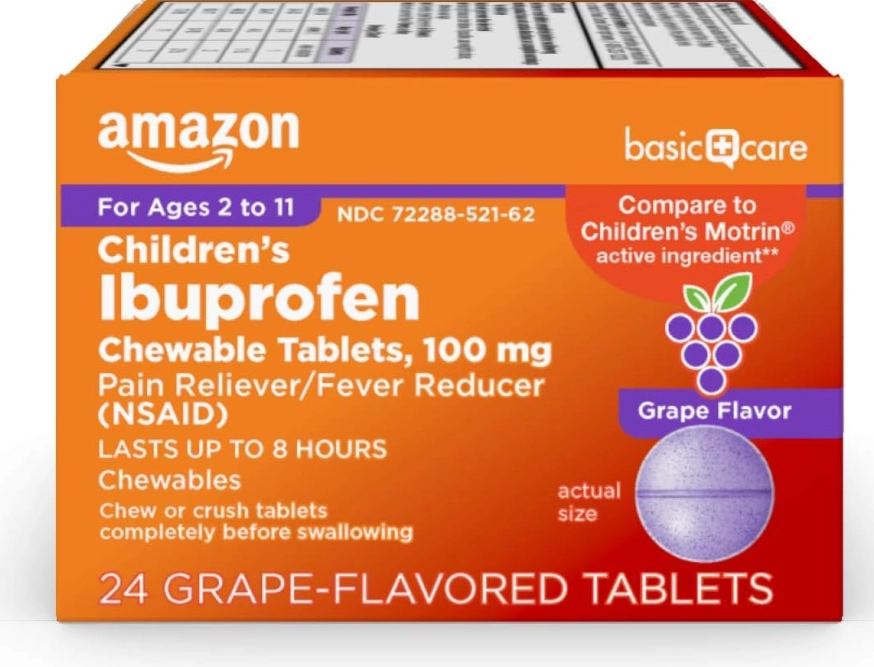
Crucial Safety Warnings Most People Ignore
The #1 Rule: Ibuprofen is a bridge, not a solution. It manages symptoms so you can function and seek professional care. Using it for more than 2-3 days for a toothache without seeing a dentist is like turning off the "check engine" light and continuing to drive. You're ignoring a serious underlying problem (infection, decay, fracture) that will only get worse and more expensive.
Beyond that, here are the specific pitfalls I see all the time:
- Kidney Strain: Ibuprofen is processed by your kidneys. Taking it while dehydrated (common when pain makes drinking unpleasant) is asking for trouble. Drink plenty of water.
- Blood Pressure Interaction: If you're on medication for high blood pressure, talk to your doctor. Some NSAIDs can reduce the effectiveness of these drugs.
- Mixing with Other NSAIDs: Never take ibuprofen with naproxen, aspirin, or prescription NSAIDs like celecoxib. You're doubling up on the same class of drug, skyrocketing your risk of side effects.
- The Alcohol Trap: Combining ibuprofen and alcohol significantly increases your risk of stomach bleeding. Just don't do it.
If you have a history of ulcers, kidney disease, heart disease, or are pregnant, the calculus changes completely. The U.S. Food and Drug Administration (FDA) has specific warnings about NSAID use in these populations. In these cases, call your doctor or dentist before taking anything.
Your Step-by-Step Toothache Action Plan
Let's make this actionable. Here's what to do right now.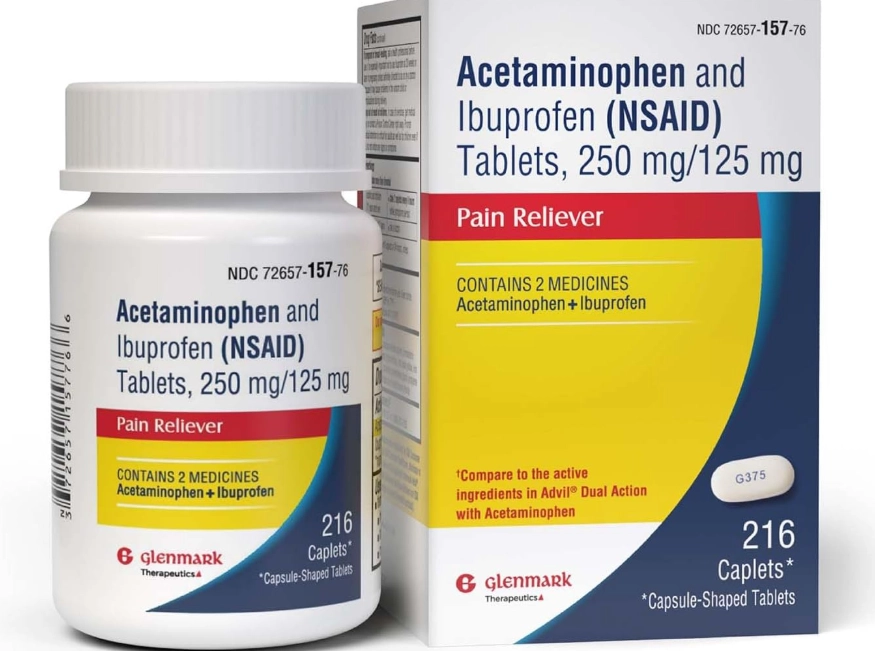
For Mild to Moderate Pain (You can tolerate it, but it's annoying):
- Take 200-400mg of ibuprofen with a small snack and a full glass of water.
- Gently floss around the painful tooth. Sometimes impacted food is the culprit.
- Rinse with warm salt water (1 tsp salt in 8 oz warm water) to soothe gums and dislodge debris.
- Call your dentist to schedule an appointment within the next few days.
For Severe, Throbbing Pain (Interfering with sleep/life):
- Take 400mg of ibuprofen with water (food if possible).
- Apply a cold pack to the outside of your cheek for 15-minute intervals.
- Avoid extreme temperatures in food/drink and chewing on that side.
- Call your dentist immediately. Describe the pain as "severe and throbbing." Most practices have protocols for emergency slots.
Red Flags – Go to an Emergency Dentist or ER: If you have fever, facial swelling, difficulty breathing or swallowing, or the pain is utterly unbearable even after taking medication, this indicates a spreading infection. Do not wait.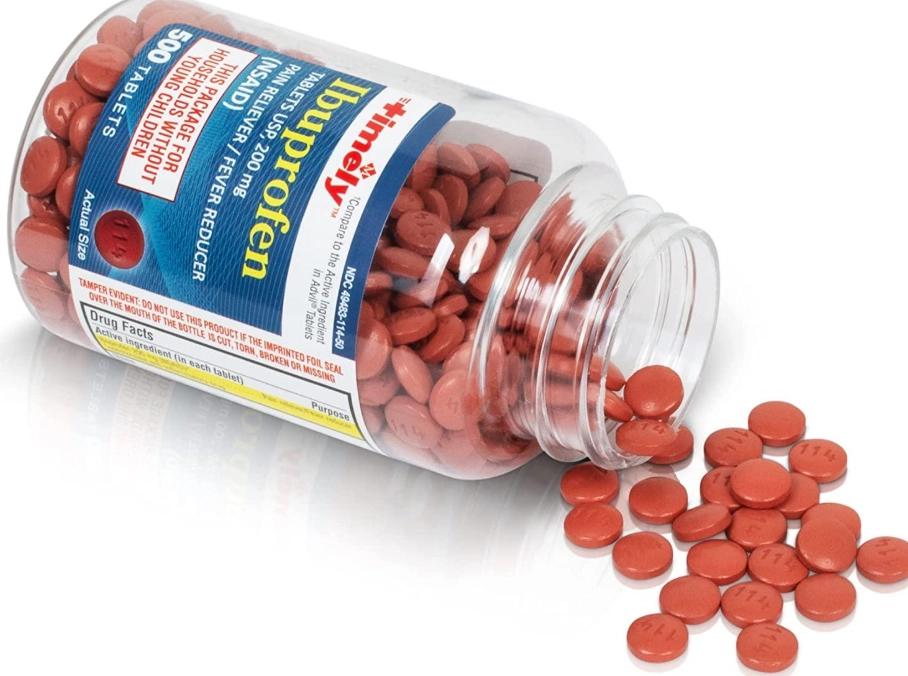
Expert Answers to Your Pressing Questions
 Can I take ibuprofen with the antibiotic my dentist prescribed for my tooth infection?
Using ibuprofen wisely for a toothache is about understanding its power and its limits. It's an incredibly effective tool in your self-care kit, but it's just one tool. The real fix always happens in the dentist's chair. Don't let temporary relief trick you into a permanent problem. Manage the pain smartly, and make that appointment your top priority.