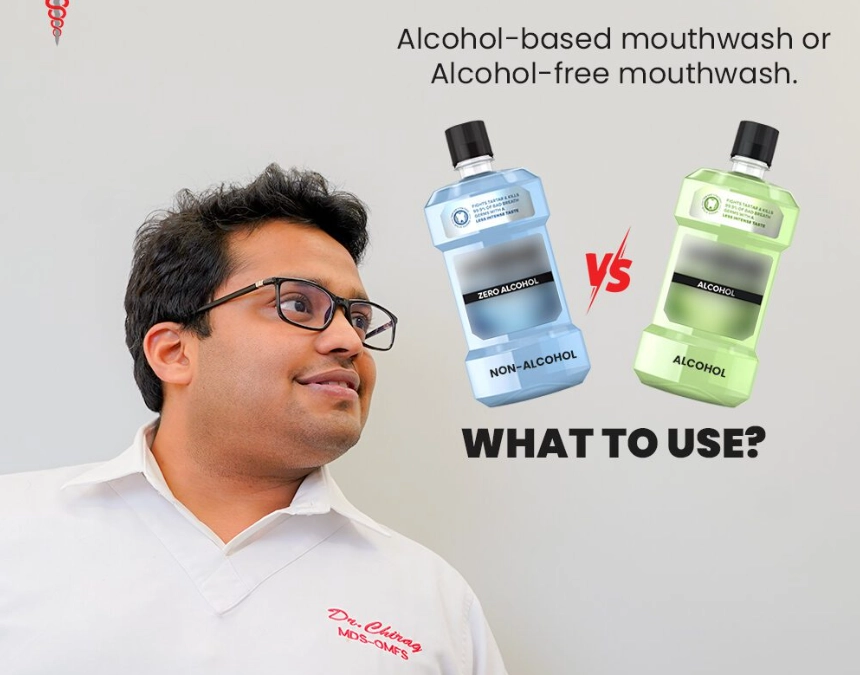
Let's cut right to the chase. Is alcohol-free mouthwash bad for you? In the vast majority of cases, no, it is not inherently bad. For most people, switching from an alcohol-based rinse to an alcohol-free one is a neutral or even beneficial move. But—and this is a big but—the answer isn't a simple yes or no. It hinges entirely on what's in the bottle you're buying and why you're using it. The real danger lies in choosing the wrong product for your specific needs or falling for clever marketing that hides problematic ingredients behind a "natural" or "alcohol-free" label.
I've spent over a decade in dental consulting, reviewing product formulations and seeing the outcomes in patients' mouths. The shift away from alcohol has been positive overall, but it's opened the door to new misconceptions. People assume "alcohol-free" automatically means "gentle and perfect," which can lead to disappointing results or, in rare cases, unintended side effects if you're not careful.
What You'll Discover in This Guide
What Exactly Is Alcohol-Free Mouthwash?
An alcohol-free mouthwash is simply a oral rinse that doesn't use ethanol or similar alcohols (like isopropyl alcohol) as a primary antiseptic or solvent. Instead of relying on alcohol's burning sensation to signal "clean," these formulas use other active ingredients to fight bacteria, reduce plaque, freshen breath, and deliver fluoride.
The base is usually water, humectants like glycerin or propylene glycol (to keep it from drying out), flavorings, and antimicrobial agents. The key is to look at the active ingredients listed on the back. That's where the real work happens.
The Core Debate: Alcohol vs. Alcohol-Free
Let's break down the classic comparison. This isn't about good vs. evil; it's about tool A vs. tool B.
| Feature | Traditional Alcohol-Based Mouthwash | Alcohol-Free Mouthwash |
|---|---|---|
| Primary Antimicrobial Agent | High concentrations of ethanol (often 18-26%). | Cetylpyridinium chloride (CPC), essential oils (eucalyptol, thymol), chlorhexidine (prescription), or fluoride systems. |
| Feeling in the Mouth | Intense burning, dryness, potential for tissue irritation. | Generally milder, less burning. Can still be minty or tingling. |
| Effect on Dry Mouth (Xerostomia) | Can significantly worsen dryness by disrupting saliva. | Typically much better, often formulated with moisturizing agents. A top choice for dry mouth sufferers. |
| Bad Breath Fight | Good short-term mask, but alcohol can dry tissues, potentially leading to worse breath long-term. | Targets odor-causing bacteria without the drying effect, often providing longer-lasting freshness. |
| Concerns & Drawbacks | Linked to oral tissue irritation, debated link to oral cancer (though evidence is inconclusive), not suitable for children or recovering alcoholics. | Some formulas use high acidity for flavor, which can soften enamel. Others may contain harsh detergents (SLS) or allergens. Efficacy varies widely by active ingredient. |
The American Dental Association (ADA) grants its Seal of Acceptance to both alcohol-containing and alcohol-free mouthwashes that meet specific criteria for safety and efficacy. The presence or absence of alcohol itself isn't the qualifying factor.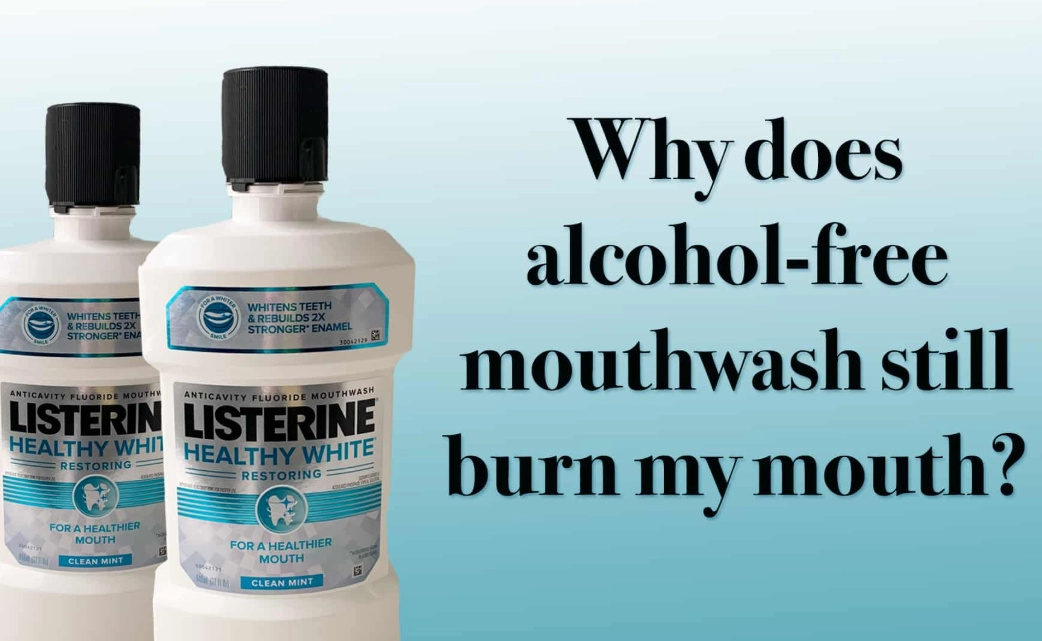
The Potential "Bad" Sides of Alcohol-Free Mouthwash
This is where most articles stop. They say "alcohol-free is better" and call it a day. But as a consultant, I see three specific scenarios where an alcohol-free mouthwash could be considered "bad" or problematic.
1. The pH Problem and Hidden Acidity
Here's a nuance most people miss. To make a mouthwash taste refreshing without the burn of alcohol, some manufacturers crank up the acidity. A low pH (acidic) flavor profile gives that bright, tangy zing. The problem? Acids temporarily soften tooth enamel. If you brush immediately after using a highly acidic rinse, you could be brushing away softened enamel.
I've seen pH strips used on popular brands, and some "gentle" alcohol-free ones shockingly dip below pH 4. That's in the range of some sodas. Always wait at least 30 minutes after using any mouthwash before brushing.
2. Ineffective Formulations & The "Feel-Good" Trap
Not all antimicrobial agents are created equal. Some very mild, "natural" alcohol-free rinses might do little more than flavor your water. If you're using a mouthwash to control gingivitis and you choose one based solely on the "alcohol-free" label without checking for a proven active ingredient like CPC or essential oils, you might be getting zero therapeutic benefit. You're just spending money for a false sense of security.
3. Problematic Replacement Ingredients
Removing alcohol sometimes means adding other things that can cause issues for sensitive individuals.
- Sodium Lauryl Sulfate (SLS): This foaming detergent is common in toothpaste and some mouthwashes. It's a known irritant for people prone to canker sores.
- Chlorhexidine (Prescription): A powerful alcohol-free antimicrobial. It's great short-term but can cause significant tooth staining and taste alteration with prolonged use.
- Certain Essential Oils or Flavors: Can cause allergic reactions or irritation in some people.
My Take: The biggest risk with alcohol-free mouthwash isn't toxicity; it's choosing a product that doesn't align with your oral health goals. Using a cavity-prevention rinse when you really need gum disease control is a wasted effort.
How to Choose the Right Alcohol-Free Mouthwash
Stop browsing by the front label. Turn the bottle around. Your decision should be a targeted one.
For Cavity Prevention: Look for fluoride (stannous fluoride or sodium fluoride) as the active ingredient. This is non-negotiable if strengthening enamel is your goal. The ADA Seal is a reliable indicator here.
For Gingivitis & Plaque Control: Seek out cetylpyridinium chloride (CPC) or an essential oil formula (like eucalyptol, menthol, thymol). Studies published in the Journal of the American Dental Association show these are effective against plaque-forming bacteria. Listerine Zero (alcohol-free) is a classic example of an essential oil formula.
For Chronic Dry Mouth: You need a rinse specifically formulated for dry mouth, often containing moisturizers like xylitol or electrolytes. Avoid anything with alcohol and be wary of high acidity. Brands like Biotène or ACT Dry Mouth are built for this.
For Sensitive Mouths (Canker Sore Prone): Scrutinize the inactive ingredients. Avoid SLS (Sodium Lauryl Sulfate). Look for bland, soothing formulas. Sometimes a simple fluoride rinse with no extra frills is best.
Think of it like this: you wouldn't use a screwdriver to hammer a nail. Match the tool (mouthwash active ingredient) to the job (your specific oral health need).
Your Top Questions, Answered
 Why does my alcohol-free mouthwash still burn a little?