Quick Navigation
- What Does the Pain Actually Feel Like? Breaking Down the Sensations
- What Makes a Filling More or Less Uncomfortable? The Key Factors
- Your Pain Management Toolkit: It's Not Just About the Needle
- A Step-by-Step Walkthrough: What Actually Happens During a Filling
- After the Numbing Wears Off: The Real Recovery
- Your Top Questions, Answered Honestly
- The Big Picture: Avoiding the Whole Issue
Okay, let's cut right to the chase. You're probably sitting there, maybe poking your tongue at that little dark spot on your molar, and the big question screaming in your head is: is filling a tooth painful? The thought of the drill, the needles... it's enough to make anyone want to cancel that dentist appointment and just live with the occasional twinge.
I get it. Completely. I've been in that chair more times than I'd like to admit. The fluorescent lights, the distinct smell of a dental clinic, that feeling of vulnerability. It's not most people's idea of a good time.
But here's the thing I've learned from talking to my own dentist (and from my own experiences, both good and not-so-good): the answer to "is getting a filling painful" isn't a simple yes or no. It's a "it depends, but it really, really shouldn't be." Modern dentistry has gotten incredibly good at making this common procedure manageable. The goal isn't to endure pain; it's to eliminate it.
So, let's walk through this together. We'll talk about what actually happens, where any discomfort might come from, and all the tricks and techniques that exist to make sure your visit is a breeze. Consider this your behind-the-scenes pass to demystify the whole process.
The Short Answer: With proper local anesthesia (the numbing shot), you should feel no pain during the procedure itself. You'll feel pressure, vibration, and odd sensations, but not sharp pain. The idea of a painful filling is, thankfully, mostly outdated.
What Does the Pain Actually Feel Like? Breaking Down the Sensations
When people worry, "is filling a cavity painful," they're often imagining the worst-case scenario from an old movie. The reality is far less dramatic. Any sensation you feel usually falls into one of these categories:
- The Prick or Pinch: This is the local anesthetic needle. It's quick—a couple of seconds at most. Many dentists now use a topical gel first to numb the gum surface, so you often just feel a weird pressure rather than a sharp sting. It's not fun, but it's over in a flash.
- Pressure and Vibration: This is the main event. Once you're numb, the dentist uses various tools. You'll feel pushing, the buzz of the drill (which is more of a high-pitched whir these days), and the pressure of instruments shaping the tooth. It's strange, but it shouldn't hurt. If it does, you raise your hand immediately, and they add more numbing agent. It's that simple.
- Water and Air: They use a lot of water to cool the tooth and a little suction hose to keep your mouth dry. The air spray can feel cold. It's just... wet and noisy.
- Post-Procedure Tingling and Sensitivity: After the numbness wears off (usually in 1-4 hours), the tooth might feel a bit tender, sensitive to hot or cold, or just "aware" of itself. This is normal and fades over a few days to a couple of weeks as the tooth settles.
I remember one filling where I was so anxious I barely felt the needle. My mind was racing a mile a minute, and then... nothing. Just weird vibrations. The anticipation was a hundred times worse than the actual thing.
What Makes a Filling More or Less Uncomfortable? The Key Factors
Not all fillings are created equal. Several factors influence your experience, which is why one person might say "it was nothing!" and another might have a less smooth story. Understanding these helps manage expectations.
| Factor | Why It Matters | What You Can Do |
|---|---|---|
| Cavity Depth & Location | A small, shallow cavity on the biting surface is a quick fix. A deep cavity near the nerve (pulp) requires more work and is closer to sensitive areas. A cavity between teeth or near the gumline can be trickier to access. | Go for regular check-ups! Early detection means simpler, faster, less invasive treatment. |
| Your Dentist's Technique & Technology | This is a huge one. A gentle, communicative dentist who uses modern equipment (like quieter drills, intraoral cameras) makes a world of difference. Some use dental lasers for certain cavities, which can be vibration-free. | Choose your dentist carefully. Read reviews, ask about their approach to patient comfort. |
| Your Own Anatomy & Anxiety Level | Some people have more sensitive teeth or gums. More importantly, dental anxiety can heighten every sensation and make the experience feel traumatic, even if physically it was mild. | Discuss anxiety with your dentist. They can offer solutions like sedation options or simply more explanation. |
| Type of Filling Material | Composite (tooth-colored) resin requires the tooth surface to be etched with a mild acid and cured with a blue light. Some report a slight sensitivity during this process, though it's usually minimal. Amalgam (silver) fillings are packed in, which can involve more pressure. | Discuss material pros and cons with your dentist. Composite is standard now for its look and bonding strength. |
See? It's not just a random event. A lot of it is under your control, especially the "going early" and "choosing a good dentist" parts. I learned that the hard way after putting off a cavity until it became a root canal. Trust me, a small filling is a walk in the park compared to that.
Your Pain Management Toolkit: It's Not Just About the Needle
Modern dentistry has a whole arsenal to make sure the answer to "is a tooth filling painful" is a resounding "no." It goes way beyond the basic numbing shot.
The Gold Standard: Local Anesthesia
This is your main defender. A local anesthetic (like lidocaine) blocks the nerve signals from your tooth. The injection is the only potentially uncomfortable part, and even that is managed.
- Topical Numbing Gel: Applied with a cotton swab to your gum for 1-2 minutes before the shot. It numbs the surface, making the needle pinch much less noticeable.
- Slow, Gentle Injection: A good dentist injects the anesthetic slowly, which dramatically reduces the stinging sensation. They might also use a computerized delivery system that controls the flow rate perfectly.
- Different Formulations: Some anesthetics work faster or last longer. Your dentist chooses based on the procedure.
If you feel any sharp pain during the drilling, it means you're not fully numb. This is not a time to be brave! Just raise your left hand (the universal dental signal for "stop"), and they will stop immediately and give you more anesthetic. No questions asked. This is a non-negotiable right you have in the chair.
Beyond Numbing: Comfort and Sedation Options
For those with severe anxiety or for longer procedures, there are other layers of comfort.
Nitrous Oxide (Laughing Gas): You breathe it in through a nose mask. It creates a feeling of relaxation and detachment. You're awake and can respond, but you just don't care as much about what's happening. It wears off quickly after they give you pure oxygen. I tried this once for a wisdom tooth extraction, and it made the whole experience feel like a weird, floaty dream. Highly recommend for the anxious folks.
- Oral Sedation: Taking a prescribed pill (like Valium) about an hour before your appointment. You'll be deeply relaxed, maybe even sleepy, but still conscious. You'll need someone to drive you home.
- Noise-Canceling Headphones & Entertainment: A simple but brilliant distraction. Pop in your earbuds, listen to a podcast or music, and close your eyes. It blocks the sound of the drill, which is a major anxiety trigger for many.
The point is, you have options. You're not just a passive recipient. A good dental team wants you to be comfortable and will work with you to find the right combination.
A Step-by-Step Walkthrough: What Actually Happens During a Filling
Fear of the unknown is a big deal. Let's remove that. Here's a detailed, no-surprises breakdown of a typical composite filling procedure. Knowing what's coming next takes away a lot of the power from the anxiety.
- Prep and Numbing: The dentist examines the tooth, maybe shows you the cavity on an intraoral camera (a tiny camera that shows the tooth on a screen—it's fascinating). They apply the topical gel, wait, then administer the local anesthetic. They wait several minutes for it to take full effect.
- Isolation: They place a rubber dam (a small sheet of latex or latex-free material) over the tooth to keep it perfectly dry and clean. Some dentists use other isolation techniques. This step is crucial for a long-lasting filling but can feel a bit odd.
- Removing Decay: Using a drill or laser, the dentist removes all the decayed tooth structure. This is where you feel pressure and vibration but no pain. They'll test the area to ensure all decay is gone.
- Prepping the Tooth: The tooth is cleaned and then etched with a mild acidic gel to create microscopic pores for the filling material to bond to. It's rinsed off thoroughly.
- Bonding and Filling: A liquid bonding agent is applied and cured with a bright blue light. Then, the dentist places the tooth-colored composite resin in layers, shaping it to match your tooth's natural contours. Each layer is hardened with the blue light.
- Shaping and Polishing: Once the filling is built up, the dentist checks your bite using a special carbon paper. They adjust the filling so it feels perfectly natural when you chew. Finally, they polish it to a smooth, shiny finish.
The whole thing, for a single standard filling, often takes 20 to 45 minutes. Most of that time is meticulous work, not drilling.
So, reflecting on the process, is filling a tooth painful? When you see it broken down like this, the moments of potential discomfort are incredibly brief and well-managed. The bulk of the time is just... waiting for things to set or feeling harmless vibrations.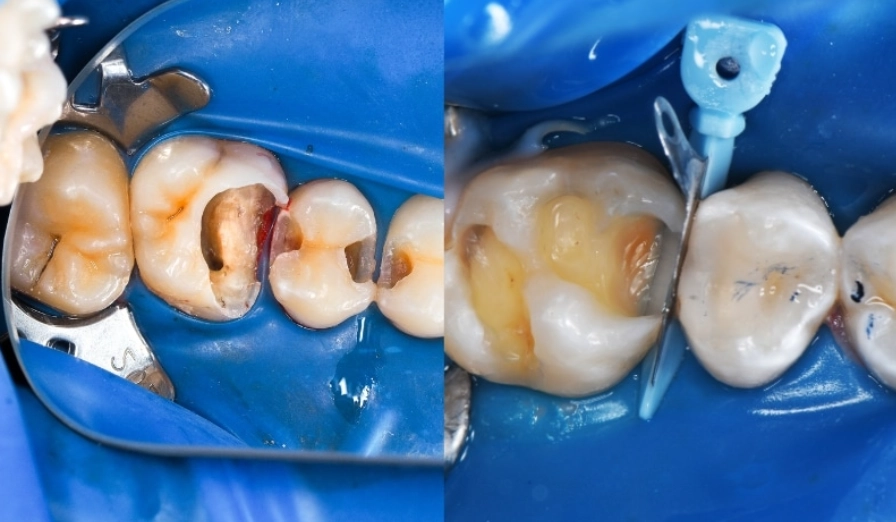
After the Numbing Wears Off: The Real Recovery
Okay, you're done. The numbness is starting to fade. What now? This is where many people get surprised, because the procedure wasn't bad, but then the tooth feels weird.
- Initial Sensitivity: It's very common to have some sensitivity to hot, cold, or pressure for a few days to a couple of weeks. The tooth has been through a lot! The nerve inside is just a bit irritated. It should gradually improve.
- Bite Feels "Off": If your bite feels high or strange when you chew, call your dentist. This is usually a simple, quick adjustment they can make. Don't wait for it to fix itself.
- Gum Soreness: The area where the anesthetic was injected or where the rubber dam clamp rested might feel tender for a day or two.
Red Flags vs. Normal Healing: Mild, fading sensitivity is normal. A severe, throbbing, persistent pain that wakes you up at night or isn't helped by over-the-counter pain relievers is NOT normal. This could indicate a problem like the filling being too high, an allergic reaction (rare), or that the pulp was irreversibly inflamed and needs further treatment (like a root canal). Contact your dentist immediately if you experience severe pain.
Your Top Questions, Answered Honestly
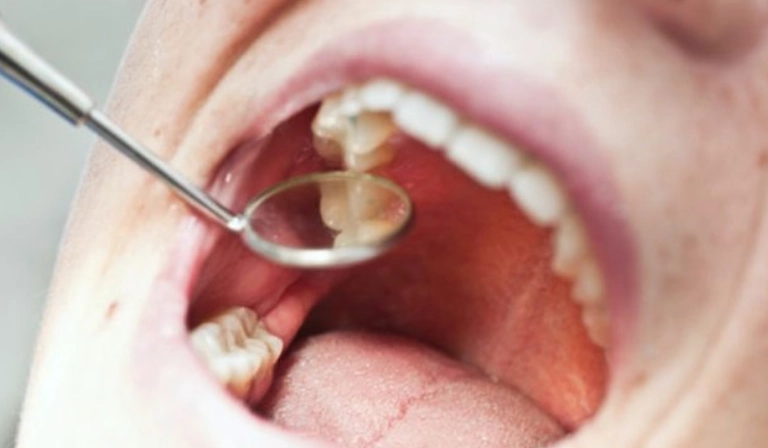
The Big Picture: Avoiding the Whole Issue
The best way to never worry about whether is filling a cavity painful is to avoid cavities in the first place. It sounds obvious, but it's worth repeating.
- Floss. Every. Day. Seriously. Most cavities start between teeth where your brush can't reach. I was a floss-skipper for years, and my dental bills reflect that. Now it's non-negotiable.
- Use fluoride toothpaste. Fluoride strengthens enamel.
- Limit sugary and acidic drinks and snacks. They fuel the bacteria that cause decay.
- Get regular check-ups and cleanings. A small cavity caught early means a smaller, simpler, cheaper, and more comfortable filling. The National Institute of Dental and Craniofacial Research has great resources on cavity prevention.
Look, I'm not a dentist. I'm just someone who has spent a lot of time in the dental chair and has asked a lot of questions. The culture in dentistry has shifted massively towards patient comfort. It's not the medieval torture chamber some of us imagine.
The final, honest take? The most painful part of getting a filling is often the worrying about it beforehand. The procedure itself, in the hands of a caring professional using modern techniques, is designed to be a pain-free repair job. You might feel some odd and unfamiliar sensations, but sharp, unbearable pain is a sign something is wrong and needs to be addressed right away.
So if you're putting off that appointment because you're scared to find out is filling a tooth painful, please just go. Talk to your dentist about your fears. The relief of fixing the problem, and the realization that it wasn't nearly as bad as you'd built it up to be, is one of the best feelings. Your future self, with a healthy, pain-free mouth, will thank you.
And if you have a dentist who dismisses your concerns about pain, find a new one. Life is too short for bad dental care. There are fantastic, gentle providers out there who will partner with you to make your visit a positive one. For more insights on what to expect and how to communicate with your dental team, reputable patient guides like those from the Mayo Clinic can be very helpful.