You're enjoying a meal, or maybe just sitting quietly, when it hits. A sharp zing. A dull throb. A constant ache that makes it impossible to think about anything else. Tooth pain is more than an annoyance; it's your body's alarm system screaming that something's wrong inside your mouth.
Most people immediately think "cavity," and they're often right. But in my practice, I see patients every week who are shocked to learn their agony is coming from something else entirely—a problem they've been brushing right over or a habit they didn't know was harmful. Understanding the real cause is the first and most critical step to making the pain stop and protecting your tooth.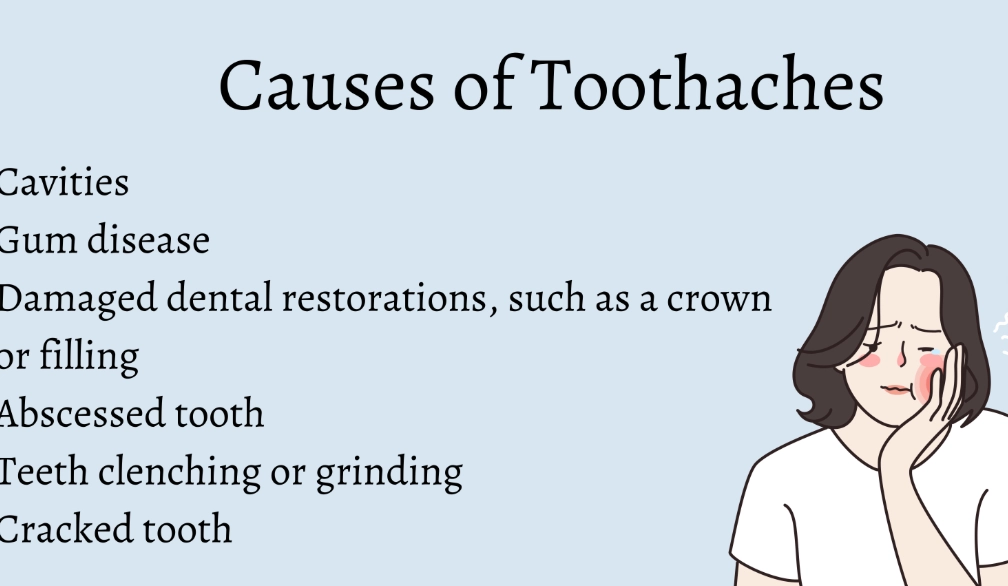
Your Quick Guide to Toothache Causes
The Most Common Culprits Behind Tooth Pain
Let's start with the usual suspects. These are the conditions I diagnose most frequently in patients complaining of a toothache.
Dental Caries (Tooth Decay)
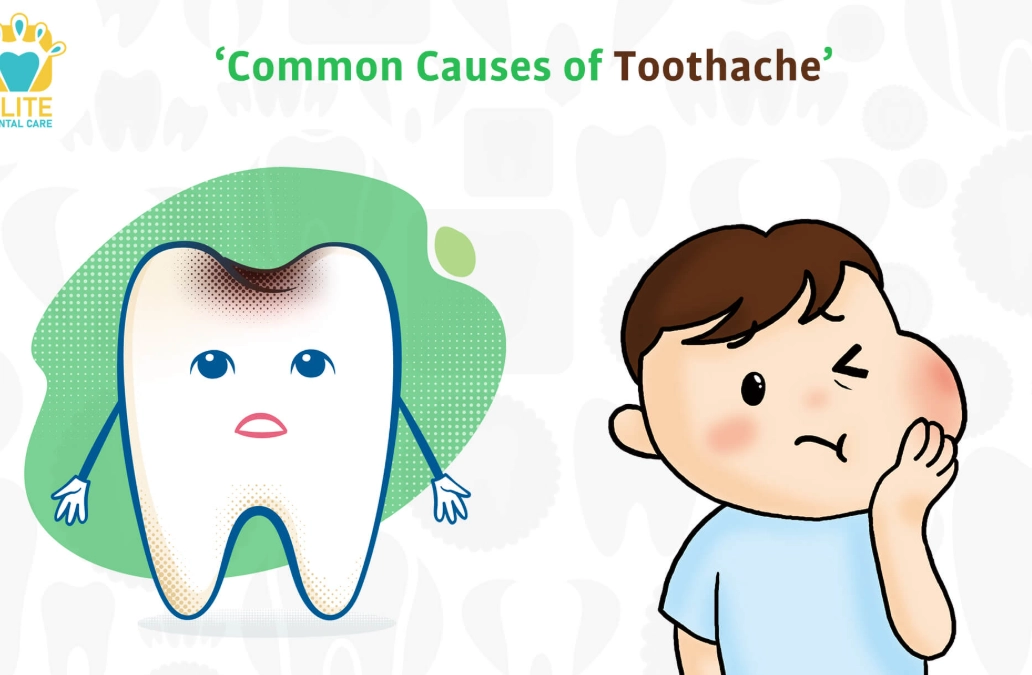
This is the classic. Bacteria in plaque produce acids that eat through your tooth's hard enamel, creating a cavity. The early stages are often silent. The pain starts when the decay reaches the dentin, the softer layer beneath the enamel, and especially when it invades the pulp—the living core of the tooth containing nerves and blood vessels.
Here's a subtle mistake many make: they assume a small, painless spot is nothing. But decay is an active infection. It doesn't heal on its own. That tiny spot can tunnel deep inside, causing massive damage to the internal structure long before you feel a twinge. By the time it hurts, you often need a root canal, not just a simple filling.
Pulpitis (Inflamed Tooth Nerve)
Think of this as the tooth's nerve having a severe tantrum. Reversible pulpitis means the nerve is irritated but can calm down if the source (like decay) is removed. The pain is usually triggered by hot, cold, or sweet things and goes away quickly.
Irreversible pulpitis is the dental emergency. The nerve is dying. The pain is spontaneous, severe, throbbing, and often worse when lying down. It can last for minutes to hours. A common sign is lingering pain long after the hot or cold stimulus is gone. This tooth needs a root canal to remove the infected pulp.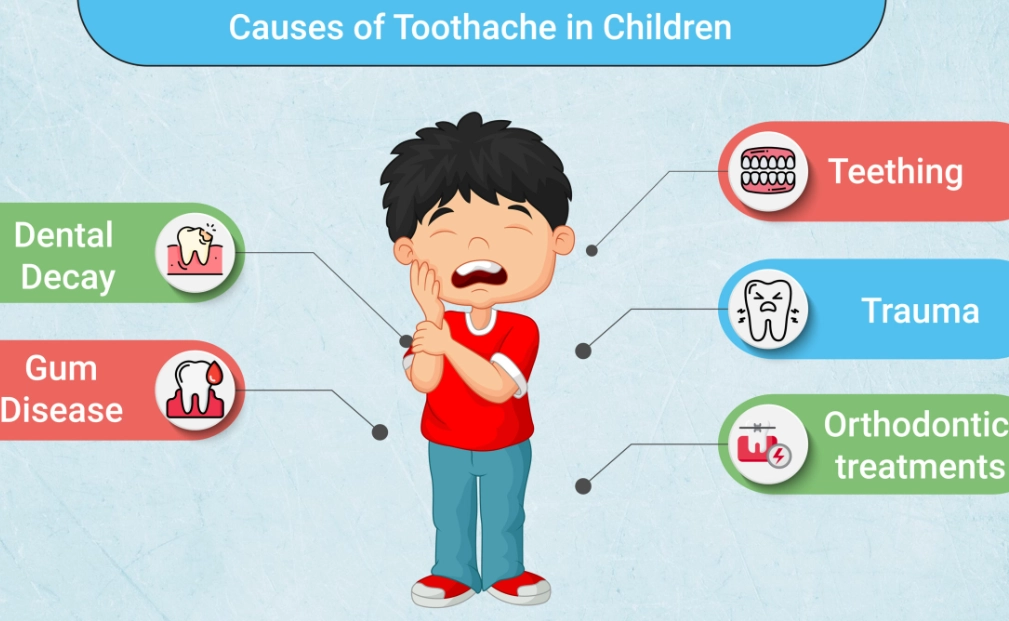
Dental Abscess
This is an infection that has gone nuclear. A periapical abscess forms at the tip of the root when bacteria from the dead pulp leak out. A periodontal abscess forms in the gums next to the root. Both create a pocket of pus.
Gum Disease (Periodontitis)
People rarely connect gum disease with a toothache, but advanced periodontitis destroys the bone and ligaments holding your tooth in place. As the support system fails, teeth can become loose and sensitive. The pain is often a deep, dull ache or soreness in the gums around multiple teeth, and it might feel like the teeth themselves hurt. Food packing into the newly formed gaps between teeth and gums can cause sharp, localized pain.
Beyond the Obvious: Less Common but Serious Causes
Not every toothache originates in the tooth. Sometimes, the tooth is just the messenger.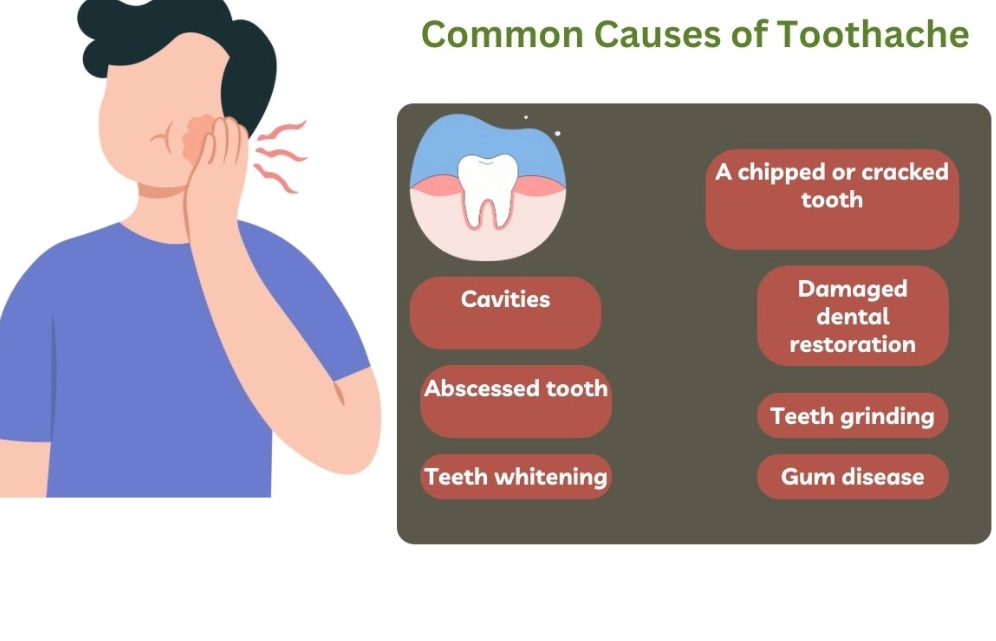
Cracked Tooth or Fractured Cusp
This is a diagnostician's challenge. A hairline crack in a tooth can be invisible on an X-ray and may not show up until it's deep. The pain is notoriously inconsistent—a sharp shot when you bite down a certain way, then nothing. It's often triggered by releasing biting pressure, not the pressure itself. People often describe it as "catching" or "zinging." If the crack reaches the pulp, it becomes a highway for bacteria, leading to infection and pulpitis.
Damaged or Lost Fillings/Crowns
A lost filling or a loose crown exposes the vulnerable dentin or pulp underneath. Suddenly, air, temperature, and pressure hit raw nerve endings. It's instant, sharp sensitivity. The danger isn't just the pain; it's that the unprotected tooth structure is now at high risk for rapid new decay or fracture.
Impacted Wisdom Teeth
When a wisdom tooth doesn't have room to erupt properly, it can become trapped (impacted) against the neighboring molar. This creates a perfect pocket for food and bacteria, leading to decay in the wisdom tooth and the precious molar in front of it. The pain is often at the back of the jaw, can radiate to the ear, and may be accompanied by swollen, tender gums over the area.
Sinus Pressure and Infection
The roots of your upper molars and premolars sit very close to your maxillary sinus cavities. A sinus infection (sinusitis) or severe congestion can create pressure and inflammation that feels exactly like a toothache in several upper teeth at once. A key clue: the pain increases when you bend over or jump. The teeth themselves are usually not sensitive to tapping, unlike with a true dental abscess.
What Your Pain's Location and Type Is Telling You
Before you panic, try to be a detective. The quality and location of your pain offer huge clues. Use this table as a starting point, not a final diagnosis.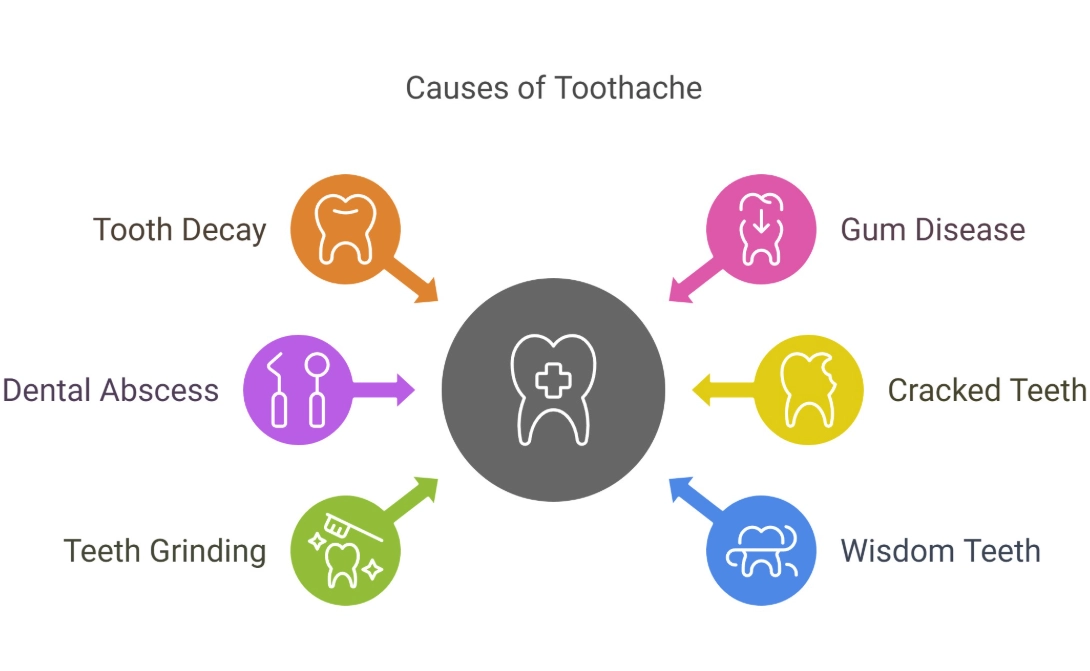
| Type of Pain | Possible Cause | Typical Sensation |
|---|---|---|
| Sharp, fleeting zing with cold/sweet | Early decay, worn enamel, gum recession | Quick jolt that stops when stimulus is gone. |
| Lingering pain after hot/cold | Irreversible pulpitis (dying nerve) | Pain continues for 30+ seconds after the drink/food is gone. |
| Severe, constant, throbbing | Dental abscess, advanced pulpitis | Deep, pounding ache that may pulse with your heartbeat. |
| Pain on biting or chewing | Cracked tooth, high filling, abscess | Sharp pain when you apply pressure, especially upon release. |
| Dull ache and pressure in upper teeth | Sinus infection | Multiple teeth hurt, worse with head movement. |
| Sensitive gums, loose teeth | Advanced gum disease (periodontitis) | Gums are tender, may bleed, teeth feel less stable. |
What to Do When Toothache Strikes: Immediate Steps
You have a toothache right now. What's your game plan?
First, call a dentist. I know it sounds obvious, but people wait, hoping it will magically disappear. It won't. Schedule an appointment. If it's after hours and the pain is severe with swelling or fever, seek emergency dental care or go to an urgent care clinic.
Manage the pain at home:
- Over-the-counter pain relievers: Ibuprofen (Advil) or naproxen are often more effective for dental pain than acetaminophen (Tylenol) because they reduce inflammation. Always follow label directions.
- Cold compress: Apply an ice pack wrapped in a towel to the outside of your cheek for 15-minute intervals. This helps reduce swelling and numbs the area.
- Salt water rinse: Dissolve half a teaspoon of salt in a glass of warm water. Swish gently for 30 seconds. This can soothe inflamed gums and help dislodge trapped food particles.
- Avoid triggers: Steer clear of extremely hot, cold, sweet, or hard foods that aggravate the pain.
Stopping the Pain Before It Starts: Prevention Tactics
The best toothache is the one you never get. It boils down to disrupting the disease process.
Brushing and flossing aren't optional. Brush twice daily with fluoride toothpaste. Floss once a day—not just to remove food, but to disrupt the plaque biofilm between teeth that a brush can't reach. If you hate floss, try a water flosser or interdental brushes.
Fluoride is your friend. It remineralizes weakened enamel and makes it more resistant to acid attacks. Use a fluoride toothpaste. Your dentist might recommend a prescription-strength fluoride gel if you're prone to cavities.
Regular dental check-ups are non-negotiable. I recommend cleanings and exams every six months for most people. These visits catch problems like small cavities, early gum disease, and hairline cracks long before they become painful, expensive emergencies. It's the ultimate cost-saving and pain-prevention strategy.
Mind your habits. Clenching or grinding your teeth (bruxism) is a major cause of cracks and muscle pain. If you wake up with a sore jaw or your partner hears you grinding, talk to your dentist about a night guard. Also, be wary of using your teeth as tools to open packages or crack nuts.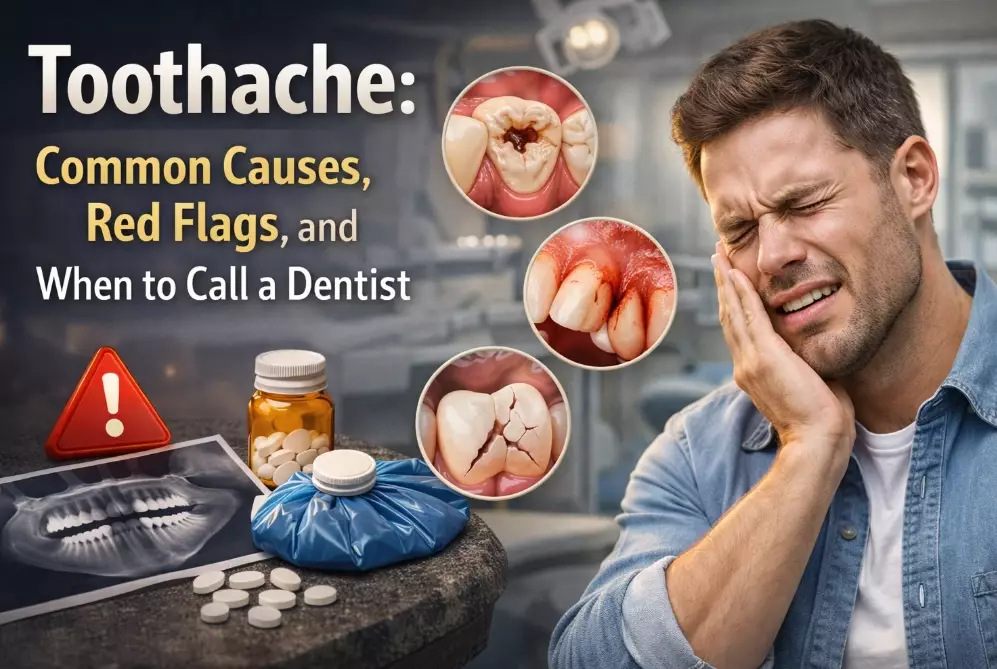
Your Toothache Questions, Answered
- A cracked tooth: The crack may be too fine to see on a standard X-ray.
- Referred pain: The pain is coming from another tooth, your jaw joint (TMJ), or your sinuses.
- Bruxism: You're clenching or grinding, putting excessive force on the tooth and its ligament, causing inflammation.
- Gum recession: Exposed root surfaces are sensitive.
 How can I tell if my toothache is a dental emergency?
- Severe pain that isn't controlled by over-the-counter medication.
- Visible swelling in your face or cheek.
- Swelling that affects your breathing or swallowing.
- A fever along with the toothache.
- Trauma to the mouth resulting in a broken or knocked-out tooth.
 Tooth pain is a signal you can't afford to ignore. Whether it's a cavity, a crack, or an issue masquerading as a tooth problem, getting a professional diagnosis is the only way to find lasting relief and save your tooth. Pay attention to what your mouth is telling you, and don't wait until a minor ache becomes a major crisis.