You see it in every drugstore aisle, the iconic amber bottle promising "kills germs that cause bad breath, plaque, and gingivitis." For decades, Listerine has been synonymous with oral hygiene. Swishing that intense, burning sensation felt like you were doing something powerfully clean. But what if that very sensation, and the formula behind it, is working against your long-term oral health? After years of following the "rinse twice daily" mantra and then dealing with persistent dry mouth, I started digging. Conversations with periodontists and a deep dive into emerging research revealed a different story. The reasons to reconsider regular Listerine use aren't about one single villain; they're about a combination of harsh ingredients, disrupted biology, and marketing that oversimplifies a complex ecosystem—your mouth.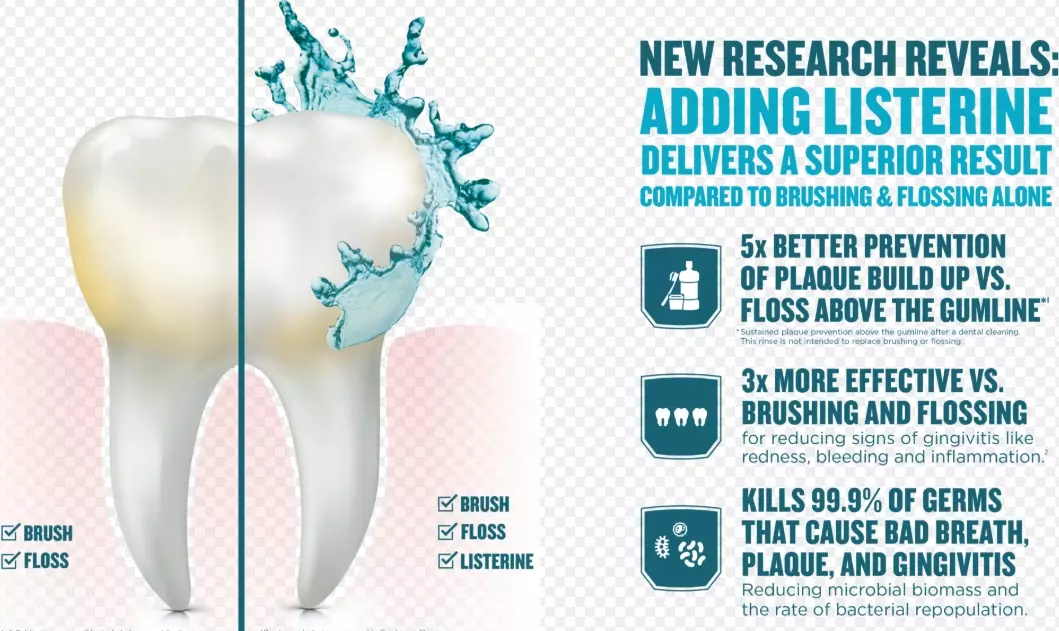
What You’ll Learn in This Guide
The Alcohol Problem: More Than Just a Burn
Most Listerine formulas contain around 21-26% alcohol. That's higher than many wines. The burn isn't a sign of effectiveness; it's tissue irritation.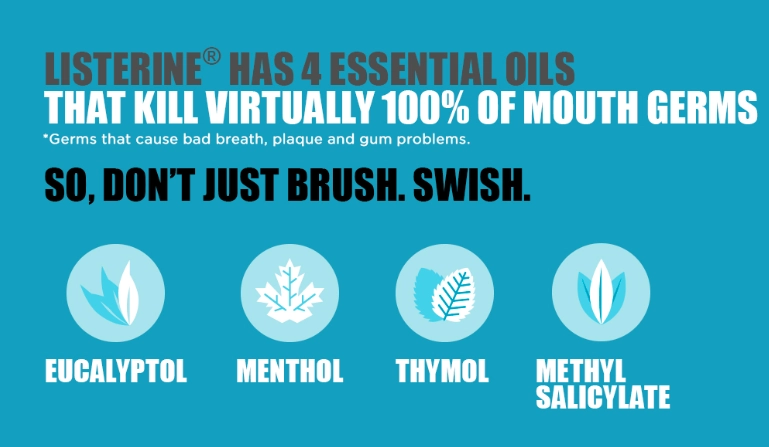
Here’s what that high alcohol content actually does:
- Desiccates Oral Tissues: Alcohol is a potent drying agent. Chronic use strips away the protective saliva film that coats your teeth and gums. Saliva isn't just water; it contains minerals that remineralize enamel, enzymes that break down food, and immunoglobulins that defend against pathogens. A dry mouth is a vulnerable mouth, more prone to cavities (dental caries) and soft tissue infections.
- Linked to Oral Cancer Risk: This is the most controversial point, but it can't be ignored. A meta-analysis published in the Australian Dental Journal concluded that the evidence, while not conclusive, suggests a significant association between alcohol-containing mouthwash use and an increased risk of oral cancer, independent of tobacco and alcohol consumption. The theory is that alcohol may act as a solvent, helping carcinogens penetrate the mucosal lining. Many dentists I've spoken to err on the side of caution, especially for high-risk patients.
- Exacerbates Bad Breath Long-Term: Ironically, by drying out your mouth, alcohol-based rinses can make bad breath (halitosis) worse over time. The initial "masking" effect fades, and a dry environment allows volatile sulfur compounds—the real cause of bad breath—to proliferate more easily on a desiccated tongue.
Personal Observation: I used Cool Mint Listerine for years. My mouth felt "clean" but also tight and papery for an hour afterward. I blamed it on "freshness." My dentist pointed out the early signs of gingival recession and asked about my routine. The correlation was hard to dismiss.
Oral Microbiome Disruption: Killing the Good with the Bad
This is the biggest shift in dental thinking over the last decade, and it's where Listerine's broad-spectrum attack fails. Your mouth hosts a complex community of bacteria, fungi, and viruses—the oral microbiome. A healthy one is diverse and balanced, with "good" bacteria that crowd out pathogens, aid digestion, and even regulate nitric oxide for cardiovascular health.
Listerine's antimicrobial agents (like eucalyptol, menthol, thymol) are indiscriminate. They nuke everything. Think of it like using a broad-spectrum antibiotic daily for prevention. You wipe out the beneficial flora that maintain balance and protect surfaces. This creates a vacuum. What grows back first? Often, it's the tougher, potentially more harmful bacteria that are less reliant on a balanced community, or yeast like Candida.
A study in Scientific Reports found that twice-daily use of an antiseptic mouthwash significantly reduced oral nitrate-reducing bacteria, leading to higher blood pressure. The mouth is not just a tube to be sterilized; it's a garden that needs careful tending.
The Culprits Beyond Alcohol: Hidden Ingredients and pH Imbalance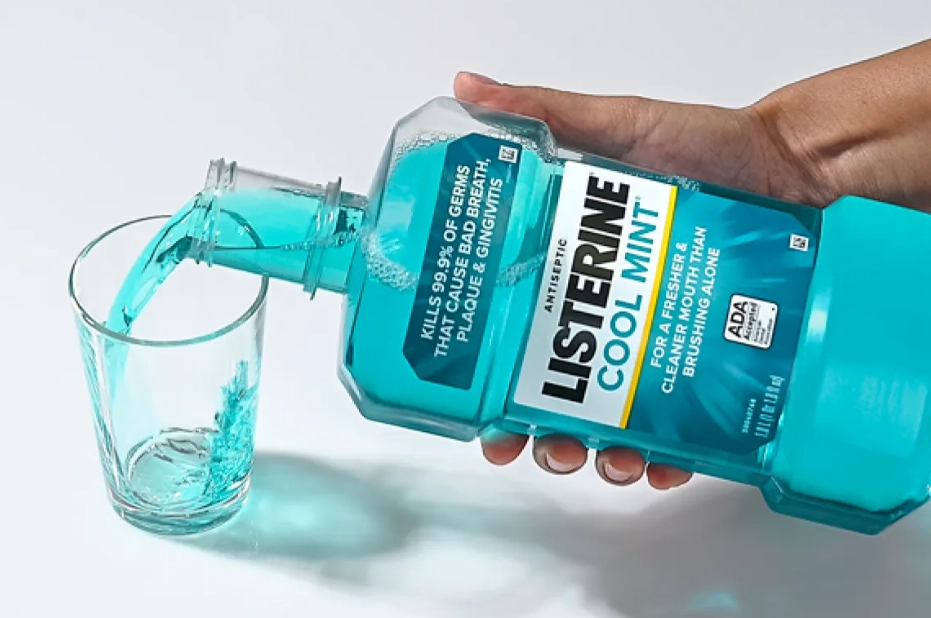
Let's look at the label. Beyond alcohol, common ingredients raise flags:
- Sodium Lauryl Sulfate (SLS): A harsh detergent that creates foam. It's a known irritant for many people, linked to canker sore (aphthous ulcer) outbreaks. If you get frequent mouth ulcers, SLS is a prime suspect.
- Artificial Dyes & Sweeteners: Some versions contain dyes like Green 3 or Blue 1. Why does a product you spit out need color? For some with sensitivities, these are unnecessary additives. Artificial sweeteners like saccharin are also common.
- Acidic pH: Many mouthwashes, including some Listerine variants, have a low pH. An acidic environment in the mouth softens tooth enamel. While saliva normally neutralizes this, a daily acidic wash, especially after brushing, can keep the oral environment in a demineralizing state for longer.
| Ingredient/Feature | Common Role in Listerine | Potential Downside |
|---|---|---|
| Alcohol (Ethanol) | Solvent, antimicrobial, provides "burn" | Dries tissues, linked to irritation & potential cancer risk, worsens dry mouth |
| Sodium Lauryl Sulfate (SLS) | Foaming agent | Mucosal irritant, can trigger canker sores |
| Artificial Dyes (e.g., FD&C Green 3) | Colorant for visual appeal | Unnecessary chemical exposure, potential for sensitivity |
| Low pH (Acidic) | Preservation, flavor balance | Can contribute to enamel erosion over time |
| Broad-Spectrum Antimicrobials | Kills bacteria for plaque/gingivitis claims | Disrupts beneficial oral microbiome, may lead to imbalance |
Who Should Absolutely Avoid Listerine?
Based on the mechanisms above, certain groups should be especially wary:
People with Chronic Dry Mouth (Xerostomia): This includes those on medications (antidepressants, antihistamines, blood pressure drugs), undergoing radiation therapy, or with autoimmune conditions like Sjögren's syndrome. Using an alcohol-based rinse is like pouring gasoline on a fire.
Individuals Prone to Canker Sores: The combination of alcohol and SLS is a classic trigger. Eliminating these ingredients often reduces frequency and severity.
Those with Active Gum Disease Seeking Healing: While Listerine markets itself for gingivitis, the drying and irritating effect can hinder the healing of inflamed, sensitive gum tissue. A gentle, alcohol-free, antimicrobial rinse like chlorhexidine (by prescription) or a CPC-based rinse is often preferred by periodontists for short-term use.
Children and Adolescents: The high alcohol content poses a toxicity risk if swallowed. Their developing oral microbiomes are also more susceptible to disruption.
Gentler, More Effective Alternatives for True Oral Health
So what should you use? The goal isn't to find a 1:1 Listerine replacement, but to adopt a smarter strategy.
First, Rethink the Role of Mouthwash. It's an adjunct, not a cornerstone. The cornerstone is mechanical removal: proper brushing (2 mins, twice daily) and flossing. Mouthwash can reach areas you might miss, but it cannot replace these actions.
Choose an Alcohol-Free Formula. This is non-negotiable if you have any of the concerns above. Look for these active ingredients instead:
- Cetylpyridinium Chloride (CPC): A gentle, broad-spectrum antimicrobial that reduces plaque and gingivitis bacteria with less disruption and no alcohol. Brands like Crest Pro-Health Clinical or many store-brand "alcohol-free" versions use CPC.
- Essential Oil Blends (Alcohol-Free): Some brands offer the thymol/eucalyptol/menthol blend in an alcohol-free base. They can be effective with less irritation.
- Fluoride Rinses: For cavity prevention, a simple sodium fluoride rinse (like ACT) is excellent. It strengthens enamel without harsh antimicrobials.
- Xylitol Rinses: Xylitol is a sugar alcohol that "starves" harmful bacteria like S. mutans (the main cavity culprit). It doesn't kill broadly; it selectively inhibits the bad guys. Spry, Epic, and other brands make great xylitol rinses.
- Baking Soda & Salt Water: The old-fashioned remedy. A half-teaspoon of baking soda in warm water is alkaline (neutralizes acids), soothing, and mildly antimicrobial. Perfect for canker sores or general use.
Timing Matters. Don't rinse with anything (even water) immediately after brushing. You'll wash away the concentrated fluoride from your toothpaste. Wait at least 30 minutes. Use mouthwash at a separate time, like after lunch.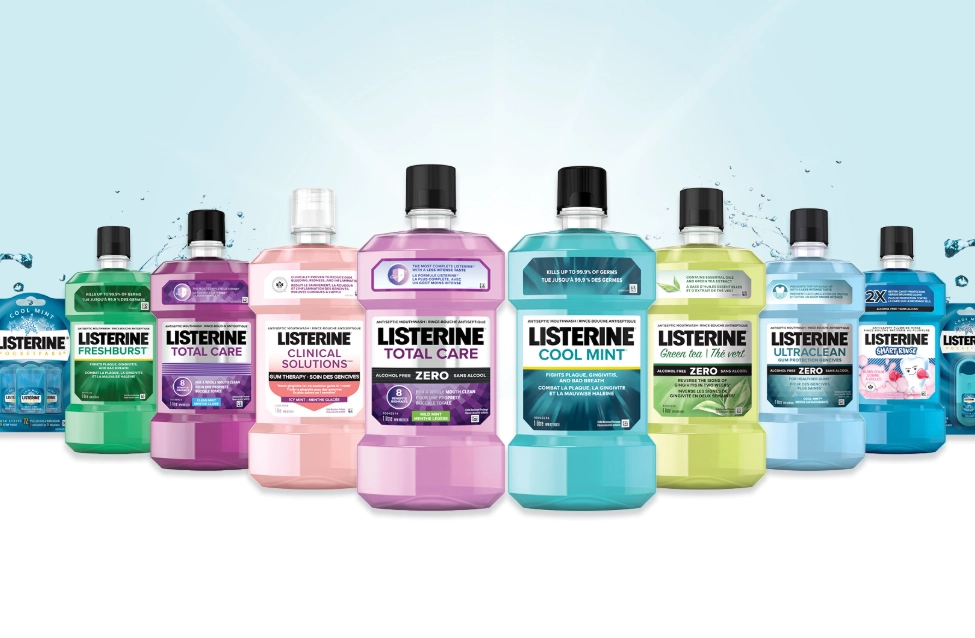
Your Burning Questions Answered
I've used Listerine for years and my dentist says my gums are fine. Should I still switch?
If you have no issues like dry mouth, sensitivity, or canker sores, and your dental checkups are consistently good, the urgency is lower. However, consider it preventive maintenance. The oral microbiome disruption and tissue drying are cumulative effects. Switching to an alcohol-free alternative, especially as you age and natural saliva flow may decrease, is a prudent long-term move. It's like wearing sunscreen even on cloudy days.
What's the best mouthwash to use after brushing for cavity prevention?
Honestly, don't use any mouthwash right after brushing. Spit out the excess toothpaste, but don't rinse. Let the fluoride sit on your teeth. If you want a midday or evening rinse for extra protection, use a fluoride-only rinse (like ACT Anticavity) or a xylitol rinse at a separate time.
Can Listerine cause canker sores or make them worse?
Absolutely, and this is a common but rarely discussed trigger. The alcohol dries and irritates the mucosa, and Sodium Lauryl Sulfate (SLS) can directly damage the surface cells, making them more susceptible to ulcer formation. If you're prone to canker sores, switching to an SLS-free toothpaste and an alcohol-free, SLS-free mouthwash is one of the most effective non-prescription changes you can make.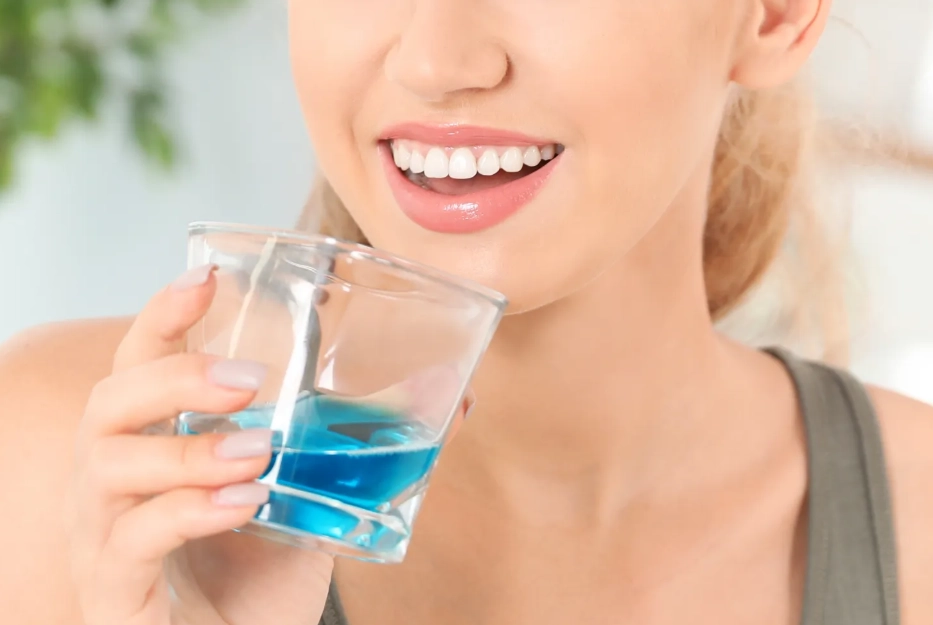
Are the "natural" or "herbal" mouthwashes any better?
They can be, but you have to read labels critically. "Natural" doesn't mean alcohol-free or non-irritating. Some contain high amounts of essential oils or acids (like citric acid) that can be harsh. Look for ones specifically labeled alcohol-free, with ingredients like aloe vera, chamomile, coenzyme Q10, or xylitol as the active agents. The goal is soothing and rebalancing, not scorched-earth cleansing.
My dentist recommended chlorhexidine gluconate. Isn't that harsher than Listerine?
Chlorhexidine (CHX) is a prescription-grade antimicrobial used for short periods (1-2 weeks) after surgery or for severe gingivitis. It's more effective than Listerine but has significant side effects like tooth staining and taste alteration with long-term use. The key difference is intent: CHX is a targeted, short-term medical treatment prescribed by a professional. Listerine is marketed for daily, indefinite use. This distinction is crucial. Follow your dentist's instructions for CHX precisely and never use it as a daily Listerine substitute.
The bottom line isn't that Listerine is pure poison. It's that its formulation is a relic of an older dental philosophy that valued sterilization over balance. For many people, especially those with specific sensitivities or conditions, its drawbacks significantly outweigh its benefits. Oral health is about maintaining a resilient, balanced ecosystem. Dousing it daily in high-proof alcohol and harsh detergents undermines that goal. Your mouth will thank you for choosing a gentler, more intelligent approach.