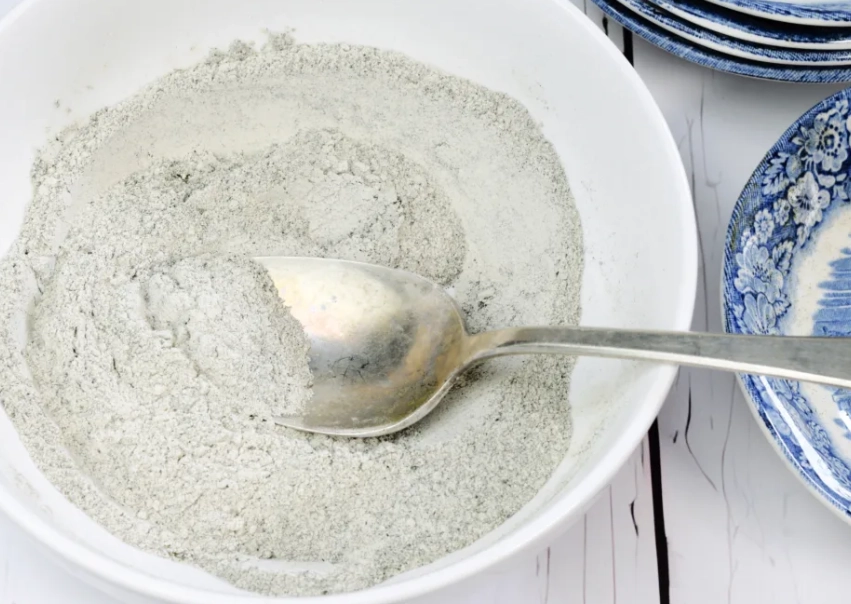
You've probably read a dozen recipes for homemade toothpaste, and nearly all of them start with baking soda. It's the default. But what if your mouth feels raw after using it? Or your dentist warned you about its abrasiveness? You're not imagining things. Making a homemade toothpaste without baking soda isn't just possible; for many, it's a better choice. I learned this the hard way after a friend with receding gums complained of sharp pain every time she tried a popular baking soda mix. Her experience sent me down a rabbit hole of research and experimentation. This guide cuts through the noise. We'll explore why you might ditch the baking soda, what to use instead, and walk through two detailed, effective recipes you can make in your kitchen right now.
What's Inside?
- Why Skip Baking Soda in Homemade Toothpaste?
- Your No-Baking-Soda Toolbox: Ingredients and Equipment
- Ingredient Deep Dive: What Each Component Really Does
- Step-by-Step Recipes for Homemade Toothpaste Without Baking Soda
- The Real Talk: Pros, Cons, and Important Considerations
- Your Questions Answered (Beyond the Basics)
Why Skip Baking Soda in Homemade Toothpaste?
Baking soda (sodium bicarbonate) is praised for its whitening and deodorizing power. It's also mildly abrasive and alkaline. That's the problem for some people.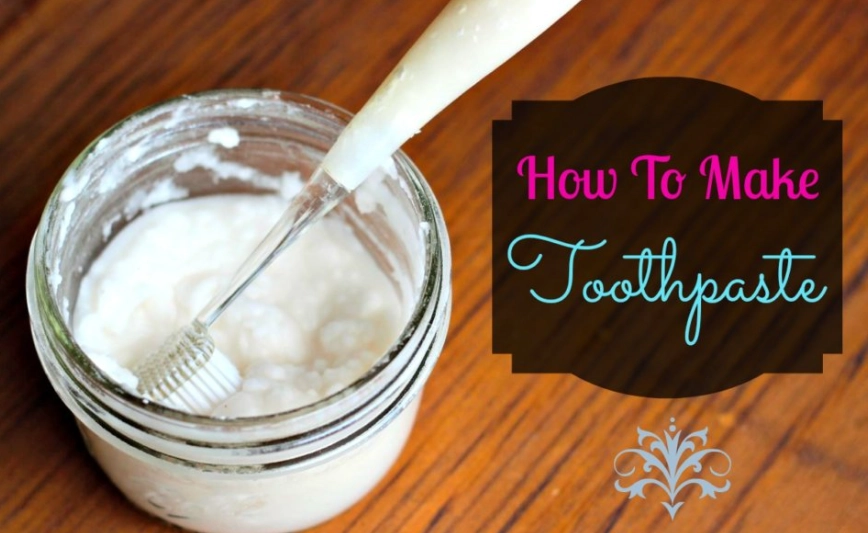
Let's be clear: it's abrasive. The Relative Dentin Abrasivity (RDA) scale measures how toothpastes wear away at dentin. While baking soda is on the lower end compared to some commercial whitening pastes, its irregular crystal structure can be harsh on already compromised enamel or exposed dentin from receding gums. If you brush with any pressure—and most of us do—you might be accelerating wear.
Then there's the pH. Baking soda creates an alkaline environment. This can neutralize plaque acids, which is good. But for a small subset with extremely sensitive teeth, that sudden pH shift can trigger a nerve zing. It's not common, but it's real.
Finally, taste and texture. Many simply hate the salty, gritty feel and the lack of foam. If you're not going to use it consistently because it's unpleasant, what's the point?
The Expert Angle: The American Dental Association (ADA) states that baking soda is safe and effective for cleaning. However, they also caution that abrasiveness should be a consideration for people with dentin sensitivity or abrasion lesions. My take? It's a great tool, but not the only one. If it doesn't work for you, there's no virtue in forcing it.
Your No-Baking-Soda Toolbox: Ingredients and Equipment
Forget the baking soda aisle. Your new toothpaste ingredients come from the health food store and online retailers. Here’s what you’ll need to get started.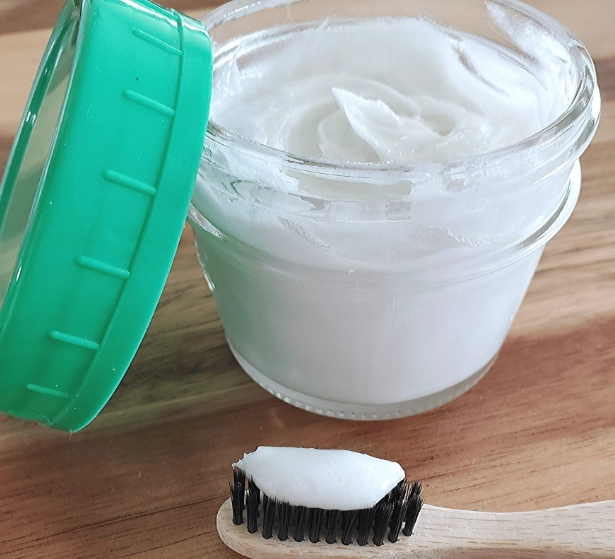
Essential Ingredients & Where to Find Them
| Ingredient | Primary Role | Best Source / Brand Note |
|---|---|---|
| Calcium Carbonate Powder | Gentle abrasive, polishes, source of calcium. | Food-grade from supplement suppliers (like NOW Foods) or "chalk" labeled for consumption. |
| Xylitol Powder | Sweetener that inhibits cavity-causing bacteria. | Birch-derived xylitol (1:1 sugar substitute aisle or online). Avoid brands with fillers. |
| Coconut Oil (solid) | Base, provides texture, contains lauric acid (anti-microbial). | Organic, extra-virgin. It must be solid at room temp for the recipe. |
| Bentonite Clay | Alternative abrasive, binds toxins, mineral-rich. | Cosmetic or food-grade (like Redmond Clay). Ensure it's sodium bentonite. |
| Essential Oils (Peppermint, Spearmint) | Flavor, freshness, antimicrobial properties. | Therapeutic grade from reputable brands (doTERRA, Young Living, Plant Therapy). |
Simple Equipment
- A small glass bowl
- A silicone spatula or small spoon for mixing
- Airtight glass jar or silicone travel tube for storage
- Small digital scale (highly recommended for accuracy) or measuring spoons
I bought my calcium carbonate and xylitol in bulk online—it's far cheaper. The coconut oil is from my local grocery store. The initial investment for these ingredients might be $30-$40, but it makes months worth of toothpaste.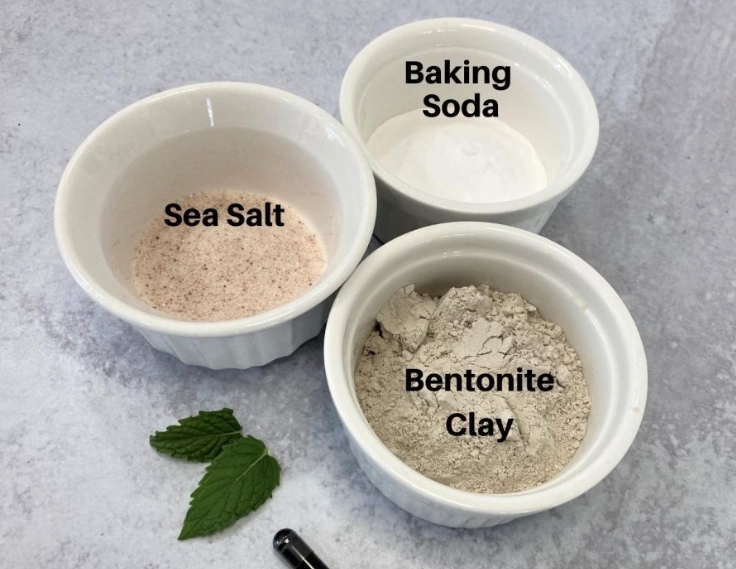
Ingredient Deep Dive: What Each Component Really Does
This is where most recipes stop. They just list ingredients. But knowing why you're using something changes everything. You can troubleshoot and customize.
Calcium Carbonate vs. Bentonite Clay: This is the big choice. Calcium carbonate is a finer, brighter white powder. It's what's in many "natural" and kids' toothpastes. It polishes gently. Bentonite clay is grayish, has a unique "pull" when mixed with liquids, and fans swear by its detoxifying properties. However, its abrasiveness is less consistent. For your first try, I suggest calcium carbonate—it's more predictable.
The Xylitol Non-Negotiable: Don't skip this. Studies, including one published in the Journal of Dental Education, highlight xylitol's role in reducing levels of mutans streptococci, the main cavity-causing bacteria. It's not just a sweetener; it's an active defense. Aim for it to be at least 10-20% of your dry ingredient mix.
Coconut Oil Consistency is Key: If your kitchen is warm, your paste might be too runny. The fix? Add more calcium carbonate or pop the jar in the fridge for 10 minutes before use. If it's too hard, hold the jar in your hands for a minute to soften.
Essential Oil Safety: More drops don't mean more effectiveness. They are potent. 10-15 drops total per batch is plenty. For kids or sensitive individuals, you can halve that or use food-grade peppermint extract instead.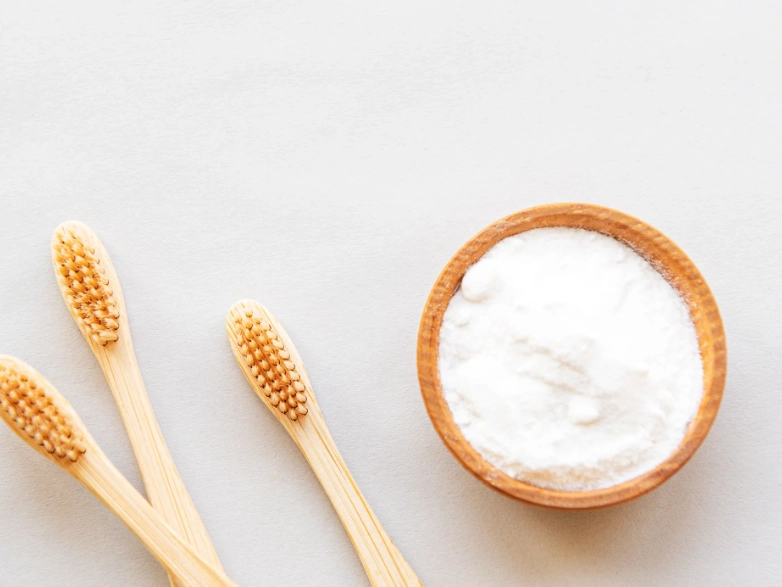
Step-by-Step Recipes for Homemade Toothpaste Without Baking Soda
Let's make two versions. Recipe 1 is my daily driver—simple and effective. Recipe 2 is for when you want a deeper clean.
Recipe 1: Basic Gentle Whitening Paste
This is the one I've used for over a year. It's mild, pleasantly minty, and leaves my teeth feeling clean without any grit.
- 2 tablespoons solid coconut oil
- 1.5 tablespoons calcium carbonate powder
- 1 tablespoon xylitol powder
- 10-12 drops peppermint essential oil
- 5 drops spearmint essential oil (optional, for flavor complexity)
Method: In your bowl, mash the solid coconut oil with the spatula until creamy. Add the calcium carbonate and xylitol. Mix vigorously until it forms a uniform, thick paste—no dry pockets. Now add the essential oils and mix again until fully incorporated. Scoop into a small glass jar. It will firm up at room temperature. To use, dip a dry toothbrush into the paste or use a clean spoon to apply a pea-sized amount.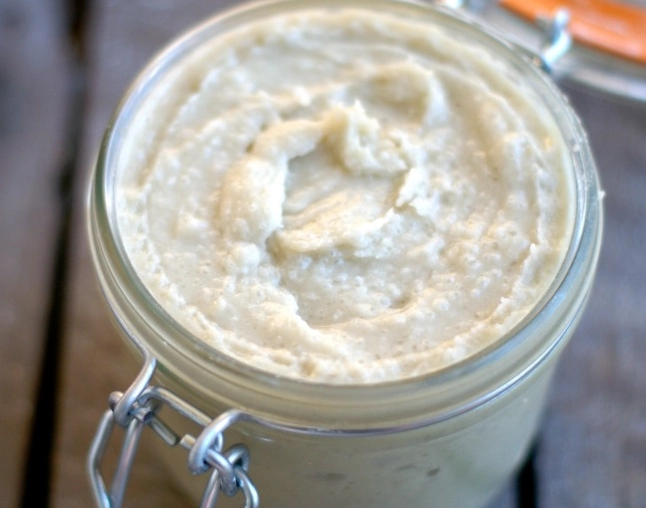
Recipe 2: Bentonite Clay & Activated Charcoal Detox Paste
Use this 1-2 times a week for a deeper clean or if you drink a lot of coffee/tea. The charcoal can be messy but is a powerful stain absorber. Note: Bentonite clay can deactivate if mixed with metal, so use a wooden or plastic spoon and a glass bowl.
- 1 tablespoon bentonite clay
- 1 tablespoon calcium carbonate (or another tbsp of bentonite for a pure clay paste)
- 1.5 tablespoons distilled water (chlorinated tap water can reduce clay's efficacy)
- 1 teaspoon xylitol
- 1/2 teaspoon activated charcoal powder (food-grade)
- 8-10 drops peppermint or cinnamon essential oil
Method: In a glass bowl, whisk the bentonite clay and xylitol with the distilled water until smooth and gel-like. Let it sit for 2 minutes to fully hydrate. Stir in the calcium carbonate and activated charcoal until no streaks remain. Finally, mix in the essential oils. This paste will be thicker and darker. Store in a glass jar. It may separate slightly; just stir before use.
The Real Talk: Pros, Cons, and Important Considerations
Switching to a homemade toothpaste without baking soda isn't all roses. Let's be brutally honest.
The Good: You control every ingredient. No artificial sweeteners, sulfates, or preservatives. It's cost-effective long-term. For those with specific sensitivities (to baking soda, SLS, etc.), it's a revelation. The recipes above are genuinely effective at cleaning and leaving your mouth fresh.
The Not-So-Good: The biggest drawback is the lack of fluoride. If you or your family are at high risk for cavities, this is a serious conversation to have with your dentist. Some may recommend using a fluoride rinse alongside your homemade paste. Secondly, texture takes getting used to—it's not a foamy gel. And there's a learning curve to getting the consistency right in different seasons.
My Stance: I use the Basic Gentle paste daily and get a fluoride treatment at my six-month cleanings. My dentist monitors my enamel and has been pleased with the results. This is a personal health choice, not a dogma.