Let's cut to the chase. Yes, desensitizing toothpaste works for most people with common tooth sensitivity. But here's the crucial part most articles miss: it only works if you use it correctly, and it's often a band-aid, not a cure. If you're feeling that sharp zing from ice cream or hot coffee, you're not alone. Millions deal with this. I've seen countless patients in my chair who've tried these toothpastes with mixed results. The difference between success and frustration usually boils down to three things: picking the right active ingredient, using it with the right technique, and knowing when it's time to see a professional because the toothpaste alone isn't enough.
What You'll Learn in This Guide
- How Desensitizing Toothpaste Actually Works (The Science)
- Key Ingredients: Potassium Nitrate vs. Strontium Chloride
- How to Choose the Right Desensitizing Toothpaste
- The Correct Way to Use It (Most People Get This Wrong)
- Common Mistakes That Ruin the Effectiveness
- When to See a Dentist: Toothpaste Isn't Enough
- Your Sensitive Teeth Questions Answered
How Desensitizing Toothpaste Actually Works (It's Not Magic)
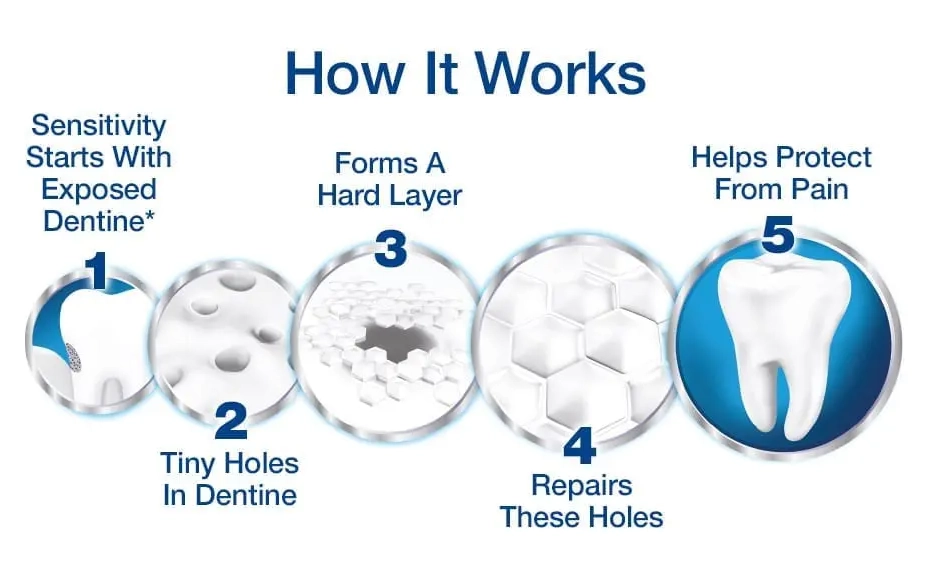
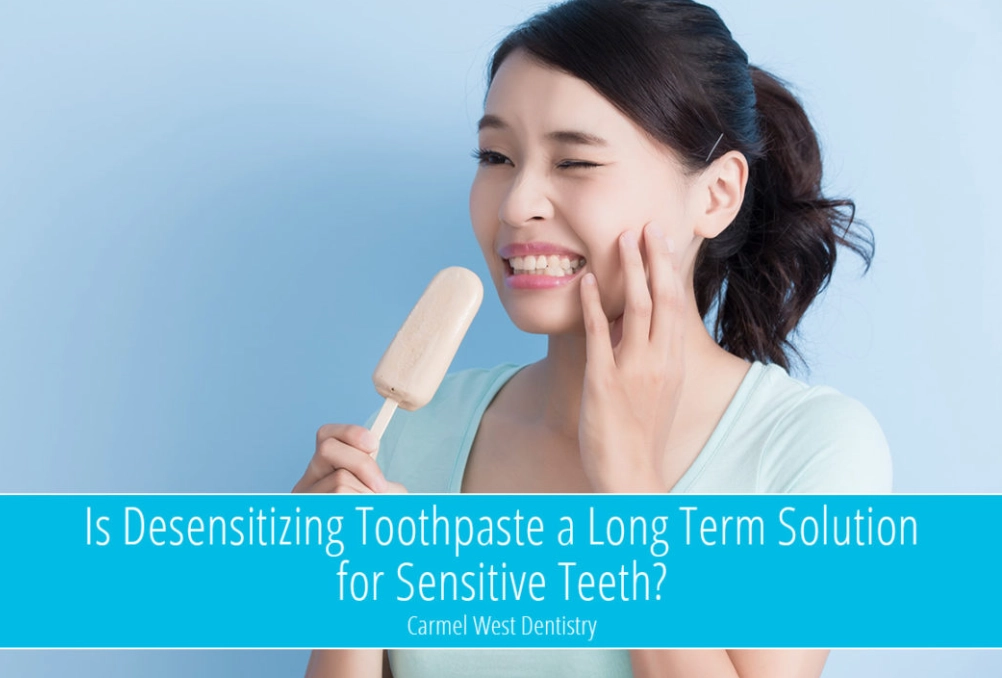
Tooth sensitivity happens when the inner, softer part of your tooth (dentin) gets exposed. This dentin is full of microscopic tubules that lead straight to the nerve. Cold, heat, acid, or pressure travels down these tiny tunnels and hits the nerve—zing!
Desensitizing toothpaste works by creating a barrier. Think of it like patching small holes in a wall. The active ingredients either:
- Block the tubules: Ingredients like stannous fluoride, arginine, and calcium carbonate physically plug up the openings, stopping the stimuli from getting through.
- Calm the nerve: Potassium nitrate soaks into the tubule and quiets down the nerve signal itself, making it less likely to fire off a pain message.
Key Ingredients: Potassium Nitrate vs. Strontium Chloride
Not all desensitizing agents are created equal. Here’s a breakdown of the two main players you'll see on labels.
| Active Ingredient | How It Works | Common Brands | Time to Feel Relief | My Professional Take |
|---|---|---|---|---|
| Potassium Nitrate (5%) | Nerve desensitizer. It dampens the nerve's ability to send pain signals. | Sensodyne (many variants), Colgate Sensitive | Usually within 2 weeks of twice-daily use. | The gold standard and most researched. Reliable for generalized sensitivity. Works best with consistent, long-term use. |
| Strontium Chloride / Acetate | Tubule blocker. It forms a mineral layer over exposed dentin tubules. | Some older Sensodyne formulas, Boots (UK) | Can be faster, sometimes within days. | |
| Stannous Fluoride | Dual-action. Blocks tubules AND has antibacterial/anti-gingivitis properties. | Parodontax, Crest Gum & Sensitivity, some Sensodyne | Varies, but offers broader oral health benefits. | My top pick for patients whose sensitivity is linked to gum recession or mild inflammation. It's a powerhouse for overall gum health. |
| Arginine & Calcium Carbonate | Instant tubule blocker. Forms a sealing layer upon contact with saliva. | Colgate Sensitive Pro-Relief | Can provide relief after a single use. | Great for "on-the-spot" relief. The technology is impressive, but long-term maintenance still requires regular use. |
Notice I didn't even list "novamin" in that main table? It's a fantastic bioactive glass (calcium sodium phosphosilicate) that can actually help remineralize dentin. It's a top-tier ingredient, but due to patent issues, it's primarily found in Sensodyne products outside the United States. If you can get your hands on it, it's worth considering.
How to Choose the Right Desensitizing Toothpaste
Don't just grab the first tube you see. Match the ingredient to your likely cause.
For general, all-over sensitivity (like from acidic drinks or over-brushing): Start with a potassium nitrate formula. It's the tried-and-true workhorse.
If your sensitivity is localized at the gumline where teeth meet gums: Look for stannous fluoride. It fights the bacteria that cause gum inflammation, which often accompanies recession-related sensitivity. A patient of mine, Sarah, had this exact issue. Switching to a stannous fluoride paste reduced her sensitivity and her dentist noted healthier gums at her next checkup.
If you want faster initial relief: Try a formula with arginine (like Colgate Pro-Relief) for that quick-sealing action.
The Correct Way to Use It (Most People Get This Wrong)
This is where I see the biggest failure. People use it like regular toothpaste and wonder why it doesn't work.
The Non-Negotiable Routine
1. Use a SOFT-bristled brush. If you're using medium or hard bristles, you're actively making the problem worse by wearing away more enamel and dentin.
2. Apply a pea-sized amount to dry teeth first. Before you wet your brush, smear the paste directly onto the sensitive areas, especially along the gumline. Let it sit for a minute. This gives the active ingredients direct contact time.
3. Brush GENTLY for two minutes. Focus on the sensitive spots. You're not scrubbing a stain off a pot; you're applying a medicinal paste.
4. Spit, but DO NOT RINSE. This is the single most important step. Do not swish with water after brushing. Just spit out the excess foam. Leaving a thin film of the paste on your teeth allows it to keep working. Rinsing it all away is like applying a pain-relief cream and immediately washing it off.
5. Use it consistently, twice a day. It's not an "as-needed" product. It builds up its protective effect over time.
Common Mistakes That Ruin the Effectiveness
- Rinsing with water after brushing. I said it before, but it's worth its own bullet point. Stop rinsing.
- Using a whitening toothpaste alternately. Many whitening toothpastes are highly abrasive and can increase sensitivity. If you must whiten, do it under dental supervision and pause if sensitivity spikes.
- Expecting instant, permanent results. It takes days to weeks of consistent use. And if you stop, the sensitivity usually comes back because the underlying cause (exposed dentin) is still there.
- Ignoring your diet. Chugging lemon water, soda, or sports drinks bathes your teeth in acid, which erodes enamel and opens dentin tubules. The toothpaste is fighting a losing battle if you're constantly attacking your teeth.
When to See a Dentist: Toothpaste Isn't Enough
Desensitizing toothpaste is a fantastic first-line defense, but it has limits. You need a professional if:
The pain is severe and sharp, not just a mild zing. This could indicate a cavity or a cracked tooth.
Only one tooth is sensitive. Generalized sensitivity is often from erosion or recession. A single sensitive tooth screams "localized problem" like a cavity or crack.
You see visible holes, dark spots, or cracks on your teeth.
Your gums are swollen, red, or bleeding around the sensitive tooth.
You've used the toothpaste correctly for 3-4 weeks with zero improvement.
A dentist can offer stronger solutions: high-concentration fluoride varnishes painted directly on the spots, dental bonding to cover exposed roots, or a gum graft if recession is severe. These address the root cause, not just the symptom.
Your Sensitive Teeth Questions Answered
 Why did my sensitivity get worse after starting a desensitizing toothpaste?