You wake up. Your jaw feels like you've been chewing gravel all night. Your temples throb. The dentist said "bruxism," handed you a pamphlet for a $500 night guard, and sent you on your way. Sound familiar? That's where bruxism self-care comes in—not as a replacement for professional advice, but as the essential daily management your teeth and jaw desperately need. It's the difference between just protecting your teeth while you grind them to dust, and actually reducing the urge to grind in the first place.
Let's be clear: self-care for bruxism isn't just lavender oil and hoping for the best. It's a systematic, often boring, but incredibly effective set of habits targeting the mind-muscle connection that's gone haywire.
What’s Inside This Guide?
What Bruxism Really Is (And Why Self-Care Matters)
Bruxism is the medical term for grinding, gnashing, or clenching your teeth. Most focus on sleep bruxism—the nighttime kind you can't control. But the real engine driving damage is often awake bruxism: the subconscious clenching you do while stressed, focused, or driving. The American Academy of Sleep Medicine notes it's a common sleep-related movement disorder, but they also acknowledge its strong link to daytime habits and stress.
Think of it this way: nighttime grinding is the symptom; daytime tension is the cause you can actually influence. That's the entire goal of self-care—to lower your jaw's overall tension baseline so there's less fuel for the nighttime fire.
The consequences aren't just sore jaws. We're talking cracked teeth, flattened molars, receding gums, and chronic headaches. The financial and physical toll adds up fast.
The 3-Step Bruxism Self-Care Protocol
Forget random tips. This is a structured approach. You don't need to do everything at once. Start with Step 1, get good at it, then layer in Step 2.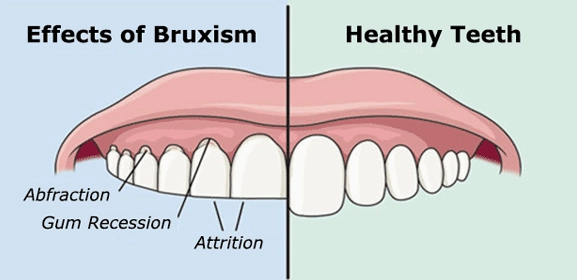
Step 1: Become a Detective (Identify Your Triggers)
You can't fix what you don't measure. For one week, keep a simple log. Don't overcomplicate it. Just note:
- Time: When do you notice jaw tightness or catch yourself clenching? (e.g., 3 PM at work, during commute, after coffee).
- Activity: What were you doing? (Zoom calls, reading emails, playing video games).
- Mind State: Stressed? Focused? Bored?
- Substances: Caffeine? Alcohol? (Both are major bruxism amplifiers).
You'll see patterns. For me, it was always 45 minutes into deep work on the computer. My jaw would become a vise. Without this log, I'd have just blamed "stress"—too vague to act on.
Step 2: Install Interruptions (The Relaxation Toolkit)
Now, use your trigger log to build interventions. This is where most articles give you a generic list. Here’s how to apply it.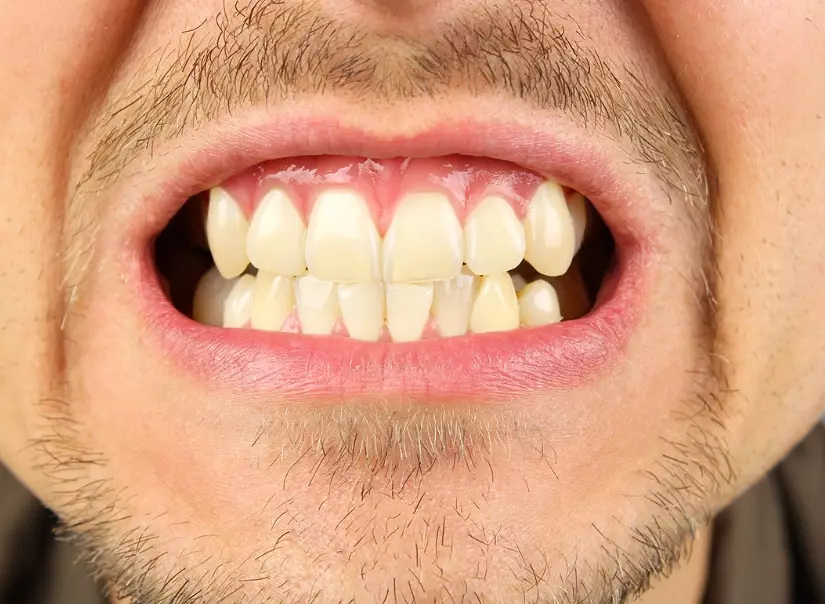
For Awake Bruxism (Daytime Clenching):
- The Jaw Posture Check: Every time you hit a trigger from your log (e.g., open a new email), set a "posture checkpoint." Lips together, teeth apart, tongue resting gently on the roof of your mouth. This is the neutral, relaxed jaw position. It feels weird at first because clenching is your default.
- Physical Reminders: Stick a small dot on your computer monitor, your car dashboard, your phone. Let it be a cue: "See dot, check jaw."
- Gentle Stretches: Not aggressive yoga for your jaw. Just slowly open your mouth as wide as is comfortable, hold for 3 seconds, release. Do this 5 times when you feel tension. The goal is awareness, not a workout.
For Sleep Bruxism (Nighttime Grinding):
- Pre-Bed Decompression: The hour before bed is critical. No screens. Try a boring, non-stimulating activity. I listen to audiobooks I've heard before. The goal is to bore your brain into relaxation.
- Progressive Muscle Relaxation (PMR): This works. Lie down. Tense the muscles in your feet for 5 seconds, then release. Work your way up to your calves, thighs, all the way to your face. When you get to your jaw, consciously let it go slack. By the time you're done, your body (and jaw) is in a much lower state of readiness for grinding. The Sleep Foundation recommends PMR specifically for sleep onset issues.
Step 3: Protect and Soothe (Physical Care)
While you work on Steps 1 & 2, you must protect your teeth. But here's the non-consensus part: not all mouth guards are created equal.
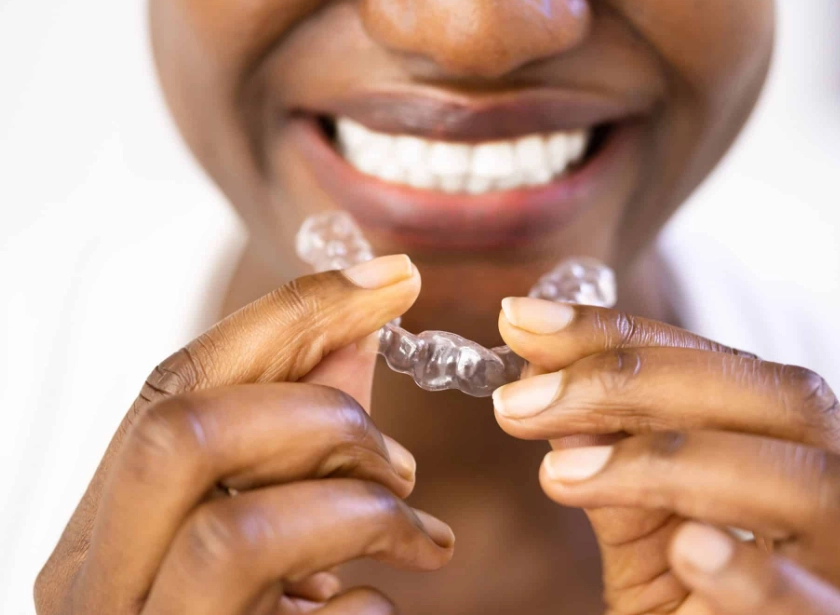
- The Dentist-Made Night Guard: Excellent for protection. It's a hard, custom-fit shield. But some studies, like those referenced by the TMJ Association, suggest very hard, bulky appliances can sometimes increase muscle activity in some people. They protect the teeth but may not reduce clenching force.
- The Self-Care Alternative - Soft Silicone Guards: Brands like SleepRight or simple boil-and-bite guards from the pharmacy. They're cheaper and softer. For some, the softness provides less resistance and can be less stimulating to the jaw muscles. Important: They wear out faster and don't last years like a professional one. Use them as a diagnostic tool or temporary solution.
- Warm Compresses: For morning soreness, this is gold. 15 minutes of moist heat on the sides of your face (over the masseter muscles) increases blood flow and eases stiffness far better than just taking a painkiller.
- Massage: Press your fingers into the sore spots on your cheeks (the masseters) and make small circles. Hurts? That's the spot. Do it gently for a minute or two each side.
The Self-Care Mistakes That Make Bruxism Worse
I've made these. You probably will too. Knowing them cuts months off your learning curve.
Mistake 1: The Death Grip on Relaxation. You try so hard to relax your jaw that you're actively flexing the muscles to "make" them relax. It's paradoxical. The key is passive awareness, not active forcing. Let your jaw feel heavy.
Mistake 2: Chewing Gum as "Exercise." Horrible idea. You're giving the clenching muscles a gym session. If you must chew gum, limit it to 5 minutes after a meal, and use the other side of your mouth if one side is sorer.
Mistake 3: Ignoring Daytime Hydration and Posture. Dehydration leads to muscle cramps. Slouching at a desk misaligns your head and neck, putting strain on the jaw muscles. Drink water. Set an alarm to fix your posture every 30 minutes.
Mistake 4: Using a Night Guard as a Magic Pill. You pop it in and think you're done. The guard is a helmet in a war. Self-care is the strategy to end the war. You need both.
Your Bruxism Self-Care Questions Answered
The bottom line is this: bruxism self-care is a marathon, not a sprint. It's about building tiny, sustainable habits—the jaw check at your desk, the warm compress in the morning, the boring pre-bed routine—that collectively lower the pressure in your system. It's less exciting than a magic device, but it's what actually works in the long run. Start tonight. Just notice your jaw. That's step one.