Let's be honest, nobody looks forward to a tooth extraction. The idea itself is enough to make most people anxious. But for many, the real fear kicks in *after* the procedure, with the dread of developing a dry socket. That throbbing, intense pain that can radiate to your ear and jaw? It's a legitimate concern. The good news is, dry socket prevention is largely in your hands. It's not just about luck; it's about following a specific set of actions. Having seen countless patients navigate this recovery, I can tell you that the difference between an easy heal and a painful complication often comes down to a few simple, yet critically important, choices you make in the first 72 hours.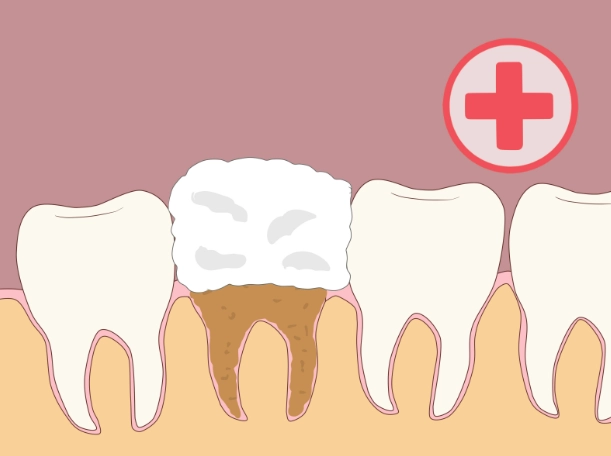
What You'll Find in This Guide
- What Exactly Is a Dry Socket (And Why Does It Hurt So Much)?
- The Golden Hours: Your Immediate Post-Op Action Plan
- Your First Week Survival Guide: Food, Hygiene, and Habits
- Top 3 Mistakes That Almost Guarantee a Dry Socket
- Are You at Higher Risk? Understanding Your Personal Factors
- Your Dry Socket Prevention Questions, Answered
What Exactly Is a Dry Socket (And Why Does It Hurt So Much)?
After a tooth is pulled, a blood clot forms in the empty socket. This clot isn't just a plug; it's the foundation for your healing. It protects the underlying bone and nerve endings and provides a scaffold for new tissue to grow. A dry socket (alveolar osteitis) happens when this clot gets dislodged or dissolves too early.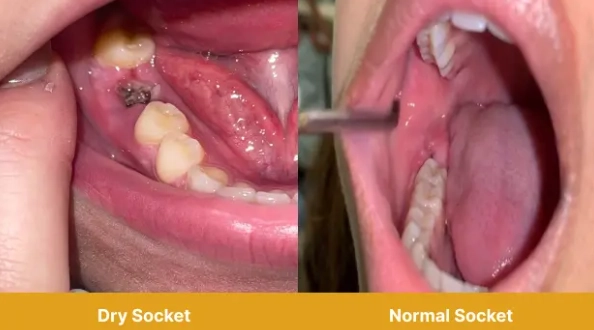
The result? Your jawbone and nerves are exposed to air, food, and fluids. Think of it like having a deep cut where the scab falls off prematurely. The bone gets irritated, and that's where the severe, often delayed pain comes from—usually starting 2-3 days after the extraction.
The Pain Timeline: Normal extraction discomfort peaks within 24 hours and then gradually improves. Dry socket pain typically starts on day 2 or 3, gets worse, and doesn't respond well to over-the-counter painkillers. If your pain was fading and then suddenly comes back with a vengeance, that's your signal to call your dentist.
The Golden Hours: Your Immediate Post-Op Action Plan
The first day is non-negotiable. This is where you set the stage for everything that follows.
Bite Down on That Gauze (Properly)
Your dentist will place a piece of gauze over the extraction site. You need to apply firm, steady pressure by biting down. Don't chew on it. Just bite. The goal is to help the blood vessels constrict and form a stable clot. Keep it in place for at least 30-45 minutes. If bleeding persists (more than just oozing), replace it with a fresh, moistened gauze pad and bite for another 30 minutes. A common mistake is changing the gauze every 5 minutes because you see a little pink saliva—that constant disturbance prevents a clot from ever forming.
The Ice Hack Most People Miss
Apply an ice pack to the outside of your cheek, 20 minutes on, 20 minutes off, for the first 24 hours. This isn't just for pain. The cold causes vasoconstriction, reducing blood flow to the area, which helps the initial clot stabilize. Don't apply heat during this period—it increases blood flow and can lead to more swelling and a weaker clot.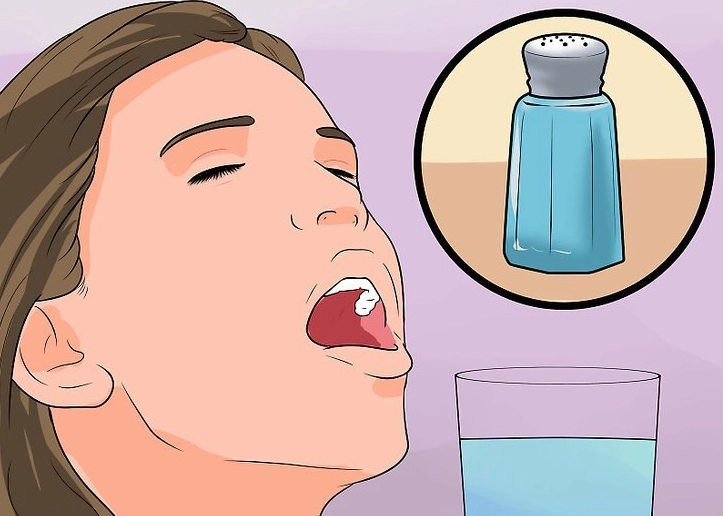
Rest, But Not Flat
Go home and take it easy. But when you rest or sleep, prop your head up with an extra pillow. Keeping your head above your heart reduces blood pressure in the surgical area, minimizing throbbing and bleeding. It’s a simple trick with a big impact.
Your First Week Survival Guide: Food, Hygiene, and Habits
This is where most dry socket prevention battles are won or lost. It's a dance between getting nutrition and not disturbing the site.
The Dry Socket Prevention Diet: What to Eat and Avoid
Forget about what you *want* to eat. Think about what the socket needs: zero disturbance.
| Safe & Recommended (First 3-5 Days) | Absolutely Avoid (For At Least 5-7 Days) |
|---|---|
| Cool, soft foods: Yogurt, pudding, applesauce, smoothies (eaten with a spoon, no straw). | Anything hot: Soup, coffee, tea. Heat can dissolve the clot. |
| Lukewarm, soft meals: Mashed potatoes, scrambled eggs, oatmeal, well-cooked pasta. | Crunchy or chewy foods: Chips, nuts, candy, steak, bread. These can get lodged. |
| Hydration: Drink plenty of cool water. Sip slowly from a cup. | Spicy or acidic foods: Hot sauce, citrus, tomatoes. They can irritate the wound. |
| High-protein shakes: Blended without seeds or chunks. Nutrition aids healing. | Alcohol: It can interfere with healing and may interact with pain meds. |
A patient of mine thought a lukewarm, blended vegetable soup was perfect. She didn't realize the tiny, invisible particles of herbs and spices would act like grit, constantly irritating the socket. Stick to truly smooth, bland options initially.
Oral Hygiene: The Delicate Balance
You must keep your mouth clean to prevent infection, but you have to be surgical in your precision.
- First 24 Hours: Do not rinse, spit, or brush the surgical area. You can gently brush the other teeth.
- Day 2 Onward: Begin gentle rinsing with warm salt water (1/2 teaspoon salt in a cup of warm water) after meals and before bed. Don't swish vigorously—just tilt your head and let it flow over the area, then let it dribble out into the sink. No spitting.
- Brushing: You can carefully brush your teeth, but avoid the extraction site for the first 3 days. After that, brush the area very, very gently with a soft-bristled brush.
Mouthwash Myth: Do not use commercial alcohol-based mouthwash (like Listerine) for at least a week. The alcohol is extremely irritating and can disrupt healing. Stick to salt water or a chlorhexidine rinse only if specifically prescribed by your dentist.
Top 3 Mistakes That Almost Guarantee a Dry Socket
These aren't just minor slip-ups; they're the main culprits I see in the clinic.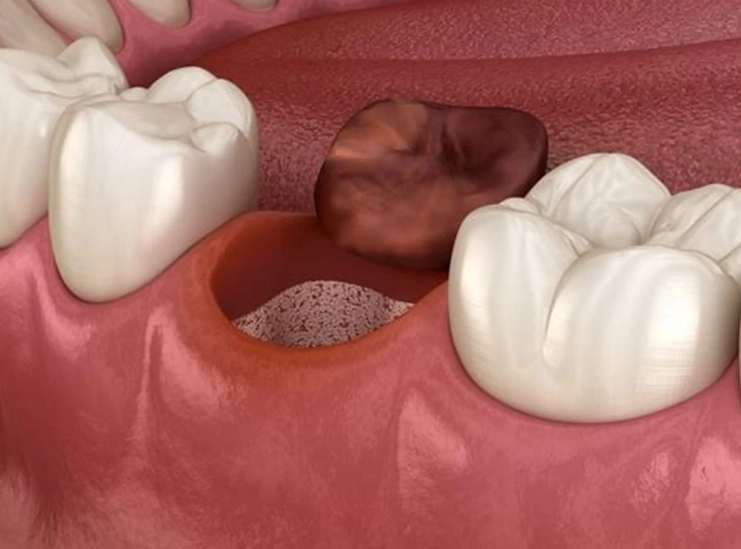
1. The Straw Suction Trap. This is the number one offender. Using a straw creates negative pressure (suction) in your mouth, which is literally like a tiny vacuum cleaner aimed right at that fragile blood clot. It doesn't matter if it's a thick smoothie or water. No straws for at least a full week. Drink from a cup.
2. The “Just a Little” Smoke. Nicotine is a vasoconstrictor—it shrinks blood vessels. This means less blood flow to deliver healing cells and nutrients to the socket. The physical act of smoking also creates suction. Whether it's cigarettes, vaping, or cannabis, smoking dramatically increases your dry socket risk. If there was ever a time to take a break, it's now.
3. Poking and Investigating. Your tongue is curious. It will want to explore the strange new hole in your mouth. Every time you poke at the clot with your tongue, a finger, or (heaven forbid) a toothpick, you're loosening it. Leave it alone. Let it do its job.
Are You at Higher Risk? Understanding Your Personal Factors
Dry socket prevention isn't one-size-fits-all. Some people have to be extra vigilant. According to research and clinical observation, risk factors include:
- Smoking or Tobacco Use: As mentioned, this is the biggest controllable risk factor.
- Oral Contraceptives: High estrogen levels can interfere with normal healing and blood clotting.
- Previous Dry Socket: If you've had one before, you're more likely to get another.
- Wisdom Tooth Extractions: Lower wisdom teeth, in particular, have a higher incidence due to their location and often more difficult extraction.
- Poor Oral Hygiene: Pre-existing infection or gum disease can compromise healing.
If you fall into one of these categories, it doesn't mean you'll get a dry socket. It means you should follow the prevention guidelines even more religiously. Tell your dentist about your risk factors—they might place a medicated dressing or suggest an antimicrobial rinse as an extra precaution.
Your Dry Socket Prevention Questions, Answered
 My dentist didn't give me antibiotics. Does that mean I'm not protected from infection or dry socket?
 The path to dry socket prevention is straightforward, but it requires discipline. It's about prioritizing the needs of that healing socket over your temporary cravings or curiosity. Follow these steps, be patient with your body, and you'll give yourself the best possible chance for a quick, uneventful recovery. Your future self, free from that intense jaw pain, will thank you.