Let's be honest. The phrase "root canal" sends a shiver down most people's spines. It's not just the procedure itself—it's the pain that leads to it, the cost, and the whole idea of someone drilling into the core of your tooth. I've been in dentistry for over a decade, and I've seen the relief on patients' faces when we can avoid this path. The good news? In many, many cases, it's entirely possible. Avoiding a root canal isn't about luck; it's about a specific, proactive strategy. This guide cuts through the generic advice and gives you the actionable, often-overlooked steps that genuinely protect your teeth.
Your Roadmap to a Root Canal-Free Future
Understanding What You're Really Fighting
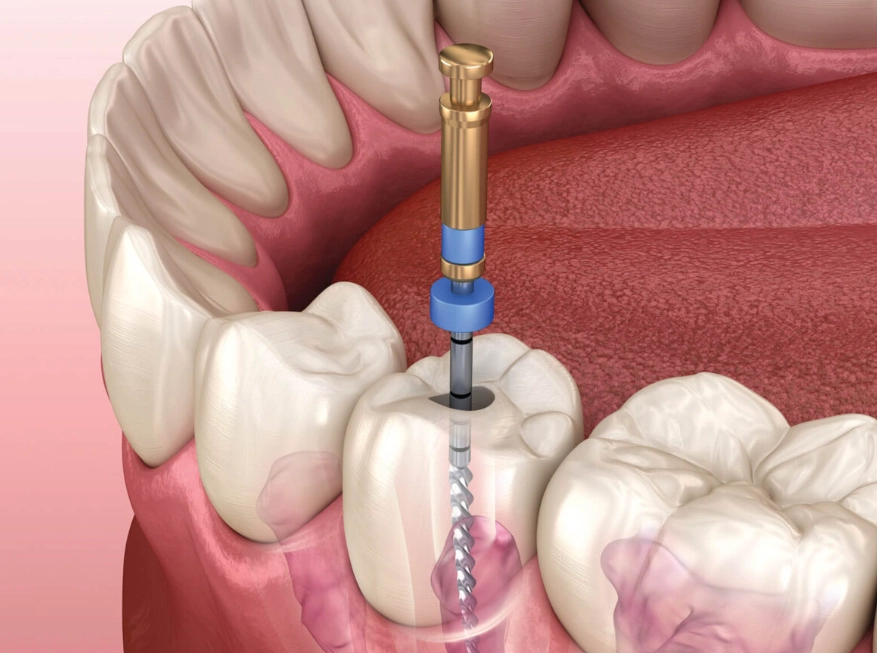
A root canal becomes necessary when the pulp—the soft tissue inside your tooth containing nerves and blood vessels—gets infected or inflamed. This doesn't happen overnight. It's the end stage of a process that starts with a tiny, often invisible, breach in your tooth's armor.
The main culprits are deep decay from a cavity that's been ignored, a crack or chip that allows bacteria in, or sometimes repeated dental procedures on the same tooth. Think of it like a small leak in a boat. If you ignore it, water eventually reaches the engine and everything stops. Your goal is to patch that leak long before the engine gets wet.
Key Insight: The biggest mistake I see? Patients waiting for "serious" pain. By the time you feel a persistent, throbbing ache, especially one that wakes you up at night, the infection is often already in the pulp. The battle to prevent root canal is won in the silent, pain-free stages.
The 3 Daily Hygiene Non-Negotiables (Most People Miss #2)
Brushing twice a day is Dentistry 101. But to truly fortify your teeth against the deep decay that demands a root canal, you need to level up.
1. Brushing: Technique Over Tools
An electric toothbrush is great, but a manual brush used correctly is better than a $200 electric one used poorly. Angle the bristles 45 degrees towards your gumline. Use short, gentle back-and-forth strokes—scrubbing hard wears down enamel and can cause gum recession, exposing sensitive areas. Spend a full two minutes. Most people do 45 seconds and call it a day.
2. Interdental Cleaning: This is the Game-Changer
This is the step most people skip, and it's where cavities love to start. Brushing only cleans about 60% of your tooth surfaces. The sides between your teeth are prime real estate for decay. You have three good options:
- Traditional Floss: Still the gold standard for tight contacts. Don't just snap it in and out. Curve it into a C-shape against one tooth, slide it up and down, then do the same against the neighboring tooth.
- Water Flosser: Fantastic for people with braces, bridges, or deep gum pockets. It's more of a rinse than a physical plaque remover, so I often recommend using it before flossing to loosen debris.
- Interdental Brushes: My personal favorite for wider gaps. They look like tiny bottle brushes and are incredibly effective at scraping plaque off those side surfaces.
Pick one and do it consistently, every night. The plaque that builds up between your teeth over 24 hours starts to harden into tartar, which you can't brush off.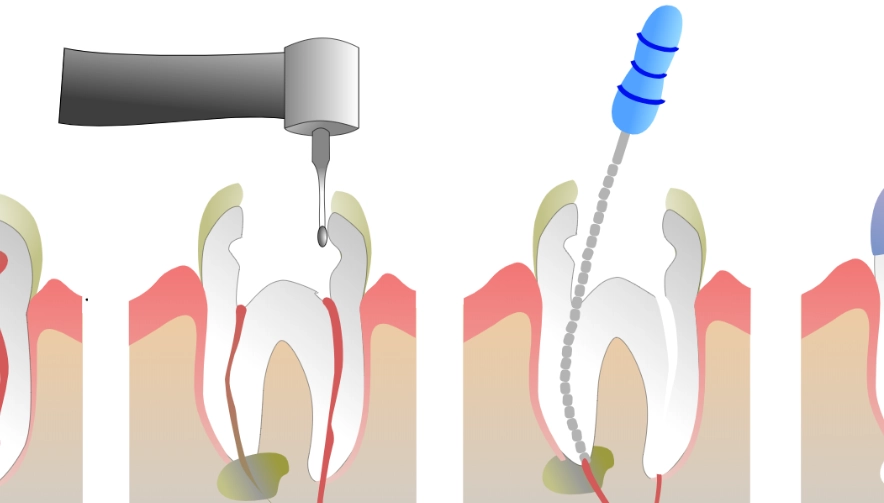
3. Fluoride: Your Tooth's Repair Kit
Fluoride isn't just for kids. It helps remineralize early decay, reversing small lesions before they become cavities. Use a fluoride toothpaste (check the label). At night, after brushing and flossing, spit out the excess toothpaste but don't rinse with water. This leaves a protective fluoride film on your teeth overnight. For an extra boost, ask your dentist about a prescription-strength fluoride gel if you're at high risk.
Your Diet: The Silent Killer of Tooth Nerves
You know sugar is bad. But the real enemy isn't just the amount of sugar, it's the frequency and the acidity.
Every time you eat or drink something sugary or acidic, the pH in your mouth drops, and your enamel starts to demineralize (lose minerals). It takes about 30-60 minutes for saliva to neutralize the acid and begin repairs. If you're sipping a latte with sugar all morning or snacking on crackers every hour, your teeth are under constant attack, with no time to recover.
| Common Offender | Why It's Risky | Better Habit |
|---|---|---|
| Sipping soda/coffee with sugar all day | Constant acid bath. No recovery time for enamel. | Drink it within a 20-minute meal window, then switch to water. |
| Dried fruit (raisins, apricots) | Concentrated sugar that sticks tenaciously to grooves. | Choose fresh fruit. If you eat dried, rinse with water immediately after. |
| Sports drinks & flavored water | Often highly acidic and sugary, marketed as "healthy." | Plain water for hydration. Save sports drinks for intense, prolonged exercise. |
| Frequent small snacks | Each snack resets the acid-attack clock. | Try to limit eating to 3-4 main meals/snacks per day. |
| Citrus fruits eaten alone | High acidity can directly erode enamel. | Eat them as part of a meal to dilute the acid. |
Chewing sugar-free gum with xylitol after meals can actually help. Xylitol inhibits the bacteria that cause decay, and chewing stimulates saliva, which is nature's best defense.
The Early Warning Signs You're Headed for Trouble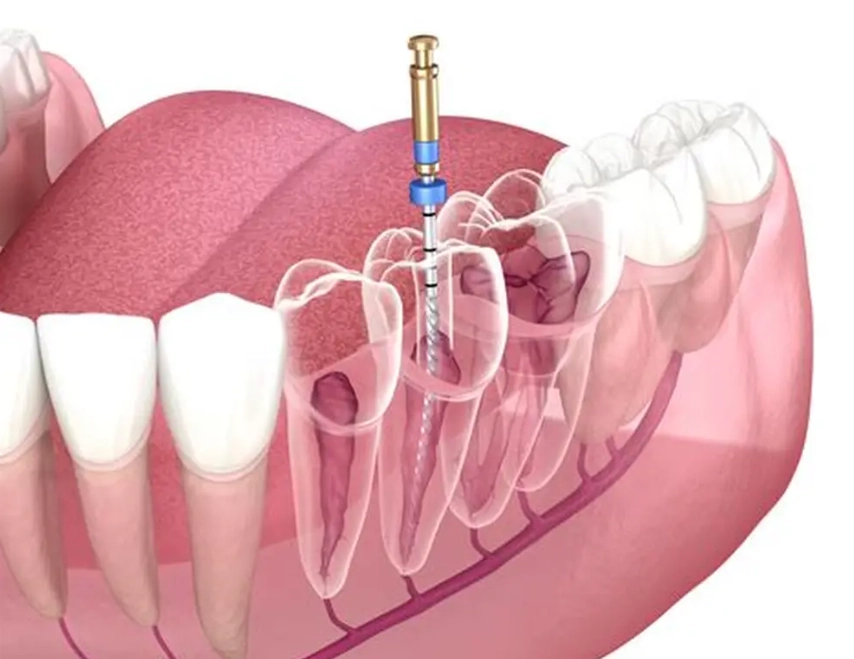
Pain is a late signal. Learn to recognize the earlier whispers from your teeth.
- Sensitivity to hot, cold, or sweets: A quick, sharp zing that disappears quickly often means a small cavity or exposed dentin. It's a warning flare.
- A visible hole or dark spot: Don't wait for it to hurt. A dark spot, especially in a pit or between teeth, is decay until proven otherwise.
- Pain when biting down: This can indicate a crack, a failing old filling, or an infection starting at the root tip.
- A pimple on your gums: This is a fistula—a drain for an infection at the root. It might not even hurt, but it means the infection is already there.
If you feel any of these, see your dentist within a week or two. That small cavity can be filled easily. Left for six months, it might reach the pulp.
Your Professional Prevention Game Plan
Your home care is the frontline, but your dentist is your strategic command. This partnership is non-negotiable.
Regular Check-ups & Cleanings: Go every six months, or as recommended. This isn't just a cleaning. It's an intelligence-gathering mission. We use sharp eyes and X-rays to find problems you can't see or feel. A small cavity on an X-ray is a five-minute filling. Miss it, and it becomes a two-hour root canal.
Sealants: Not just for kids. If you have deep grooves in your back teeth that trap food, sealants can be a brilliant protective barrier for adults too.
Addressing Cracks & Old Fillings: That large silver filling from 20 years ago? The tooth around it gets brittle. A small crack can develop, letting bacteria travel down to the nerve. Replacing a worn-out filling or placing a crown on a weak tooth before it cracks is proactive, preventative dentistry at its best. It's cheaper and easier than a root canal and crown later.
Night Guards: If you clench or grind (bruxism), you're putting massive force on your teeth. This can cause cracks, worn enamel, and inflame the pulp. A custom night guard from your dentist is an insurance policy for your teeth.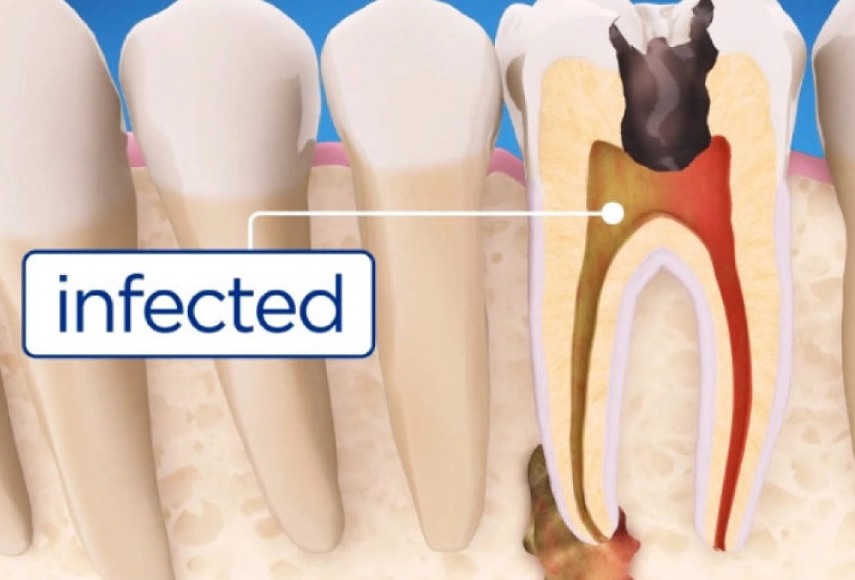
Your Top Root Canal Prevention Questions, Answered
 I have a deep filling. Does that mean I'll eventually need a root canal on that tooth?