Walk down the oral care aisle and you're bombarded with dozens of options all screaming "BEST MOUTHWASH." Whitening, antiseptic, alcohol-free, for sensitive teeth, natural... it's enough to make your head spin. Here's the truth most articles won't tell you: the "best" mouthwash doesn't exist in a vacuum. It's the one that matches your specific mouth chemistry and health goals. I've spent years trying products, reading studies from sources like the American Dental Association, and talking to hygienists. The biggest mistake people make? Grabbing a bottle because it's popular or smells nice, without knowing what the active ingredients actually do (or don't do) for them.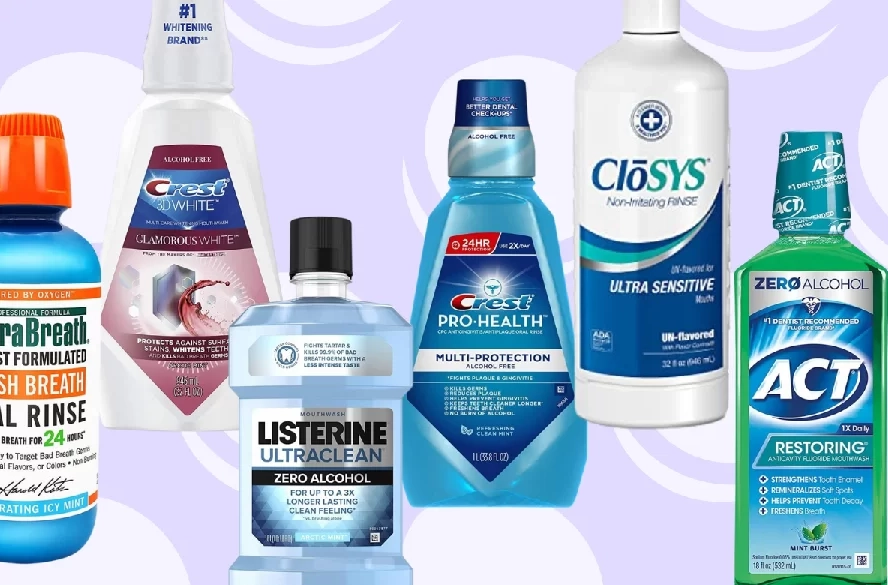
In This Article
Match Your Mouthwash to Your Problem (Not the Marketing)
Think of mouthwash like a targeted tool, not a universal fix. Using a heavy-duty antiseptic when you just want fresh breath is like using a sledgehammer to crack a nut. It might work, but it's overkill and can cause other issues.
If Your Main Concern is Bad Breath (Halitosis)...
You need a two-pronged attack. Most bad breath starts on the tongue and between teeth, where bacteria feast on food particles. A mouthwash that only masks odor with strong mint is a temporary fix. Look for formulas containing zinc compounds (like zinc chloride or zinc acetate) or chlorine dioxide. These don't just cover up smell; they neutralize the volatile sulfur compounds that bacteria produce. Cetylpyridinium chloride (CPC) can also help reduce bacteria levels. Avoid alcohol-heavy formulas if your mouth feels dry, as dry mouth can worsen bad breath.
A quick minty rinse won't solve chronic halitosis.
If You Have Sensitive Teeth...
This is non-negotiable: avoid alcohol and strong whiteners. Alcohol can be an irritant. Instead, search for the keyword potassium nitrate or stannous fluoride on the label. Potassium nitrate helps calm the nerves inside your teeth, while stannous fluoride both strengthens enamel and can block open dentin tubules (the tiny channels that lead to the nerve). Many sensitive toothpastes contain these, and using a matching rinse can extend the protection.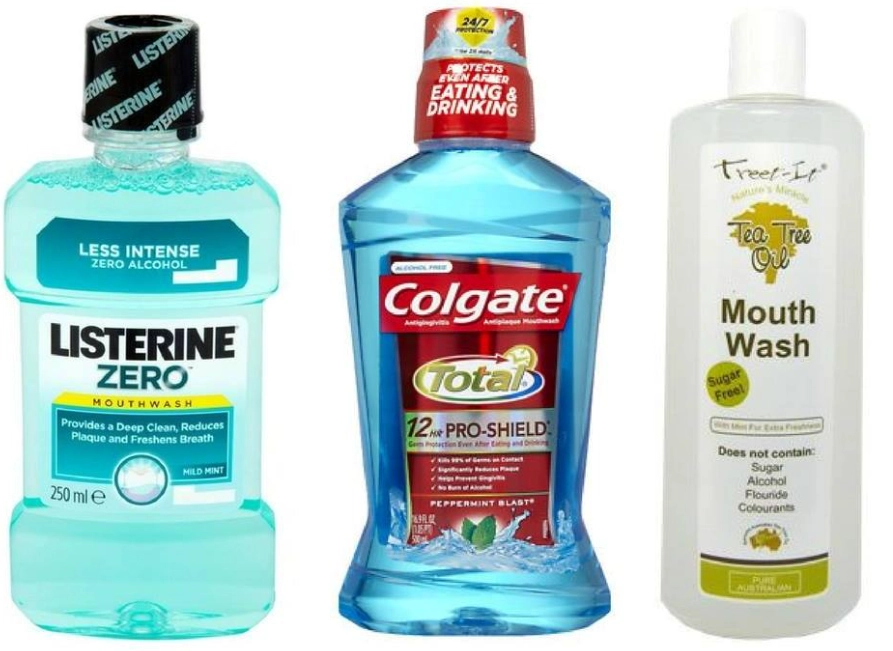
If You're Worried About Gum Health (Gingivitis)...
You're looking for therapeutic, anti-plaque power. The gold standard here is essential oil mouthwashes (like those containing thymol, eucalyptol, menthol, and methyl salicylate) – think the original, brown Listerine. They have decades of clinical backing for reducing plaque and gingivitis. Cetylpyridinium chloride (CPC) is another strong contender. These are meant to be used as an adjunct to brushing and flossing, not a replacement. They can help control the bacterial biofilm that leads to inflammation.
If You Want Whiter Teeth...
Manage your expectations. Whitening mouthwashes primarily work on surface stains (from coffee, tea, wine) and are maintenance tools, not miracles. They often contain low concentrations of hydrogen peroxide or carbamide peroxide. They might brighten your smile a shade or two over weeks of consistent use. For deeper stains, you'll need professional treatments. A common pitfall? Using a whitening rinse with alcohol, which can dry your mouth and actually make stains adhere more easily to dehydrated enamel.
The Ingredient Breakdown: What's Actually in the Bottle?
Flip the bottle and read the "Drug Facts" or active ingredients panel. This is where the real decision happens.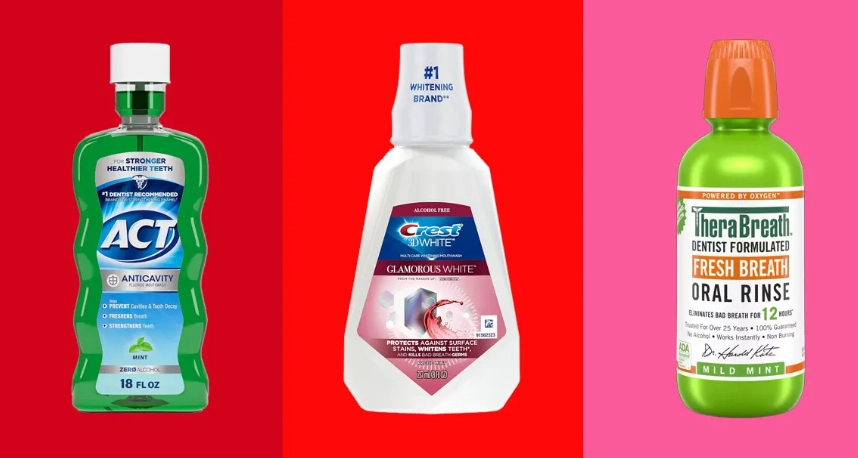
| Active Ingredient | Primary Job | Best For | Potential Downsides / Notes |
|---|---|---|---|
| Fluoride (Sodium Fluoride, Stannous Fluoride) | Strengthens enamel, fights cavities, can reduce sensitivity (Stannous). | Everyone, especially cavity-prone individuals; sensitivity (Stannous). | Stannous fluoride can cause temporary tooth staining (easily polished off). |
| Essential Oils (Thymol, Eucalyptol, etc.) | Antibacterial/anti-plaque, reduces gingivitis. | Gum health, plaque control. | Strong taste/burn; alcohol-based versions can be drying. |
| Cetylpyridinium Chloride (CPC) | Antibacterial, reduces plaque and bad breath bacteria. | Gingivitis, bad breath. | Can cause brown staining on teeth/tongue in some people. |
| Chlorhexidine Gluconate | Very potent prescription-grade antibacterial. | Post-surgical care, severe gingivitis (by prescription). | Not for daily/long-term use. Causes significant staining, altered taste. |
| Hydrogen Peroxide | Whitening (oxidizes stains), mild antibacterial. | Surface stain removal. | Can increase sensitivity, especially in higher concentrations. |
| Alcohol (Ethanol) | Solvent, carrier for other ingredients, provides "bite." | N/A (a vehicle, not an active therapeutic). | Dries out mucosa, can irritate sensitive mouths, linked to oral cancer risk in heavy drinkers/smokers (debated). |
Key Takeaway: Alcohol is not an active therapeutic ingredient. Its primary role is to dissolve other ingredients and create a sensation. If you experience burning, dryness, or have a history of canker sores, an alcohol-free formula is almost always the better choice.
How to Choose Your Best Mouthwash: A Step-by-Step Guide
Stop browsing randomly. Follow this decision tree next time you're shopping.
Step 1: Identify Your #1 Priority. Be honest. Is it fresh breath all day? Stopping gum bleeding when you floss? Cooling tooth sensitivity? Pick one main goal.
Step 2: Find the Matching Active Ingredient. Use the table above. For bad breath, look for zinc. For gums, look for essential oils or CPC. For sensitivity, potassium nitrate or stannous fluoride.
Step 3: Decide on Alcohol-Free. Unless you specifically enjoy the burn and have no issues with dryness, I generally recommend starting with an alcohol-free version of your chosen therapeutic type. It's just gentler.
Step 4: Check for Extras You Want (or Don't). Do you want fluoride for extra cavity protection? Do you prefer a clear formula to avoid potential staining from CPC? Is it important that it's vegan or free of artificial dyes? Read the full label.
Step 5: Try One for at Least 2 Weeks. Your mouth needs time to adjust. Don't judge it on the first rinse. Note if your primary concern improves.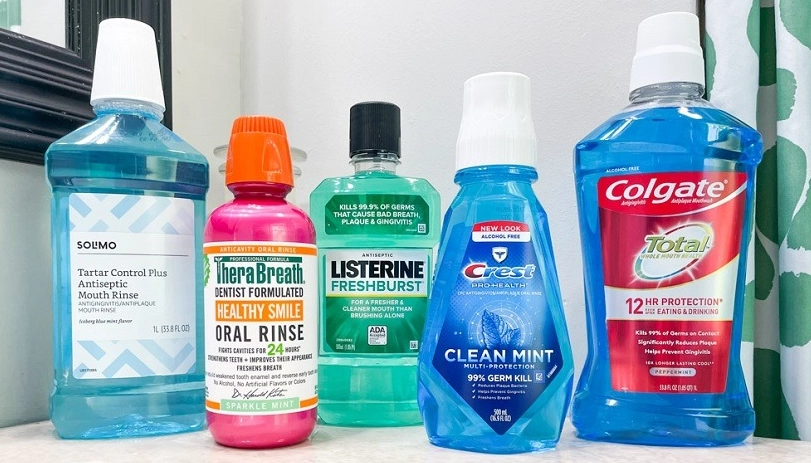
Common Mistakes and How to Use Mouthwash Correctly
Even the best mouthwash won't work if you use it wrong.
Mistake #1: Rinsing immediately after brushing. You're washing away the concentrated fluoride from your toothpaste. Wait at least 30 minutes after brushing to use a fluoride rinse. If your mouthwash doesn't contain fluoride, timing matters less, but I still prefer to use it at a separate time, like after lunch.
Mistake #2: Using it as a substitute for brushing and flossing. This is the cardinal sin. Mouthwash cannot mechanically remove plaque from tooth surfaces. It's a supplement, not a replacement. Think of it as a final disinfecting rinse after the physical cleaning is done.
Mistake #3: Not swishing long enough. 30 seconds is not enough for the ingredients to work. Most therapeutic rinses require a full 60 seconds of vigorous swishing, making sure it gets between teeth and over the tongue.
Mistake #4: Eating or drinking right after. To let the active ingredients (especially fluoride) do their job, try not to eat or drink for 30 minutes after rinsing.
Your Top Mouthwash Questions Answered
 Can mouthwash actually kill the "good bacteria" in my mouth and disrupt my oral microbiome?
The search for the best mouthwash ends when you stop looking for a magic bullet and start looking for a targeted solution. Ignore the flashy front labels and become a back-label detective. Match the active ingredients to your mouth's unique needs, use it correctly, and you'll transform it from a mere breath freshener into a genuine tool for better oral health.