You see them in every drugstore aisle. Promises of a Hollywood smile in a box, for a fraction of the dentist's price. Teeth whitening strips are incredibly popular, and it's easy to see why. But that little voice in your head keeps asking: are they too good to be true? Do whitening strips damage teeth?
The short answer is: they can, but usually only when misused. Think of them like a powerful cleaning agent. Used correctly according to the label, they're effective and safe for most people. Used incorrectly—left on too long, used too often, or applied to unhealthy teeth—they can cause real problems. I've seen patients in my practice who've turned a simple whitening project into a months-long sensitivity nightmare because they ignored the instructions, thinking "more must be better."
This guide isn't here to scare you away from whitening strips. It's here to give you the clear, honest information you need to use them safely and effectively, or to know when to skip them altogether.
What You'll Find in This Guide
How Do Whitening Strips Actually Work?
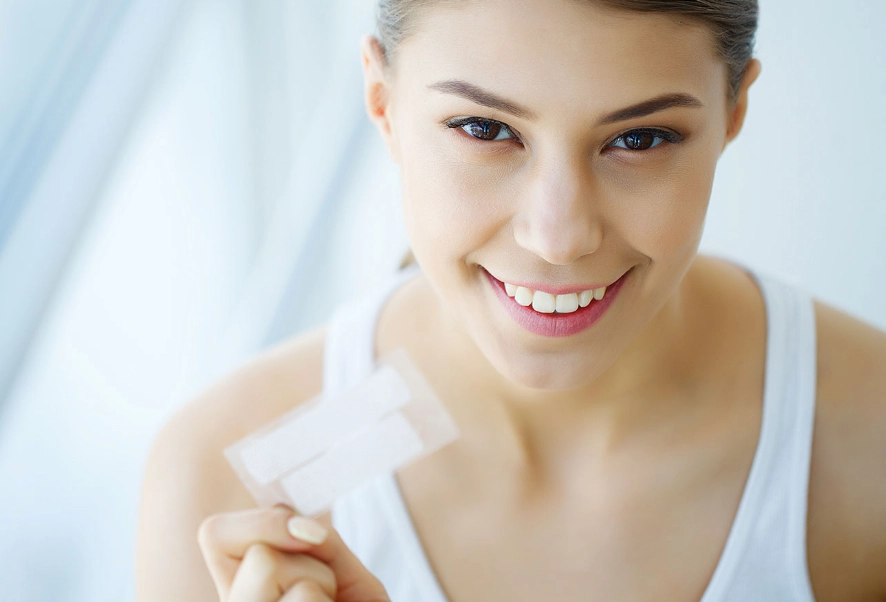
Let's demystify the process. Whitening strips are thin, flexible pieces of plastic coated with a gel. That gel contains the active ingredient, which is almost always hydrogen peroxide or carbamide peroxide.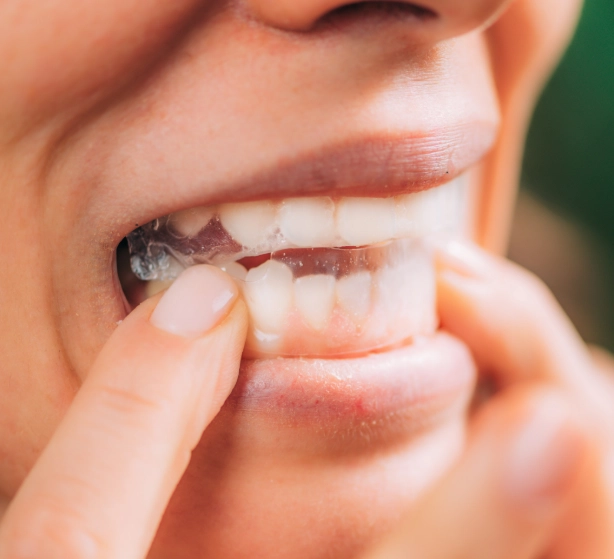
Here's the simple chemistry: when the peroxide gel touches your teeth, it breaks down into tiny molecules that penetrate the enamel (the hard, outer layer) and reach the dentin beneath. The dentin contains the pigments that make teeth look yellow or stained. These peroxide molecules react with the pigment molecules, breaking them into smaller, colorless pieces through an oxidation process. This lightens the overall color of your tooth.
The Real Risks: What Can Go Wrong?
So, where does the damage come in? The risks are directly tied to the peroxide and how it's applied. Here's a breakdown of the most common issues, from mild annoyances to more serious concerns.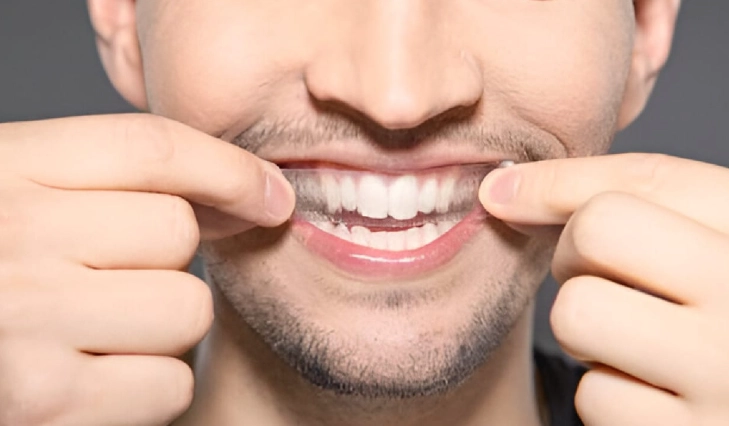
Tooth Sensitivity: The #1 Complaint
This is by far the most common side effect. As the peroxide penetrates your tooth, it can temporarily irritate the nerve inside (the pulp). This often feels like a sharp, fleeting zing when you drink something cold or hot, or even breathe in cold air.
For most, this sensitivity is mild and goes away a few days after you stop treatment. But for people with already thin enamel or receding gums, it can be severe. A mistake I see often? People using strips labeled for "1-hour application" for 3 hours because they want faster results. That's a guaranteed ticket to sensitive-tooth city.
Gum Irritation and Chemical Burns
The strips aren't always a perfect fit. If the gel oozes out and sits on your gums, the peroxide can irritate or even chemically burn the soft tissue. This looks like white patches or redness on your gums, and it can be quite painful.
This usually happens when people use strips that are too long and fold over onto the gums, or when they squeeze the strip too hard against their teeth, forcing the gel out. The irritation typically heals on its own in a few days once you stop, but it's a clear sign you need to adjust your technique.
Enamel Erosion: The Big, Scary (and Often Misunderstood) Risk
This is what everyone is truly afraid of: permanently damaging the hard, protective shell of their teeth. The truth is nuanced.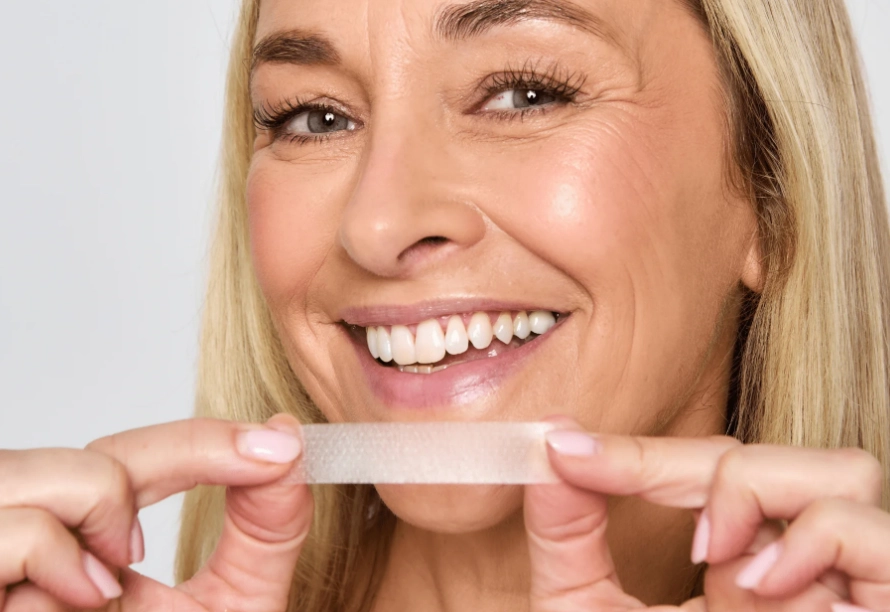
Peroxide itself is not acidic enough to directly erode enamel. However, many whitening gels have a low pH to stabilize the peroxide. This acidic environment, combined with the physical abrasion of brushing too soon after whitening, can contribute to enamel softening and wear over time.
The real danger comes from chronic overuse. Using strips daily for months on end, or using them when you already have significant enamel wear, is asking for trouble. Your enamel doesn't grow back.
Uneven Results and "Technicolor Teeth"
Damage isn't always physical. Aesthetic damage counts too. Strips don't whiten crowns, fillings, or veneers. If you have visible dental work on your front teeth, whitening the natural teeth around them will create a mismatched, patchy look. You need to consult a dentist before starting.
Also, if the strip doesn't make full, even contact, you can end up with blotchy whiteness or even white spots where the gel was concentrated. This is often temporary but can be frustrating.
How to Use Whitening Strips Safely: A Step-by-Step Guide
Minimizing risk is all about technique and moderation. Follow this checklist.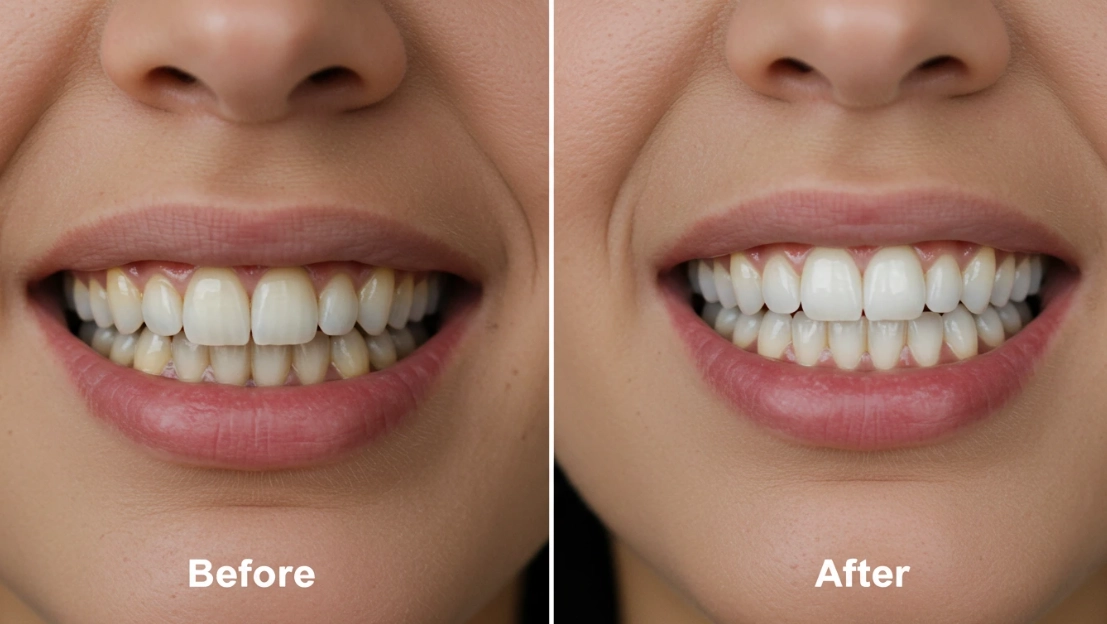
- Get a Dental Check-Up First: I can't stress this enough. A quick visit can rule out cavities, gum disease, or thin enamel that make whitening a bad idea. It's the single best safety step.
- Read the Damn Instructions: Every brand is different. Adhere strictly to the recommended application time (usually 30-60 minutes) and treatment length (often 7-14 days). More is not better.
- Dry Your Teeth: Before applying, lightly dry your teeth with a tissue. Saliva dilutes the gel and makes the strip slip, increasing gum contact.
- Trim for a Custom Fit: If the strip is too long for your teeth, use clean scissors to trim it. It should cover the visible front surface of your teeth and not fold onto your gums.
- Press Gently, Don't Squish: Apply the strip and press it gently to ensure contact. Avoid mashing it, which squeezes gel out.
- Mind the Clock: Set a timer. Do not fall asleep with them on.
- Post-Whitening Care: After removing, rinse your mouth. Wait at least 30 minutes before eating or drinking, and avoid dark-colored foods/drinks for a couple of hours. Use a toothpaste for sensitive teeth during your treatment period.
- Take Long Breaks: Don't use strips back-to-back. After one kit, give your teeth a rest for several months.
Who Should Absolutely Avoid Whitening Strips?
For some people, the risks far outweigh any potential benefit. You should skip OTC strips if you have:
- Unfilled cavities: The peroxide will seep into the cavity, causing severe pain and potentially damaging the nerve.
- Active gum disease or receding gums: Your tooth roots (dentine) will be exposed and are much more sensitive. The gel will cause extreme pain.
- Extremely sensitive teeth already.
- Visible crowns, veneers, or large fillings on your front teeth. They won't change color.
- Allergies to peroxide or other ingredients in the gel.
- Children or teenagers whose teeth and pulp chambers are still developing.
If you fall into any of these categories, talk to your dentist. Professional, supervised whitening can often still be an option with protective measures.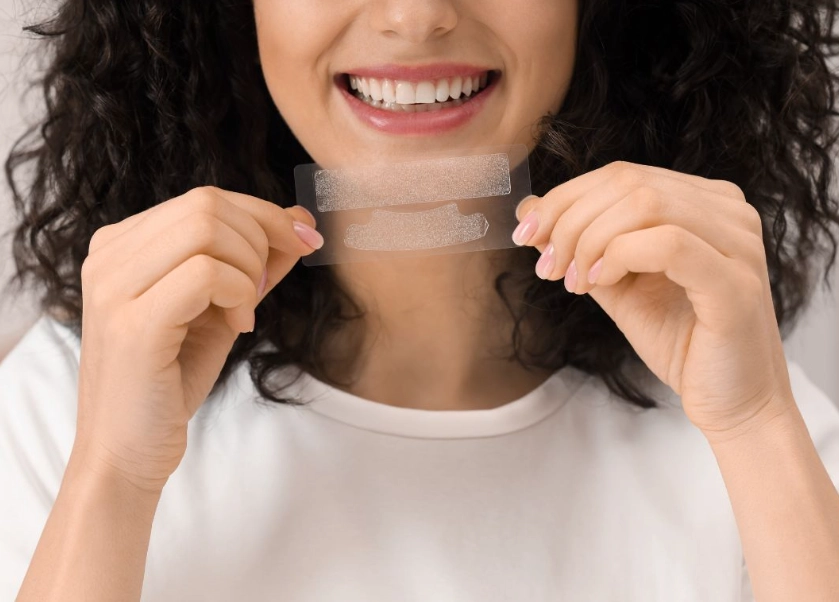
Strips vs. Professional Whitening: It's Not Just About Strength
People think the only difference is peroxide concentration. That's part of it, but the control and protection are what you're really paying for.
| Factor | Over-the-Counter Whitening Strips | In-Office Professional Whitening |
|---|---|---|
| Peroxide Concentration | Lower (typically 3-10% hydrogen peroxide). Regulated as a cosmetic. | Higher (15-40%+). Applied by a professional. |
| Gum & Tissue Protection | None. Gel can contact gums directly. | Gums are covered with a protective barrier (liquid dam or gel). |
| Customization | One-size-fits-most strips. | Custom-fitted trays are made from your teeth impressions. |
| Speed of Results | Gradual, over 1-2 weeks. | Often dramatic results in one 60-90 minute session. |
| Cost | Low ($20-$50 per kit). | High ($500-$1000). |
| Safety Oversight | You are the sole operator. No professional assessment. | Dentist assesses your oral health first and monitors the process. |
| Best For | Healthy teeth with mild to moderate surface stains, for budget-conscious users who follow directions meticulously. | Faster results, significant staining, sensitive teeth, people with dental work, or anyone wanting maximum safety and supervision. |
The takeaway? Strips are a DIY project. Professional whitening is a contracted job with a safety inspector on site.
Your Top Whitening Strip Questions, Answered
So, do whitening strips damage teeth? Used wisely and occasionally by someone with healthy teeth and gums, they are a generally safe and effective way to brighten your smile. The damage comes from ignoring the rules, overdoing it, or using them when you shouldn't. Your teeth are with you for life. A little patience and caution with whitening go a long way in keeping them healthy, strong, and yes—beautifully white.