Quick Guide
- The Top Culprit: What Lemon Water Does to Your Teeth
- Beyond the Smile: Digestive Discomfort and Acid Reflux
- The Medication Minefield: Unexpected Interactions
- Other Potential Pitfalls and Annoyances
- Who Should Be Especially Cautious or Avoid It?
- If You Still Want to Drink It: How to Minimize the Risks
- Answering Your Burning Questions
- The Final Squeeze: A Balanced View
Let's be real, the health and wellness world loves a simple miracle. A few years back, it was apple cider vinegar. Before that, coconut oil. Right now, if you scroll through any wellness blog or social media feed, you'll likely see a glowing person holding a glass of warm water with a slice of lemon, promising everything from fat melting to toxin flushing. I bought into it too. For months, my morning routine wasn't complete without that tart, warm cup. It felt clean, healthy, and proactive.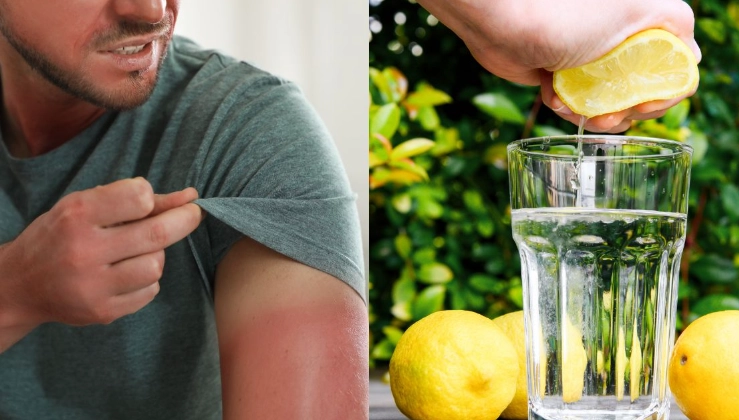
But then my dentist asked a question during a routine check-up that stopped me cold. "Do you sip on acidic drinks throughout the day?" He pointed to some early, worrying signs on my back teeth. That was my first real clue that my healthy habit might have a hidden cost. It got me digging, and what I found was a lot more nuanced than the glowing endorsements online. So, let's cut through the hype. What are the disadvantages of drinking lemon water daily? The list is longer and more significant than you might think.
This isn't about fear-mongering. Lemon water has its place—it's a great source of vitamin C and can help with hydration. But blind, daily consumption without understanding the risks? That's where the trouble starts. We're going to look at the real science, talk to the concerns dentists and doctors actually have, and figure out who should probably avoid it altogether.
The Top Culprit: What Lemon Water Does to Your Teeth
If you take away one thing from this article, let it be this: the citric acid in lemon is public enemy number one for your tooth enamel. Enamel is that hard, protective outer layer. And once it's gone, it's gone for good. Your body can't regenerate it.
The process is called erosion. Citric acid softens and dissolves the mineral content of your enamel. Every sip creates a temporary acidic environment in your mouth. Do this daily, first thing in the morning on an empty stomach, and you're essentially giving your teeth a daily acid bath. The question "what are the disadvantages of drinking lemon water daily?" almost always starts here.
I remember my dentist explaining it like this: "Imagine taking a fine-grit sandpaper to a shiny countertop every day. It might take a year, but eventually, you'll see the dullness, the scratches, the damage." Symptoms don't show up overnight, which is the sneaky part. By the time you feel sensitivity to hot, cold, or sweet things, significant erosion has already occurred.
A quick but important note: Brushing your teeth immediately after drinking lemon water is one of the worst things you can do. You're brushing acid onto and into the softened enamel, accelerating the wear. Always wait at least 30 minutes to an hour to allow your saliva to naturally neutralize the acid and re-harden the enamel surface.
Factors that make tooth erosion from lemon water worse:
- Drinking it warm: Heat can increase the chemical reaction rate of the acid.
- Sipping it slowly over a long period: This prolongs the acid attack. Gulping it down (though not always pleasant) is actually less harmful.
- Having it first thing in the morning: Saliva flow, your mouth's natural defender, is lowest overnight.
- Pre-existing dental work: Acid can weaken the edges of fillings or crowns, leading to leaks or failure.
The American Dental Association has clear resources on dietary acids and oral health. They don't single out lemon water, but they consistently warn about the dangers of frequent exposure to acidic foods and drinks. It's a primary cause of tooth wear they see in adults.
So, is that bright smile worth compromising for a trendy drink?
Beyond the Smile: Digestive Discomfort and Acid Reflux
This one hits home for a lot of people, myself included. We're often told lemon water alkalizes the body. Here's the blunt truth: that's a massive oversimplification of human biochemistry. In your stomach, lemon juice is unequivocally acidic. It has a pH of around 2-3.
Pouring an acidic liquid into an empty stomach first thing in the morning can be a direct trigger for people prone to heartburn or GERD (Gastroesophageal Reflux Disease). The lower esophageal sphincter, the valve that keeps stomach acid from coming back up, can be relaxed by the acidity, allowing for reflux. For these individuals, asking "what are the disadvantages of drinking lemon water daily?" might be answered with a painful, burning sensation in the chest.
Even for those without diagnosed GERD, the sudden acidity can cause general discomfort, bloating, or a feeling of unease. Your stomach is preparing for food, not a shot of citric acid. Some people might adapt, but others won't. It's a very individual thing.
A friend of mine struggled with mysterious morning heartburn for months. She cut out coffee, spicy food, the works. It wasn't until she mentioned her "healthy" lemon water habit to her doctor that the penny dropped. She stopped the lemon water, and the heartburn disappeared within a week. She was literally causing her own problem in the name of health.
Can It Cause or Worsen Ulcers?
This is a common fear. The current medical consensus, from sources like the National Institute of Diabetes and Digestive and Kidney Diseases, is that citrus juices and acidic foods don't cause peptic ulcers (most are caused by H. pylori bacteria or NSAIDs like ibuprofen). However, if you already have an ulcer, pouring acid on it is undeniably going to irritate it and slow healing. It's like pouring lemon juice on a cut on your skin—it's going to sting and won't help it heal.
The Medication Minefield: Unexpected Interactions
This is a disadvantage that flies completely under the radar. Lemon, specifically its high vitamin C (ascorbic acid) and flavonoid content, can interfere with how your body processes certain medications.
One of the most significant interactions is with a class of drugs called statins (like atorvastatin), which are used to lower cholesterol. Grapefruit juice is the famous villain here, but lemon contains some of the same compounds (though generally in lower concentrations). These compounds inhibit an enzyme in your gut called CYP3A4, which is responsible for breaking down the drug. Less breakdown means more drug stays in your bloodstream, potentially leading to an overdose and severe side effects like muscle damage.
Other potential interactions include:
- Aluminum-containing antacids: The citric acid can increase aluminum absorption, which is not good for long-term health.
- Certain blood pressure drugs: Potential for increased effects.
- Some chemotherapy drugs: The interaction can be dangerous and unpredictable.
The key takeaway? If you're on any regular medication, you must consult your doctor or pharmacist before making daily lemon water a ritual. It's not worth the risk. This alone is a critical answer to the query about the disadvantages of drinking lemon water daily for a large segment of the population.
Other Potential Pitfalls and Annoyances
The big three above are the heavy hitters, but the list doesn't end there.
It Can Be Hard on Your Bladder (For Some)
Acidic foods and drinks are a common irritant for the bladder lining. For people with interstitial cystitis or a sensitive bladder, the diuretic effect of the water combined with the acidity of the lemon can trigger urgency and frequency, making a condition worse rather than better.
The "Detox" Myth and Kidney Stones
Let's dismantle the "detox" claim quickly. Your liver and kidneys are your phenomenal, built-in detox system. Lemon water doesn't make them work better; they already work at 100%. However, for a specific type of kidney stone (calcium oxalate stones), the citric acid in lemon juice can actually be beneficial—it binds to calcium in the urine, preventing stone formation. But here's the twist: lemon is also high in oxalates. For some people prone to oxalate-type stones, a huge daily intake could theoretically contribute to the problem. It's a double-edged sword that depends entirely on your personal health history.
Skin and Sun Sensitivity (Phytophotodermatitis)
This is a weird one. Lemon juice on your skin, combined with sun exposure (UVA rays), can cause a nasty chemical burn-like reaction called phytophotodermatitis. If you're squeezing fresh lemon and get some on your hands or around your mouth, and then go out in the sun, you might develop a red, blistering rash that can later turn into hyperpigmentation. It's a real, though less common, downside for daily handlers.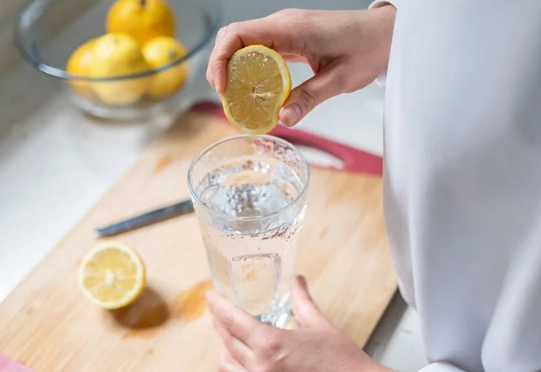
It's Not a Magic Weight Loss Elixir
This is a disappointment, not a danger. Lemon water has virtually zero calories. If it replaces a morning sugary latte or soda, then yes, you'll cut calories and may lose weight. But the lemon itself does not possess fat-burning properties. The pectin fiber theory (that it makes you feel full) is largely debunked, as the amount of pectin in a squeeze of lemon is negligible. Relying on it for weight loss while ignoring diet and exercise is a sure path to frustration.
See? It's more complicated than "just add lemon."
Who Should Be Especially Cautious or Avoid It?
Given these points, certain groups should think twice or have a direct chat with their healthcare provider.
| Who? | Primary Concern | Recommended Action |
|---|---|---|
| People with sensitive teeth, worn enamel, or a history of cavities | Accelerated tooth erosion and pain. | Avoid or use a straw, rinse with water after, never brush immediately after. |
| Individuals with GERD, heartburn, or a sensitive stomach | Triggering or worsening acid reflux symptoms. | Likely best to avoid, especially on an empty stomach. |
| Anyone on regular medication (esp. statins, BP meds, chemo) | Risk of dangerous drug interactions. | Mandatory consultation with a doctor or pharmacist first. |
| People with mouth ulcers or canker sores | Extreme pain and delayed healing. | Avoid until fully healed. |
| Those with interstitial cystitis or bladder pain syndrome | Bladder irritation and increased urgency. | Consider eliminating to see if symptoms improve. |
If You Still Want to Drink It: How to Minimize the Risks
Maybe you've read all this and still love your ritual. Fair enough. Here's how to do it as safely as possible. Think of these as damage control measures.
- Dilute, Dilute, Dilute: Use a very small amount of lemon juice in a large glass of water. The weaker the concentration, the less acidic the assault.
- Use a Straw: A simple, reusable straw can bypass your teeth almost entirely, directing the liquid toward the back of your mouth. This is one of the most effective protective steps.
- Drink It Quickly: Don't nurse it for an hour. Finish it in a few minutes to reduce the duration of acid exposure.
- Rinse with Plain Water After: Swish with plain tap water immediately after finishing to help wash away and neutralize the acid.
- Wait to Brush: As stated, wait at least 30-60 minutes before brushing your teeth.
- Consider Having It With Food: Having it during or just after a meal is better than on an empty stomach. The food helps buffer the acid.
- Listen to Your Body: If you get heartburn, stomach cramps, or increased tooth sensitivity, stop. Your body is giving you the clearest answer to what are the disadvantages of drinking lemon water daily for you.
The Safer Sipping Checklist: Straw → Heavy Dilution → Quick Drink → Water Rinse → Wait to Brush. Tick these off, and you're being much smarter about it.
Answering Your Burning Questions
Is cold lemon water better than warm?
From a dental perspective, cold might be slightly less erosive than warm, as temperature can affect reaction rates. But the difference is minor compared to the power of dilution and using a straw. The warmth is mostly for comfort and doesn't add health benefits.
What about bottled lemon juice vs. fresh?
Fresh is generally better. Some bottled lemon juices contain preservatives like sulfites, which can trigger allergies in sensitive individuals. They also often have added oils from the peel (to enhance flavor) which can increase the risk of phytophotodermatitis. Fresh squeezing gives you control.
Can I just take a vitamin C supplement instead?
For pure vitamin C intake, a supplement is far more efficient and doesn't carry the acid risk for your teeth and stomach. However, you miss out on the hydration push and the simple ritual of the drink. It's a trade-off.
Are there any alternatives for a morning "cleanse" drink?
Plain water is always the champion. If you want flavor without acid, try infusing water with cucumber slices, a sprig of mint, or a couple of frozen berries. Herbal teas (non-caffeinated) like ginger or peppermint are also excellent, gentle options for the morning.
The Final Squeeze: A Balanced View
Look, I'm not here to tell you to pour your lemon water down the drain. But I am here to tell you to think critically. The wellness industry sells simplicity, but biology is complex. The disadvantages of drinking lemon water daily are real, significant, and often silently cumulative.
For a healthy person with robust teeth and no stomach or medication issues, drinking it occasionally and wisely is probably fine. But elevating it to a non-negotiable, daily health sacrament? That's where you run into trouble. The potential harm to your dental health—which is expensive and painful to fix—is a very high price to pay for a habit that offers minimal, if any, unique health benefits you can't get elsewhere.
My own journey ended with me ditching the daily lemon. I switched to plain water or herbal tea in the morning, and I get my vitamin C from a variety of fruits and vegetables throughout the day. My teeth (and my dentist) are happier for it.
So, before you squeeze that next lemon into your glass, ask yourself: what's my real goal here? If it's hydration, water is perfect. If it's vitamin C, eat an orange or a bell pepper. If it's a comforting ritual, find one that doesn't come with a hidden cost. Your body will thank you in the long run.
Ultimately, understanding the full answer to "what are the disadvantages of drinking lemon water daily?" empowers you to make a choice that's genuinely healthy for you, not just following a trend. And that's the smartest health habit of all.