What You'll Learn
Let's get straight to the point. Yes, you can heal cavities naturally, but only if they're in the early stages. I've been down this road myself. A few years back, my dentist pointed out a small spot on my molar. Instead of rushing to fill it, I decided to try natural methods. Six months later, the decay had stopped progressing. It's not magic—it's science. This guide will walk you through exactly how to do it, based on research and personal experience.
First, understand that cavities form when acid from bacteria erodes tooth enamel. The body can remineralize teeth, putting minerals back into the enamel. But this only works if the decay hasn't gone too deep. The American Dental Association acknowledges that remineralization is possible with proper care. So, if you've got a small cavity, you might avoid the drill.
The Truth About Healing Cavities Naturally
Many people think cavities are permanent holes that need filling. That's not entirely true. In the initial stage, called white spot lesions, the enamel is demineralized but not yet broken. At this point, you can reverse it. Once it penetrates the dentin, the layer underneath, natural methods won't cut it. You'll need a dentist.
I remember reading online claims that you can heal any cavity with oil pulling alone. That's a myth. Oil pulling might help reduce bacteria, but it won't rebuild enamel. The real key is combining diet, hygiene, and lifestyle. A study published in the Journal of Dental Research shows that remineralization therapies can be effective when applied early.
Here's a quick reality check. If your cavity causes pain or sensitivity to hot and cold, it's probably too late for natural healing. See a dentist. But for those silent, early spots, you have a window of opportunity.
How Your Diet Can Reverse Tooth Decay
Diet is the biggest factor in healing cavities naturally. Think of your teeth as living tissue that needs nutrients to repair itself. The mistake most people make? They focus on avoiding sugar but forget to add the right foods.
Foods to Eat for Remineralization
Your teeth need calcium, phosphorus, and fat-soluble vitamins like A, D, and K2. These work together to move minerals into the enamel. I started eating more dairy, leafy greens, and nuts. Fermented foods like sauerkraut and kefir are also great because they improve gut health, which affects oral health.
Here's a table of top foods that help heal cavities:
| Food | Key Nutrients | How It Helps |
|---|---|---|
| Cheese | Calcium, phosphorus | Raises pH in mouth, reduces acid |
| Leafy greens (spinach, kale) | Calcium, vitamin K | Supports bone and tooth density |
| Fatty fish (salmon) | Vitamin D | Helps absorb calcium |
| Nuts and seeds | Phosphorus, magnesium | Promotes remineralization |
| Bone broth | Collagen, minerals | Strengthens tooth structure |
I made a habit of having a piece of cheese after meals. It sounds simple, but it made a difference. Also, consider vitamin D supplements if you don't get enough sun. The National Institutes of Health notes that vitamin D deficiency is linked to higher cavity risk.
Foods to Avoid
Sugar is the obvious villain, but acidic foods are just as bad. Soda, citrus juices, and even some fruits can erode enamel. I cut out sugary snacks and switched to water with meals. Another tip: avoid frequent snacking. Every time you eat, your mouth becomes acidic for about 30 minutes. So, fewer meals mean less acid exposure.
Some "healthy" foods can be tricky. Dried fruits, for example, stick to teeth and feed bacteria. I learned this the hard way after munching on raisins and wondering why my teeth felt fuzzy.
Essential Oral Hygiene Habits for Cavity Reversal
Brushing and flossing are non-negotiable, but most people do them wrong. You're not just cleaning teeth; you're creating an environment where remineralization can happen.
Use a fluoride toothpaste. Yes, fluoride is controversial in natural health circles, but it's proven to strengthen enamel. The ADA recommends it for cavity prevention. If you prefer natural, look for hydroxyapatite toothpaste—it's a mineral similar to tooth enamel.
Brushing technique matters. I used to scrub hard, thinking it would clean better. Wrong. That can wear down enamel. Soft, circular motions for two minutes, twice a day. And don't rinse immediately after brushing; let the fluoride sit on your teeth.
Flossing is crucial. Cavities often start between teeth where brushes can't reach. I started flossing every night, and it reduced bleeding gums within a week.
Consider mouthwash, but choose wisely. Alcohol-based ones can dry out your mouth, reducing saliva that protects teeth. I switched to a xylitol mouthwash. Xylitol is a natural sweetener that reduces cavity-causing bacteria.
Pro tip: If you have a specific spot with early decay, apply a dab of remineralizing toothpaste directly to it before bed. Leave it on overnight. I did this with my molar, and it seemed to help.
Common Mistakes People Make When Trying to Heal Cavities
I see folks jumping into natural remedies without a plan. Here are pitfalls to avoid.
Overdoing acidic remedies: Apple cider vinegar is popular for health, but it's highly acidic and can damage enamel if used undiluted. If you use it, dilute it and rinse your mouth with water afterward.
Ignoring dental check-ups: Just because you're trying natural methods doesn't mean you should skip the dentist. I went for a check-up every three months to monitor progress. Your dentist can take X-rays to see if the cavity is healing or worsening.
Relying on one method: Healing cavities naturally requires a holistic approach. Diet alone won't work if your oral hygiene is poor. Similarly, perfect brushing won't compensate for a sugary diet.
Expecting quick results: Remineralization takes time. I noticed changes after about three months, but it can vary. Be patient and consistent.
Another mistake is not addressing dry mouth. Saliva is nature's cavity fighter. If you have dry mouth from medications or breathing through your mouth, chew sugar-free gum with xylitol to stimulate saliva.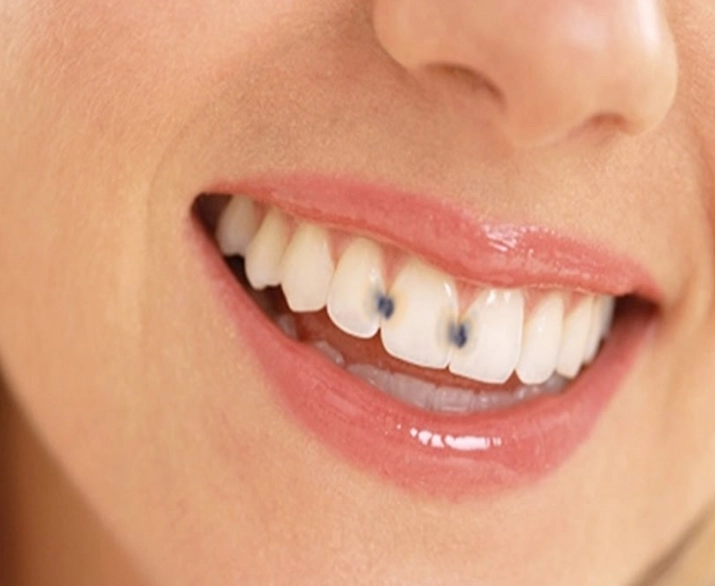
Frequently Asked Questions
Healing cavities naturally isn't a quick fix, but it's a powerful way to take control of your dental health. Start with small changes—add more greens to your meals, switch to a better toothpaste, and be mindful of snacking. Your teeth will thank you.