You brush, you floss, maybe you even use a water flosser. But what about your plate? The connection between what you eat and the health of your teeth and gums isn't just folklore—it's biochemistry. Every meal is a negotiation with the millions of bacteria in your mouth. Get it right, and you're building stronger enamel and resilient gums. Get it wrong, and you're funding the very plaque that causes cavities and inflammation.
I've spent years looking at mouths, and the patterns are undeniable. The state of someone's oral health often mirrors their pantry. This guide cuts through the noise. We're moving beyond "sugar is bad" (though it is) and into the actionable, often overlooked dental nutrition tips that can change your next dental checkup from a lecture into a celebration.
What You'll Learn in This Guide
The Dental Health Plate: A Practical Model for Everyday Eating
Forget memorizing long lists. Think of building a plate that supports your smile. This isn't about restriction; it's about strategic inclusion.
Here’s the visual: Imagine your lunch or dinner plate. Now, aim to fill it with these categories.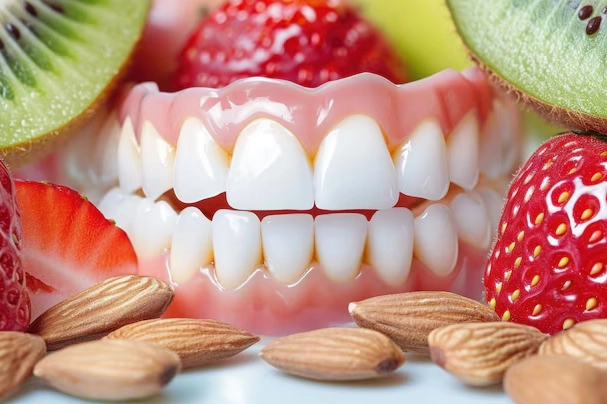
- Top Picks: Raw carrots, celery, apples, cucumbers, bell peppers, cauliflower.
- Pro Tip: Eat these at the end of your meal. Having an apple after lunch is better than as a standalone snack. It helps clear food debris left behind by other items.
- Top Picks: Cheese (especially hard cheeses like cheddar), plain yogurt, milk, almonds, leafy greens (kale, spinach), canned salmon with bones.
- Pro Tip: A cube of cheese after a sugary treat isn't an old wives' tale. Cheese helps neutralize acid and provides a burst of remineralizing calcium and phosphate.
The remaining half of your plate? That's for your proteins and wholesome grains. The key is to be mindful of texture and stickiness. A sticky raisin bran muffin can be more problematic than a piece of dark chocolate because it adheres to grooves.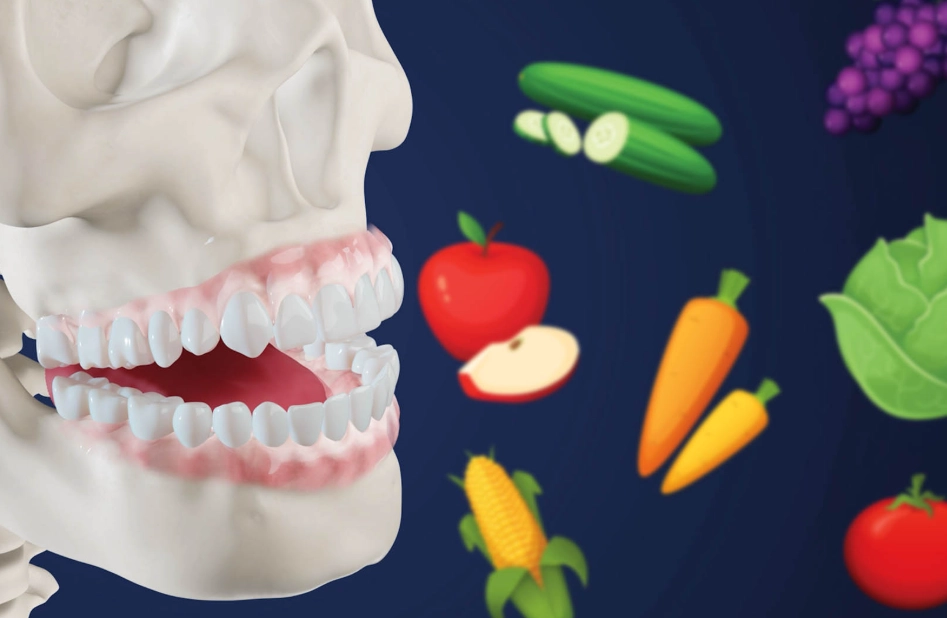
How Does Sugar Actually Damage Teeth? (It's Not What You Think)
We all know sugar is the villain. But the mechanism is where people get tripped up. It's not the sugar itself that drills holes. It's the acid produced by oral bacteria (mainly *Streptococcus mutans*) as they feast on that sugar.
Here's the timeline of a cavity-in-the-making:
Minute 0: You sip a soda or eat a cookie.
Minutes 0-5: Bacteria on your teeth metabolize the sugars, producing lactic acid as a waste product.
Minutes 5-30: The pH level in your mouth plummets, creating an acidic environment. This acid starts to dissolve (demineralize) the calcium and phosphate crystals in your enamel.
Minutes 30-60: Your saliva slowly works to neutralize the acid and wash away the sugars. If you have enough minerals in your system and good saliva flow, it can begin to repair (remineralize) the enamel.
The problem occurs with frequency, not just quantity. Sipping a sweet latte over two hours is far worse than eating a chocolate bar in five minutes because it resets the acid attack clock over and over. Your saliva never gets a chance to do its repair job.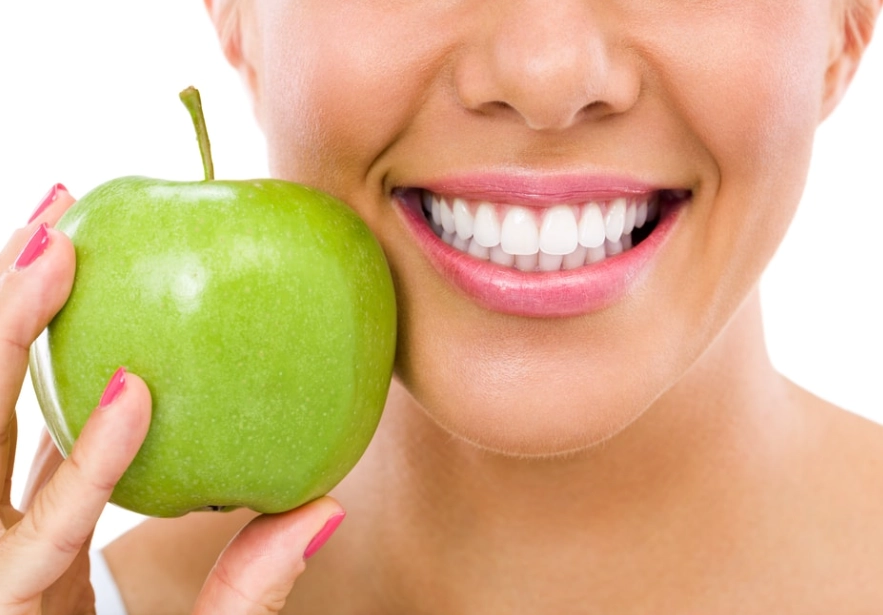
The Sticky Truth About "Healthy" Snacks
This is a mistake I see constantly. Parents give kids dried fruit (like raisins or mango), granola bars, or fruit leathers thinking they're a healthy choice. Nutritionally, they might be. Dentally, they're a disaster. They are concentrated sugar in a glue-like form that gets packed into the deep grooves of molars. The acid attack can last an hour or more. Fresh fruit is always the better choice.
Beyond the Basics: Hydration, Timing, and Your Oral Microbiome
If you only focus on food lists, you're missing half the battle.
Water is Your Best Drink. Period. Fluoridated tap water is the gold standard. It hydrates you, stimulates saliva, and provides topical fluoride to strengthen enamel. If your water isn't fluoridated, talk to your dentist about supplements. Herbal teas (unsweetened) are also a good choice. I tell patients to treat anything other than water and milk as a "food"—to be consumed with a meal, not sipped alone for hours.
The Order of Operations Matters. Sequence your eating. If you're going to have something acidic (orange, tomato sauce) or sweet, have it during a larger meal, not as a standalone snack. Finish the meal with a crunchy vegetable or a piece of cheese. This helps neutralize the final pH in your mouth.
Feed Your Oral Microbiome Well. This is the emerging frontier. You have good bacteria too. Foods rich in polyphenols (like cranberries, in unsweetened form, and green tea) can prevent bad bacteria from sticking to teeth. Nitrate-rich vegetables (spinach, beets, celery) are converted by good bacteria into nitric oxide, which supports gum health. A diverse, plant-heavy diet doesn't just help your gut; it fosters a healthier oral ecosystem.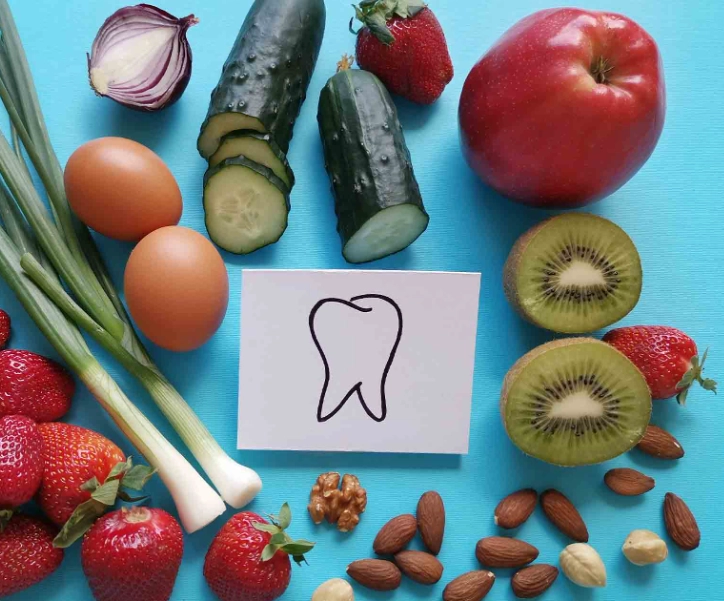
Common Dental Nutrition Myths Debunked
The Reality: While rich in Vitamin C, constant exposure to citric acid is brutal on enamel. I've seen significant erosion on the front teeth of patients who start their day with warm lemon water. If you do this, drink it quickly through a straw, and wait at least 30 minutes before brushing. Brushing immediately after acid softens enamel and can wear it away faster.
The Reality: They are sugar-free, but most are still highly acidic. The phosphoric and citric acid in colas and other sodas can cause erosion directly. They create the low-pH environment that dissolves enamel, with no sugar needed.
The Reality: Unless you have existing cracks or weak restorations, chewing hard, healthy foods is excellent exercise for your teeth and supporting bone. It's the sticky, soft, refined carbs that are the real culprits for getting stuck and feeding bacteria.
Your Dental Nutrition Questions Answered
Changing your diet for your smile isn't about perfection. It's about awareness and better choices, most of the time. Start by swapping one sugary drink for water. Add one extra vegetable to your dinner. Notice how you feel—not just in your mouth, but overall. Your teeth are a living part of you, and they thrive on the same whole foods that keep the rest of your body running well. Your next meal is an opportunity. Use it wisely.