Your Pain Relief Roadmap
- Understanding the Beast: Why Does Tooth Nerve Hurt So Much?
- The Top 7 Home Remedies to Stop Tooth Nerve Pain Instantly (or at Least Very Quickly)
- When "Instantly" Means Calling the Dentist: The Real Emergency Fix
- The Long-Term Picture: What Actually Fixes the Problem?
- Questions You're Probably Asking (The FAQ Section)
- Wrapping Up: Your Action Plan
Let's be real, tooth nerve pain is the worst. It's not just a nuisance; it's a throbbing, pulsating, all-consuming kind of agony that makes it impossible to think about anything else. You're searching for a way to stop tooth nerve pain instantly because you need relief, and you need it now. I've been there—sitting up at 3 AM, pressing a cold water bottle against my cheek, scrolling through forums desperately looking for a magic bullet.
The truth is, there's no permanent "instant" fix you can do at home. If the nerve inside your tooth (the pulp) is inflamed, infected, or exposed, that's a job for a dentist. But what you can find are ways to get fast, temporary relief to take the edge off the pain until you can get to a professional. That's what this guide is about. We're going to cut through the noise and old wives' tales and focus on methods that have some science or solid logic behind them for stopping tooth nerve pain fast.
Think of this as your emergency first-aid kit for dental pain.
Understanding the Beast: Why Does Tooth Nerve Hurt So Much?
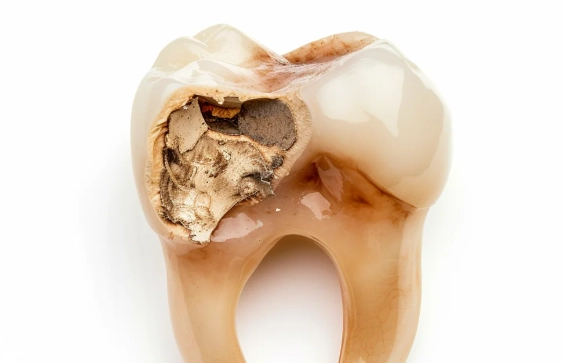
Before we jump into the remedies, it helps to know what you're dealing with. That sharp, shooting, or throbbing pain? It usually means the innermost part of your tooth, the pulp, is unhappy. The pulp houses nerves and blood vessels. It's sealed off from the world by layers of dentin and enamel. But when a cavity gets deep, a crack forms, or a filling fails, bacteria and irritants can reach the nerve.
The pulp chamber is a tiny, rigid space. When inflammation (pulpitis) sets in, the swollen tissue has nowhere to expand. This creates immense pressure on the nerve, which screams in protest. That's the pain. Sometimes it's reversible (if the irritation is mild), but often, once the nerve is significantly inflamed or infected, the damage is permanent and you'll need a root canal or extraction. The Centers for Disease Control and Prevention (CDC) notes that dental caries (cavities) are one of the most common chronic diseases, and they're the primary gateway to this kind of nerve pain. You can read more about the prevalence and impact of oral diseases on the CDC's oral health facts page.
A crucial warning right at the start: These methods are for temporary relief only. They are a bridge to the dentist, not a destination. Ignoring severe tooth nerve pain can lead to abscesses, bone loss, and the spread of infection, which can become serious. If you have swelling in your face or fever, seek emergency dental or medical care immediately.
The Top 7 Home Remedies to Stop Tooth Nerve Pain Instantly (or at Least Very Quickly)
Okay, here's the practical stuff. I've ranked these based on a combination of reported effectiveness, ease of use, and support from dental professionals. Remember, everyone is different. What works for your friend might not work for you, so you might need to try a couple.
Top 1: Clove Oil (The Gold Standard for a Reason)
This isn't just an old remedy; it has scientific backing. Clove oil contains eugenol, a natural anesthetic and antiseptic. It's so effective that eugenol is actually used in some dental materials. To use it properly, take a cotton ball or a small piece of tissue, dip a corner in clove oil (you can find it at most pharmacies or health food stores), and gently dab it directly onto the painful tooth and surrounding gum. Do not pour it straight in your mouth—it's potent and can irritate your gums if used undiluted. Hold it in place for a few minutes. The numbing effect can be quite significant and is one of the most reliable ways to stop tooth nerve pain instantly at home.
Personal note: The taste is very strong and medicinal, almost bitter. It's not pleasant, but when the pain is bad enough, you won't care. Just be precise with the application.
Top 2: Salt Water Rinse (Simple, Safe, and Surprisingly Effective)
This is my go-to first step. It's not going to numb the nerve, but it's brilliant for reducing inflammation and cleaning out any debris stuck in a cavity that might be aggravating things. Dissolve half a teaspoon of table salt in a glass of warm (not hot) water. Swish it vigorously around the painful area for 30 seconds, then spit. You can repeat this every few hours. The warmth is soothing, and the salt helps draw out fluid from inflamed tissues, reducing pressure. It's a classic for a reason.
Top 3: Cold Compress or Ice Pack
If the pain is throbbing and your face feels warm or puffy, inflammation is a major player. Applying cold constricts blood vessels, slowing blood flow to the area, which reduces swelling and numbs the pain. Wrap an ice pack or a bag of frozen peas in a thin towel. Apply it to the cheek over the painful tooth for 15 minutes on, then 15 minutes off. Never apply ice directly to your skin. This is a fantastic way to manage pain from an abscess or severe inflammation while you wait for your appointment.
Top 4: Over-the-Counter Pain Relievers (The Pharmacological Approach)
I'm talking about ibuprofen (Advil, Motrin) or naproxen (Aleve). These are NSAIDs (non-steroidal anti-inflammatory drugs), and they work by reducing the prostaglandins that cause inflammation and pain. For dental pain, they are often more effective than acetaminophen (Tylenol), which just blocks pain signals but doesn't tackle inflammation. Always follow the dosage instructions on the bottle. I find taking ibuprofen at the first serious twinge can head off a full-blown pain episode. But remember, this is masking the symptom, not fixing the problem.
Top 5: Benzocaine Gel (The Numbing Agent)
You'll find this in products like Orajel or Anbesol. It's a topical anesthetic that numbs the surface of the gum and the outer layers of tissue. It can provide quick relief for surface-level pain or pain from a gum issue. For deep nerve pain, its effectiveness is limited because it can't penetrate to the nerve inside the tooth. But if you have an exposed root or a shallow cavity, applying a small amount directly to the spot can give you a 15-30 minute break from the pain. Don't overuse it, as it can cause irritation.
Top 6: Peppermint Tea Bag (The Soothing Option)
Slightly more unconventional, but the menthol in peppermint has mild numbing properties. Steep a peppermint tea bag in hot water for a minute, then let it cool until it's just warm (you don't want to burn yourself). Place the damp, warm tea bag against the painful tooth and bite down gently. The warmth can be soothing, and the peppermint oil may provide a mild calming effect. It's not as strong as clove oil, but it's pleasant and safe.
Top 7: Elevation (When You're Trying to Sleep)
This is a simple trick but crucial, especially at night. Tooth nerve pain often gets worse when you lie down. Why? Because when your head is level with your heart, it increases blood pressure in the head and jaws, putting more pressure on the already-inflamed nerve. Pile up an extra pillow or two to keep your head elevated. It won't stop the pain, but it can take it from an "impossible to sleep" level down to a "miserable but manageable" level.
| Remedy | How It Works | Best For | Key Tip / Warning |
|---|---|---|---|
| Clove Oil | Eugenol numbs nerve & fights bacteria. | Deep, sharp nerve pain. | Use on a cotton ball, don't swallow. |
| Salt Water Rinse | Reduces inflammation, cleans debris. | General pain, after eating, gum soreness. | Use warm water, swish vigorously. |
| Cold Compress | Constricts vessels, reduces swelling, numbs. | Throbbing pain, facial swelling. | 15 minutes on, 15 off. Use a cloth barrier. |
| Ibuprofen/Naproxen | Reduces inflammation at the chemical level. | Inflammatory pain (throbbing, aching). | More effective than Tylenol for dental pain. |
| Benzocaine Gel | Topical numbing of surface tissues. | Shallow cavities, gum pain, canker sores. | Short-term relief only. Can irritate with overuse. |
| Peppermint Tea Bag | Mild numbing from menthol, warmth soothes. | Mild to moderate discomfort. | Let bag cool slightly to avoid burns. |
| Elevation | Reduces blood pressure to the head. | Nighttime pain that worsens lying down. | Use extra pillows. A simple but effective trick. |
See, the goal of all these is to stop tooth nerve pain instantly enough so you can function and make a rational plan to see a dentist. They're bandaids.
When "Instantly" Means Calling the Dentist: The Real Emergency Fix
Here's the hard truth none of us want to hear: if the pain is severe and constant, and especially if it's keeping you up at night, your home remedies are just buying time. You need professional intervention. How do you know it's time?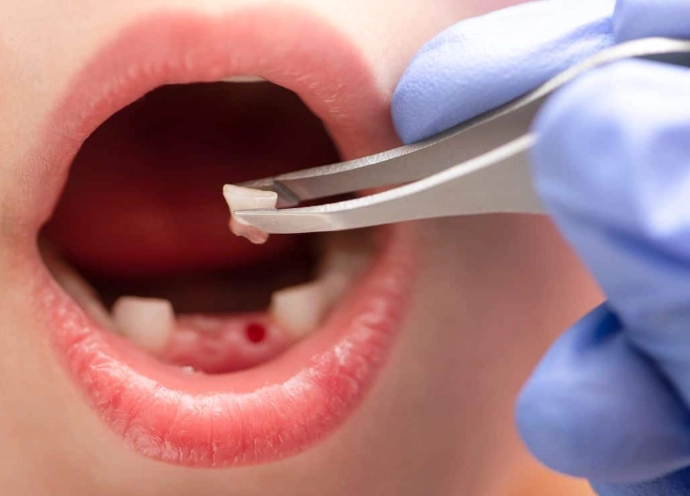
- The pain is severe, throbbing, and lasts more than a day or two.
- You have swelling in your cheek, jaw, or under your tongue.
- You have a fever.
- The pain is triggered by hot foods/drinks and lingers (this often indicates a dying or dead nerve).
- You see a pimple-like bump on your gum near the painful tooth (a dental abscess draining).
In these cases, the only way to truly stop tooth nerve pain instantly is for a dentist to do one of two things:
- An Emergency Pulpectomy: This is the first part of a root canal. The dentist will numb the area completely (true instant relief!), then drill into the tooth and remove the inflamed or infected pulp from the crown portion. This relieves the pressure immediately. It's a lifesaver.
- Tooth Extraction: If the tooth isn't salvageable, removing it removes the source of the pain. It's a definitive solution, though not the first choice for a restorable tooth.
The American Dental Association (ADA) has resources that explain these procedures in detail. Understanding what a root canal actually entails can demystify it and reduce anxiety. You can find a reliable overview on the ADA's MouthHealthy site.
I know, the thought of either is scary. But the relief you feel when that pressure is gone is indescribable. The pain from the procedure itself is minimal compared to the agony of an infected tooth nerve.
The Long-Term Picture: What Actually Fixes the Problem?
Once the emergency is over, you need a permanent solution. Home tricks to stop tooth nerve pain instantly are not cures. The underlying issue must be addressed. Here’s what your dentist will likely discuss:
For Reversible Pulpitis (The nerve is irritated but can heal):
A simple filling or crown might be all that's needed once the irritant (deep decay) is removed and the tooth is sealed. The nerve calms down on its own.
For Irreversible Pulpitis or Infection (The nerve is too damaged):
Root Canal Treatment (Endodontic Therapy): This is the standard of care for saving a tooth with a dead or dying nerve. The dentist or endodontist removes the entire pulp, cleans and disinfects the inner chambers, and fills them with a rubber-like material. The tooth is then capped with a crown for protection. It's not the monster it's made out to be—modern techniques make it comparable to getting a deep filling. The Mayo Clinic offers a straightforward, medical overview of the process, which you can check here as part of their cavity treatment page.
When Saving Isn't Possible:
Tooth Extraction: If the tooth is too broken down, has a vertical crack reaching the root, or there's severe bone loss, extraction is the only option. The gap can later be filled with a bridge, implant, or partial denture.
Making this decision is tough. Get a second opinion if you're unsure. A good dentist will explain the pros and cons of each option for your specific situation.
Questions You're Probably Asking (The FAQ Section)
Wrapping Up: Your Action Plan
So, you're in pain right now. Here's your step-by-step, no-nonsense plan:
- Assess the Severity: Swelling? Fever? Unbearable pain? Go to an emergency dentist or urgent care clinic now.
- Start with the Basics: If it's manageable but awful, try a saltwater rinse and take ibuprofen if you can tolerate it.
- Apply Targeted Relief: If the pain is localized and sharp, carefully apply a tiny amount of clove oil on a cotton swab to the exact spot.
- Manage the Environment: Use a cold pack on your cheek. Prop yourself up with pillows. Avoid extremely hot, cold, sweet, or hard foods on that side.
- Make the Call: This is the most important step. Call a dentist first thing in the morning. Be honest about your pain level. Most dental offices keep slots open for emergencies. Tell them you need to stop tooth nerve pain instantly and that home remedies are only doing so much.
The journey to stopping tooth nerve pain instantly starts with temporary home measures but ends definitively in the dentist's chair. Use the tricks in this guide to get through the night or the weekend. But please, don't let fear or cost keep you from getting the real fix. An untreated dental infection is no joke, and the longer you wait, the more complex and expensive the treatment can become.
I hope this guide gives you some real, actionable tools and the push you need to solve the problem for good. That pain is a signal—listen to it.