That bolt of pain hits you out of nowhere. One minute you're fine, the next your tooth is throbbing like a tiny hammer is inside it, and your jaw feels tight and sore. It's alarming, distracting, and frankly, miserable. Is it a cavity you missed? Something stuck? Or could it be something more serious affecting your jaw joint? Let's cut through the panic. Sudden toothache and jaw pain are your body's red alert system, and ignoring it is rarely a good idea. This guide breaks down the likely culprits, the immediate actions you can take, and when it's time to drop everything and call a dentist or doctor.
What's Inside This Guide
The Most Common Causes of Sudden Dental Pain
First, let's isolate the toothache. A pain that feels like it's coming from a specific tooth usually has a dental origin. The intensity and character of the pain are big clues.
Dental Abscess: The Infection Culprit
This is a top contender for severe, sudden pain. An abscess is a pocket of pus caused by a bacterial infection. There are two main types, and knowing the difference matters.
A periapical abscess starts in the tooth's soft core (the pulp). This often happens when a cavity, left unchecked, drills its way through the enamel and dentin until it reaches the nerve. The bacteria invade, the pulp gets inflamed (pulpitis), and if it dies, infection spreads to the tip of the root. The pain is often described as sharp, throbbing, and relentless. It might worsen when you lie down. You might even see a pimple-like bump on your gum near the root.
A periodontal abscess, on the other hand, starts in the gums and bone supporting the tooth, often from advanced gum disease or food getting trapped deep in a gum pocket. The pain might be slightly more localized to the gums, and the tooth may feel tender to biting.
Cracked or Fractured Tooth
You bite down on something hard—a popcorn kernel, an olive pit—and feel a sharp zing. Sometimes the crack is so small you can't see it, even in the mirror. The pain comes and goes, usually triggered by chewing or releasing bite pressure, and by temperature changes (especially cold). The crack acts as a highway for bacteria and irritates the pulp.
I've seen patients who thought their sinuses were causing upper tooth pain for weeks, only to discover a hairline fracture on a molar. It's a tricky one.
Severe Tooth Decay (Cavity)
Not all cavities cause sudden pain. Early stages might be silent. But when decay breaches the inner dentin layer and approaches the pulp, sensitivity can quickly escalate to a full-blown, persistent ache. The pain might be triggered by sweet, hot, or cold foods and may not subside quickly after the trigger is removed.
Lost Filling or Crown
This one is suddenly obvious. A filling falls out, or a crown comes loose, exposing the vulnerable dentin or pulp underneath. The tooth becomes hypersensitive to air, temperature, and touch. It's not just an inconvenience; the exposed area is a prime target for new decay and infection.
Where Your Jaw Pain Might Really Be Coming From
Now, let's talk about the jaw pain. Sometimes it accompanies a toothache. Other times, it's the main event, and the tooth just feels involved. This overlap is why diagnosis can be confusing.
Temporomandibular Joint Disorders (TMD/TMJ)
This is the big one for jaw-related pain. Your TMJ is the hinge connecting your jawbone to your skull. Problems here—collectively called TMD—can cause pain that radiates, making it feel like a toothache.
- Myofascial pain: The most common type. It's pain in the muscles that control jaw, neck, and shoulder function. It can cause deep, aching jaw pain, difficulty opening wide, and a tired feeling in the jaw.
- Internal derangement: This involves a displaced disc, dislocated jaw, or injury to the condyle (the rounded end of the jawbone). You might hear or feel a popping, clicking, or grating when you open your mouth.
- Arthritis: Degenerative or inflammatory arthritis can affect the TMJ.
The pain from TMD is often described as a dull ache in front of the ear, spreading to the temple, cheek, or even the back of the neck. It's frequently worse in the morning or after prolonged chewing.
Bruxism (Teeth Grinding or Clenching)
This is a major driver of both tooth and jaw pain, and many people do it unconsciously, especially during sleep. The constant, extreme pressure can:
- Flatten or fracture teeth, causing tooth sensitivity and ache.
- Overwork the jaw muscles, leading to soreness, stiffness, and headaches upon waking.
- Strain the TMJ.
You might not know you grind until a partner mentions the noise or a dentist points out excessive wear on your teeth.
Sinus Infection (Sinusitis)
Here's a classic case of referred pain. Your upper back teeth (premolars and molars) have roots situated close to your maxillary sinuses. When these sinuses become inflamed or infected and fill with pressure, they can press on those nerve roots. The result? A dull, throbbing ache in multiple upper teeth, pain that increases when you bend over, and general facial tenderness. The teeth themselves are usually healthy.
Less Common But Serious: Angina or Heart Attack
This is the one you must be aware of. While not common, pain from the heart (angina or a myocardial infarction) can refer to the jaw, neck, and even the teeth, particularly on the lower left side. The American Heart Association notes this as a possible symptom, especially in women.
What to Do Right Now for Immediate Relief
Okay, you're in pain and need help before you can see a professional. Here's a practical, step-by-step approach. Avoid common mistakes like applying heat directly to an inflamed area or using aspirin directly on the gum (it can burn the tissue).
| Symptom / Suspected Cause | Do This | Avoid This |
|---|---|---|
| General Throbbing Toothache | Rinse with warm salt water. Gently floss around the tooth to dislodge any trapped food. Take an over-the-counter anti-inflammatory like ibuprofen (if you can). Apply a cold compress to the outside of your cheek for 15-minute intervals. | Applying heat (can increase swelling). Putting aspirin on the gum. Chewing on that side of your mouth. |
| Jaw Muscle Soreness / Suspected Grinding | Apply a warm, moist towel to the side of your face to relax muscles. Practice gentle jaw stretches: slowly open and close. Massage the jaw muscles. Stick to soft foods. | Chewing gum, tough meats, or ice. Wide yawning. Resting your chin on your hand. |
| Lost Filling or Crown | If you have it, temporarily re-cement the crown with dentist-recommended temporary cement from a pharmacy. For a lost filling, you can use sugar-free dental wax or temporary filling material to cover the hole. | Using super glue or household adhesives. Leaving the tooth exposed for long. |
| Sensitivity to Hot/Cold | Use a toothpaste for sensitive teeth. Avoid extreme temperature foods/drinks. Consider a fluoride rinse (available OTC). | Breathing cold air directly over the tooth if possible. |
When and How to Get Professional Help
Home care is a stopgap. You need a real diagnosis. Here's how to navigate getting it.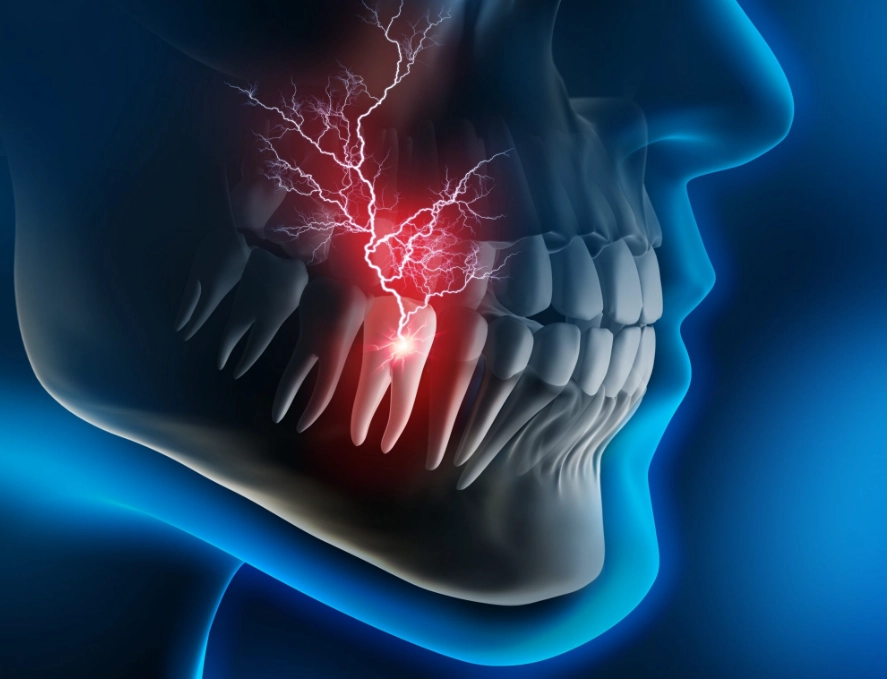
Signs You Need to See a Dentist Today (Emergency)
- Severe, uncontrollable pain or swelling. >
- Swelling in your cheek, jaw, or under your tongue that affects breathing or swallowing.
- Fever accompanying a toothache.
- Trauma to the mouth or teeth (a blow, fall, accident).
- A foul taste in your mouth with pus drainage (sign of an abscess rupturing).
Call your dentist's emergency line. If they're closed, search for "emergency dentist" or go to an urgent care clinic that offers dental services. Some hospital emergency rooms can manage severe infections and pain until you see a dentist.
What to Expect at the Appointment
The dentist will ask about your pain history, then examine your mouth, teeth, and gums. They'll likely tap on teeth (percussion), use a cold stimulus to test sensitivity, and take X-rays. For jaw pain, they'll feel your jaw joints and muscles, listen for clicks, and check your bite.
Treatments vary wildly by cause:
- Abscess: Likely a root canal treatment or extraction, plus antibiotics.
- Cracked tooth: Depending on the crack's depth, treatment ranges from a crown to a root canal or extraction.
- Large cavity: A filling, inlay, onlay, or crown.
- TMD/Bruxism: Often starts with conservative therapy: a custom night guard (occlusal splint), physical therapy, stress management, and muscle relaxants.
Your Burning Questions Answered (FAQ)
 How can I tell if my jaw pain is TMJ-related or just a bad toothache?