Let's be honest. You're standing in the oral care aisle, staring at a rainbow of mouthwash bottles promising "cavity protection," "fresh breath," and "germ-killing power." Your child is fascinated by the blue liquid. You wonder: could this be the magic bullet to end the brushing battles? But a nagging voice asks, is mouthwash actually safe for my kid?
The short, direct answer isn't a simple yes or no. For children under six, it's generally a bad idea and often unnecessary. For older kids, it can be a helpful addition, but only under specific conditions and with the right product. The real danger isn't the mouthwash itself, but how and when it's used. I've seen too many parents introduce it too early, or pick the wrong type, thinking they're doing something good, only to create new problems.
What You'll Learn in This Guide
Why This Is Even a Question: The Hidden Risks
Most parents know to avoid alcohol-based mouthwashes for kids. That's common sense. But the conversation usually stops there, and that's a mistake. The primary risk for young children isn't intoxication; it's swallowing. A child's swallowing reflex isn't fully coordinated, making it easy for them to gulp down a mouthful.
So what's in that mouthful they might swallow? Let's break down the two biggest culprits beyond alcohol:
1. Fluoride: A Double-Edged Sword
Fluoride is fantastic for preventing cavities. In toothpaste, it's applied topically and mostly spat out. With mouthwash, the amount of liquid is greater, and the risk of swallowing a significant dose is higher. Chronic over-ingestion of fluoride while teeth are still developing under the gums (typically up to age 8) can lead to dental fluorosis. This causes faint white streaks or spots on the permanent teeth. It's not a health hazard, but it's a cosmetic concern many parents want to avoid.
The American Dental Association (ADA) states that fluoride mouth rinse is not recommended for children under six due to this swallowing risk.
2. Harsh Chemicals and Additives
Many adult mouthwashes contain antimicrobials like cetylpyridinium chloride or essential oils that are too harsh for a child's sensitive oral mucosa. They can cause irritation, burning, and disrupt the natural balance of oral bacteria. Then there are the artificial sweeteners, colors, and intense flavorings (think "Arctic Blast") designed to make the product taste "fun." These can upset little stomachs if swallowed and create an expectation that oral care should taste like candy.
When Can My Child Actually Use Mouthwash? A Practical Age Guide
Age is less about a number and more about a skill: reliable spitting. Here's a realistic framework based on developmental readiness, not just calendar years.
| Age Group | General Recommendation | Key Readiness Sign & Parent Action |
|---|---|---|
| Under 6 years old | Not recommended. Risks outweigh benefits. | Focus on mastering brushing with a pea-sized amount of fluoride toothpaste and spitting it out. Flossing when teeth touch. |
| 6-12 years old | Can be introduced with supervision. Must demonstrate consistent spitting ability. | Do a "spit test" with water first. Start with alcohol-free, possibly fluoride-free rinses. Direct supervision is non-negotiable. Store it out of reach. |
| 12 years and older | Generally safe to use standard alcohol-free therapeutic rinses if needed. | By now, they should have reliable habits. You can discuss specific needs: braces, dry mouth, or cavity-prone areas. Continue to monitor usage. |
How do you test for "spitting readiness"? Don't just ask. Have them take a small sip of water, swish it around, and spit it all into the sink without swallowing. Do this a few times. If they can do it perfectly, they might be ready. If any water goes down the hatch, wait a few months and try again.
How to Choose a Safe Mouthwash for Your Child
If your child is ready, navigating the store shelf is the next hurdle. Forget marketing claims about superheroes or sparkles. Turn the bottle around and become a label detective.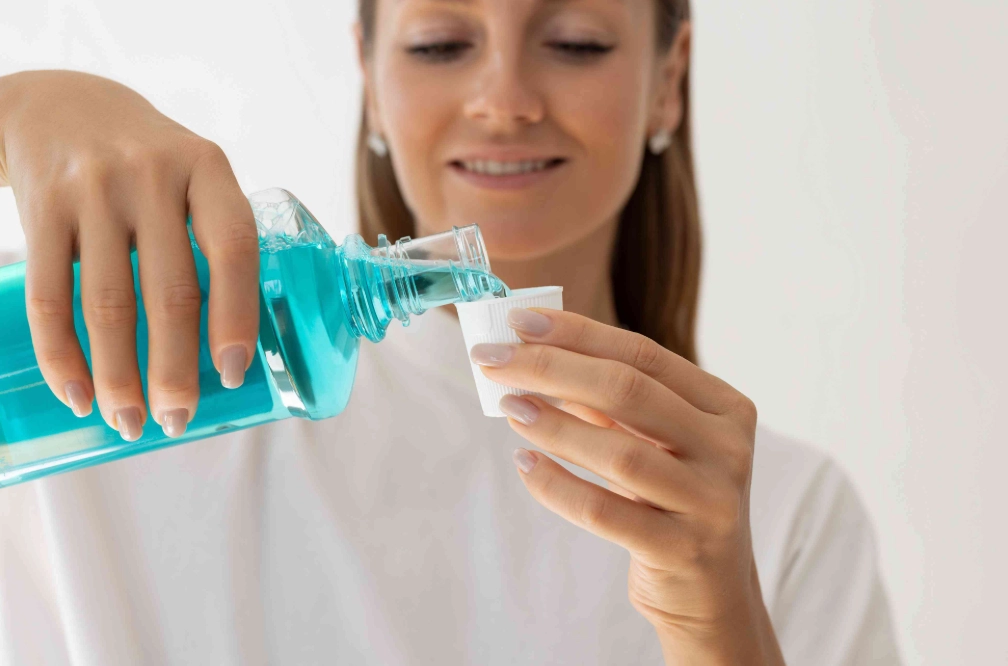
Here’s your ingredient checklist:
- Avoid Alcohol (Ethanol): This should be non-negotiable. It dries out the mouth and is dangerous if swallowed in quantity.
- Fluoride Decision: If your child is at high risk for cavities and your dentist recommends it, a fluoride rinse (like 0.05% sodium fluoride) can be beneficial for kids over 6. If their cavity risk is low or they get fluoride from other sources (water, toothpaste), a fluoride-free option is fine.
- Look for Mild Ingredients: Xylitol is a good, kid-friendly sweetener that can actually help fight cavity-causing bacteria. Avoid formulas with strong detergents (SLS) if your child has a sensitive mouth.
- Skip the "Anticavity" Hype for Young Kids: For the under-12 crowd, the benefit of a fluoride rinse is often marginal if they are brushing well with fluoride toothpaste. The primary goal at this stage is to teach the habit without risk.
A personal opinion? I often suggest parents of newly-minted "spitters" start with a simple, bland, alcohol-free and fluoride-free rinse. The goal is to learn the swish-and-spit mechanics. You can always upgrade to a therapeutic rinse later if a specific need arises, like when they get braces.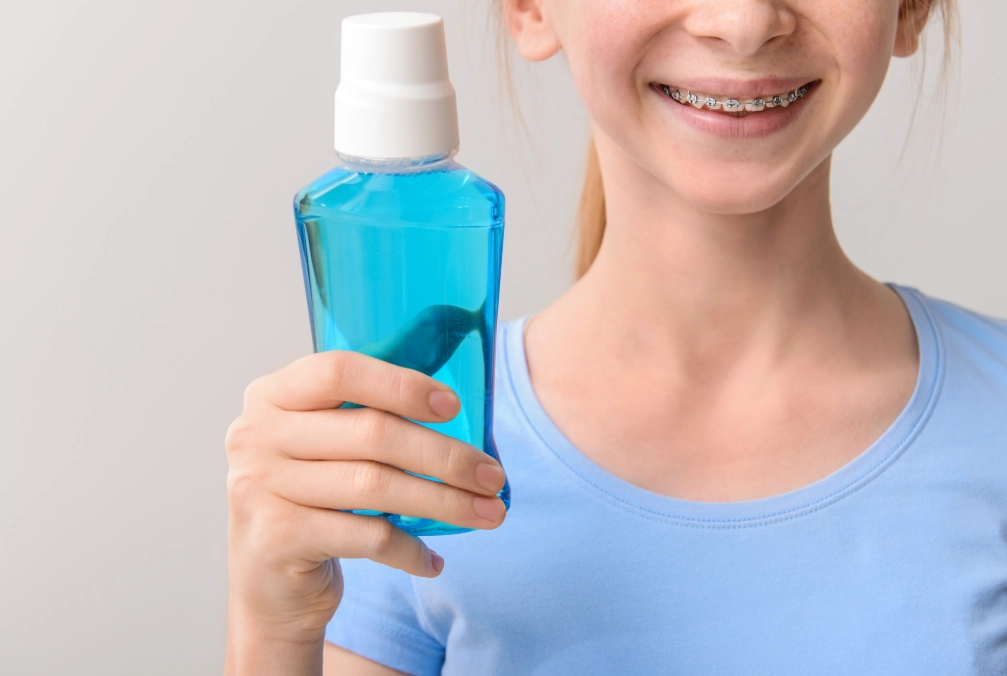
Teaching Your Child to Use Mouthwash: A Step-by-Step Method
This is where most guides fail. They say "supervise," but don't say how. Here's a concrete method I've used with my own patients and my niece.
Step 1: The Demonstration. Do it yourself first. Show them you measure the cap (usually 5-10ml, about a teaspoon), swish for the time on the bottle (30 seconds is plenty), and spit dramatically. Make the "glug glug spit" sound. Kids learn by imitation.
Step 2: The Water Rehearsal. Before the real stuff, practice with water for a week. Use a small, measured amount. Have them count to 30 out loud (they can't swallow if they're counting). Celebrate the perfect spit into the center of the sink.
Step 3: The First Real Try. Use half the recommended dose. Stand right there. Have them count. When they spit, check the sink. If you see the full amount, success! If it looks light, they probably swallowed some. No scolding—just say, "Almost! Let's stick with water for a few more days."
Step 4: Establish the Routine. Once mastered, it should be the last step after brushing and flossing, usually at night. This way, the fluoride (if present) has time to work without being washed away by food or drink.
One more critical tip: never let them use it right before bed, alone in the bathroom. You want to be there to ensure they don't sneak a drink from the bottle, which can happen with the sweet flavors.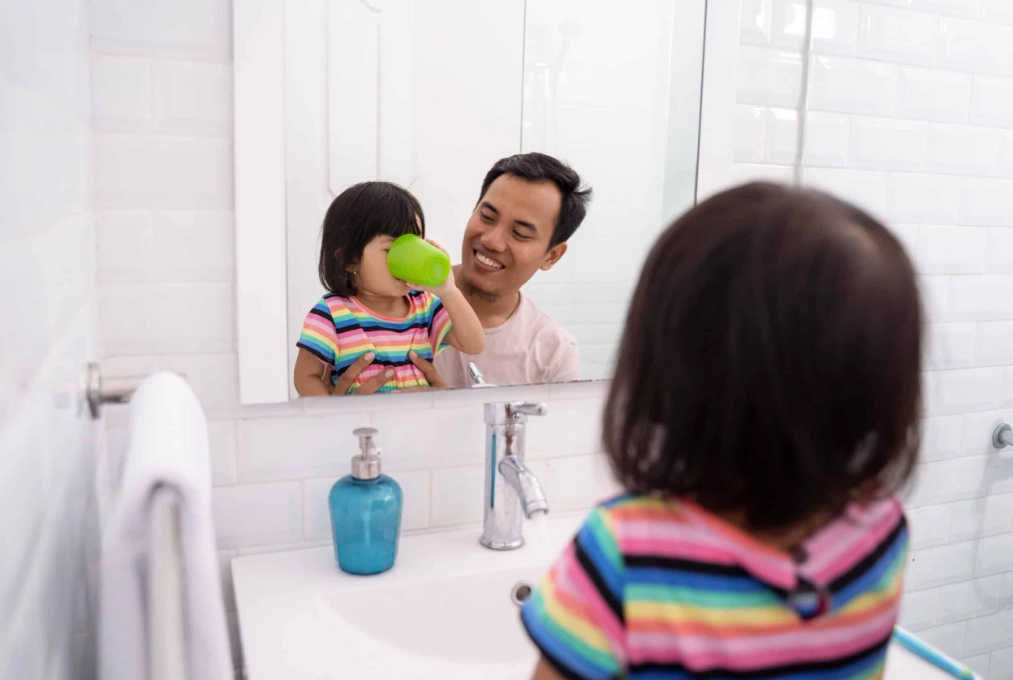
Your Top Questions on Kids and Mouthwash
 My child wears braces. Does that change the mouthwash recommendation?
The bottom line? Mouthwash isn't inherently "bad" for kids. It's a tool with a specific purpose and a clear set of rules. The risk comes from using it too early, choosing the wrong type, or relying on it as a shortcut. By waiting for spitting maturity, selecting products wisely, and turning the learning process into a supervised game, you can safely add this step to your child's routine—or confidently decide they don't need it at all. Their healthy smile depends on the fundamentals, not the fancy rinse.