You can absolutely make effective mouthwash at home. It's cheaper, lets you control every ingredient, and avoids the alcohol, artificial colors, and strong synthetic flavors in many commercial brands. I've been mixing my own for years, and it's simpler than you think. Let's get straight to the point: with a few kitchen staples, you can create rinses that freshen breath, soothe gums, and support oral health without the chemical cocktail.
What's Inside This Guide
Why Make Mouthwash at Home?
Store-bought isn't evil, but it often solves problems you might not have while introducing ones you don't want. The burning sensation from high-alcohol formulas? That's not a sign it's working—it's drying out your mouth, which can actually make bad breath worse long-term. Making your own shifts the goal from "nuclear freshness" to balanced, supportive care.
The Real Benefits: Cost (pennies per batch), ingredient transparency, customization for sensitive teeth or gums, and reducing plastic waste. The downside? It lacks preservatives, so you make small batches that last a week or two in the fridge. It's a trade-off, but for daily use, I find the freshness and control worth the 5-minute prep every Sunday.
Essential Ingredients for DIY Mouthwash
Think of these as your building blocks. You don't need them all. Start with the base (water), add a cleansing/balancing agent, then a flavor/antimicrobial boost.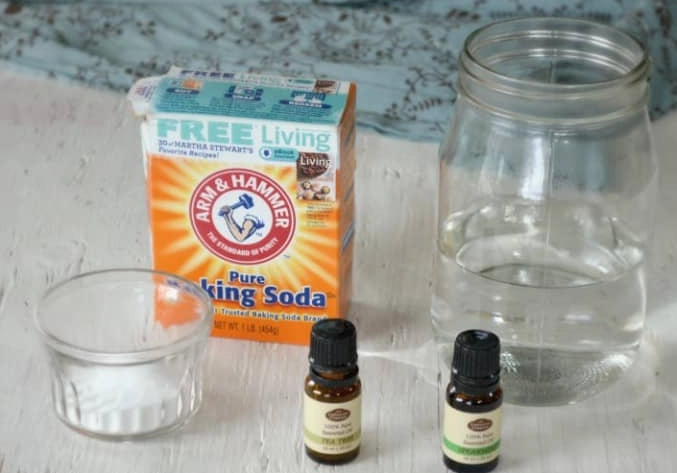
| Ingredient | Primary Role | Key Benefit & Note |
|---|---|---|
| Distilled or Boiled Water | Base | Prevents introducing microbes. Never use straight tap water. |
| Baking Soda (Sodium Bicarbonate) | Cleanser & pH Balancer | Gently neutralizes acids, polishes stains. Mild abrasive—don't overuse if enamel is compromised. |
| Xylitol | Cavity Fighter | A sugar alcohol that disrupts cavity-causing bacteria. A game-changer for oral ecology. Keep away from pets—it's toxic to dogs. |
| Food-Grade Essential Oils (Peppermint, Tea Tree) | Antimicrobial & Flavor | Powerful but potent. Always dilute. Tea tree oil is strong—some find it medicinal. Peppermint is the crowd-pleaser. |
| Aloe Vera Juice (Inner Fillet) | Soothing Agent | Fantastic for irritated gums. Ensure it's pure, preservative-free juice, not the green gel for sunburns. |
| Himalayan or Sea Salt | Mineral Source & Soother | Can help soothe minor gum inflammation. Provides trace minerals. Don't overdo it—too salty is unpleasant. |
A common mistake I see is people using lemon juice for "whitening." Bad idea. Its citric acid is highly erosive to enamel. Stick to baking soda for gentle stain removal.
Step-by-Step Homemade Mouthwash Recipes
Here are three formulas I rotate through, depending on what my mouth needs. You'll need a clean 8-12 oz glass bottle (an old kombucha bottle works great) and a funnel.
1. The All-Rounder: Minty Fresh Baking Soda Rinse
This is your daily driver. It's mild, effective, and what I recommend for beginners.
- 1 cup distilled or cooled boiled water
- 1 teaspoon baking soda
- 1 teaspoon xylitol granules (optional but recommended)
- 4-5 drops peppermint essential oil
- 1 drop tea tree oil (optional for extra antimicrobial punch)
How to make it: Warm the water slightly (not hot) to help dissolve the baking soda and xylitol. Stir until fully dissolved. Let it cool to room temperature. Then add the essential oils. If you add oils to hot water, they'll evaporate. Shake well before each use. Lasts about 2 weeks in the fridge.
2. The Gum Soother: Aloe & Salt Healing Rinse
If your gums are tender, bleeding a bit, or you just had a deep cleaning, this is incredibly calming.
- 3/4 cup aloe vera juice (inner fillet)
- 1/4 cup distilled water
- 1/2 teaspoon sea salt
- 2-3 drops peppermint or spearmint essential oil (for flavor)
How to make it: Dissolve the salt in the distilled water first. Then mix with the aloe vera juice. Add the essential oils last. The aloe gives it a slightly viscous, soothing feel. Use within 7-10 days, refrigerated.
3. The Simple Switcher: Herbal Infusion Rinse
No essential oils on hand? Steep herbs instead. It's subtler.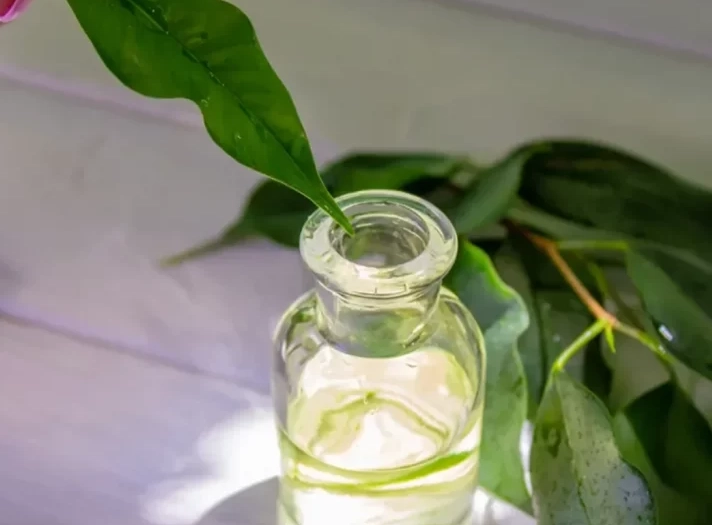
- 1 cup boiling water
- 1 tablespoon dried peppermint leaves or 2 peppermint tea bags
- 1 teaspoon baking soda (add after infusion cools)
How to make it: Pour boiling water over the herbs/tea bag. Steep for 30+ minutes until strong and cool. Strain, then stir in baking soda until dissolved. The flavor is mild and fresh. Fridge life: 1 week max.
Critical Safety Tip: Essential oils are potent. Never use more than the recommended drops. Do not swallow the mouthwash. These recipes are for adults. For children, omit essential oils entirely and use only the herbal or very mild baking soda-only versions under supervision.
How to Use Homemade Mouthwash Correctly
It's not like the commercial stuff. Don't just gargle and spit immediately.
Shake your bottle. Pour about 1-2 tablespoons (15-30 ml) into a small cup. Swish vigorously for 30 to 60 seconds, making sure to pull it through your teeth. Spit it out completely. Do not rinse with water afterward. You want the beneficial ingredients to stay on your teeth and gums. Wait at least 30 minutes before eating or drinking to let it work.
Use it once or twice a day, typically after brushing. It's not a replacement for brushing and flossing—it's a supplement.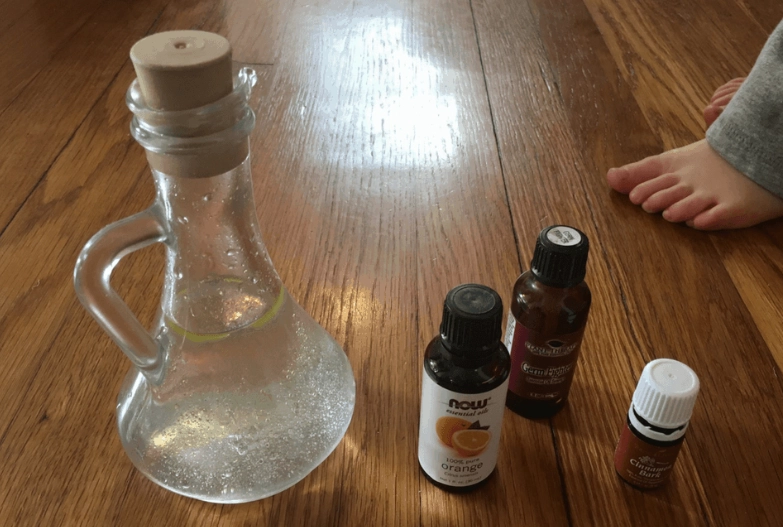
Your Homemade Mouthwash Questions Answered
Making your own mouthwash puts you in the driver's seat of your oral care. You're not just avoiding unwanted chemicals; you're creating a rinse tailored to your mouth's needs. Start with the Minty Fresh All-Rounder, master that, and then experiment. Your mouth—and your wallet—will thank you.