You grab your toothbrush, squeeze on some paste, and scrub away. Maybe you floss if you're feeling ambitious. Then you swish with that blue or green liquid that promises to "kill 99.9% of germs" and leaves your mouth feeling like a sterile lab. That's the routine, right? For years, I did the same thing, convinced that the intense burn from my alcohol-based mouthwash was a sign it was working. Then I started getting canker sores more frequently, and my gums would sometimes feel dry and irritated. My dentist mentioned offhand that the alcohol might be the culprit. That sent me down a rabbit hole, and I stumbled into the world of holistic mouthwash. It wasn't just a different product; it felt like a different philosophy for my entire mouth.
Here’s What We’ll Cover
What Exactly Is a Holistic Mouthwash?
Let's cut through the marketing fluff. A holistic mouthwash isn't just a "natural" version of the chemical stuff. The core idea is viewing your mouth not as a separate battlefield to be nuked with antiseptics, but as an integrated part of your whole body's ecosystem. It's a living environment with good bacteria (yes, you need those), a delicate pH balance, and tissues that are directly connected to your gut and immune system.
So, a holistic rinse works with that biology, not against it. Instead of carpet-bombing everything with alcohol, chlorhexidine, or synthetic detergents, it uses ingredients derived from nature—like herbs, minerals, and essential oils—to support a healthy oral environment. The goal shifts from "kill all germs" to "balance, soothe, and restore."
I made the switch about three years ago. The first thing I noticed was the absence of that searing burn. My mouth just felt... clean. Not chemically scorched, but genuinely refreshed. Over time, those random canker sores became a rare event. It felt less like a medical treatment and more like a nourishing part of my day.
The Real Benefits of Going Holistic
Why bother changing something that seems to work? Because "working" might come with hidden costs. Here’s what you can realistically expect from a well-formulated holistic rinse:
- No More Fire Breath: The most immediate win. Ditching alcohol (ethanol) eliminates the drying, burning sensation. This is a huge relief for anyone with sensitive gums, dry mouth (xerostomia), or conditions like Sjögren's syndrome. The American Dental Association notes that alcohol can contribute to oral dryness, which ironically can increase cavity risk.
- Gentle on Your Microbiome: Your mouth has a microbiome, just like your gut. Harsh antiseptics are non-selective. A 2019 review in the journal NPJ Biofilms and Microbiomes highlighted the importance of maintaining a diverse oral microbiome for overall health. Holistic formulas often use ingredients like xylitol (which disrupts bad bacteria's ability to adhere to teeth) or specific essential oils (like tea tree or thyme) that have targeted antimicrobial properties without wiping out the beneficial flora.
- Healing and Soothing Properties: Many natural ingredients are anti-inflammatory and promote tissue repair. Aloe vera gel, chamomile extract, and coconut oil (in oil-pulling formulas) can calm irritated gums. If you have mild gingivitis or just brushed too hard, this can make a noticeable difference.
- Transparency in Ingredients: You can usually pronounce everything on the label. No mysterious blue dyes, artificial sweeteners like saccharin, or harsh surfactants like sodium lauryl sulfate (SLS), which is a common irritant for me and many others.
The One Thing It Might Not Do (As Quickly)
Let's be honest. A holistic mouthwash might not give you that instant, hours-long "tingly clean" mask that a strong chemical one does. That feeling is often from the irritants themselves. The clean from a holistic rinse is subtler but more foundational. It's like comparing the deep clean of a home-cooked meal to the intense, fleeting flavor of a chemical-laden snack.
Holistic vs. Traditional Mouthwash: A Side-by-Side Look
This table breaks down the fundamental differences. It's not about one being universally "better," but about which approach aligns with your goals.
| Aspect | Holistic Mouthwash | Traditional Mouthwash |
|---|---|---|
| Core Philosophy | Support the mouth's natural ecosystem, balance, and whole-body health. | Disinfect and eliminate pathogens to prevent specific issues like cavities or gingivitis. |
| Key Ingredients | Aloe vera, xylitol, herbal extracts (e.g., peppermint, sage, green tea), essential oils (e.g., tea tree, myrrh), baking soda, sea salt. | Alcohol (ethanol), cetylpyridinium chloride (CPC), chlorhexidine (by prescription), fluoride, synthetic detergents, artificial colors & flavors. |
| Alcohol Content | Typically alcohol-free. | Often contains 18-26% alcohol. |
| Primary Goal | Clean, soothe, balance pH, support healthy gums, and maintain fresh breath via a healthy environment. | Kill bacteria, reduce plaque, deliver fluoride, and provide long-lasting breath freshening. |
| Feel & Sensation | Gentle, refreshing, sometimes slightly herbal or salty. No burning. | Strong, intense cooling or burning sensation. |
| Best For | Daily maintenance, sensitive mouths, dry mouth, those seeking a natural approach, or as a complement to traditional care. | Targeted, short-term therapeutic use (e.g., post-dental surgery, severe gingivitis under dentist guidance), or for those who prefer a strong sensory signal of cleanliness. |
| A Potential Drawback | May not have the same immediate, potent anti-plaque power as some prescription rinses for acute issues. | Can disrupt oral microbiome, cause dryness/irritation, and mask underlying problems like poor hygiene with strong flavor. |
How to Choose Your Holistic Mouthwash
Walking down the "natural" aisle can be overwhelming. Here’s my practical, non-negotiable checklist from a decade of trial and error:
- Read the Label Backwards: Start with what's NOT in it. Avoid alcohol, SLS, artificial dyes, and parabens. If the first ingredient is water and the rest are things you recognize, you're on the right track.
- Identify Your Personal Need: Are you tackling dryness? Look for aloe or hyaluronic acid. Concerned about gums? Seek out anti-inflammatory herbs like chamomile or calendula. For cavity prevention, xylitol and fluoride-free formulas with hydroxyapatite (a remineralizing mineral) are great options. Yes, some holistic brands use fluoride, viewing it as a beneficial mineral, while others avoid it—this is a personal choice.
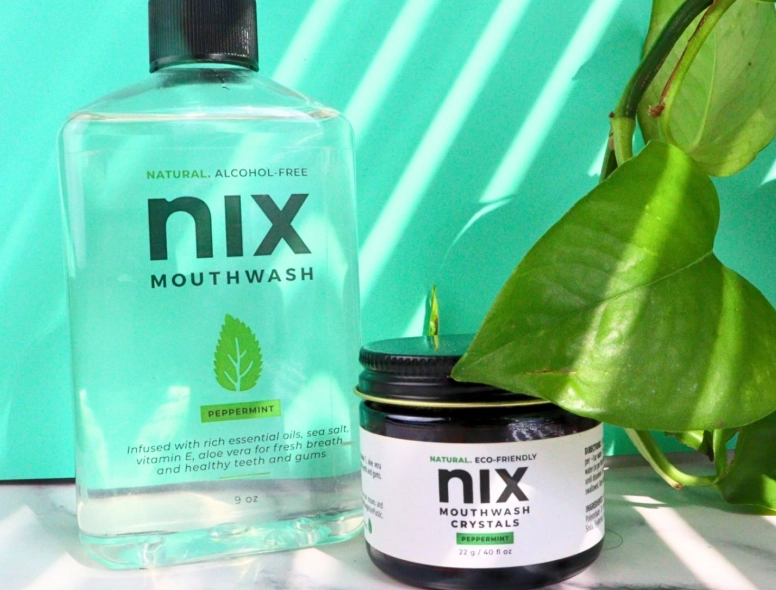
- Beware of "Natural" Washing: Just because it says "natural" doesn't mean it's effective or even safe for everyone. Some people are sensitive to strong essential oils like cinnamon or clove. If you have a history of allergies, patch test or start with a very mild formula.
- Consider the pH: A good mouthwash should be neutral or slightly alkaline to help neutralize the acids produced by plaque bacteria that erode enamel. Some brands proudly list their pH level (around 7-8 is ideal).
- Don't Ignore Taste: You have to use it consistently. If you hate the taste of salty baking soda or strong herbs, you won't use it. Many have lovely, subtle mint or herbal flavors derived from real plants.
A mistake I see newcomers make? They buy the strongest, most herbal-smelling rinse, use it, get a tingling or slight irritation, and think, "Ah, it's working!" That's the old paradigm talking. With holistic care, effective shouldn't mean painful.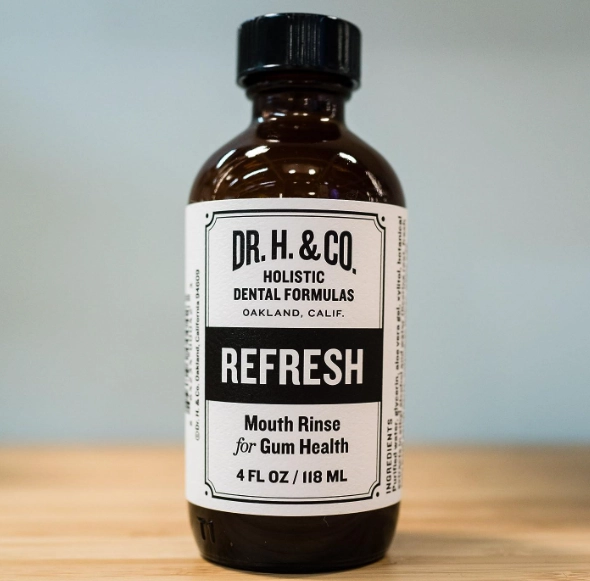
Fitting Holistic Mouthwash Into Your Daily Routine
It's not a magic bullet. It's a tool. Here’s how to make it work:
The Golden Rule: Use it at a different time than brushing. Most toothpaste contains surfactants and high concentrations of ingredients that need time to work on your teeth. Rinsing immediately after brushing washes away the concentrated fluoride or other active agents. I use my holistic mouthwash after lunch or as a mid-afternoon refresh. It's perfect for those times.
Technique Matters: Swish vigorously for a full 30 seconds, making sure it gets between your teeth and around your gums. Don't rinse with water afterward. Let the beneficial ingredients sit on your teeth and gums.
It's Part of a System: A holistic mouthwash works best alongside proper brushing (with a soft-bristled brush), flossing (or using interdental brushes), and a diet that isn't constantly bathing your teeth in sugar and acid. Think of it as the finishing touch that balances and soothes, not the primary cleaner.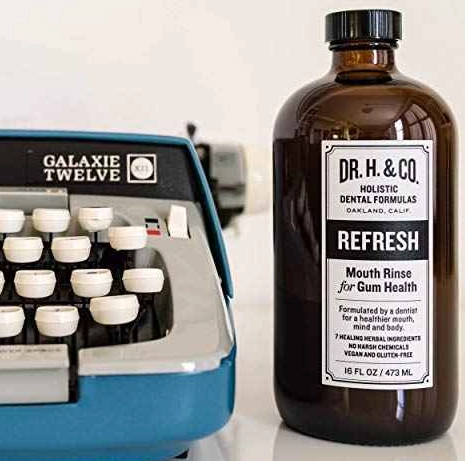
Your Holistic Mouthwash Questions, Answered
Making the switch to a holistic mouthwash was a small change with a big impact on how I think about my daily routine. It moved me from a mindset of attack to one of support. My mouth feels healthier, more resilient, and honestly, more a part of me. It's not a miracle cure, but it's a smarter, kinder way to care for the gateway to your body.