You've seen the ads. TartarEnd promises to break down and remove tartar, that hardened plaque that regular brushing can't touch. It sounds almost too good to be true. And that's exactly why your brain is asking, "Is TartarEnd toothpaste safe?" It's a smart question. Let's cut through the hype. For the vast majority of people, TartarEnd is safe for daily use. But—and this is a big but—its safety hinges entirely on how you use it and understanding what's in the tube. I've spent years looking at ingredient decks, and the difference between a safe, effective toothpaste and one that might cause problems often comes down to a few key details most people gloss over.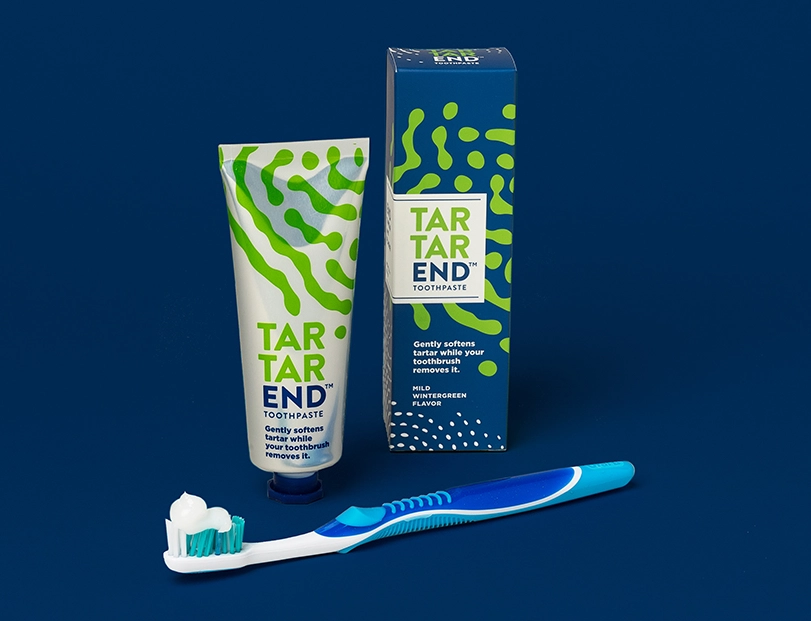
What You'll Find in This Guide
The Core Ingredients: What Makes TartarEnd Work (And Why Safety Questions Arise)
To judge safety, you need to know what you're dealing with. TartarEnd's formula is built around a few active players. The main one everyone talks about is calcium carbonate. Yes, the same stuff in chalk and antacids. Here's the nuance most miss: not all calcium carbonate is created equal. The particle size and shape are critical. TartarEnd uses a specific, finely-ground form. It's abrasive, but its purpose isn't just to scrub—it's to mechanically disrupt the crystalline structure of tartar (calculus).
Think of tartar like a brick wall. A gentle polish won't do much. You need something that can find the weak points. That's the theory here.
The other key ingredient is zinc citrate. This is the chemical disruptor. Zinc ions interfere with the bonds that hold plaque minerals together, helping to prevent new tartar from forming so stubbornly. It's a common and well-researched anti-tartar agent you'll find in many prescription toothpastes.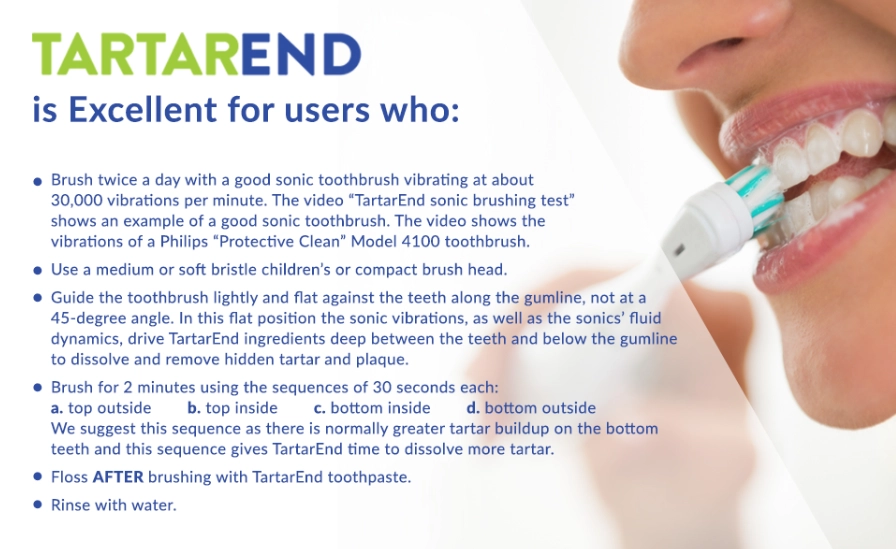
Where people get nervous is comparing it to something like hydrated silica, the abrasive in most gels. Silica is harder and can be more uniformly shaped, which some argue makes its abrasion more predictable. Calcium carbonate is softer but can have more irregular edges. This isn't inherently bad—it's just different. The real safety issue isn't the ingredient itself, but using any abrasive toothpaste with excessive force, especially on already weakened enamel.
Fluoride: The Safety Anchor
TartarEnd contains sodium fluoride (0.24%, or 1100 ppm fluoride). This is standard and non-negotiable for safety in my book. Fluoride remineralizes enamel, making it more resistant to the acid attacks that lead to cavities. A tartar-control paste without fluoride would be a major red flag, as you're fighting one problem while potentially creating another. The fluoride in TartarEnd is a crucial protective element that makes its overall profile safer for long-term use.
Addressing Specific Safety Concerns Head-On
Let's tackle the big worries one by one.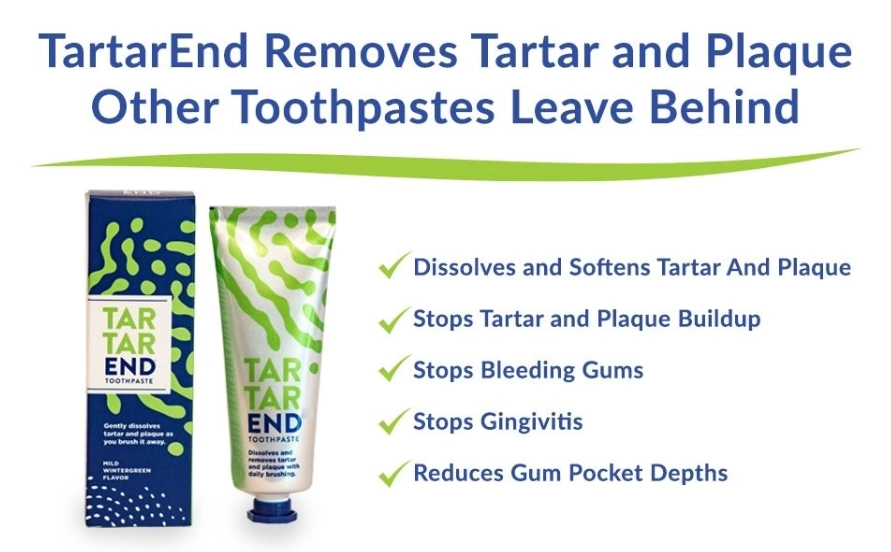
Will It Damage My Enamel?
This is the number one fear. Used correctly, no. Enamel is the hardest substance in your body. The daily micro-abrasion from any toothpaste, including TartarEnd, is negligible if you're using a soft-bristled brush and gentle pressure. The danger zone is when you combine a medium-abrasive paste with a hard brush and scrub like you're cleaning a tile grout. I've seen patients with "abrasion cavities" near the gumline from this exact habit, often with a whitening paste. TartarEnd isn't uniquely dangerous here—user error is.
Is It Safe with an Electric Toothbrush?
Absolutely, but this requires a mindset shift. The biggest mistake I see is people applying toothpaste to their electric brush and then adding massive manual pressure. The brush head does the work—you're just guiding it. Let the oscillation or sonic vibrations do their job. The paste is a supplemental agent. If you're mashing the brush against your teeth, you're amplifying any paste's abrasive potential. With an electric brush, use even less pressure than you think you need.
Can It Cause or Worsen Sensitivity?
It can, but usually indirectly. TartarEnd isn't formulated with potassium nitrate or stannous fluoride, the classic desensitizing agents. If your sensitivity is caused by thin enamel or exposed dentin, the abrasion could irritate open tubules. However, the fluoride content helps by remineralizing and sealing tubules over time. For some, the removal of tartar (which can sometimes act as a crude "plug" over sensitive areas) might initially increase sensitivity. This often subsides.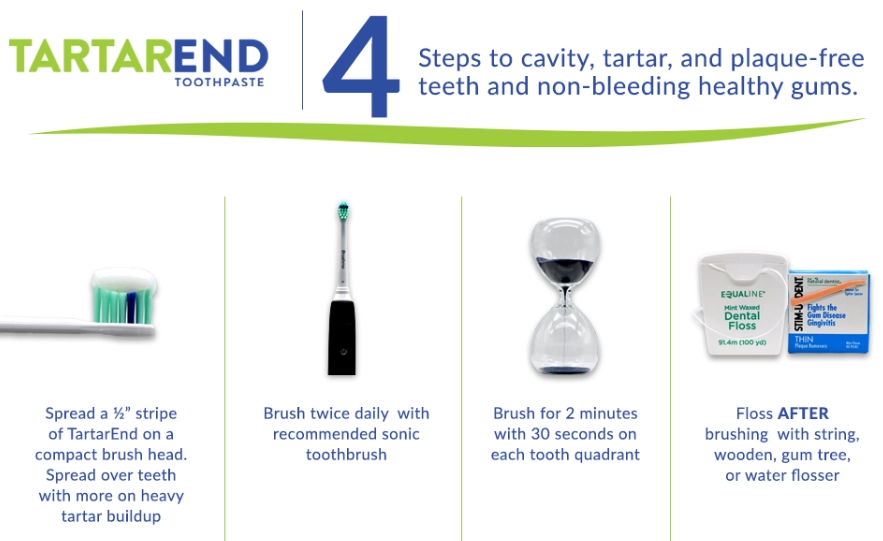
I recall a patient who switched to TartarEnd and complained of sudden sensitivity. We looked at his technique—he was a fierce brusher. We switched him to a softer manual brush and told him to pretend he was brushing a ripe tomato. The sensitivity vanished in a week. The paste wasn't the villain; the pressure was.
How to Use TartarEnd Safely: A Step-by-Step Guide
Safety is in the application. Here's how to integrate TartarEnd into your routine without worry.
1. The Brush & Pressure Test: Use a soft-bristled brush (look for the ADA Seal). Before you even put paste on it, practice brushing your teeth with just the brush and water. Use pressure so light that the bristles barely flex. That's your benchmark.
2. The Pea-Sized Amount: Seriously, a pea. Not a stripe covering the brush head. More paste doesn't mean more efficacy, just more unnecessary abrasion and foam.
3. The Two-Minute, Twice-a-Day Rule: Consistency is key for tartar control. Don't expect one super-long brushing session to compensate. Twice daily for two minutes allows the zinc citrate to work continuously as an anti-tartar agent.
4. The Spit, Don't Rinse Habit: This is a game-changer for safety and efficacy. After brushing, spit out the excess foam, but do not rinse your mouth with water. This leaves a concentrated film of fluoride on your enamel to work for hours longer. It feels weird for a day, then you get used to it. The American Dental Association now recommends this for maximum fluoride benefit.
5. The Monitoring Schedule: Pay attention. If you notice increased sensitivity, gum irritation, or see new notches at the gumline, stop. Re-evaluate your technique or consider alternating with a low-abrasion, sensitivity toothpaste. Your mouth will give you feedback.
| Who Can Use TartarEnd Safely? | Who Should Proceed with Caution? | Who Should Avoid or Consult a Dentist First? |
|---|---|---|
| Adults with generally healthy teeth and gums looking for tartar control. | Individuals with mild, generalized sensitivity. | People with severe, diagnosed enamel erosion or dentin hypersensitivity. |
| Those prone to heavy tartar buildup (especially behind lower front teeth). | Those with minor gum recession. | Individuals with active, untreated gum disease (gingivitis/periodontitis). |
| Users of electric toothbrills who apply gentle pressure. | People who are heavy-handed brushers (needing technique correction). | Young children (due to swallowing risk and specific fluoride needs). |
Your TartarEnd Safety Questions Answered
I have receding gums and exposed roots. Is TartarEnd a terrible idea for me?
It's not ideal as your sole toothpaste. The exposed cementum and dentin are far more susceptible to abrasion than enamel. You could consider using TartarEnd specifically on the enamel surfaces of your teeth (like the biting edges and outer cheek sides) where tartar forms, and use a sensitive toothpaste like Sensodyne or Colgate Sensitive on the exposed root surfaces near the gumline. A consult with your dentist or hygienist for a personalized plan is your best move.
Can I use TartarEnd if I'm pregnant or breastfeeding?
There is no known contraindication. The ingredients (fluoride, zinc citrate, calcium carbonate) are not systemically absorbed in amounts that would pose a risk. In fact, maintaining excellent oral health to prevent pregnancy gingivitis is crucial. The standard safety advice for any toothpaste applies: use a pea-sized amount and avoid swallowing. If you have specific concerns, your obstetrician can provide guidance.
 My dentist says I have "abrasion." Should I throw my TartarEnd away?
Not necessarily, but you need to be the chief suspect in causing the abrasion. Switch to an ultra-soft brush immediately and focus on technique. You might need to take a break from TartarEnd for 4-6 weeks, using a remineralizing, low-abrasion paste (like a prescription fluoride gel or something with NovaMin) to help the affected areas. Once the abrasion is stable and your technique is corrected, you could reintroduce TartarEnd cautiously, perhaps only once a day.
How does TartarEnd compare to the "tartar control" Crest or Colgate versions?
The major brands (Crest Tartar Protection, Colgate Tartar Control) typically use pyrophosphates as their anti-tartar agent, which works by crystal growth inhibition, and hydrated silica as the abrasive. TartarEnd's approach with zinc citrate and calcium carbonate is a different mechanical/chemical combo. In terms of abrasion, they're likely in a similar medium range. The safety profile is comparable. The difference is in the active anti-tartar ingredient and the "feel"—some find calcium carbonate pastes grittier. It often comes down to which formulation your mouth's chemistry responds to better.
Is it safe for children over 6?
The fluoride concentration (1100 ppm) is appropriate for children over 6 who can reliably spit and not swallow toothpaste. However, tartar buildup is rarely a primary concern for children—preventing cavities is. A standard children's or family fluoride toothpaste is usually sufficient. The added abrasion of TartarEnd isn't necessary for most kids' primary or young permanent teeth. Focus on fluoride and flossing first.
The bottom line on TartarEnd toothpaste safety is this: it's a tool, not a magic wand. Its safety is determined more by the hand that holds the toothbrush than by the ingredients in the tube. For the average person with sound enamel and good brushing habits, it's a safe and potentially effective option for managing tartar. If your oral landscape has specific challenges—recession, erosion, extreme sensitivity—you need to tailor your approach. Listen to your mouth, master a gentle technique, and when in doubt, that conversation with your dental hygienist during your next cleaning is the safest step of all.