Let's get this out of the way first: for the vast majority of people, the benefits of professional teeth cleaning far, far outweigh the risks. The American Dental Association recommends regular cleanings for a reason—they prevent gum disease, catch problems early, and keep your smile healthy.
But here's the thing nobody in the dental chair really talks about: a cleaning isn't always a purely positive experience. It can have temporary downsides, and in rare cases, even cause harm if not done correctly. If you've ever left the dentist feeling more sensitive or uncomfortable than when you walked in, you're not imagining things.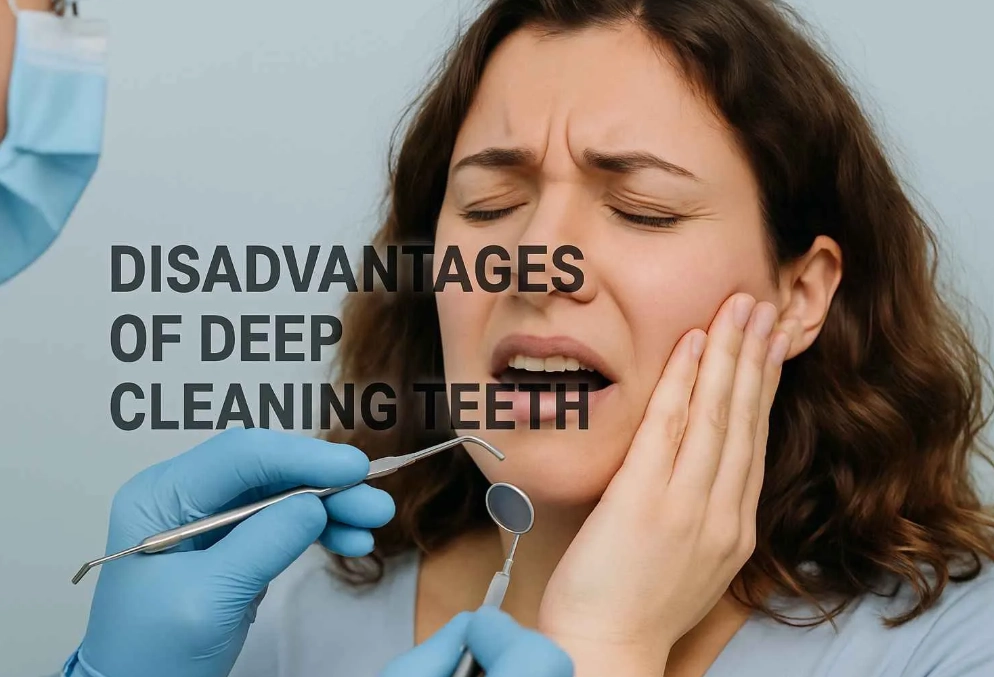
This article isn't meant to scare you away from cleanings. My goal, after years working alongside dental hygienists, is to give you the full picture. Knowing the potential disadvantages empowers you to have better conversations with your dental team and ensure your experience is as safe and comfortable as possible.
Quick Navigation: What We're Covering
What Exactly Happens During a Teeth Cleaning? (The Process Demystified)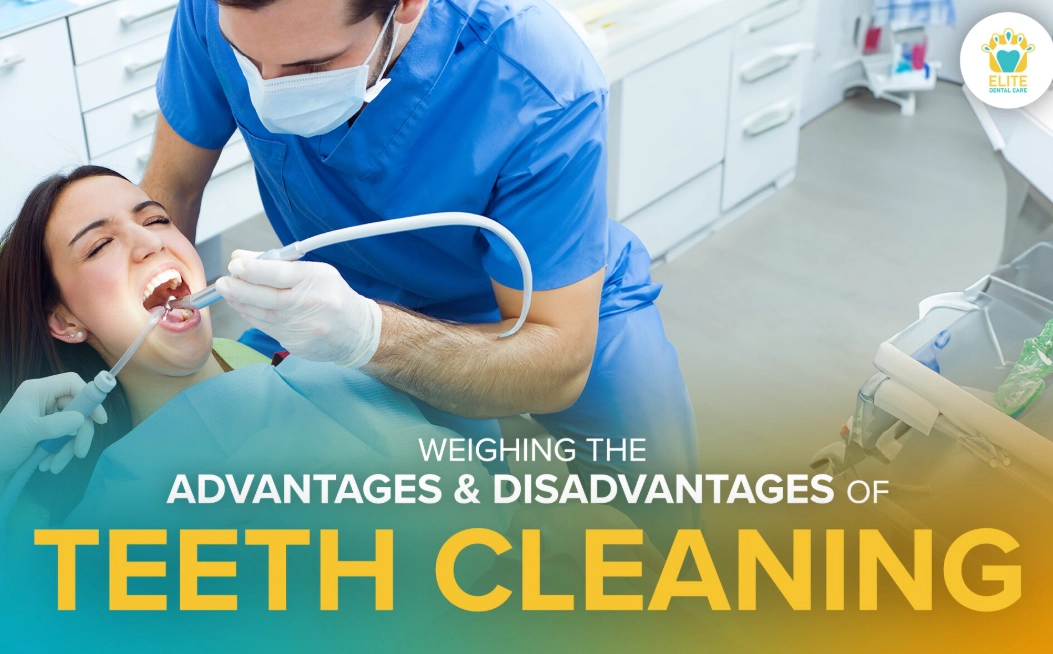
To understand the downsides, you need to know what you're signing up for. A standard prophylaxis cleaning isn't just a polish. It's a mechanical process.
The hygienist uses an ultrasonic scaler first. That's the tool that vibrates and sprays water. It breaks up large chunks of tartar (calculus). Then, they follow up with hand scalers—those sharp, hook-like metal instruments. They physically scrape the remaining deposits off the tooth surface, both above and below the gumline. Finally, they polish with a gritty paste to remove surface stains.
Every single one of those steps involves physical contact with your teeth and gums. It's not magic. It's controlled, skilled abrasion and debridement. And that's where the potential for problems can creep in.
The Real Disadvantages and Risks of Professional Teeth Cleaning
Let's break down the specific, legitimate concerns. I've grouped them from most common (and usually minor) to the rarer, more serious ones.
Temporary Tooth Sensitivity
This is the number one complaint. Your teeth might feel zingy or ache for a few hours or even days after a cleaning, especially with hot, cold, or sweet stimuli.
Why it happens: Tartar buildup acts like a thick sweater for your teeth. It insulates them. When that layer is ripped off (and it is ripped off, not gently lifted), the freshly exposed tooth surface is more vulnerable. The microscopic tubules in the dentin layer are now more open to sensation. Also, if you had significant gum recession hidden by tartar, newly exposed root surfaces will be sensitive.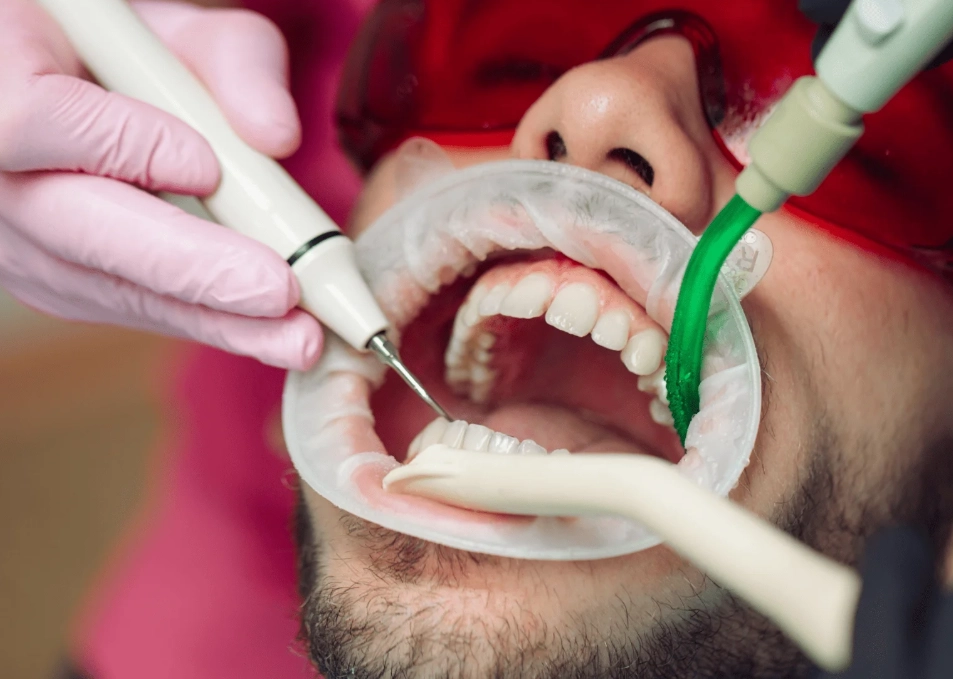
A non-consensus view: Many dentists will say sensitivity is just proof the cleaning was thorough. Sometimes, though, it's a sign of over-aggressive scaling, particularly on root surfaces. A gentle, experienced hand makes a world of difference. I've seen patients who switched hygienists and suddenly had no post-cleaning sensitivity.
Gum Irritation, Soreness, and Bleeding
Your gums will likely be tender and might bleed a bit during and after the procedure. This is normal inflammation as they heal from the removal of irritants (tartar).
The downside: It can be uncomfortable. Eating crunchy foods for the next day or so might be unpleasant. The bleeding, while minor, worries some people. In cases of deep cleaning (scaling and root planing) for gum disease, this soreness can last a week and feel quite significant.
Risk of Gum Recession (Over Time)
This is a subtle, long-term risk that's rarely discussed in the chair. Aggressive or improperly angled scaling, especially over many years of frequent cleanings, can contribute to gum tissue wearing away.
Think of your gum like the cuff of a sweater. If you constantly pick at it with a sharp tool, it will fray. The same principle applies. Recession exposes more of the tooth root, which is softer than enamel and more prone to cavities and sensitivity. If you already have thin gum tissue, this risk is higher.
Damage to Dental Work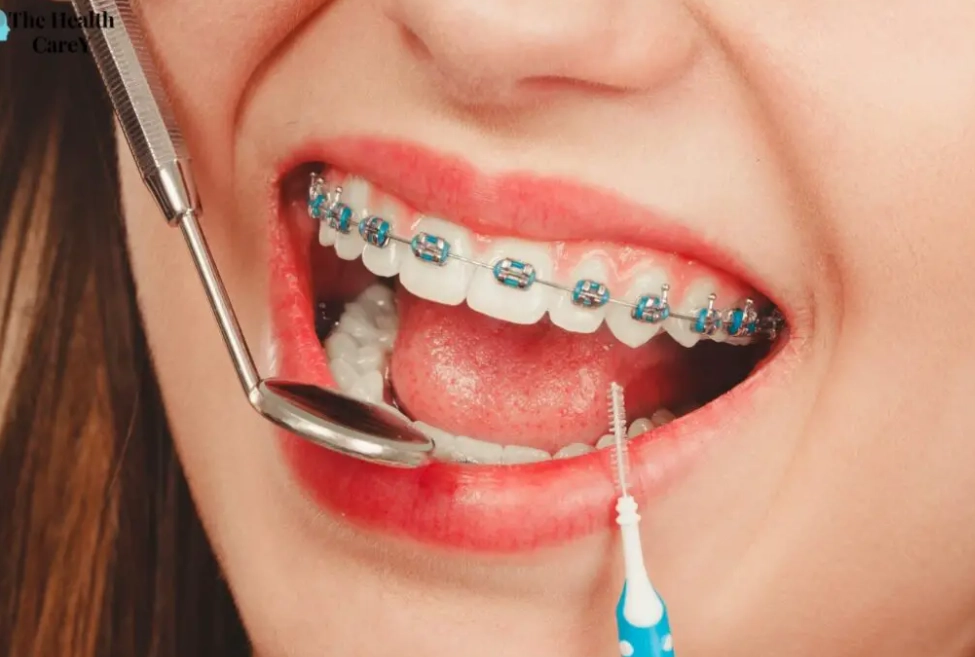
This one keeps dentists up at night. The ultrasonic scaler can chip or crack old, brittle porcelain crowns or veneers. It can loosen the cement holding a crown in place. I once saw a patient whose old composite bonding on a front tooth was partially dislodged by an overzealous hygienist using the ultrasonic tip too close to the edge.
It's crucial to tell your hygienist about all your dental work—crowns, veneers, implants, bridges, even large fillings.
Risk of Infection or Bacteremia
This is the big, scary one, but it's important to keep it in perspective. The mouth is full of bacteria. When gums are manipulated and bleed, those bacteria can enter the bloodstream. For most healthy people, the immune system handles this instantly with zero issue.
However, for individuals with specific health conditions—like certain heart valve problems, artificial joints, or a compromised immune system—this transient bacteremia can pose a risk of infection elsewhere in the body. This is why your dentist always asks about your medical history. They may recommend pre-medication with antibiotics before a cleaning, a protocol outlined by the American Heart Association for at-risk patients.
Discomfort and Anxiety
This isn't a physical risk, but it's a very real disadvantage that stops people from getting care. The noise, the pressure, the feeling of being prodded, the occasional jaw ache from keeping your mouth open—it's not a spa day. For people with dental phobia, even a routine cleaning can be a source of major stress.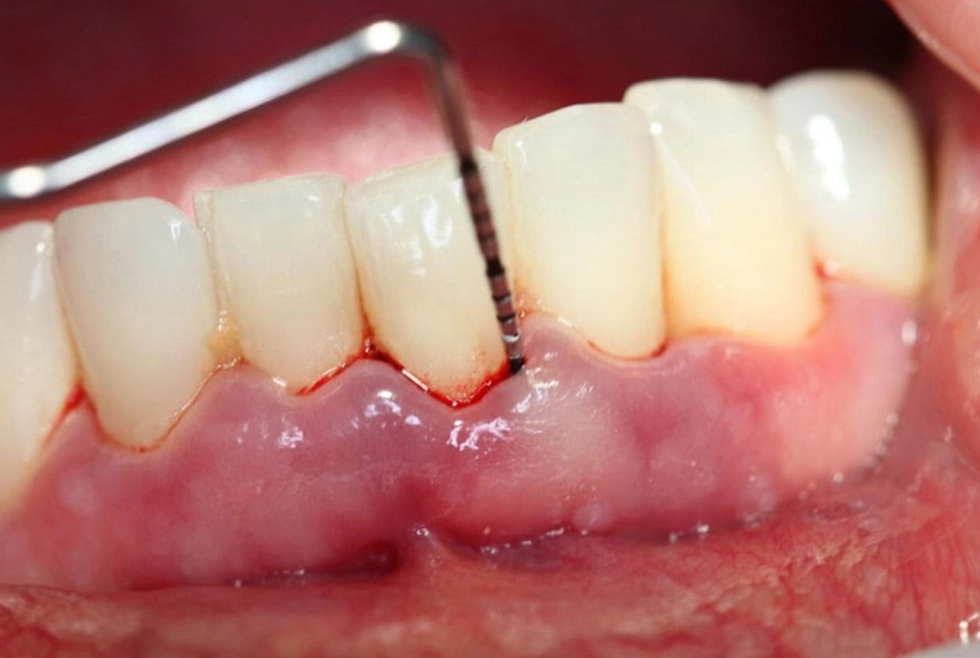
How to Minimize the Risks of Teeth Cleaning
You're not powerless. Here's how to be a proactive partner in your care:
- Communicate, communicate, communicate. Tell your hygienist about any sensitivity during the cleaning. A good one will adjust their pressure or technique. Mention all past dental work and any health conditions.
- Ask for a gentler approach. You can literally say, "I have sensitive teeth and gums, could we please go gently today?" This sets the tone.
- Consider topical desensitizers. Ask if they can apply a fluoride varnish or a desensitizing agent like potassium nitrate after the cleaning. This can drastically cut down on post-procedure sensitivity.
- Update your medical history. Never skip this part of the form. It's how they assess your infection risk.
- Find a hygienist you trust. Skill levels vary. If you consistently have bad experiences, try a different provider or office. A light, meticulous touch is a learned skill.
Are There Safer Alternatives or Different Options?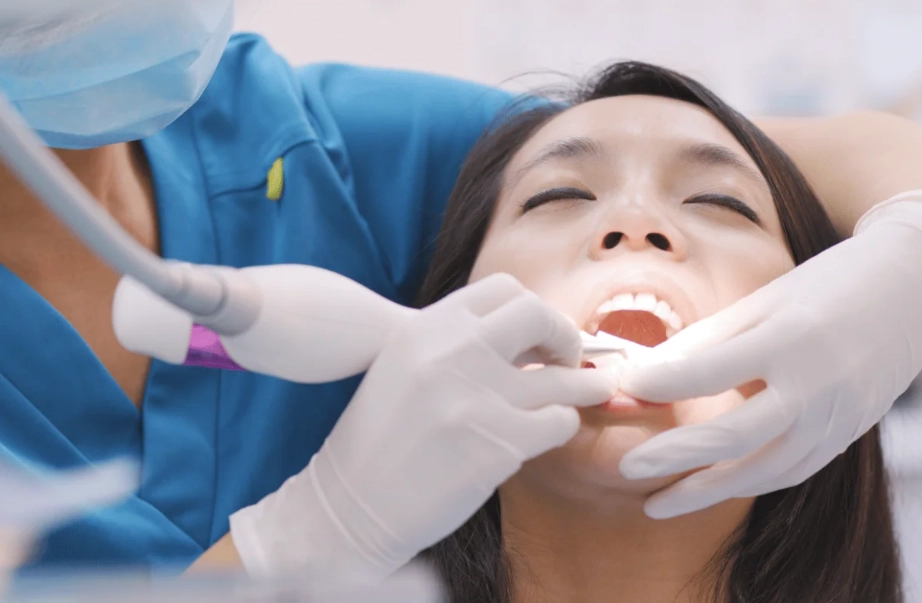
For some people, the standard cleaning isn't the best fit. Here are scenarios and alternatives.
If you have extreme sensitivity or dental anxiety: Talk to your dentist about options like using topical numbing gels on your gums before starting, or even doing the cleaning under nitrous oxide (laughing gas) sedation. It's more common than you think.
If you have extensive dental work or implants: You may need a "prophy-jet" or air-polishing system instead of traditional scaling for certain areas. These use a stream of air, water, and fine powder and are often gentler on restorations. Your hygienist should also be using specially designed plastic or titanium instruments around implants to avoid scratching them.
The biggest "alternative" is impeccable home care. This is the ultimate hack. The less plaque and tartar you have buildup, the shorter, gentler, and less invasive your professional cleaning needs to be. Brushing effectively twice a day and flossing daily isn't just good advice—it directly reduces the potential disadvantages of your next cleaning.
 How often is "too often" for teeth cleanings? Could frequent cleanings cause long-term harm?