You just left the dentist's office. The cavity is gone, your tooth is saved. But a few hours later, a new problem emerges—a dull ache, a tightness, maybe even a sharp pain in your jaw. It's frustrating, and frankly, a bit worrying. Is this normal? Did something go wrong?
Let's cut to the chase. Jaw pain after a filling is surprisingly common, but it's not something you should just "wait out" indefinitely. In my years of practice, I've seen this scenario countless times. Often, it's a simple fix. Other times, it's a sign that needs immediate attention. The key is knowing the difference.
What You'll Find in This Guide
Why Your Jaw Hurts After a Filling (It's Usually Not the Filling Itself)
Most people blame the filling material. In reality, the filling is rarely the direct villain. The pain usually comes from the structures around the tooth—your jaw joint, muscles, and ligaments. Here’s a breakdown of the usual suspects, from most to least common.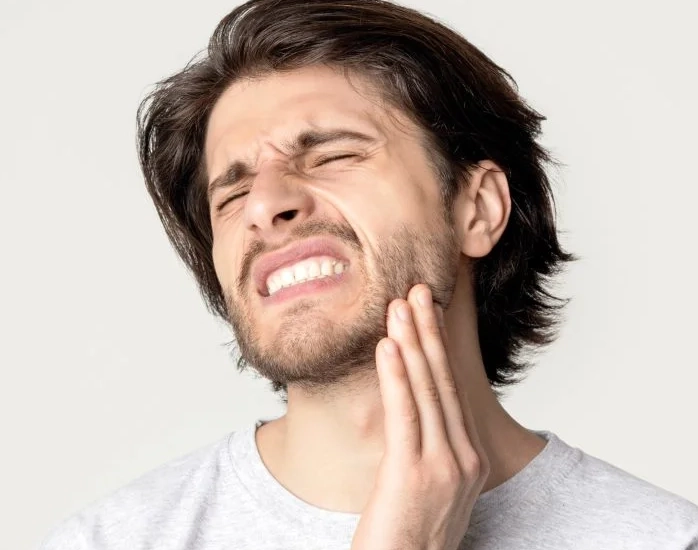
The #1 Culprit: A "High" Bite (Occlusal Interference)
This is, hands down, the leader. When a new filling is placed, even a fraction of a millimeter too tall, it changes how your teeth come together. That one tooth hits first and takes the full force of your bite.
Your body isn't stupid. Your jaw muscles immediately tense up to avoid crashing down on this new "speed bump." This constant, low-grade clenching to protect the tooth puts immense strain on the masseter and temporalis muscles (your main chewing muscles), leading to that deep, aching jaw pain. You might not even feel the tooth itself is high—the jaw pain is the primary symptom.
TMJ and Muscle Strain from the Procedure
Think about it. You were in that chair for a while, mouth stretched open, often tilted to one side. That's a marathon for your temporomandibular joint (TMJ). The ligaments get stretched, the disc inside the joint can get slightly displaced, and the muscles fatigue.
This type of jaw pain after dental work is usually more of a general soreness or stiffness, like after a workout. It typically improves within 24-48 hours with rest.
The Injection Site (Yes, But Not How You Think)
The needle prick is quick. The real issue can be the local anesthetic solution itself. A large volume of fluid injected into a small muscle space (like the pterygoid muscle for a lower tooth) can cause post-injection inflammation and soreness, sometimes radiating to the jaw joint.
Pre-Existing TMJ Issues Flaring Up
If you already have a touchy TMJ or bruxism (teeth grinding), the stress of the procedure and the changed bite can be the perfect storm to trigger a major flare-up. The filling isn't causing a new problem; it's aggravating an old, underlying one.
How to Fix Jaw Pain After a Filling: A Practical Action Plan
Don't just pop ibuprofen and hope. Follow this sequence.
Step 1: Immediate At-Home Care (First 48 Hours)
Diet is key. Stick to soft foods. Mashed potatoes, yogurt, smoothies, soup. Avoid anything chewy, crunchy, or that requires you to open wide (goodbye, big burgers). This gives your jaw a chance to rest and recover from the procedural strain.
Heat is your friend. Apply a warm, moist washcloth or a heating pad (on low) to the sore side of your jaw for 15-20 minutes, several times a day. This increases blood flow and relaxes clenched muscles. Do not use ice—for muscle pain, warmth is generally more effective.
Mind your posture. Avoid habits that strain your jaw: cradling your phone between your ear and shoulder, poor desk posture, sleeping on your stomach.
Step 2: The Critical Test - Is Your Bite Off?
After 2-3 days, if the pain is persistent and focused on chewing, do this simple test. Take a piece of shiny dental floss (it's thinner). Fold it over a few times to make a small, stiff "bite test strip." Bite down normally. Now, slide the floss between your teeth on the side with the new filling.
If the floss slides in with significant resistance or a "tight pull," or if you feel immediate relief of pressure when it goes through, your bite is almost certainly too high on that filling. This is a clear signal you need to see your dentist for an adjustment.
Step 3: Contact Your Dentist (The Right Way)
If home care isn't cutting it after 3-4 days, or you failed the floss test, call your dentist. Be specific on the phone: "I had a filling on tooth #19 last Tuesday, and I have persistent jaw pain when I try to chew. It feels like the tooth is hitting first." This tells them it's likely a bite adjustment, not an emergency root canal, and they can schedule you appropriately.
The adjustment itself is quick, often painless, and doesn't require anesthesia. They'll have you bite on articulating paper and gently reshape the high spots on the filling until your bite feels even and natural again. The jaw pain relief can be almost instantaneous.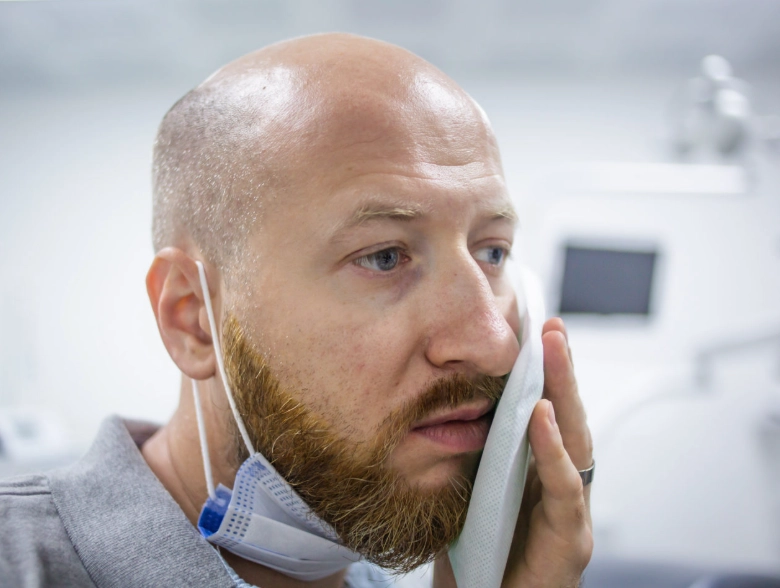
Red Flags: When to Call Your Dentist Immediately
Most post-filling jaw pain is mechanical, not infectious. But you need to know the difference.
Call your dentist right away if you have:
- Severe, throbbing pain in the tooth or jaw that painkillers don't touch.
- Visible swelling in your cheek, gums, or under your jaw.
- A fever.
- The tooth feels dramatically high, like you can't close your mouth properly.
- A bad taste or pus coming from the area.
These symptoms point toward a possible infection (abscess) or a severe pulp irritation requiring further treatment. Don't wait.
Your Questions, Answered with Real-World Experience
The bottom line? Jaw pain after a filling is a communication from your body. It's often a simple message: "Hey, this bite feels wrong." Listen to it. Address it promptly with your dentist, and you'll be back to pain-free chewing in no time. Ignoring it can turn a simple 5-minute adjustment into a complex, painful, and costly problem.