Let's be honest. We've all scrolled past those ads for instant whitening kits promising Hollywood smiles. But the thought of chemicals, sensitivity, or the cost can make you pause. The good news? You can achieve a noticeably brighter smile from your kitchen, safely and effectively. This isn't about magic potions; it's about understanding why teeth stain and using gentle, evidence-backed methods to lift those stains. I've tried most of these myself over the years, and I'll tell you straight which ones are worth your time and which ones could do more harm than good.
In This Guide: Your Natural Whitening Roadmap
Understanding Teeth Stains and How Natural Whitening Works
Your teeth aren't naturally pure white. Dentin, the layer under the enamel, is yellowish. The enamel itself is semi-translucent. Stains build up on the surface (extrinsic stains) from coffee, tea, red wine, and smoking. Some can also soak into the enamel (intrinsic stains), often from medications or trauma.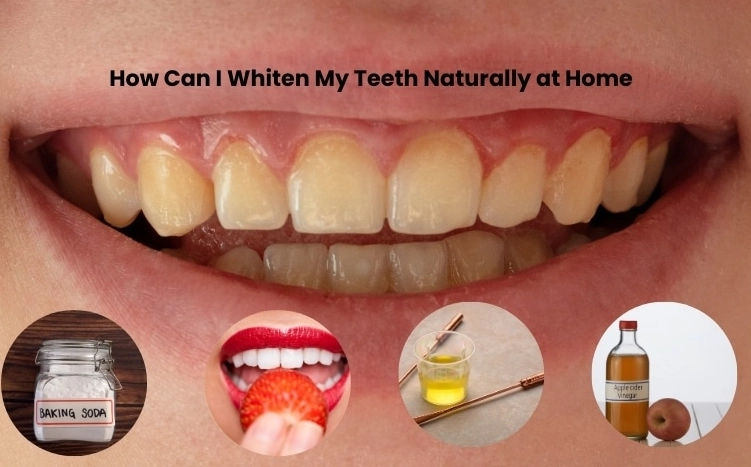
Natural whitening focuses primarily on extrinsic stains. The goal is gentle abrasion or chemical interaction to lift surface stains without etching or damaging the precious enamel. This is the crucial balance most people get wrong—they scrub too hard with abrasive substances, thinking more pressure equals whiter teeth. It doesn't. It equals thinner enamel and more sensitivity.
Top Natural Whitening Methods: What Works and What Doesn't
Here are the methods that have real merit, based on both tradition and science. I've ranked them by general effectiveness and safety.
Method 1: Baking Soda (Sodium Bicarbonate)
Baking soda is mildly abrasive and has a high pH, which can help break down stain molecules. It's a staple for a reason, but how you use it matters.
How to do it right: Mix a tiny amount of baking soda with water to form a paste the consistency of toothpaste. Gently brush with it for no more than two minutes, using a soft-bristled brush. Do this only 1-2 times a week. It's a polish, not a daily cleaner.
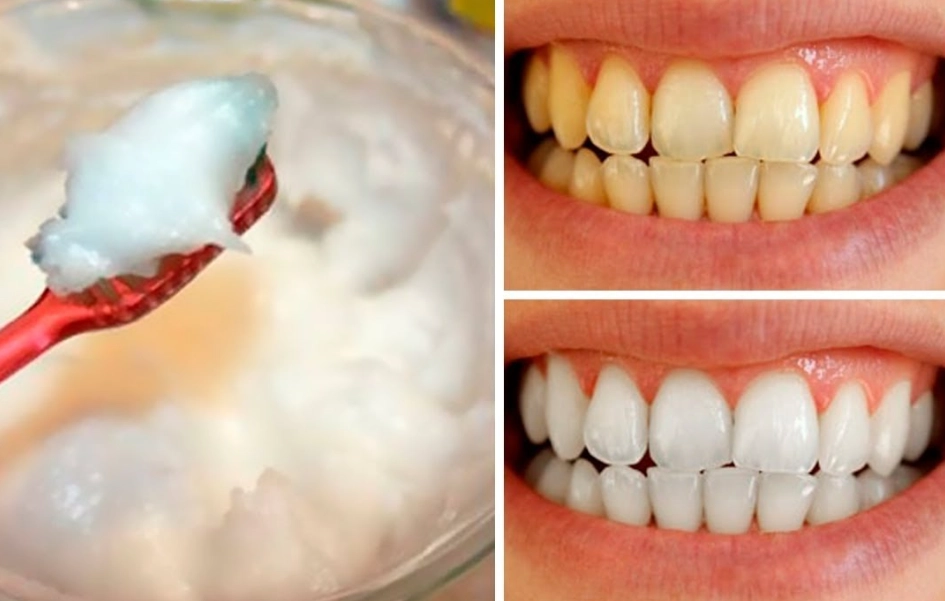
Method 2: Oil Pulling with Coconut Oil
This ancient Ayurvedic practice involves swishing oil in your mouth. The theory is that lipids in the oil bind to bacteria and plaque, which can cause staining. A 2015 study in the Journal of the American Dental Association found oil pulling with coconut oil reduced plaque and gingivitis, which are precursors to yellowing.
My routine: I take a tablespoon of virgin coconut oil and swish it around my mouth for 15-20 minutes first thing in the morning (while I'm showering). Then spit it into the trash (not the sink, it can clog pipes) and brush normally. The whitening effect is subtle and cumulative over weeks, but my mouth feels incredibly clean.
Method 3: Hydrogen Peroxide (The Diluted Approach)
Hydrogen peroxide is the active ingredient in many commercial whiteners. A low-concentration food-grade version can be used safely at home as a mouthwash.
The safe protocol: Dilute 3% hydrogen peroxide with equal parts water. Swish for 30-60 seconds, then rinse thoroughly with water. Do this a few times a week at most. It's a bleaching agent, so moderation is key to avoid irritating gums.
Method 4: Dietary Choices: Crunchy Fruits & Veggies
This is more about stain prevention than reversal, but it's powerful. Foods like apples, celery, carrots, and cauliflower act like natural scrubbers. They increase saliva flow (your mouth's natural cleaner) and can physically rub away some early-stage plaque.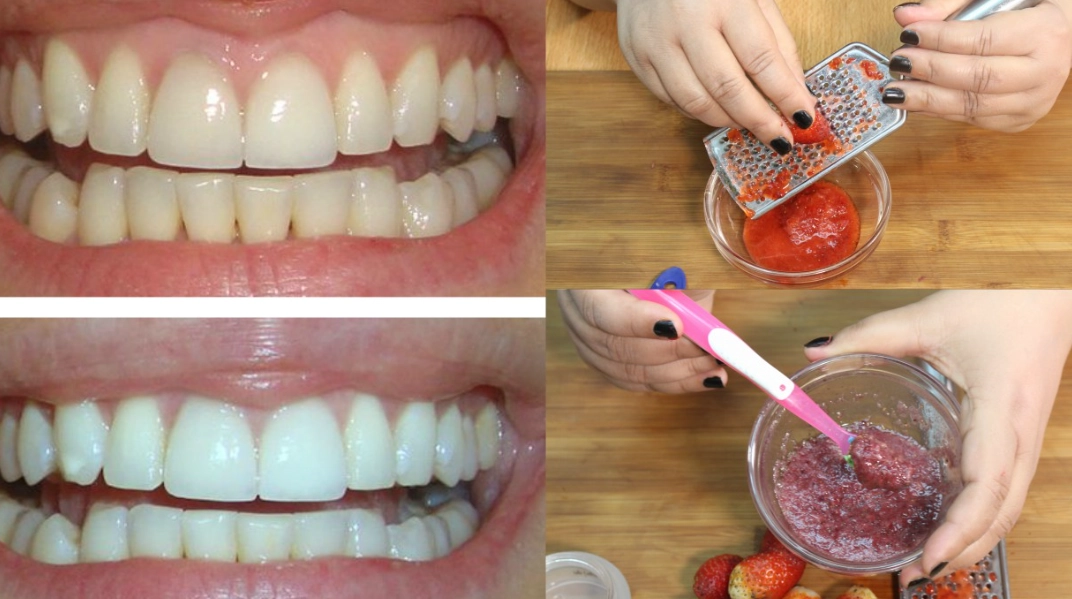 Think of them as a finishing rinse after a meal. Eating an apple after your coffee is a simple, healthy habit that makes a difference.
Method 5: Activated Charcoal
This is controversial. Activated charcoal is highly absorbent and can bind to surface stains. However, it's also very abrasive. If you choose to try it, use a product specifically formulated for teeth (not powder from capsules meant for ingestion) and apply it gently, like a mask, once a month at most. I'm skeptical of its daily use claims.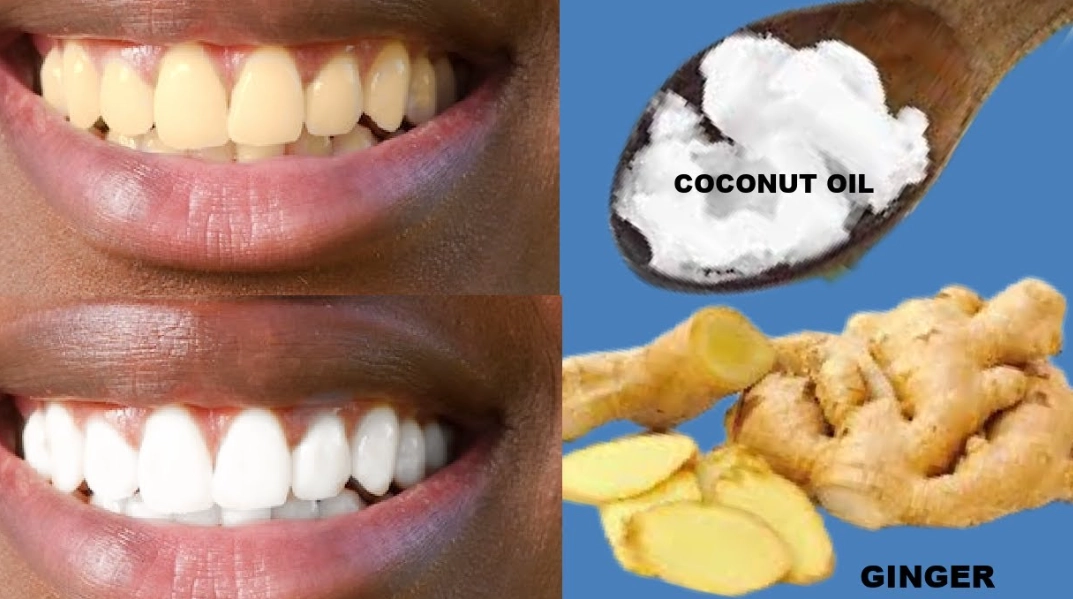
Natural Whitening Method Comparison
| Method | Primary Action | Effectiveness | Safety / Frequency | Best For |
|---|---|---|---|---|
| Baking Soda Paste | Abrasion & pH alteration | Moderate-High (surface stains) | Safe; 1-2 times/week | Gentle polishing, coffee/tea stains |
| Coconut Oil Pulling | Plaque/bacteria reduction | Low-Moderate (over time) | Very Safe; Daily | Overall oral health, subtle brightening |
| Diluted Hydrogen Peroxide | Oxidation (bleaching) | Moderate | Caution; 2-3 times/week | Killing bacteria, mild bleaching |
| Crunchy Fruits/Veggies | Mechanical cleaning | Low (Preventative) | Very Safe; Daily | Stain prevention, post-meal clean |
| Activated Charcoal | Adsorption | Variable | Low; Very infrequent (monthly) | Experimental use only |
Common Natural Whitening Mistakes to Avoid
This is where most DIY efforts fail. Enamel doesn't grow back.
Mistake 1: The Lemon Juice Scrub. This is the biggest offender. Lemon is extremely acidic. Applying it directly to teeth dissolves enamel, making them look yellower in the long run as the thinner enamel reveals more of the yellow dentin underneath. Just don't do it.
Mistake 2: Over-brushing or using hard brushes. More pressure doesn't equal whiter teeth. It equals gum recession and worn enamel. Use a soft-bristled brush and let the technique (or the agent) do the work.
Mistake 3: Expecting overnight results. Natural methods are gradual. You might see a difference in a few weeks with consistent application. They maintain and improve, they rarely transform.
Long-Term Habits for a Naturally Whiter Smile
Whitening isn't a one-time event; it's a maintenance routine.
Your daily non-negotiables: Brush twice daily with a fluoride toothpaste. Floss. These remove the plaque that attracts stains. It's boring advice, but it's the foundation.
Dietary awareness: It's not about cutting out coffee, but being mindful. Follow a staining drink with water. Include those crunchy veggies.
Regular dental cleanings: A professional hygienist can remove tartar (hardened plaque) that you can't brush away. This alone can restore a shade or two of whiteness. Think of home care as upkeep between professional cleanings.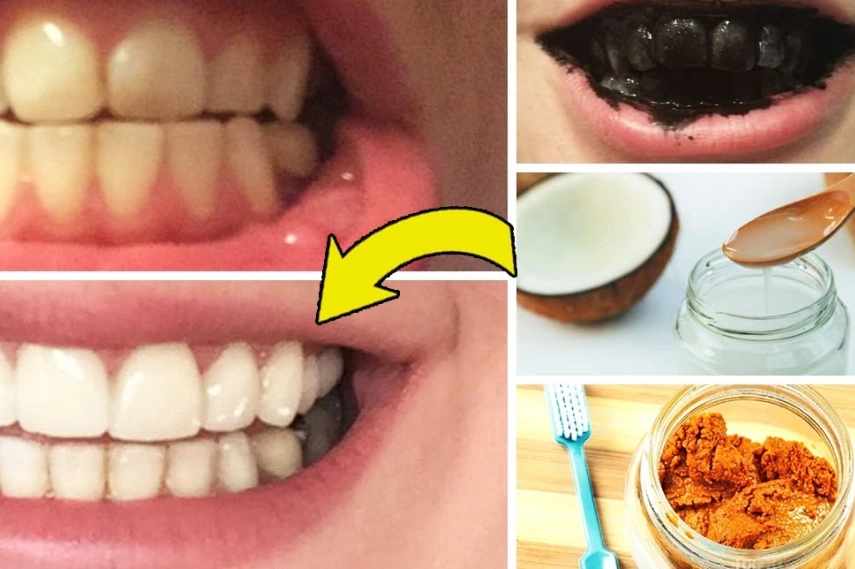 Teeth Whitening Questions Answered