You're standing in the toothpaste aisle, staring at a new tube promising a "healthy oral microbiome" with probiotics. Right next to it is your old reliable, the one with fluoride that's been fighting cavities for decades. The question hits you: Is probiotic toothpaste better than fluoride toothpaste?
Let's cut through the marketing. It's not a simple "yes" or "no." Asking which is better is like asking if a lock is better than a security guard. They do different jobs. Fluoride is your frontline defense, the mineral that rebuilds and shields your teeth from decay. Probiotics are the ecosystem managers, working to keep the balance of bacteria in your mouth healthy to prevent problems like bad breath and gum inflammation from taking root.
The real answer isn't about picking one. For most people, the optimal strategy is a hybrid approach. I've seen patients ditch fluoride for trendy alternatives only to show up with new cavities six months later. I've also seen others stick rigidly to fluoride while battling persistent gingivitis that a probiotic approach could help manage. This guide will break down exactly what each type does, who it's for, and how you can potentially use both to get the best of both worlds.
What's Inside This Guide
- Fluoride: The Non-Negotiable Foundation for Strong Teeth
- The Probiotic Promise: Beyond Just Fighting Cavities
- Head-to-Head: A Practical Comparison Table
- Who Should Use Which? Making the Right Choice for You
- The Smart Hybrid Strategy: Can You Use Both?
- Common Mistakes People Make When Switching Toothpaste
- Your Probiotic & Fluoride Toothpaste Questions, Answered
Fluoride: The Non-Negotiable Foundation for Strong Teeth
Let's get this straight first. Fluoride isn't just another ingredient; it's the most evidence-backed cavity fighter in dental history. The American Dental Association (ADA) seals of acceptance aren't handed out lightly, and fluoride toothpaste has one for a reason.
Here’s how it works in simple terms. When you eat sugar, the bacteria in plaque produce acid. This acid leaches minerals (like calcium and phosphate) from your tooth enamel in a process called demineralization. It's the start of a cavity.
Fluoride steps in at two critical moments:
1. Remineralization: Fluoride integrates into the weakened enamel surface during the repair phase, forming a new, harder mineral called fluorapatite. This repaired surface is more resistant to future acid attacks than the original enamel.
2. Disruption: It interferes with the acid-producing metabolism of the cavity-causing bacteria themselves.
Think of fluoride as a daily repair crew and reinforcement team for your teeth. Without it, you're leaving your teeth vulnerable. The concentration matters too. Most over-the-counter toothpastes contain 1000-1500 ppm (parts per million) of fluoride. Prescription-strength ones go higher for high-risk patients.
A huge mistake I see? People rinsing their mouth vigorously with water right after brushing. You're washing the fluoride away. Spit, don't rinse. Let that thin film sit on your teeth.
The Probiotic Promise: Beyond Just Fighting Cavities
Probiotic toothpaste is a newer player. It doesn't contain fluoride's mineral magic. Instead, it contains strains of "good" bacteria (like *Lactobacillus* or *Streptococcus salivarius* strains) intended to colonize your mouth.
The goal isn't to kill all bacteria—that's impossible and undesirable. It's to shift the balance. A healthy oral microbiome crowds out the harmful bacteria linked to problems beyond cavities.
Where probiotic toothpaste aims to make a difference:
Bad Breath (Halitosis): Often caused by volatile sulfur compounds produced by specific bacteria on the tongue and gums. Probiotics can compete with these odor-causing bugs. A patient of mine with chronic halitosis saw more improvement from a probiotic toothpaste in 3 weeks than from a year of antiseptic mouthwashes, which were wiping out everything good and bad.
Gum Health (Gingivitis): Early gum inflammation is driven by a bacterial biofilm. Some probiotics can produce substances that inhibit the growth of pathogenic bacteria like *P. gingivalis* and reduce the inflammatory response.
Oral Thrush: For those prone to fungal overgrowth, certain probiotic strains can be helpful.
The catch? The science is promising but still evolving compared to the mountain of data on fluoride. Not all probiotic strains are equal, and survival in a toothpaste tube and then in the mouth is a technical challenge. You're not just buying "probiotics"; you're buying specific strains with specific proposed functions.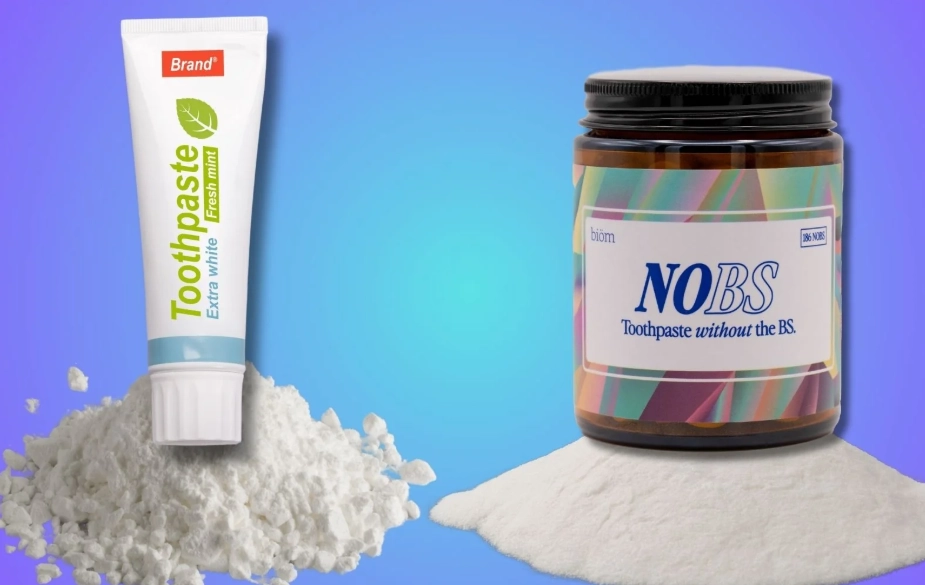
Head-to-Head: A Practical Comparison Table
This table lays out their core functions side-by-side. It shows why they're not direct substitutes.
| Feature | Fluoride Toothpaste | Probiotic Toothpaste |
|---|---|---|
| Primary Action | Strengthens tooth enamel (remineralization), making it resistant to acid decay. | Modifies the oral bacterial balance, promoting beneficial microbes. |
| Main Benefit | Prevents cavities (dental caries). The benefit is overwhelmingly proven. | Targets bad breath, may support gum health, and promotes a balanced oral microbiome. |
| Mechanism | Chemical/Mineral. Integrates into tooth structure. | Biological. Introduces or supports live bacteria. |
| Key Ingredient | Sodium fluoride, stannous fluoride, sodium monofluorophosphate. | Specific live bacterial strains (e.g., *L. paracasei*, *S. salivarius* M18). |
| Evidence Level | Extensive, decades of rigorous clinical trials. Gold standard. | Emerging and promising. More studies are needed for definitive long-term claims. |
| Best For | Everyone at risk of cavities (which is almost everyone). Essential for children, those with dry mouth, history of decay. | Adults with specific concerns: chronic bad breath, mild gum inflammation, or those wanting microbiome support alongside fluoride. |
| Regulatory Status | Often carries the ADA Seal of Acceptance for anti-cavity efficacy. | Generally classified as a cosmetic. Does not have ADA seal for cavity prevention. |
Who Should Use Which? Making the Right Choice for You
Based on that comparison, your choice becomes clearer.
Stick with (or choose) Fluoride Toothpaste If:
You have a history of cavities. You're undergoing orthodontic treatment (braces). You have dry mouth (xerostomia) from medication or health conditions—less saliva means less natural protection. You have sensitive teeth (many fluoride toothpastes also contain desensitizing agents). You have children or teenagers. Their developing teeth are especially cavity-prone. The CDC and every major dental association worldwide recommend fluoride.
Consider Adding or Trying a Probiotic Toothpaste If:
You brush and floss diligently but still struggle with persistent bad breath that isn't linked to a medical issue. You have early signs of gum inflammation (gingivitis)—bleeding when you floss—and want a complementary approach. You frequently use antiseptic mouthwashes (like those with chlorhexidine) and want to repopulate your mouth with good bacteria afterward. You're curious about oral microbiome health and have no active cavity risk.
Critical Point: If you fall into the "consider probiotic" group but also have any cavity risk, do not abandon fluoride. This leads us to the smartest approach.
The Smart Hybrid Strategy: Can You Use Both?
Absolutely. This is where the "versus" debate falls apart. For many adults, the ideal routine isn't an either/or choice.
Here’s a practical, real-world way to integrate both:
Morning Brush: Use your standard fluoride toothpaste. This sets up your enamel's daily defense for the meals and snacks to come.
Evening Brush: Use a probiotic toothpaste. Overnight, your mouth is less active, potentially giving the beneficial bacteria a better chance to establish themselves without being immediately washed away by food and drink.
This routine gives you the proven, non-negotiable cavity protection of fluoride while allowing you to explore the gum and breath benefits of probiotics. Some companies are now even formulating toothpastes that contain both fluoride and probiotic strains, aiming to deliver a true two-in-one product, though the long-term stability of live bacteria in such formulas is something to watch.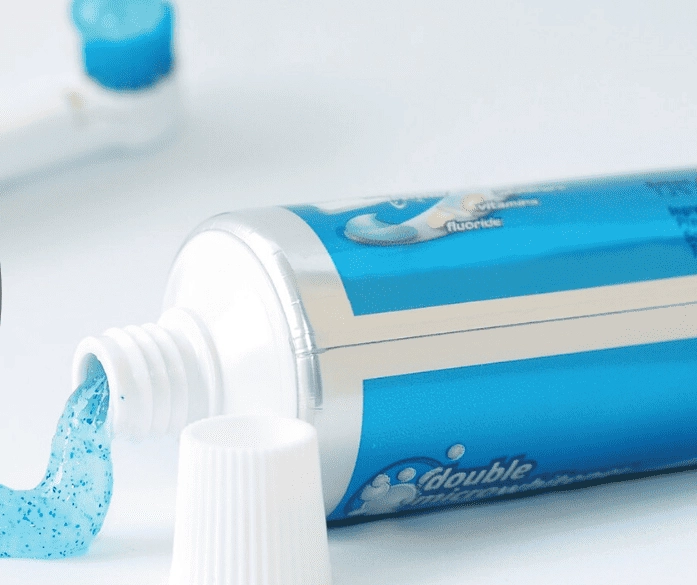
Common Mistakes People Make When Switching Toothpaste
I've watched people make these errors, often after reading a compelling article online.
Mistake 1: Going "All Natural" and Ditching Fluoride Entirely. This is the biggest one. Cavities are a bacterial infection, not a deficiency of natural products. I've had to fill cavities in health-conscious patients who thought herbal pastes were enough. If a toothpaste doesn't contain fluoride, it is not preventing cavities in a clinically significant way, regardless of its other ingredients.
Mistake 2: Expecting Overnight Miracles from Probiotics. Balancing your oral microbiome is a process. Don't try a probiotic paste for three days and declare it useless. Give it at least 3-4 weeks of consistent use to judge its effect on breath or gum sensitivity.
Mistake 3: Using a Probiotic Paste Right After an Antibacterial Mouthwash. You're essentially throwing the probiotic bacteria into a toxic, barren environment. If you use a therapeutic mouthwash (like for gingivitis), use it at a separate time of day, perhaps after lunch. Use the probiotic paste at night.
Mistake 4: Assuming All Probiotic Toothpastes Are Equal. Check the strain. Look for products that list the specific strain (e.g., *Lactobacillus reuteri* DSM 17938) and have some clinical studies, even if small, backing that strain for oral health. Generic "probiotic" on the label tells you very little.