Let's get real for a second. That "100% white" smile you see on magazine covers and Instagram feeds? It's often a combination of professional dental work, good lighting, and sometimes a bit of digital enhancement. Your natural tooth color has more to do with genetics than anything else—the dentin underneath your enamel gives teeth a slightly yellow or grayish hue. So, chasing a completely pure, paper-white shade isn't just unrealistic for most people; it can be unhealthy.
But here's the good news. You can absolutely achieve a dramatically brighter, whiter, and more confident smile that looks and feels amazing. The goal isn't an artificial, blinding white. It's about removing years of stains, maximizing your natural tooth shade, and creating a smile that makes you feel fantastic. I've seen too many people waste money on ineffective products or, worse, damage their enamel chasing a Hollywood fantasy. This guide cuts through the noise.
What You’ll Find Inside
What "White Teeth" Actually Means (And Why Perfection is a Myth)
Think of your teeth like a piece of frosted glass. The outer layer, enamel, is semi-translucent. The layer underneath, dentin, is naturally yellowish. The thickness and color of both determine your smile's baseline. Coffee, red wine, smoking, and even some medications create extrinsic stains on the enamel surface. Age thins the enamel, letting more of that yellow dentin show through—these are intrinsic stains.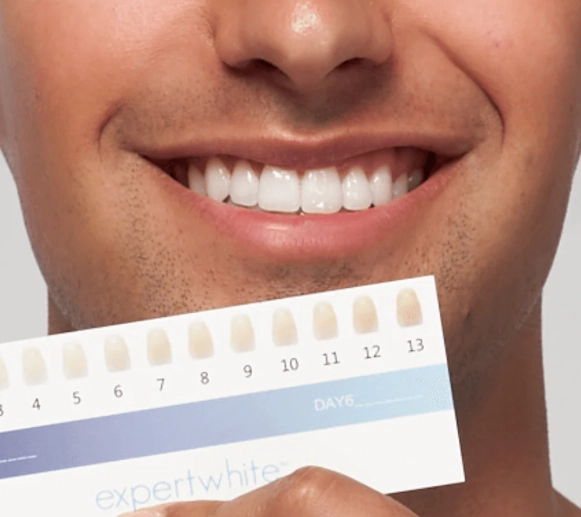
Aiming for "whiter" teeth means targeting those extrinsic stains and, to a safe degree, gently lightening the intrinsic color. The American Dental Association (ADA) has clear guidelines on safe whitening. They don't endorse any specific over-the-counter product as a "bleaching" agent unless it contains carbamide peroxide or hydrogen peroxide. Everything else is just a "whitener" that works by removing surface stains.
The Professional Whitening Menu: From Quick Fixes to Lasting Solutions
If you want significant, fast, and controlled results, this is the path. It's more expensive upfront, but the predictability is worth it.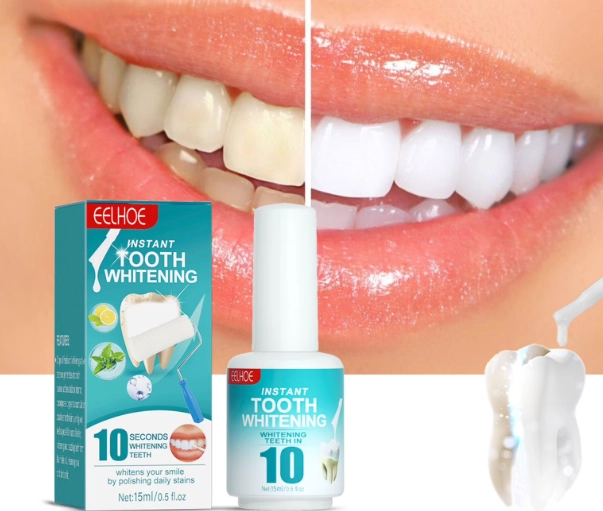
In-Office Power Whitening (Like Zoom! or KöR)
This is the express lane. Your gums are protected with a barrier, and a high-concentration hydrogen peroxide gel (25-40%) is applied to your teeth. It's often activated by a special light or laser. The whole process takes about 60-90 minutes.
What they don't always tell you: The sensitivity afterward can be intense for some people—a dull, throbbing ache that lasts a day or two. It's normal, but it's not fun. Also, the stark white result you leave the office with will settle down over the next 48 hours to a more natural bright shade. Don't panic when it tones down a bit.
Professional Take-Home Trays
Your dentist takes molds of your teeth to create custom-fitted trays. You're given a professional-strength whitening gel (usually 10-20% carbamide peroxide) to use at home for a couple of weeks, often for an hour a day or overnight.
Why this is often the expert's choice: The custom trays fit perfectly, meaning the gel stays in contact with your teeth and doesn't leak onto your gums, which reduces sensitivity and irritation dramatically compared to one-size-fits-all strips. The results are just as good as in-office treatments, they just take longer. It's a more comfortable and controlled process.
Dental Veneers or Bonding
This isn't whitening; it's a cosmetic overhaul. If your teeth are deeply stained (tetracycline stains, fluorosis), chipped, or misshapen, whitening alone won't cut it. Veneers are thin porcelain shells bonded to the front of your teeth. They're color-fast and can create that "perfect" white look.
The reality check: This is a major, irreversible dental procedure with a major price tag (hundreds to over a thousand dollars per tooth). It's a lifetime commitment, as the tooth structure is permanently altered. It's a solution for specific cosmetic issues, not a standard whitening method.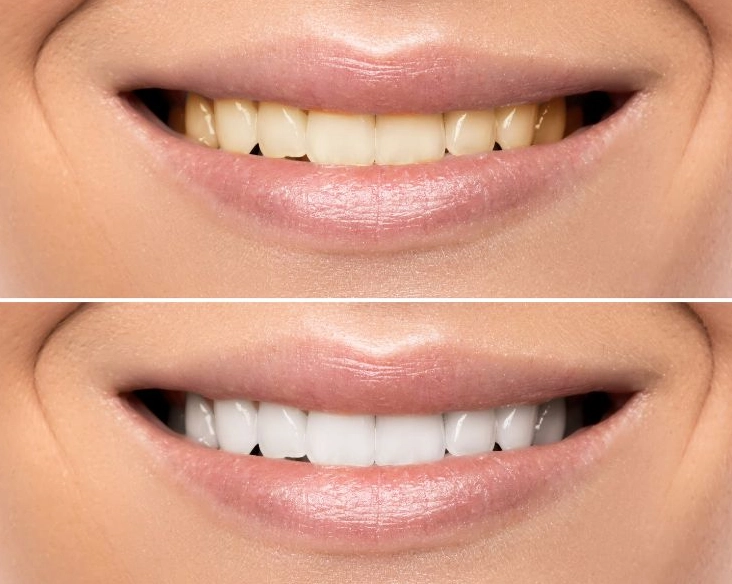
| Method | Best For | Approx. Cost Range | Duration of Results | Pain/Sensitivity Factor |
|---|---|---|---|---|
| In-Office Power Whitening | Fast results, significant staining, special events | $500 - $1,500 | 6 months - 2 years | High (temporary) |
| Professional Take-Home Trays | Convenience, controlled application, less sensitivity | $300 - $800 | 1 - 3 years | Low to Moderate |
| Over-the-Counter Strips/Gel | Maintenance, mild to moderate surface stains, budget option | $20 - $80 | 3 - 6 months | |
| Whitening Toothpaste | Daily stain prevention, maintaining results | $5 - $15 | Ongoing (must keep using) | Very Low |
The table gives you a snapshot, but the real devil is in the details. For example, with take-home trays, the duration depends entirely on your diet and habits afterward. A daily coffee drinker who doesn't rinse will see results fade faster than a tea drinker who uses a straw.
Your At-Home Whitening Arsenal: What Works and What's a Waste
This is where most people start, and it's a minefield of hype.
Whitening Toothpastes & Mouthwashes: These are your maintenance crew, not your demolition team. They contain mild abrasives (like silica) and chemicals (like pyrophosphates) to scrub away surface stains. Some have low concentrations of peroxide for a slight brightening effect. They're great for keeping your smile bright after a professional treatment or for tackling new coffee stains. They won't change your tooth's intrinsic color.
Over-the-Counter Whitening Strips and Gels: These are the workhorses of home whitening. They contain a lower concentration of peroxide (usually 3-10% hydrogen peroxide). They can be effective for mild to moderate staining if used consistently. The biggest mistake? People don't follow the time instructions. Leaving strips on for hours won't make them work better; it will just irritate your gums. 30 minutes means 30 minutes.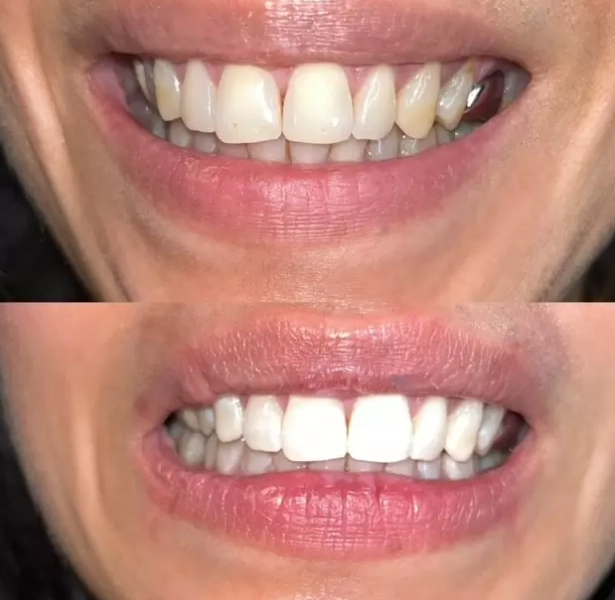
LED Whitening Kits you see online: The light itself does very little. The whitening action comes from the peroxide gel it comes with. The light might provide a slight warming effect that could accelerate the gel's chemical reaction, but it's not the magic bullet the marketing suggests. You're mostly paying for the gadget.
The Daily Defense: Habits That Keep Stains at Bay
Whitening is one battle; keeping stains off is the lifelong war. This is where you get the most bang for your buck.
- The Rinse Rule: Can't give up red wine or coffee? That's fine. But swish with water immediately after drinking it. This simple act dilutes the staining compounds before they settle into your enamel.
- Straws are Your Friend: For iced coffee, tea, or soda, use a straw. It bypasses the front surfaces of your teeth.
- Crunchy Fruits and Veggies: Apples, celery, carrots. They have a mild abrasive action and stimulate saliva, which is your mouth's natural cleaner and neutralizer.
- Perfect Your Brushing Technique: It's not about force; it's about technique and timing. Brushing too hard wears enamel. Wait at least 30 minutes after eating or drinking something acidic (like soda or orange juice) to brush, as your enamel is temporarily softened.
- Professional Cleanings: Get them. Every six months. A dental hygienist can remove tartar and surface stains you simply can't brush away.
I had a client who spent hundreds on whitening but drank three cups of black coffee a day, sipping slowly over an hour. We got her to drink through a reusable straw and rinse after each cup. The difference in how long her whitening results lasted was staggering. The habit change was free.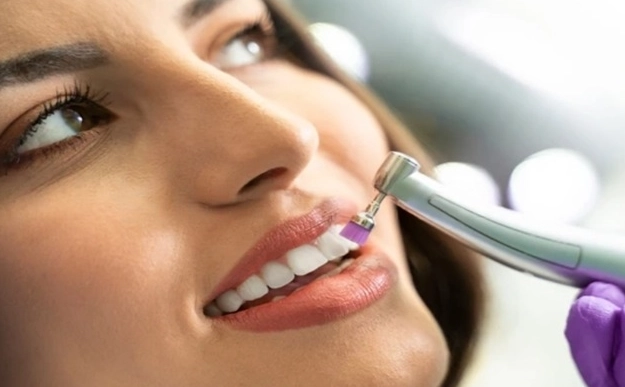
Your Top Teeth Whitening Questions, Answered
The journey to a whiter smile isn't about finding a single miracle product. It's a combination of choosing the right method for your goals and budget, protecting your dental health first, and committing to smart daily habits. Start with a dentist's opinion, be skeptical of extreme promises, and focus on a bright, healthy smile rather than an impossible, perfect white.