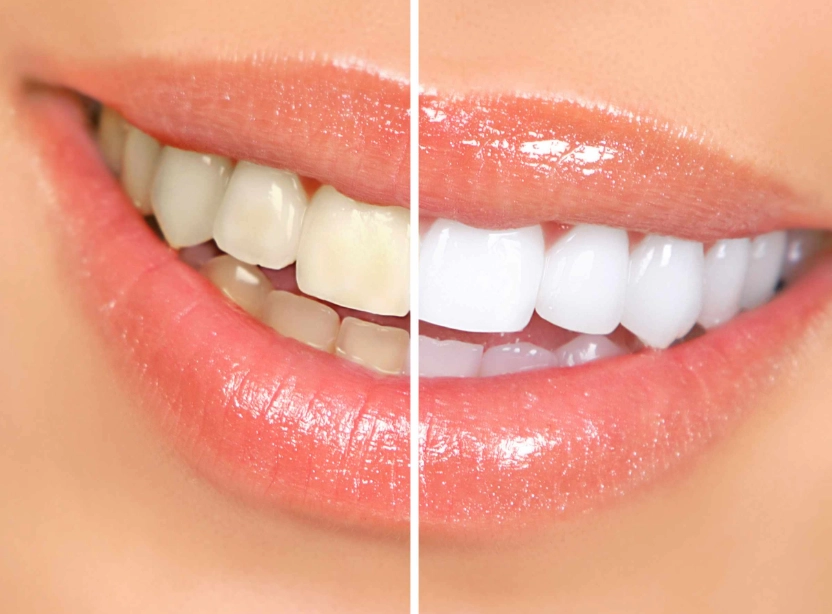
Let's be honest. You've seen the ads. The impossibly white smiles on social media, the promises of a "Hollywood smile in 10 minutes" from a strip you bought at the drugstore. Teeth whitening is a massive industry, but it's also flooded with confusion, hype, and sometimes, outright bad advice that can hurt your teeth. I've spent over a decade in cosmetic dentistry, and the number one mistake I see? People treating their teeth like a pair of stained jeans, throwing the strongest bleach they can find at them without understanding the fabric—or in this case, the enamel and dentin.
The truth is, achieving a brighter smile can be simple, safe, and effective—if you know what you're doing. It's not one-size-fits-all. Your friend's perfect results from a $50 kit might leave you with nothing but sensitive teeth and disappointment because your staining is different. This guide cuts through the noise. We'll walk through every option, from the dentist's chair to your bathroom sink, focusing on what actually works, how to avoid common pitfalls, and how to keep your smile bright for the long haul.
Here's What We're Covering Today
- Why Teeth Get Yellow in the First Place
- Professional Teeth Whitening: Is It Worth It?
- A Deep Dive into At-Home Whitening Kits
- Whitening Toothpaste, Rinses & Strips: Do They Work?
- Managing Sensitivity and Safety: The Non-Negotiables
- How to Make Your Whitening Results Last
- Your Top Whitening Questions, Answered
Why Teeth Get Yellow in the First Place
Before you try to fix it, you need to know what you're dealing with. Tooth color isn't just about surface gunk. It's a layered story.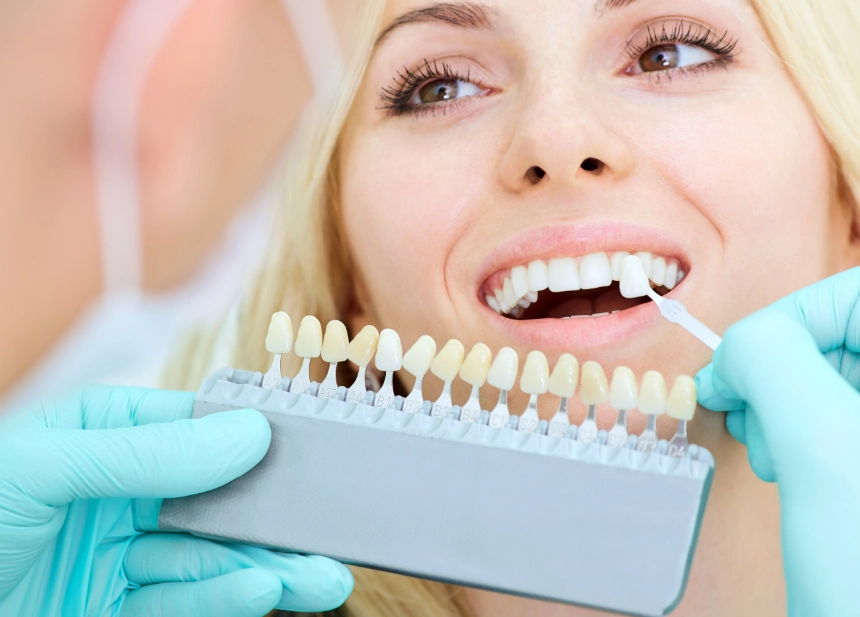
The outer layer is enamel. It's semi-translucent and pretty tough. Beneath that is dentin, which is naturally yellowish. As enamel wears thin over time (a normal part of aging), more of that yellow dentin shows through. That's why older teeth often have a warmer hue. No amount of surface whitening will change that fundamental structure.
Then there are the stains themselves, which fall into two camps:
- Extrinsic Stains: These sit on the surface. The usual suspects: coffee, red wine, tea, cola, soy sauce, berries, and smoking. These are generally easier to tackle with whitening toothpastes and professional cleanings.
- Intrinsic Stains: These are deeper, within the tooth structure. Causes can include certain antibiotics (like tetracycline) taken during childhood, trauma to the tooth, excessive fluoride as a kid, or just genetics. These are tougher and often need professional-grade bleaching agents to penetrate.
Most of us have a mix. That's why a one-off whitening strip session might lighten your coffee stains but do nothing for the deeper, age-related yellowing.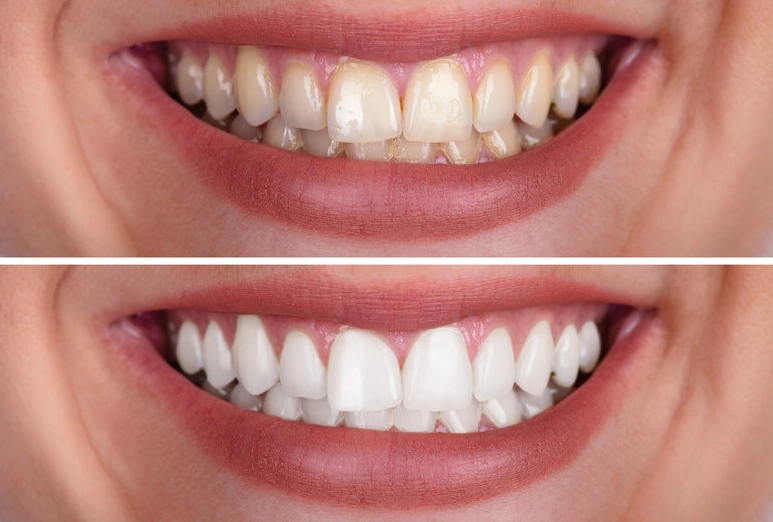
Professional Teeth Whitening: Is It Worth the Investment?
When people ask me for the single most effective method, I point them here first. In-office professional whitening uses high-concentration hydrogen peroxide or carbamide peroxide gels (often 25%-40% strength). A protective barrier is applied to your gums, then the gel is activated with a special light or laser.
The whole process takes about 60-90 minutes, and you walk out several shades lighter. It's powerful because it addresses both extrinsic and intrinsic stains in one go.
What most blogs don't tell you: The "light" isn't magic. Its primary job is often to speed up the chemical reaction of the peroxide gel and provide warmth that can help with patient comfort. The real hero is the high-concentration gel itself, which your dentist can safely apply because they've isolated your gums. Trying to use a gel that strong at home would be a recipe for chemical burns.
The other professional route is custom take-home trays from your dentist. They take impressions of your teeth to create trays that fit like a glove. You're given a professional-strength gel (usually 10-20% carbamide peroxide) to use at home for a specified period, like 30 minutes a day for two weeks.
This method is fantastic. The custom fit means the gel stays in contact with your teeth and doesn't leak onto your gums, maximizing effectiveness and minimizing sensitivity. It's slower than in-office but often achieves a similar or even better final result with more control.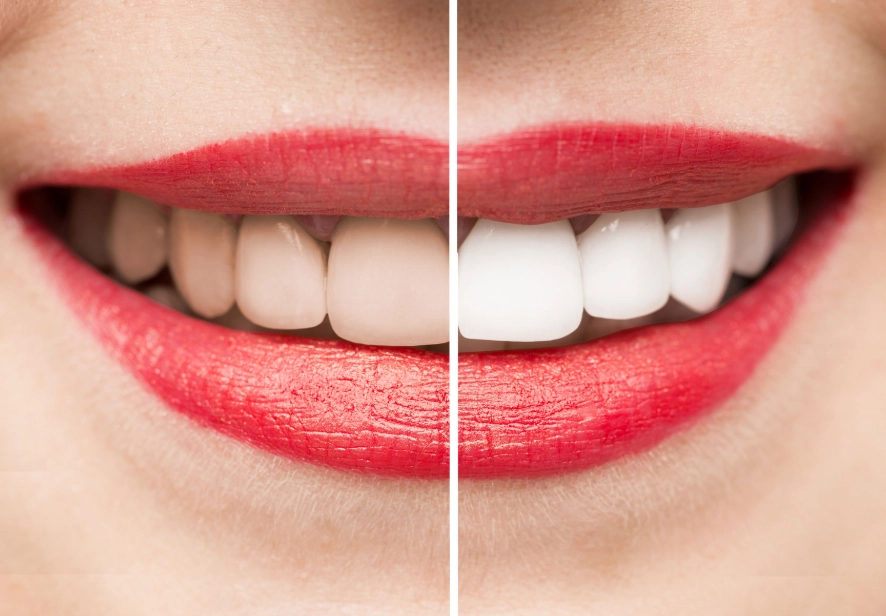
The Cost Breakdown (What to Expect)
Let's talk numbers, because this is a real deciding factor.
- In-Office Whitening: Typically ranges from $500 to $1,000 or more, depending on your location and the dentist. It's a significant upfront cost for immediate results.
- Custom Take-Home Trays: Usually between $300 and $600. You're paying for the custom fabrication and the professional-grade gel.
Is it worth it? If you have deep staining, want guaranteed and fast results under controlled conditions, or have tried cheaper methods with no luck, then absolutely. Think of it as paying for the expertise, safety, and predictable outcome.
A Deep Dive into At-Home Whitening Kits
This is the wild west of teeth whitening. The market is flooded with options from brands like Crest, Opalescence, and a hundred direct-to-consumer startups promising dentist-level results. They work by using lower-concentration peroxide gels (3-10% hydrogen peroxide equivalent) in pre-formed trays, strips, or LED mouthpieces.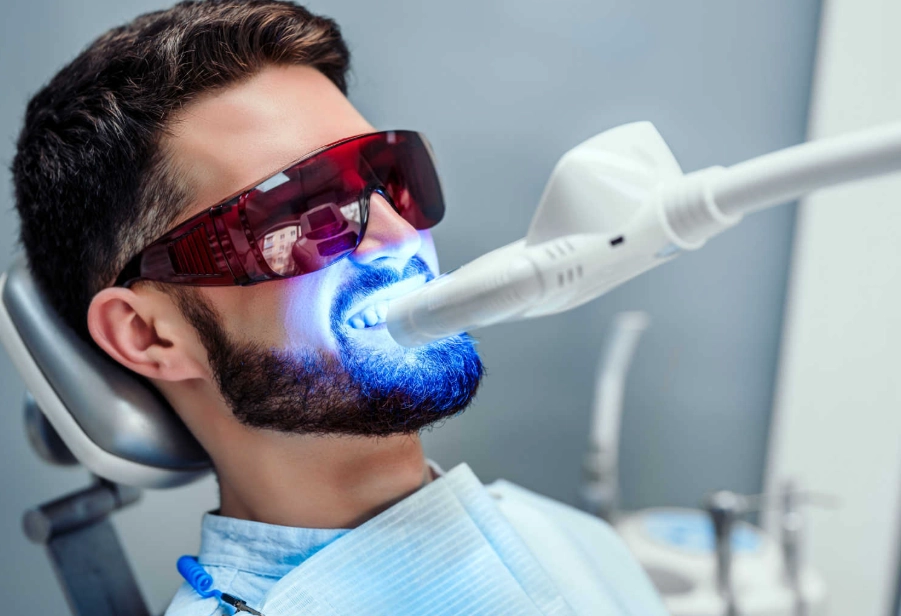
They can work well for mild to moderate surface staining. The biggest issue? Fit.
Those one-size-fits-all trays are, frankly, a terrible fit for most mouths. They're bulky, can cause gagging, and most importantly, they don't hold the gel snugly against your teeth. This leads to gel pooling on your gums (hello, irritation) and uneven whitening. You might see great results on your front six teeth but nothing on the canines or premolars.
My advice if you go this route: Look for kits that offer "moldable" or "boil-and-bite" trays. You soften them in hot water and bite down to get a semi-custom fit. It's not as good as a dentist's lab-made tray, but it's miles better than a rigid plastic shell. Brands like Opalescence Go offer pre-filled disposable trays that are thermoformed and fit surprisingly well.
| Method | Avg. Cost | Time to See Results | Best For | Key Limitation |
|---|---|---|---|---|
| In-Office Professional | $500 - $1,000+ | Immediate (1 session) | Deep/intrinsic stains, fast results, maximum lightening | Highest cost, potential for temporary sensitivity |
| Dentist Take-Home Trays | $300 - $600 | 1-2 weeks | Convenience, controlled application, excellent results | Requires daily discipline, moderate cost |
| Quality At-Home Kit (Moldable Trays) | $100 - $250 | 1-3 weeks | Mild to moderate surface stains, budget-conscious | Fit is not perfect, can cause gum irritation |
| Whitening Strips | $20 - $50 | 1-2 weeks | Very mild staining, touch-ups | Only covers front teeth, uneven contact |
Whitening Toothpaste, Rinses & Strips: The Daily Drivers
These are maintenance crew, not construction workers. Don't expect them to transform a deeply yellow smile.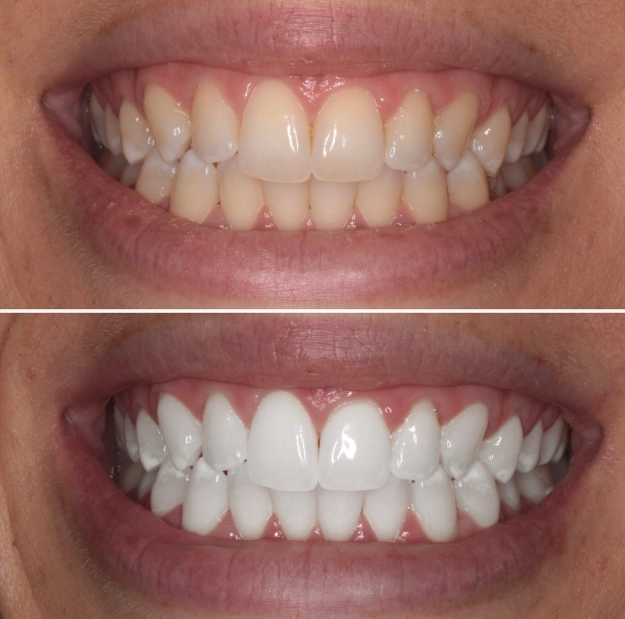
- Whitening Toothpaste: They work through mild abrasives (to polish off surface stains) and low concentrations of chemicals like hydrogen peroxide or blue covarine (a dye that creates an optical illusion of whiteness). They're great for keeping stains at bay after you've done a proper whitening treatment. Using an overly abrasive one daily can wear down enamel over time. Look for the American Dental Association (ADA) Seal of Acceptance.
- Mouthwashes: Similar story. They contain low levels of peroxide or other agents. The contact time is so short (30 seconds) that the effect is minimal. It's a nice adjunct, but that's it.
- Whitening Strips (Crest WhiteStrips etc.): These are the most effective of this category. They're thin, flexible strips coated with a peroxide gel. You apply them directly to your teeth. They work best on the front six to eight teeth. The common mistake? People don't press them firmly enough to ensure full contact, leading to patchy results. They're a decent entry point for minor staining.
Managing Sensitivity and Safety: The Non-Negotiables
This is where I see people go wrong constantly. Sensitivity isn't just an annoyance; it's a sign that your teeth are reacting.
Tooth sensitivity during whitening happens because the peroxide can temporarily dehydrate the tooth and pass through the enamel to the dentin, irritating the nerve inside. It's usually temporary, but it can be severe.
Red Flags to Stop Immediately: Sharp, shooting pain (not just tingling), white spots or lesions on your gums (chemical burn), or severe toothache that lasts hours after treatment. If this happens, stop and call your dentist.
How to minimize it:
- Use products with potassium nitrate or fluoride. Many professional gels and some better at-home kits include these. Potassium nitrate helps calm the nerve.
- Don't overdo it. Follow the instructions to the minute. More time or more frequent applications does not equal better results—it equals more sensitivity.
- Consider a "sensitive" formula if you have a history of sensitive teeth.
- Use a sensitivity toothpaste for two weeks before you start whitening and throughout the process. This can pre-desensitize the teeth.
- Space out treatments. Instead of 14 days in a row, try every other day.
Safety first: Whitening is not for everyone. It's generally not recommended for pregnant or breastfeeding women (due to lack of research), children under 16, or people with untreated cavities, gum disease, worn enamel, or allergies to peroxide. Always get a dental check-up first. A cavity under a whitening tray is a fast track to excruciating pain.
How to Make Your Whitening Results Last
You got your teeth white. Now comes the hard part—keeping them that way. Results aren't permanent. They can last from 6 months to 3 years, depending on your habits.
The maintenance protocol is simple but requires consistency:
- The 48-Hour Rule: For two days after any whitening treatment, your enamel is slightly more porous and susceptible to restaining. Avoid all dark liquids (coffee, tea, red wine, cola), dark sauces, and smoking like the plague. Drink water.
- Use a Straw. For your beloved coffee or iced tea, use a straw. It bypasses the front surfaces of your teeth.
- Rinse with Water. After consuming anything that could stain, swish with plain water. It dilutes the pigments before they set.
- Stick with your whitening toothpaste for daily maintenance.
- Schedule regular cleanings. Your dental hygienist can remove surface stains you can't.
- Consider touch-ups. One or two follow-up treatments with your take-home trays or a box of strips every 6-12 months can keep you at your peak brightness.
It's a lifestyle tweak, not a one-time fix.