You’ve run out of toothpaste. Or maybe you’re curious about natural options, have sensitive teeth that react to commercial formulas, or just want to simplify your bathroom shelf. The question pops up: what can I use instead of toothpaste?
The short answer is yes, there are several effective alternatives, from baking soda to coconut oil. But here’s the critical part most blogs gloss over: not all swaps are equal, and some can do more harm than good if used incorrectly. Your goal isn't just to find a substitute; it's to maintain or improve your oral health without the standard tube. This guide cuts through the hype. We’ll look at proven alternatives, how to use them safely, their real limitations, and when you might be better off sticking with a conventional toothpaste, especially one with fluoride.
What You'll Find in This Guide
Why People Look for Toothpaste Alternatives
It’s not just about being out of paste. The reasons are often more personal. Some folks get canker sores from sodium lauryl sulfate (SLS), a common foaming agent. Others dislike artificial sweeteners, strong flavors like mint, or the feel of glycerin. There’s also a growing interest in minimalist, plastic-free living—that big tube isn’t exactly zero-waste.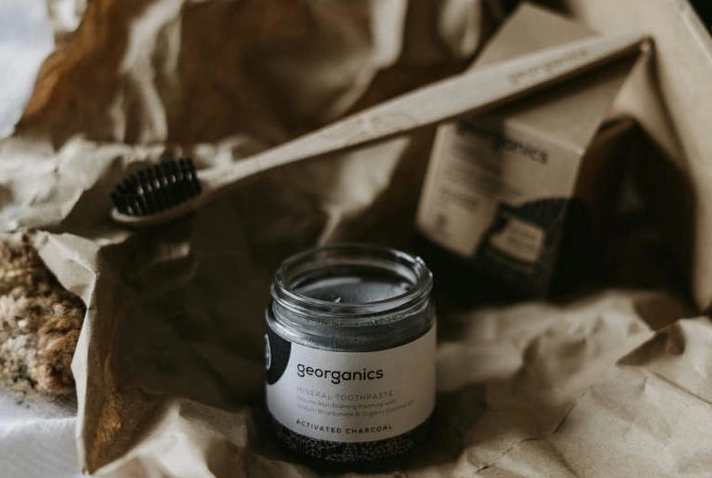
I remember trying a popular “whitening” paste years ago that made my teeth feel like they were on fire for hours. Turns out, I was sensitive to a specific whitening agent. That experience sent me down the rabbit hole of alternatives.
The key is to match your why with the right what. If you’re avoiding SLS, many alternatives naturally lack it. If you want fluoride-free, that opens up more options but introduces other risks we’ll discuss.
What Makes a Good Alternative? The 3 Key Factors
Toothpaste isn’t magic. It’s a tool that helps with three main jobs: cleaning, protecting, and feeling fresh. Any good alternative should address at least one, ideally two, of these areas.
- Cleaning (Abrasion/Detergency): This removes plaque and surface stains. It needs mild abrasives. Baking soda is a classic example.
- Protecting: This is about fighting decay and strengthening enamel. Fluoride is the gold standard here. Most natural alternatives lack this, which is their biggest drawback.
- Feeling Fresh: This involves freshening breath, often through antibacterial action or flavoring. Oils like coconut oil (via oil pulling) or herbs like mint serve this purpose.
A common mistake is focusing only on cleaning and freshness, forgetting about protection. That’s how you end up with clean teeth that are still prone to cavities. The American Dental Association (ADA) emphasizes fluoride’s role in cavity prevention, which is why their Seal of Acceptance is hard to get without it.
Detailed Breakdown of Common Alternatives
Let’s get specific. Here’s a real-world look at what works, what doesn’t, and how to use them properly.
1. Baking Soda (Sodium Bicarbonate)
This is the most famous alternative for a reason. It’s a mild abrasive that neutralizes acids in your mouth (plaque acids are a primary cause of decay). It’s cheap and widely available.
The big caveat: Baking soda doesn’t contain fluoride. It cleans and neutralizes but doesn’t actively remineralize teeth. It’s also not a great breath freshener on its own.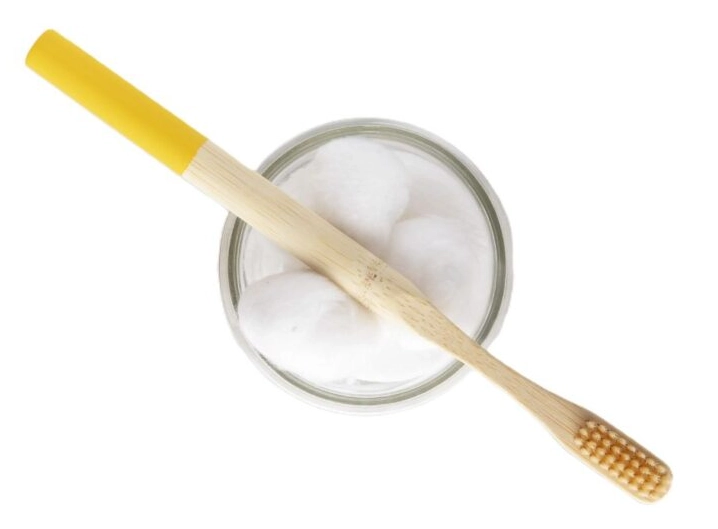
2. Coconut Oil (Oil Pulling)
This isn’t a toothpaste you brush with. Oil pulling involves swishing a tablespoon of oil (coconut is popular due to its lauric acid content) in your mouth for 10-20 minutes, then spitting it out. Studies, including one published in the Nigerian Medical Journal, suggest it can reduce plaque and gingivitis-causing bacteria.
The mechanism seems to be that bacteria are “pulled” off and trapped in the oil. It leaves your mouth feeling incredibly clean and smooth.
The reality check: It’s time-consuming. It’s a supplement to brushing, not a replacement. You still need to mechanically clean your teeth afterward. Think of it as a deep-clean rinse, not the main event.
3. Herbal Tooth Powders
These are blends of dried, powdered herbs like neem, myrrh, cinnamon, and clay. They often have antibacterial properties and provide mild abrasion. You dip a wet brush into the powder.
They can be excellent for gum health. However, quality varies wildly. Some are too gritty. And again, they typically lack fluoride.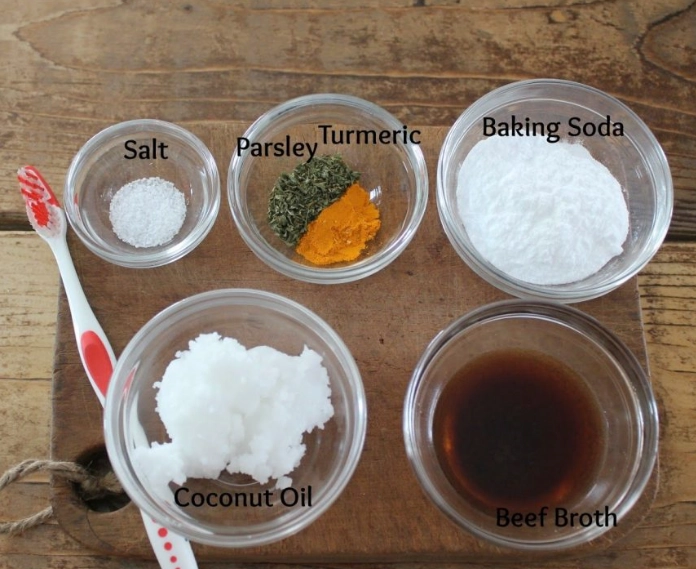
4. Salt (With Major Caution)
A damp toothbrush dipped in fine sea salt provides abrasion and has mild antiseptic properties. This is an ancient method.
5. Homemade Paste Recipes
This is where you can get creative, combining the benefits above. A basic, safe recipe I’ve used:
- 2 tablespoons baking soda (cleaning/neutralizing)
- 2 tablespoons coconut oil, melted (carrier, antibacterial)
- 10-15 drops of peppermint essential oil (flavor/freshness)
- A pinch of stevia powder (optional, for sweetness)
Mix, let it solidify, and scoop a small amount onto your brush. Store in a small jar. It’s messy compared to a tube, but it works.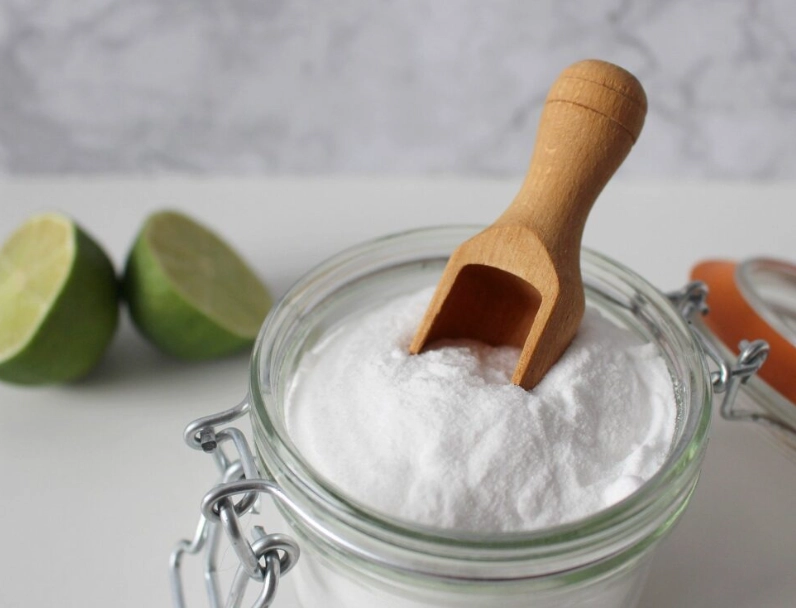
Here’s a quick comparison to help you decide:
| Alternative | Main Benefit | Biggest Drawback | Best For |
|---|---|---|---|
| Baking Soda | Cleans, neutralizes acids | No fluoride, can be abrasive | Occasional deep clean, stain removal |
| Coconut Oil Pulling | Reduces bacteria, gum health | Time-consuming, not a brush replacement | Supplemental oral therapy |
| Herbal Powders | Antibacterial, gum care | Gritty texture, no fluoride | Those focused on gum inflammation |
| Homemade Paste | Customizable, natural ingredients | Lacks fluoride, shelf stability | DIY enthusiasts avoiding commercial additives |
How to Switch Safely: A Practical Plan
Don’t just throw out your toothpaste tomorrow. Transition thoughtfully.
Week 1-2: The Test Phase. Use your chosen alternative once a day (say, in the morning) and your regular fluoride toothpaste at night. Notice how your teeth and gums feel. Any new sensitivity? Do they feel as clean?
Week 3-4: The Evaluation. If all is well, you can consider using the alternative more frequently. But I strongly advise keeping a fluoride toothpaste in your routine at least once a day, unless you’ve discussed a fluoride-free plan with your dentist and have a low cavity risk. Your night-time brush is the best time for fluoride, as it works while you sleep.
Regardless of your choice, don’t neglect your mechanical brushing technique and flossing. The brush and floss do 80% of the work. The paste or alternative is the.
When You Should Probably Stick With Traditional Toothpaste
Let’s be honest, alternatives aren’t for everyone. In these cases, the risks outweigh the benefits:
- If you or your family has a high history of cavities. Fluoride’s protective effect is too significant to ignore. Look for a simple, SLS-free fluoride paste instead.
- If you have braces, bridges, or implants. Plaque control is paramount, and you need reliable, dentist-recommended products.
- If you’re not willing to be meticulous with oral hygiene. Natural alternatives often require more consistency and attention to technique.
- If your dentist has specifically advised against it due to your oral health condition.
The goal is health, not purity. Sometimes, a conventional product is the healthier choice.