What You'll Find Inside
Getting teeth pulled out sounds scary, but it's a routine dental procedure that millions undergo each year. I've worked in dentistry for over a decade, and let me tell you, the fear often outweighs the reality. This guide cuts through the noise to give you the straight facts—what to expect, how to prepare, and how to heal fast. Whether it's a wisdom tooth or a damaged molar, we'll cover it all.
Why Teeth Need to Be Pulled Out: It's Not Just About Cavities
Most people think teeth are pulled only for severe decay, but that's just the tip of the iceberg. Here are the common reasons, backed by the American Dental Association's reports on oral health.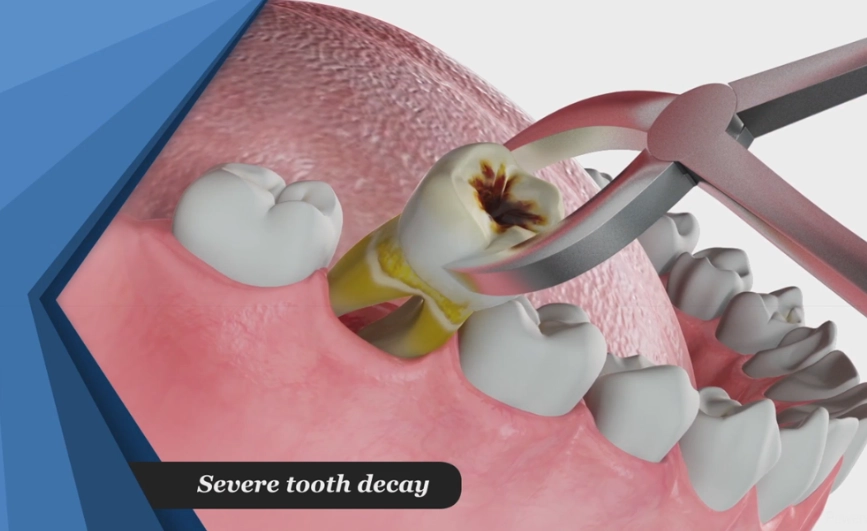
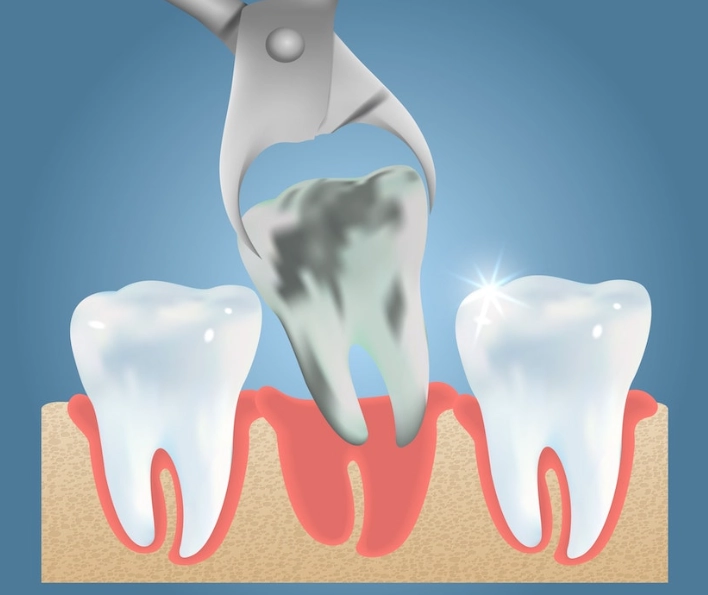
Severe Tooth Decay or Damage: When a cavity is too deep for a filling or root canal, extraction becomes necessary. I've seen patients ignore small cavities until the tooth shatters—then it's an emergency pull.
Periodontal Disease: Gum disease can loosen teeth so much that they fall out or need removal. It's a slow process, but once bone loss hits a critical point, saving the tooth is off the table.
Impacted Teeth: Wisdom teeth are the usual suspects, but canines or premolars can get stuck too. Impacted teeth cause pain, cysts, or crowd other teeth. One of my patients had an impacted canine that eroded the roots of adjacent teeth; we caught it late, and extraction was the only fix.
Orthodontic Reasons: Sometimes, teeth are pulled to make space for braces. It's strategic—remove one to straighten the rest. Not everyone needs this, but in crowded mouths, it's a game-changer.
Infection or Risk of Infection: If a tooth infection spreads to the jaw or bloodstream, pulling it can be lifesaving. Antibiotics alone might not cut it.
Here's a quick table comparing common extraction scenarios:
| Reason for Extraction | Typical Symptoms | Urgency Level |
|---|---|---|
| Severe Decay | Persistent pain, visible hole | Moderate (schedule within weeks) |
| Impacted Wisdom Tooth | Jaw ache, swelling, bad breath | High (if infected, immediate) |
| Periodontal Disease | Loose teeth, bleeding gums | Low to Moderate (plan with dentist) |
| Orthodontic Prep | None (preventive) | Low (scheduled in advance) |
A subtle mistake? People assume all extractions are urgent. But planning ahead for non-emergency cases can reduce complications and cost.
The Tooth Extraction Process: A Step-by-Step Walkthrough
So, what actually happens when you get teeth pulled out? Let's break it down, minus the medical jargon.
Before the Extraction: Preparation Matters
You'll have a consultation first. The dentist reviews X-rays, discusses anesthesia options, and gives pre-op instructions. I always tell patients to avoid aspirin or blood thinners for a few days prior—it reduces bleeding risk. Eat a light meal beforehand; an empty stomach and nerves don't mix well.
During the Procedure: Simple vs. Surgical Extraction
Simple Extraction: For visible teeth. The dentist numbs the area with local anesthesia, uses an elevator to loosen the tooth, then forceps to pull it out. You'll feel pressure, not pain. It takes 10-30 minutes.
Surgical Extraction: For broken or impacted teeth. This involves a small incision in the gum, sometimes removing bone or cutting the tooth. Sedation like IV or general anesthesia might be used. It's more involved, lasting 45 minutes to a few hours.
I recall a case where a patient panicked during a simple extraction because they expected pain. The key is communication—tell your dentist if you're anxious. Many clinics now offer nitrous oxide (laughing gas) for relaxation, a game-changer for dental anxiety.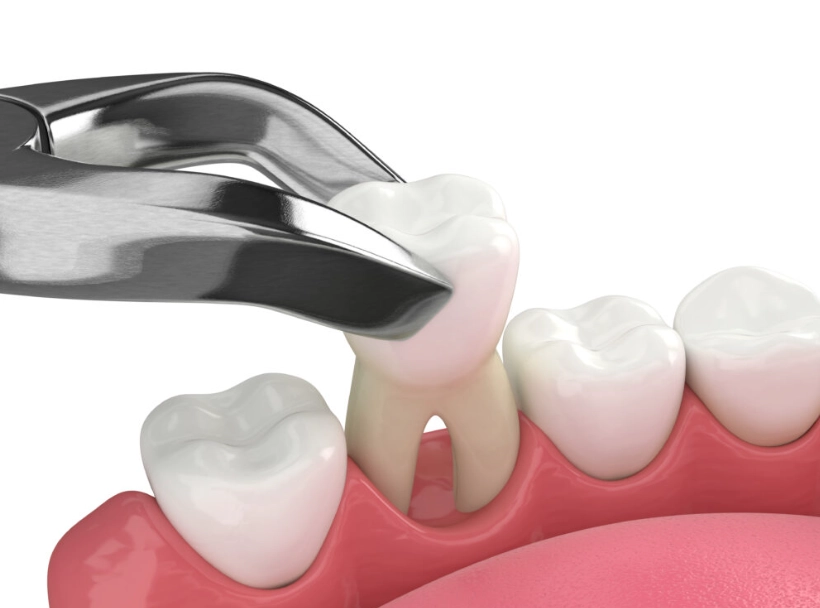
After the Pull: Immediate Steps
Once the tooth is out, the dentist places gauze over the socket to control bleeding. You'll bite down on it for 30-60 minutes. Stitches might be used for surgical extractions. They'll send you home with aftercare instructions—don't lose that paper!
Pro Tip: Ask for an ice pack right after. Applying it to your cheek in 15-minute intervals reduces swelling dramatically. I've seen patients skip this and end up with puffy faces for days.
Recovery Timeline and Aftercare: Your Day-by-Day Roadmap
Recovery is where most people slip up. Here's a realistic timeline based on my observations.
First 24 Hours: Bleeding should taper off. Change gauze as needed. Rest, keep your head elevated, and stick to liquids or very soft foods. No rinsing or spitting—it can dislodge the blood clot. Pain peaks around hour 6; take pain meds as prescribed, not when it hurts.
Days 2-3: Swelling and bruising peak, then start to fade. You can gently rinse with salt water (1/2 teaspoon salt in warm water) after meals. Begin eating soft foods like mashed potatoes or yogurt. Avoid straws—the suction can cause dry socket, a painful complication I've treated too many times.
Week 1: Most discomfort subsides. You might resume light activities, but no heavy lifting or strenuous exercise. The socket starts to heal, but it's still tender. Brush carefully, avoiding the extraction site.
Weeks 2-4: For simple extractions, healing is nearly complete. Surgical sites might take longer. Follow-up visits ensure no infection. Bone and gum tissue remodel slowly; be patient.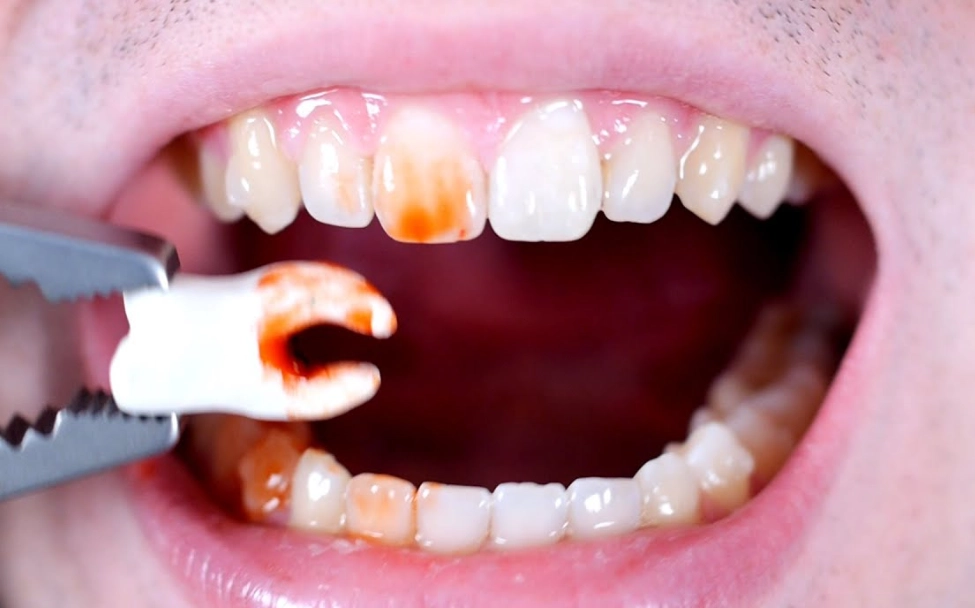
Common recovery mistakes:
- Overdoing it too soon: One patient went for a run on day 3 and reopened the wound. Rest is non-negotiable.
- Ignoring signs of infection: Increased pain, fever, or pus means call your dentist, not wait it out.
- Poor diet: Not eating enough slows healing. Protein-rich soft foods like scrambled eggs help.
Here's a sample diet plan for the first week:
- Day 1-2: Cool broths, smoothies (no straw), pudding.
- Day 3-5: Mashed bananas, oatmeal, soft pasta.
- Day 6-7: Soft-cooked vegetables, fish, tofu.
Cost, Insurance, and Hidden Fees: Breaking Down the Numbers
Let's talk money. Tooth extraction costs vary wildly, and insurance doesn't always cover everything.
Average Costs Without Insurance:
- Simple extraction: $75 to $300 per tooth.
- Surgical extraction: $150 to $650 per tooth (more for impacted wisdom teeth).
Add-ons: X-rays ($50-$150), anesthesia ($100-$300), and follow-up visits ($50-$100). Some clinics bundle these, but always ask for an itemized estimate.
Insurance Coverage: Most dental plans cover extractions at 50-80%, but check your annual maximum—it's often $1,000-$1,500. Medical insurance might chip in if the extraction is medically necessary (e.g., due to infection).
Hidden Fees: These sneak up. For example, if you need bone grafting for future implants, that's an extra $300-$800. Or, if complications like dry socket occur, treatment adds $50-$200. I advise setting aside a 10-20% buffer for surprises.
Payment options: Many dentists offer plans or discounts for cash payments. Don't be shy to negotiate—I've seen reductions of 10-15% for upfront payment.
A case study: A friend needed two wisdom teeth pulled. Without insurance, the quote was $1,200. She shopped around, found a clinic with a sliding scale, and paid $800. Always get multiple quotes.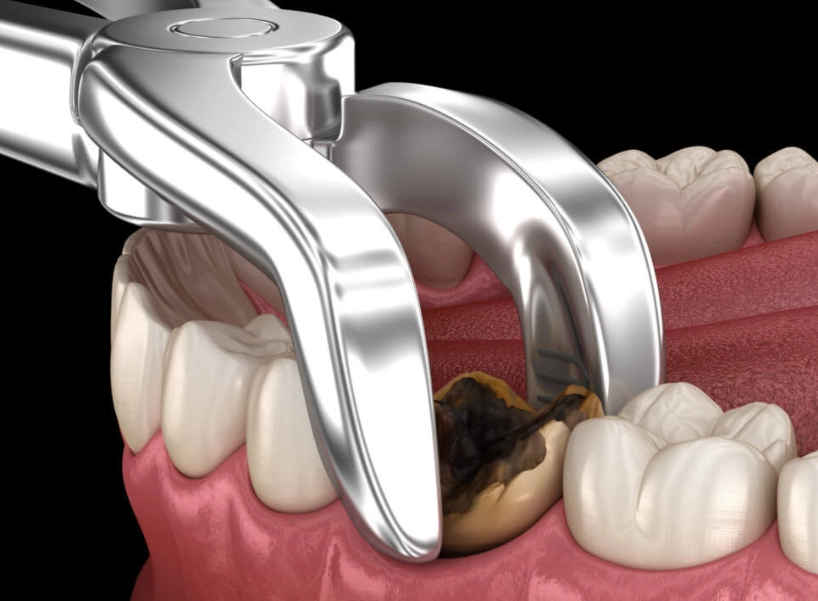
Frequently Asked Questions: Real Answers from Experience
Wrapping up, teeth pulled out doesn't have to be a nightmare. With the right info and preparation, you can navigate it smoothly. Remember, your dentist is your ally—ask questions, voice concerns, and follow their advice to the letter. Here's to a quick recovery!