Let's cut to the chase. You're not just squeezing a minty paste onto your brush. You're applying a carefully engineered mix of chemicals and natural extracts designed to clean, protect, and heal. Tartarend toothpaste has built a reputation, and its ingredient list is the blueprint. Is it just clever marketing, or is there real science behind the foam? After looking at the label and cross-referencing with dental research, I can tell you it's a blend of proven workhorses and some interesting botanical additions. But whether it's the right blend for you depends entirely on what's in that tube.
What's Inside This Guide
How Do Tartarend Toothpaste Ingredients Work?
Think of toothpaste ingredients as a small construction crew for your mouth. Each member has a specific job.
Abrasives are the cleaners. They're like fine sandpaper, scrubbing off the film of plaque and surface stains without scratching the precious enamel underneath. Tartarend uses hydrated silica, which is a standard and effective choice—gentle enough for daily use but gets the job done.
Fluoride is the repair crew and fortifier. It doesn't just sit on the surface. It integrates into the tooth's mineral structure, making it more resistant to the acid attacks that cause cavities. The American Dental Association (ADA) calls community water fluoridation one of public health's greatest achievements, and its inclusion in toothpaste is non-negotiable for most people. Tartarend contains sodium fluoride, a well-absorbed form.
Humectants (like glycerin and sorbitol) keep the paste from drying into a brick in the tube. Detergents (sodium lauryl sulfate is common) create the satisfying foam that helps spread the ingredients around. Some people find SLS can cause canker sores; it's a personal sensitivity thing.
Where Tartarend tries to stand out is in its botanical and therapeutic additives. This is where claims about gum health, sensitivity relief, and "natural whitening" come from. It's not magic; it's chemistry from plants.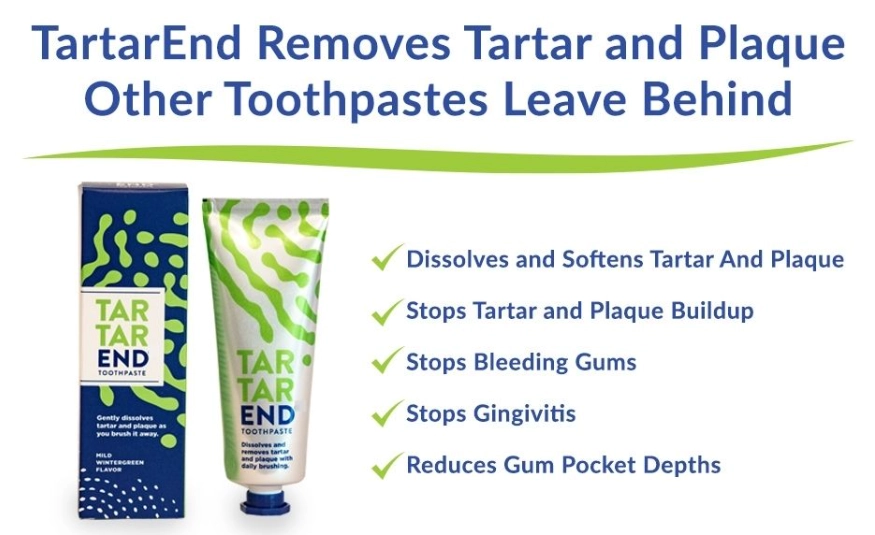
The Key Ingredients in Tartarend Toothpaste and What They Do
Let's move past the base and into the specifics. Here’s a breakdown of the active and functional ingredients you'll likely find, based on their standard formulations.
| Ingredient | Category | Primary Function | What You Need to Know |
|---|---|---|---|
| Sodium Fluoride (0.24% / 1100 ppm) | Active/Cavity Fighter | Strengthens enamel, remineralizes early cavities, prevents decay. | This is the gold standard. The concentration is ADA-approved for effective protection. Non-negotiable for cavity prevention. |
| Hydrated Silica | Abrasive/Cleaner | Polishes teeth, removes plaque and surface stains. | A mild abrasive. Safer for enamel than some old-school options like calcium carbonate. Effective for daily cleaning. |
| Potassium Nitrate (5%) | Active/Sensitivity Fighter | Calms nerve endings in teeth, reducing pain from hot, cold, or sweet stimuli. | Needs consistent use (twice daily for 2+ weeks) to build full effect. It's a blocker, not a cure for the underlying cause of sensitivity. |
| Aloe Barbadensis Leaf Juice | Botanical/Soothing Agent | Anti-inflammatory, soothes minor gum irritation. | More than a marketing gimmick. Studies, like one published in the General Dentistry journal, show it can be as effective as traditional toothpaste for plaque control but is gentler. |
| Xylitol | Sweetener/Cavity Helper | Sweetens without feeding cavity-causing bacteria; can reduce bacterial adhesion. | A great alternative to sugar or saccharin. Has a proven, if secondary, role in oral health. Look for it high on the list. |
| Papain (from Papaya) | Enzymatic/Stain Remover | Breaks down the protein pellicle that holds stains to teeth. | This is the "natural whitening" claim. Gentler than peroxides but works on a different principle. Results are subtle and gradual. |
| Sodium Lauryl Sulfate (SLS) | Detergent/Foaming Agent | Creates lather, helps disperse ingredients. | Can cause irritation or canker sores in susceptible individuals. If you get frequent mouth ulcers, try an SLS-free paste. |
One ingredient that often causes confusion is titanium dioxide. In toothpaste, it's used as a white pigment to make the paste look clean and bright. There's been concern about its safety in food products when inhaled as a nano-particle, but in toothpaste, it's not in a respirable form and is considered safe for this use by regulatory bodies. It's purely cosmetic.
A Common Mistake People Make
I see people swap to a "natural" toothpaste that lacks fluoride because they see aloe or xylitol on the label and assume it's healthier. This is a huge gamble. While the botanicals are nice for gum soothing, they do not replace fluoride's proven, irreplaceable role in preventing cavities. It's like wearing a stylish raincoat that isn't waterproof. You get the look but not the core protection. Always check for fluoride first.
Who Is Tartarend Toothpaste Really For?
Looking at the ingredient deck, Tartarend isn't a one-trick pony. It's formulated for a specific set of needs.
If you have sensitive teeth, the potassium nitrate makes it a contender. But remember, sensitivity is a symptom. If it's new or severe, see a dentist. The toothpaste manages the pain but doesn't fix a cracked tooth or receding gums.
If your gums are occasionally tender or bleed easily when you floss, the anti-inflammatory agents like aloe vera could provide a noticeable comfort. It's gentler than some pastes with strong mint oils that can sting.
If you want a gradual, non-bleach whitening effect and are patient, the papain enzyme might appeal to you. Don't expect overnight results. It's for maintaining brightness and tackling mild stains from coffee or tea.
If you're a parent looking for a family toothpaste, the fluoride level is correct for cavity prevention in adults and children over 6. The flavor is usually mild, which kids tolerate better than intense, spicy mints.
Who Might Want to Look Elsewhere?
People who need heavy-duty tartar control might find it lacking specific anti-tartar agents like pyrophosphates. Those with a severe SLS sensitivity should find an SLS-free option. And anyone seeking the dramatic whitening power of peroxide-based gels will be disappointed—this works on a different, slower principle.
Potential Drawbacks and Things to Watch For
No product is perfect. Here's the less glamorous side.
The papain and aloe, while beneficial, can cause allergic reactions in a very small subset of people. If you have known allergies to papaya, kiwi, or latex (due to cross-reactivity), patch test or avoid.
That foamy lather from SLS feels clean, but it can interfere with how some people experience flavors afterward. It temporarily numbs sweet receptors. Ever had orange juice taste bitter after brushing? That's SLS.
My biggest gripe? The marketing sometimes overhypes the "natural" aspect. Having aloe vera in a formula that also contains synthetic detergents and preservatives makes it a hybrid, not a purely natural product. That's fine—hybrids can be excellent—but be clear-eyed about what you're buying.
My Take: An Expert's Advice on Choosing
After two decades in dentistry, I judge a toothpaste by three things: fluoride, abrasiveness (Relative Dentin Abrasivity or RDA), and the patient's specific complaint.
Tartarend gets the first one right. Fluoride is present at an effective dose. Its RDA is likely in the low-to-mid range, which is safe for daily use. For general care with a side of sensitivity or gum soothing, it's a solid B+ choice.
But here's my non-consensus point: The toothpaste is only 10% of the battle. You could use the best paste in the world, but if you're brushing for 30 seconds with a worn-out brush, you're wasting your money. Technique and time matter more. Tartarend's ingredients can't compensate for poor oral hygiene habits.
Choose it if your main concerns align with its strengths: mild sensitivity, desire for gum comfort, and general maintenance. If your primary issue is rapid tartar buildup, existing gum disease, or you need extreme whitening, a more targeted prescription or OTC product might be better. Always, always pair it with proper flossing.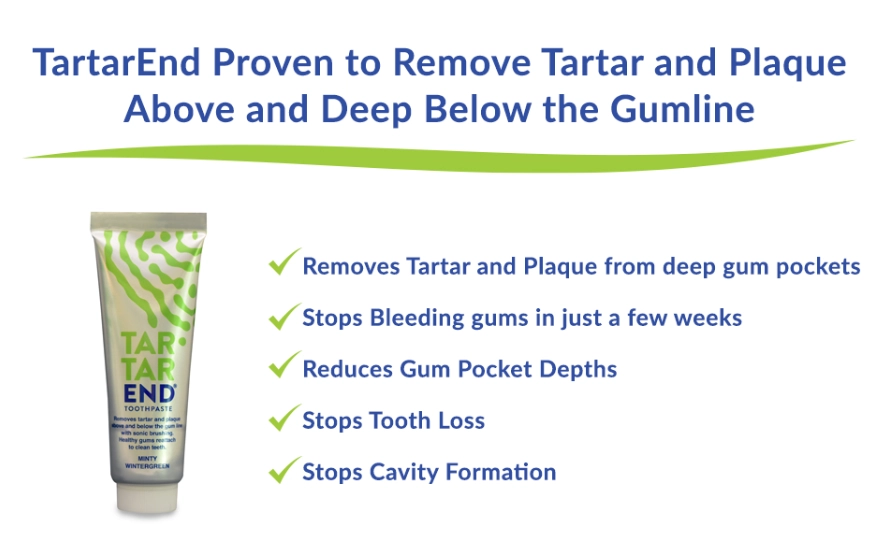
Your Tartarend Ingredients Questions Answered
Is Tartarend toothpaste safe for daily use with its mix of chemicals and natural ingredients?
Absolutely, when used as directed. The "chemicals" it contains, like sodium fluoride and hydrated silica, are extensively researched and deemed safe and effective by global health authorities like the FDA and ADA. The natural ingredients like aloe are present in concentrations meant for topical oral use. The key is that it's a formulated product, not a random mix of kitchen ingredients.
I have sensitive teeth. How long until the potassium nitrate in Tartarend starts working?
Don't expect instant relief. Potassium nitrate works by gradually calming the nerve's signaling pathway. Most people need to use it twice daily for at least two weeks to feel the full effect. It's a maintenance therapy. If you stop using it, the sensitivity will likely return. For immediate, severe pain, see your dentist—you might have a cavity or crack that toothpaste can't fix.
 Can the papain in Tartarend actually whiten teeth without bleaching?
Yes, but manage your expectations. Papain is a proteolytic enzyme. It breaks down the thin protein layer (pellicle) on your teeth to which stain molecules attach. It's like using a gentle enzyme cleaner on a stained surface instead of a harsh bleach. It will help remove and prevent new surface stains (extrinsic stains), leading to a cleaner, brighter appearance over time. It will not change the intrinsic color of your teeth like peroxide-based whiteners can.
My child is under 6. Is Tartarend's fluoride level safe for them?
The standard Tartarend formula with 1100 ppm fluoride is typically recommended for ages 6 and up. For children under 6, especially those who might swallow toothpaste, dentists usually advise using a smear of toothpaste with fluoride (about 1000 ppm) or a rice-sized amount. Swallowing too much fluoride can cause dental fluorosis in developing teeth. Check the label for age recommendations or consult your pediatric dentist for the best choice for your toddler.
Are natural ingredients like aloe vera in toothpaste actually better for gum health?
"Better" depends on your goal. For reducing inflammation and soothing irritation, compounds in aloe vera (like acemannan) have demonstrated anti-inflammatory properties. For someone with gums that are easily irritated by strong flavors or SLS, an aloe-containing paste might feel more comfortable and encourage better brushing. However, for treating active, established gingivitis or periodontitis, the mechanical removal of plaque via brushing and flossing is paramount, and any ADA-accepted fluoride toothpaste will support that. Think of aloe as a supportive, soothing therapy, not a replacement for effective cleaning.