You see the claim on the box: "Fights Tartar," "Tartar Control," "Helps Prevent Tartar Buildup." You've probably stood in the oral care aisle, tube in hand, wondering if this specialized toothpaste is worth the extra few bucks or if it's just clever marketing. Let's cut through the noise. As someone who's spent years looking at teeth and talking to patients about their routines, I can tell you the answer isn't a simple yes or no. Tartar removal toothpaste works, but with a massive, crucial caveat that most people completely misunderstand.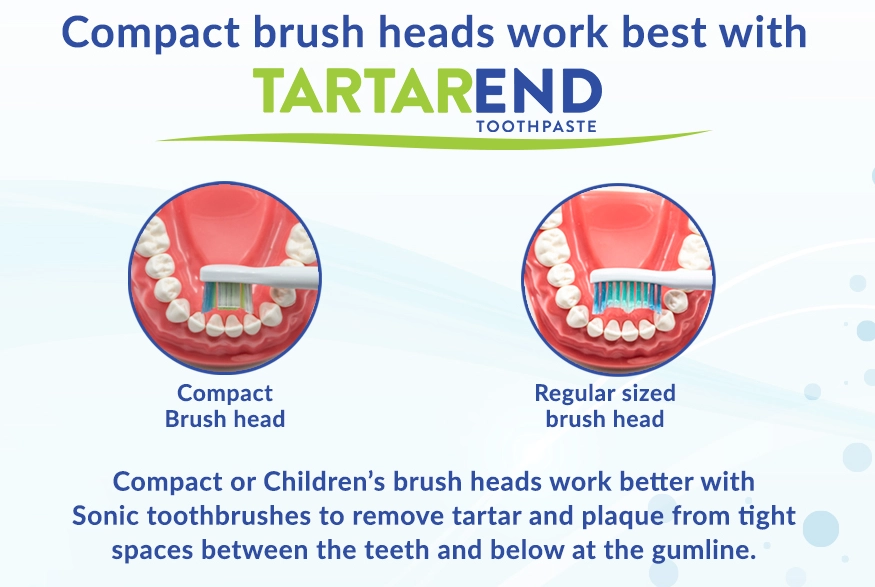
What You'll Learn
Plaque vs. Tartar: You Can't Fight What You Don't Understand
This is where most explanations fall short. Mixing up plaque and tartar is the root cause of disappointment with these products.
Dental Plaque is the sticky, colorless film of bacteria that constantly forms on your teeth. It's soft. You can remove it with a toothbrush, floss, or even your fingernail. If you don't remove it within 24-48 hours, it starts to harden.
Dental Tartar (or Calculus) is what happens when that plaque absorbs minerals from your saliva and hardens into a cement-like substance. Once it's tartar, it's rock-solid. It bonds to your tooth enamel. No amount of brushing, flossing, or special toothpaste will scrape it off. It's physically impossible.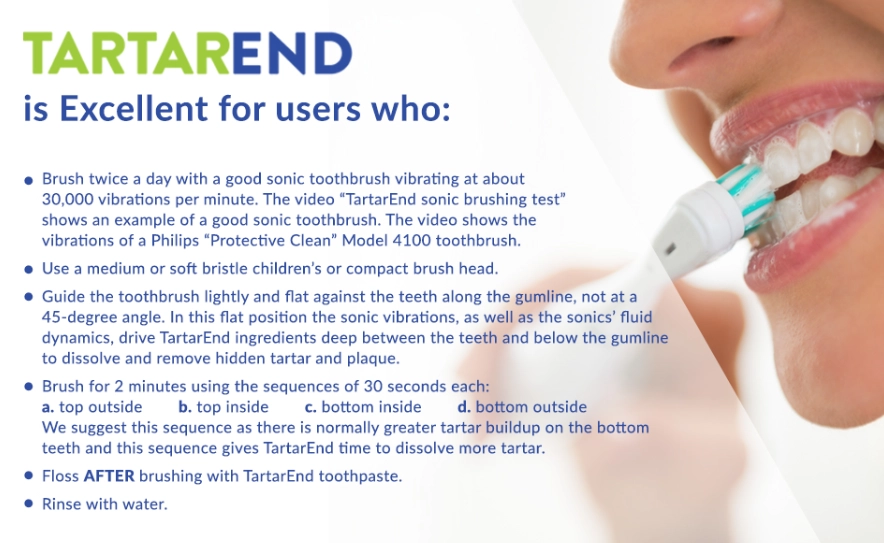
How Tartar Control Toothpaste Actually Works
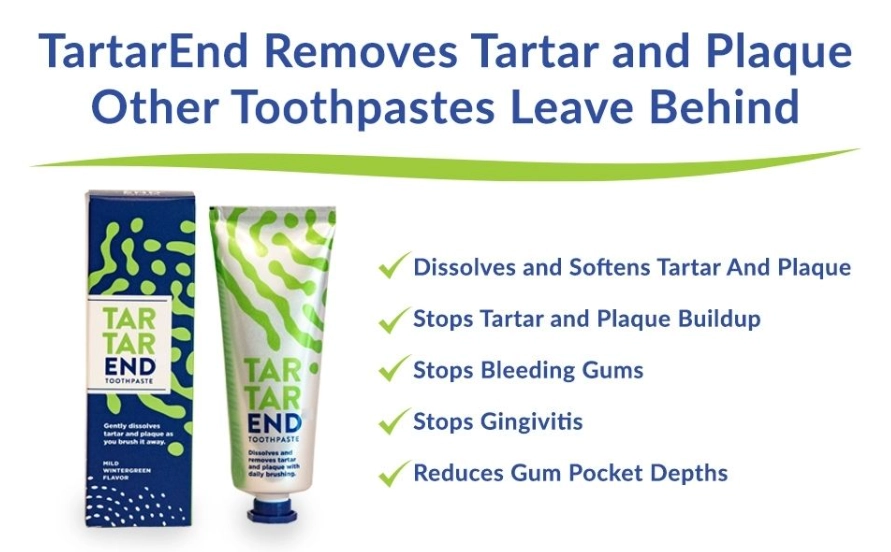
Think of these toothpastes as preventative guards, not demolition crews. They work through chemistry, not abrasion. Their primary mechanism is to disrupt the mineralization process of plaque.
When you brush, the active ingredients coat your teeth. They act like tiny shields, interfering with the crystallization of calcium and phosphate from your saliva onto the plaque biofilm. They don't attack the tartar fortress; they stop the builders from delivering the cement.
I had a patient, Mark, who was furious. "I've used this 'tartar control' paste twice a day for six months, and I still had a ton of buildup at my cleaning!" he said. That's the classic misunderstanding. The paste was working on the new plaque every day, but the old, hardened tartar from before he started using it was already there, untouched. We cleaned it off, and now his toothpaste is helping him maintain a cleaner slate.
Key Ingredients to Look For (And What They Do)
Not all anti-tartar toothpastes are equal. The magic is in the active ingredients. Here’s a breakdown of the most common ones you'll find, based on data from the American Dental Association (ADA) and clinical studies.
| Ingredient | How It Works | Common Brand Examples & Notes |
|---|---|---|
| Pyrophosphates | The most common. They bind to the tooth surface, inhibiting crystal growth and preventing plaque from calcifying. They're the workhorse of tartar control. | Found in many Crest Pro-Health variants and Colgate Total. Very effective for daily prevention. |
| Zinc Citrate | Often paired with pyrophosphates. It has antimicrobial properties that help reduce plaque bacteria, tackling the problem at its source. | Common in Colgate Tartar Control. Can help with breath freshness too. |
| Sodium Hexametaphosphate | A more recent addition. It not only prevents tartar but can also help remove some surface stains by chelating (binding) stain molecules. | Often marketed as a "whitening + tartar control" combo ingredient. |
| Herbal/Alternative Ingredients (e.g., Xylitol) | Xylitol doesn't prevent tartar directly but reduces cavity-causing bacteria. Some natural brands claim baking soda or silica break down tartar, but evidence is limited. | Tom's of Maine Antiplaque & Whitening uses zinc citrate + xylitol. Good for a natural option, but manage expectations. |
A word on abrasion. Some pastes, especially "whitening" ones, use abrasive particles like silica. While they can scrub away some surface stains on tartar, making it look less noticeable, they do not dissolve or remove the tartar structure itself. Using a highly abrasive paste too aggressively can damage your enamel.
The Non-Negotiable Limitation: The Professional Cleaning
This is the part the marketing glosses over. Once tartar forms below the gumline (subgingival calculus), it's game over for any toothpaste. This tartar is often darker, harder, and more tenacious. It's the primary irritant that leads to gum inflammation (gingivitis) and, eventually, bone loss (periodontitis).
Your toothbrush bristles and toothpaste slurry simply cannot reach into the periodontal pocket where this tartar hides. Only the specialized tools of a dental hygienist—ultrasonic scalers and hand instruments—can safely and effectively remove it. Relying on toothpaste to handle this is like trying to clean a chimney with a toothpick.
A Real-World, Effective Tartar Control Strategy
So, is tartar removal toothpaste useless? Absolutely not. It's a powerful tool when used correctly within a complete system. Here’s how to build that system.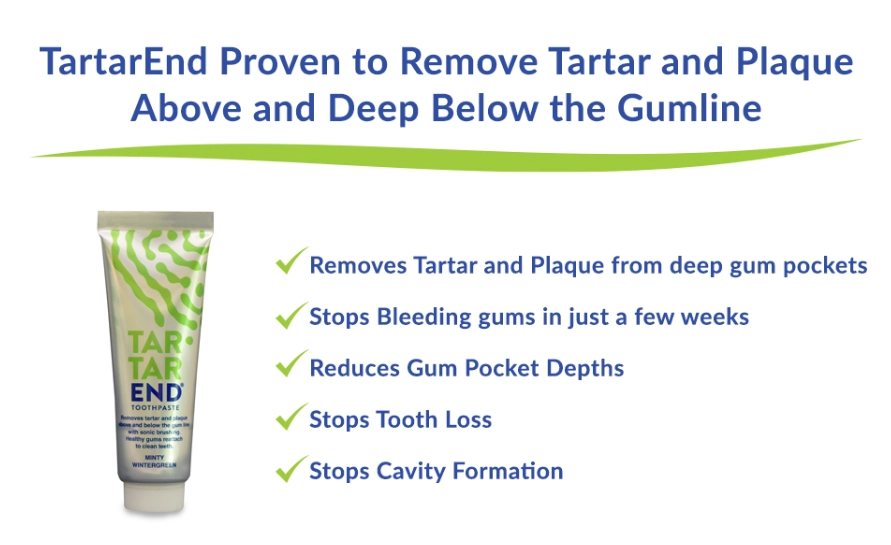
1. Start with a Clean Slate. Get a professional dental cleaning. You can't prevent what's already there. This removes all existing tartar, especially below the gums.
2. Choose Your Weapon Wisely. Pick a toothpaste with pyrophosphates and/or zinc citrate that has the ADA Seal of Acceptance. This means it's been tested for safety and efficacy. Don't just grab the one with the loudest box.
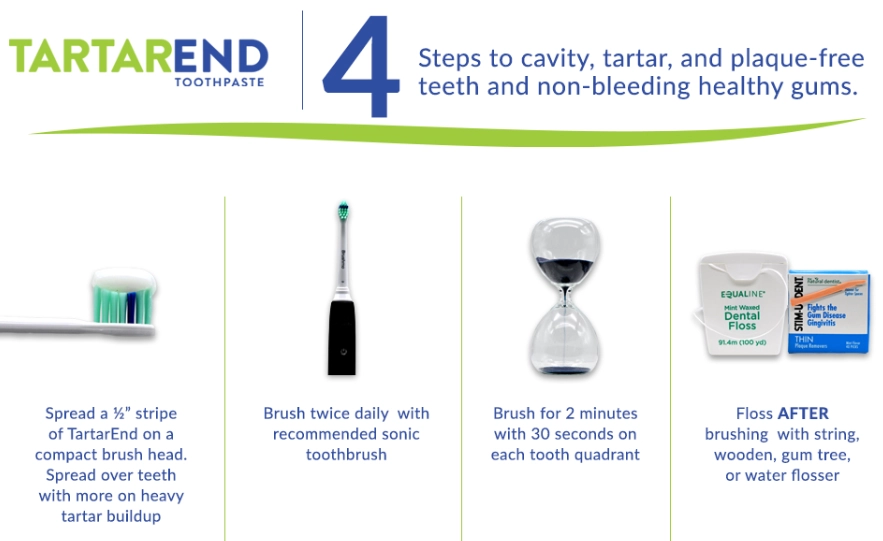
3. Technique is Everything. Brush for two full minutes, twice a day. Pay extra attention to the backs of your lower front teeth and the cheek sides of your upper molars—these are tartar hotspots because they're near salivary glands. Angle your brush 45 degrees toward the gumline.
4. The Non-Negotiable Partner: Floss. Tartar loves to form between teeth where your brush can't go. Flossing daily removes the plaque from these surfaces before it can harden. If you skip flossing, you're leaving 40% of your tooth surfaces defenseless.
5. Maintain Professional Oversight. See your dentist/hygienist for cleanings as recommended (usually every 6 months, sometimes 3-4 if you're prone to buildup). They'll remove any tartar that forms despite your best efforts and check your technique.
I recommend a specific regimen to my patients: use a tartar control paste in the morning for all-day protection. At night, you might consider switching to a paste focused on enamel repair or sensitivity, as overnight is when your teeth are most vulnerable to decay and your saliva flow is lowest. The tartar control has done its job during the day.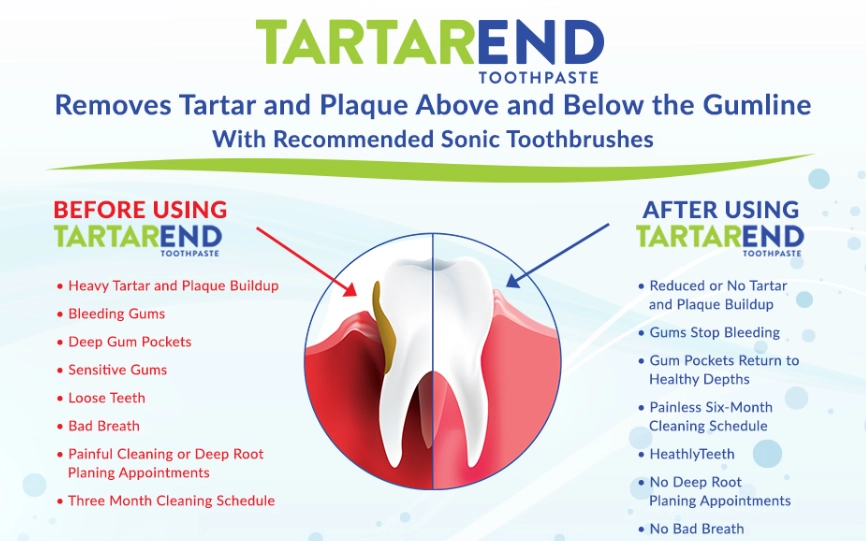
Your Tartar Toothpaste Questions, Honestly Answered
 How long does it take to see results from using a tartar control toothpaste?
 The final verdict? Tartar removal toothpaste is a scientifically valid, effective tool for preventing new tartar formation. It is not a scam. But it is only one soldier in your army. It cannot win the war alone. Pair it with proper brushing, diligent flossing, and regular professional cleanings. That's the only strategy that actually keeps tartar—and the more serious problems it causes—at bay for good.