Quick Navigation
Let's be honest. We all know sugar is bad for our teeth. Our dentists have been telling us that since we were kids. But when you really stop and think about it, what destroys teeth the most? Is it just the candy and soda, or is there a whole lineup of sneaky offenders doing damage right under our noses?
I used to think I had it figured out. Brush twice a day, floss occasionally, avoid too much candy. Then, a few years back, I got a reality check. No major cavities, but my dentist pointed out these shallow, worn areas near my gums. "Erosion," she said. Not from decay, but from acid. And my culprit? The big bottle of lemon water I sipped all day at my desk. It was a gut punch. I was trying to be healthy, and I was literally washing my teeth in acid.
That experience got me digging. Talking to dentists, reading research from places like the American Dental Association (ADA), and sorting through the myths. The answer to "what destroys teeth the most" isn't one single thing. It's a combination of factors, some obvious, some incredibly subtle, that work together to break down the hardest substance in your body.
The core idea: Tooth destruction is a battle on two fronts. The first is chemical – acids dissolving your enamel. The second is physical – forces cracking, chipping, and grinding it away. Often, the worst damage happens when these two team up.
The Main Offenders: A Ranking of What Wrecks Your Smile
Based on prevalence and destructive power, here's a breakdown of the top contenders for the title of "what destroys teeth the most." Think of this as the most-wanted list for your enamel.
1. The Sugar-Acid Double Punch (Plaque's Dirty Work)
This is the classic, and for good reason. It's public enemy number one. But it's not the sugar itself that's the direct villain. It's the chain reaction it starts.
Here's how it goes down. You eat a cookie or drink a soda. The bacteria in dental plaque (that sticky, colorless film constantly forming on your teeth) feast on those sugars. As a metabolic byproduct, they produce acids. These acids are strong enough to begin dissolving the calcium and phosphate crystals that make up your tooth enamel in a process called demineralization.
The real problem is frequency. Having a sugary snack with a meal is one thing. Sipping a sugary latte for two hours, or grazing on candy throughout the afternoon, is a disaster. It gives the bacteria a constant fuel supply, meaning your teeth are bathed in acid for extended periods. Saliva can neutralize acid, but it needs time—about 30-60 minutes after an acid attack. If you keep hitting it with sugar, saliva never gets a chance to catch up.
Don't just think "candy." Hidden sugars are everywhere: flavored yogurt, ketchup, salad dressings, granola bars, sports drinks, and even seemingly healthy fruit smoothies. Liquid sugars are particularly nasty because they coat every tooth surface.
This process, left unchecked, is the primary cause of cavities (dental caries). According to the Centers for Disease Control and Prevention (CDC), tooth decay is one of the most common chronic diseases across all age groups. So, in terms of sheer volume of damage done globally, the sugar-plaque-acid pathway is arguably the top answer to what destroys teeth the most.
2. Dietary Acids (The Silent Eroders)
This is the one that fooled me. Even if a food or drink has no sugar, it can still be highly acidic and directly dissolve enamel. This is dental erosion, and it's different from decay. No bacteria are involved—it's straight-up chemistry.
Your enamel starts to dissolve at a pH of about 5.5. Let's look at some common items and their pH levels (lower pH = more acidic):
| Food/Drink | Approximate pH | Risk Level | Notes |
|---|---|---|---|
| Lemon Juice | 2.0 - 2.6 | Extremely High | The "hot lemon water" health trend is a dental nightmare. |
| Cola | 2.5 - 2.7 | Extremely High | Double whammy: high acid AND high sugar. |
| Sports/Energy Drinks | 2.9 - 3.5 | Very High | Often marketed as healthy, but intensely erosive. |
| Orange Juice | 3.3 - 4.2 | High | Natural sugars and citric acid. Sipping is the problem. |
| Wine (Red & White) | 3.0 - 3.8 | High | Acidic and can stain. A nightly habit takes a toll. |
| Apple Cider Vinegar | 2.8 - 3.2 | Extremely High | Popular health tonic, but must be diluted and rinsed after. |
| Pickles | 3.2 - 3.6 | Moderate-High | The vinegar brine is the issue. Frequency matters. |
The scary part about erosion is its effect. It doesn't create a hole (cavity); it thins and weakens the entire enamel surface uniformly. Teeth can become smaller, translucent at the edges, sensitive, and more prone to chipping. It's a slow, often painless wear that you might not notice until significant damage is done.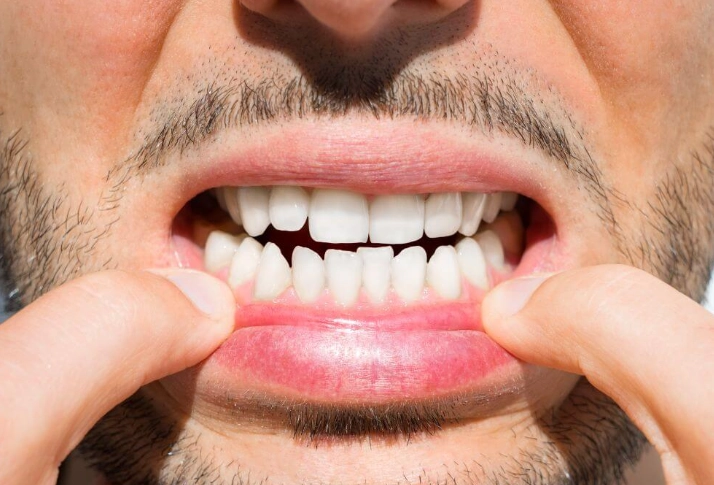
So, is sipping acidic drinks all day what destroys teeth the most for some people? Absolutely.
3. Physical Wear and Tear (Grinding, Clenching, Chewing)
If acids are the chemical assassins, this is the brute force. Your teeth are tough, but they aren't designed for constant, excessive force.
- Bruxism (Teeth Grinding/Clenching): Often a stress-related habit, frequently done unconsciously during sleep. This can put ten times the normal chewing force on your teeth. It leads to flattened chewing surfaces, cracked teeth, fractured fillings, and muscle pain. I have a friend who ground through a nightguard in six months—that's serious force.
- Abrasion: This is physical scrubbing away of enamel. The biggest culprit? Overzealous brushing with a hard-bristled toothbrush, especially with abrasive toothpaste. Scouring your teeth horizontally like you're scrubbing a tile floor can wear notches into the enamel near the gumline. Using teeth as tools (opening bottles, tearing packages) is another classic cause of chips and cracks.
- Attrition: Natural tooth-to-tooth wear from chewing. This is normal over a lifetime, but a misaligned bite or grinding accelerates it dramatically.
My dentist once showed me a photo of a patient's tooth that had a vertical crack from grinding. The patient just had sudden sensitivity. The tooth looked fine from the outside but was split inside. Needed a crown. That image stuck with me—the damage you can't even see.
4. Dry Mouth (Xerostomia)
This one is a silent accelerator for almost every other problem. Saliva is your mouth's natural protective system. It washes away food particles, neutralizes acids, provides disease-fighting substances, and helps remineralize early enamel lesions.
When saliva flow is reduced—due to medications (antihistamines, antidepressants, blood pressure drugs are common culprits), certain medical conditions, radiation therapy, or simply aging—your teeth lose their primary defense. Acid attacks last longer, plaque builds up faster, and the risk of both decay and erosion skyrockets. It's like turning off the security system and sprinklers in a building.
5. Neglect and Poor Technique
This is the foundational failure. All the above factors are supercharged by simply not cleaning your teeth effectively or often enough. Plaque that isn't removed regularly mineralizes into tartar (calculus) within 24-72 hours. Tartar is a rough, porous fortress that harbors bacteria and can only be removed by a dental professional. It creates a constant source of irritation to the gums and a platform for more plaque.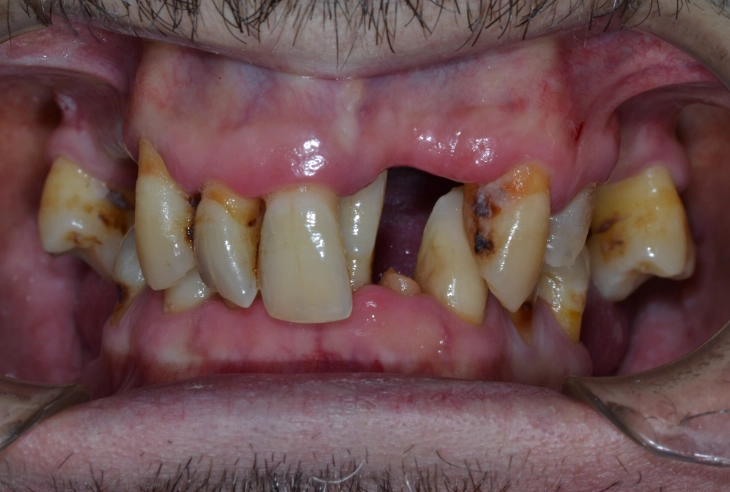
Poor flossing technique (or not flossing at all) leaves the most cavity-prone areas—between the teeth—completely vulnerable. You can have the world's best brushing routine and still get cavities between your molars if you never floss.
How to Fight Back: A Practical Protection Plan
Knowing what destroys teeth the most is only half the battle. The other half is building habits that neutralize those threats. It's not about perfection; it's about smart, consistent strategy.
Diet & Consumption Habits
- Time is everything. Consume sugary or acidic foods and drinks with meals, not as standalone snacks or sipping sessions. Mealtime produces more saliva to help buffer the acid.
- Use a straw. For acidic drinks, use a straw positioned toward the back of your mouth to minimize contact with teeth.
- Rinse, don't brush (right away). After an acid attack (soda, juice, wine), rinse your mouth with water or a fluoride mouthwash to neutralize the pH. Wait at least 30-60 minutes before brushing. Brushing while enamel is softened by acid can actually brush it away. This was a game-changer for me.
- Choose protective snacks. Cheese, nuts, milk, and crunchy vegetables (like carrots) can help stimulate saliva and may have protective qualities.
Oral Hygiene That Actually Works
The Golden Rule of Brushing: Be gentle. Use a soft-bristled brush and think of it as massaging your teeth and gums, not scrubbing them. Angled at 45 degrees toward the gumline, using small circular or back-and-forth motions. Two minutes, twice a day.
Flossing is non-negotiable. It's the only way to clean the sides of your teeth that the brush can't reach. If you hate string floss, try floss picks, a water flosser, or interdental brushes. Find a tool you'll use daily. The National Institute of Dental and Craniofacial Research (NIDCR) clearly states that cleaning between teeth is essential to prevent decay and gum disease.
Fluoride is your friend. It helps rebuild (remineralize) weakened enamel and makes it more resistant to acid. Use a fluoride toothpaste. If you're at high risk for decay, your dentist might recommend a prescription-strength fluoride gel or rinse.
Professional and Protective Gear
- Regular check-ups and cleanings. See your dentist at least twice a year. They catch problems when they're small and cheap to fix, and they remove the tartar you can't.
- Ask about a nightguard. If you wake up with jaw soreness or your partner hears grinding, talk to your dentist. A custom-fit nightguard is an investment that can save you thousands in future dental work.
- Discuss dry mouth solutions. If medication is causing dry mouth, talk to your doctor. Sugar-free gum or lozenges, over-the-counter saliva substitutes, and staying hydrated can help.

Final Thoughts
So, what destroys teeth the most? There's no single winner. It's a team effort led by the sugar-plaque-acid trio, powerfully assisted by direct dietary acids, physical forces, dry mouth, and simple neglect.
The good news is that almost all of this is within your control. You don't have to live on bland food and water. It's about awareness and smart habits. Limit the frequency of acid/sugar attacks. Be gentle when you clean. Use fluoride. And for heaven's sake, don't brush right after that glass of orange juice.
Your teeth have to last a lifetime. They're not just tools for eating; they're central to your smile, your speech, your confidence. Protecting them isn't about following a strict set of dental commandments. It's about understanding the real-world threats—the true answers to what destroys teeth the most—and building a practical, sustainable defense around your own life. Start with one change. Maybe it's using a straw for your afternoon soda, or finally getting that nightguard, or just waiting to brush after breakfast. Small shifts make a big difference over decades.
Talk to your dentist. Be honest about your habits. They're not there to judge you; they're there to help you build a plan that works. Because in the end, the best smile is the one you get to keep.