That sharp, sudden zing when you sip ice water or bite into something sweet isn't just annoying—it's your teeth crying out for help. If you're here, you've probably tried a few tubes of sensitive teeth toothpaste with mixed results. Maybe one helped a bit, another did nothing, and you're left wondering if it's you or the product. Let's cut through the noise. I've seen this confusion daily in my practice. The truth is, not all desensitizing toothpaste brands are created equal, and using them wrong is a huge reason people don't get relief. This guide will walk you through exactly how these pastes work, compare the top players on the shelf, and show you the technique most people miss that makes all the difference.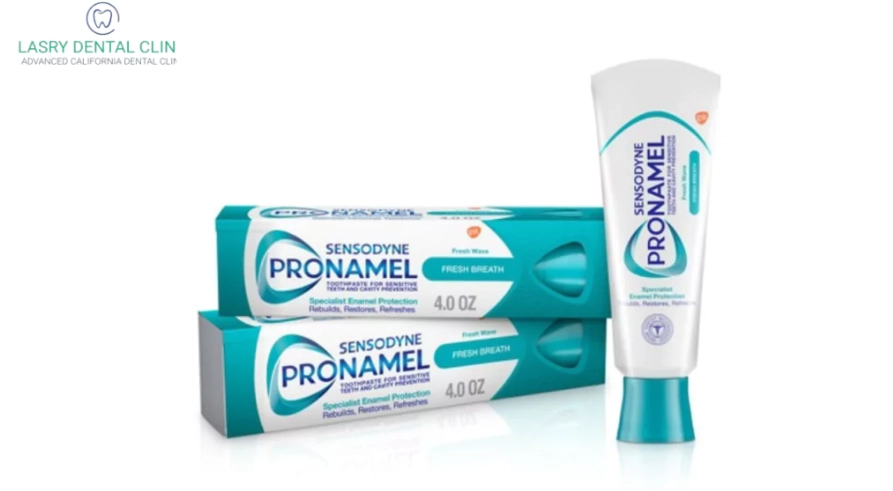
What’s Inside This Guide
- How Desensitizing Toothpastes Actually Stop the Pain
- The 3 Key Ingredients to Look For (And What They Do)
- Head-to-Head: A Real-World Comparison of Top Brands
- The Biggest Mistake People Make With Sensitive Toothpaste
- How to Choose the Right Desensitizing Toothpaste for You
- Your Sensitive Teeth Questions, Answered
How Desensitizing Toothpastes Actually Stop the Pain
First, forget the idea of a "numbing" paste. They don't work like a topical anesthetic. The pain happens because your tooth's dentin layer—which is full of microscopic tubes leading to the nerve—gets exposed. Hot, cold, acidic, or sweet stimuli travel down these tubes and trigger the nerve. Desensitizing toothpaste works by physically blocking these tubes.
Think of it like filling potholes on a road to stop traffic. The active ingredients, like potassium nitrate or stannous fluoride, either form a protective layer over the tubules or release particles that clog them up. This process isn't instant. It takes consistent use over days or weeks to build up enough of a barrier. That's why brushing once with a sensitive paste before an ice cream date won't save you. The relief is cumulative.
The 3 Key Ingredients to Look For (And What They Do)
The active ingredient on the box is everything. It determines the mechanism and, often, the effectiveness. Here’s your cheat sheet.
1. Potassium Nitrate
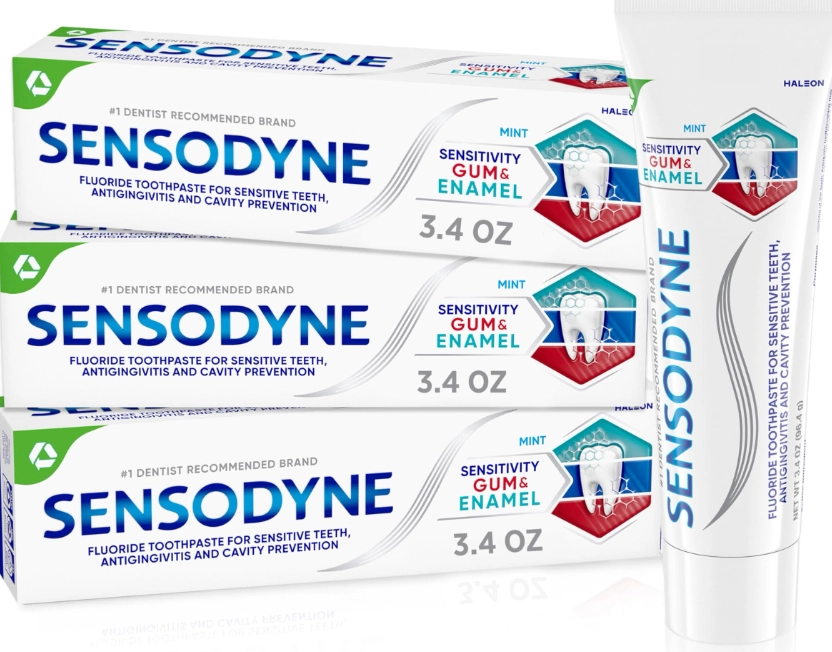
This is the classic, the O.G. of sensitivity fighters. It works by calming the nerve signal inside the tooth itself. It's gentle and widely available. Brands like Sensodyne have built their reputation on it. For mild to moderate sensitivity, it's a solid, reliable choice. But for some people with severe sensitivity, it might not feel strong enough.
2. Stannous Fluoride
This is the multi-tasker. Not only does it help block those dentin tubules, but it's also a powerful anti-bacterial agent, fighting plaque and gingivitis. This is great if your sensitivity is linked to gum recession from inflammation. Crest's Pro-Health Sensitive line uses this. A potential downside? It can cause some temporary tooth staining in a small number of users, which is usually manageable with regular cleaning.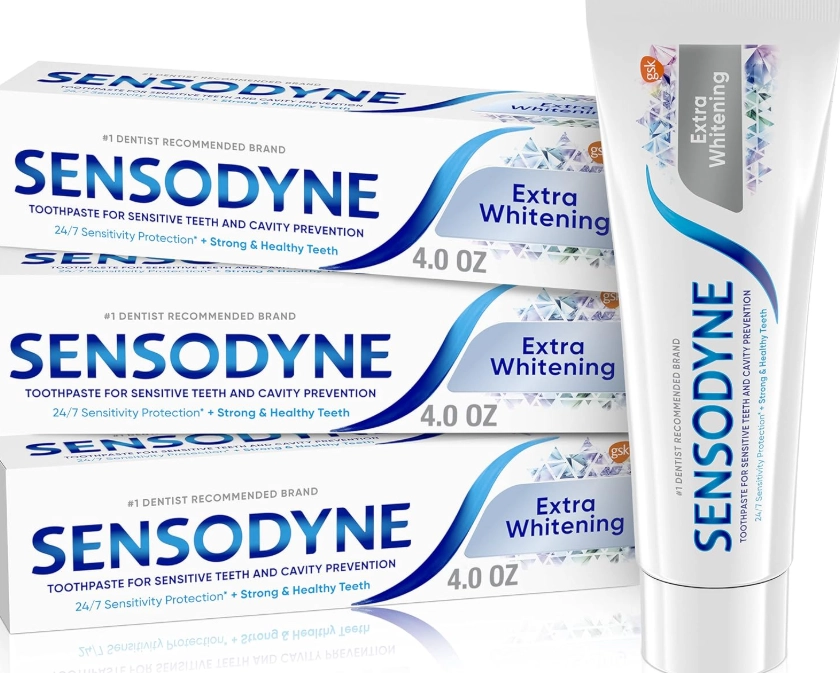
3. Arginine + Calcium Carbonate
This is a newer, biomimetic technology. The arginine (an amino acid) binds with calcium carbonate to form a sealing layer that physically plugs the tubules. Colgate's Sensitive Pro-Relief uses this system. Some studies, like those cited by the American Dental Association (ADA), show it can provide very fast relief, sometimes even after a single use. It's a strong contender for immediate results.
Head-to-Head: A Real-World Comparison of Top Brands
Let's move from theory to the pharmacy aisle. Here’s a breakdown of the major players, stripped of marketing fluff. I'm including price ranges (based on average online/store prices for a standard 4oz tube) and texture notes because, let's be honest, if you hate how it feels, you won't use it consistently.
| Brand & Product | Active Ingredient | Best For | Texture & Taste Notes | Price Range |
|---|---|---|---|---|
| Sensodyne Repair & Protect | Stannous Fluoride | Long-term sensitivity relief with cavity protection. Good for general gum health. | Classic, smooth paste. Mint is straightforward, not too strong. | $$ |
| Sensodyne Rapid Relief | Arginine + Calcium Carbonate | Fast results. If you need to feel a difference quickly to stick with it. | Slightly grittier feel (the calcium). Taste is mild and clean. | $$$ |
| Crest Gum & Sensitivity | Stannous Fluoride | Sensitivity clearly linked to gum issues, bleeding, or recession. | Very smooth, almost slick. Has a distinct "clean" taste some love, others find odd. | $$ |
| Colgate Sensitive Pro-Relief | Arginine + Calcium Carbonate | Immediate and lasting relief. A direct competitor to Sensodyne's Rapid Relief. | Similar fine grit. Offers a variety of flavors like Whitening Mint. | $$ |
| Hello Sensitivity Relief | Potassium Nitrate | Those wanting a natural/organic-focused brand with fluoride. Milder sensitivity. | Paste can be a bit thinner. Flavors like "Mojito Mint" are unique. | $$$ |
| Pronamel Intensive Enamel Repair | Stannous Fluoride (in some formulas) | Sensitivity caused primarily by acid erosion and enamel wear. | Very smooth, gentle abrasive. Designed specifically for weakened enamel. | $$$ |
My personal observation after recommending these for years? Patients who have "tried everything" often respond well to switching the active ingredient type. If potassium nitrate didn't cut it, arginine or stannous fluoride might.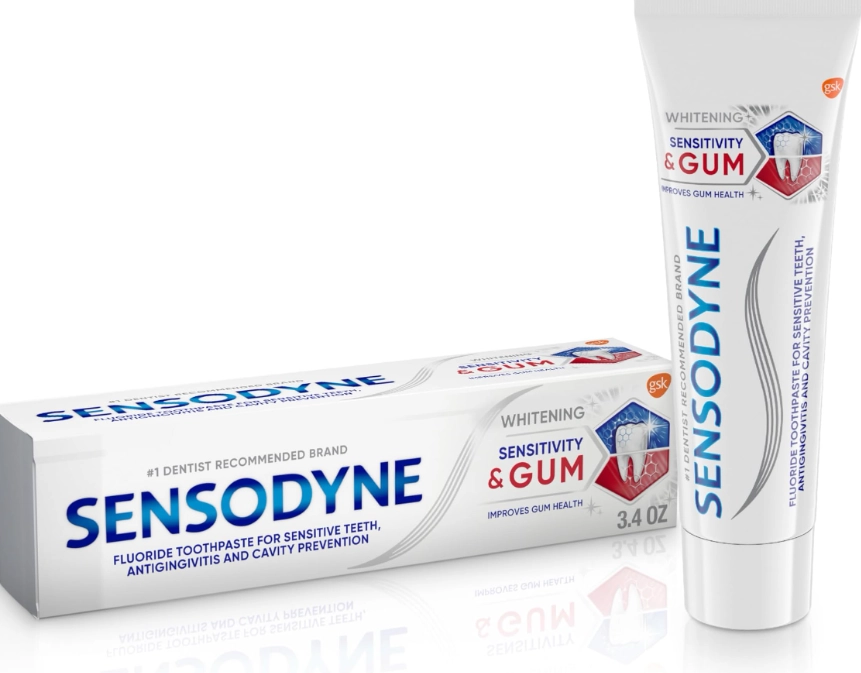
The Biggest Mistake People Make With Sensitive Toothpaste
Here's the non-consensus, practice-honed advice: You're probably rinsing too much and too soon.
Everyone brushes and then immediately swishes with a giant mouthful of water. For a desensitizing paste, this is a disaster. You're washing away the active ingredients before they have a chance to sit on your teeth and do their job. The tubules don't get plugged.
Try this instead: after brushing, spit out the excess foam. Do NOT rinse. Let that residual film of toothpaste coat your teeth. Go to bed with it (if brushing at night) or leave it for at least 30 minutes before drinking anything. This simple change is the single most effective way to boost the performance of any sensitive toothpaste. It feels weird at first, but the difference in results can be night and day.
How to Choose the Right Desensitizing Toothpaste for You
Don't just grab the first red box you see. Ask yourself these questions: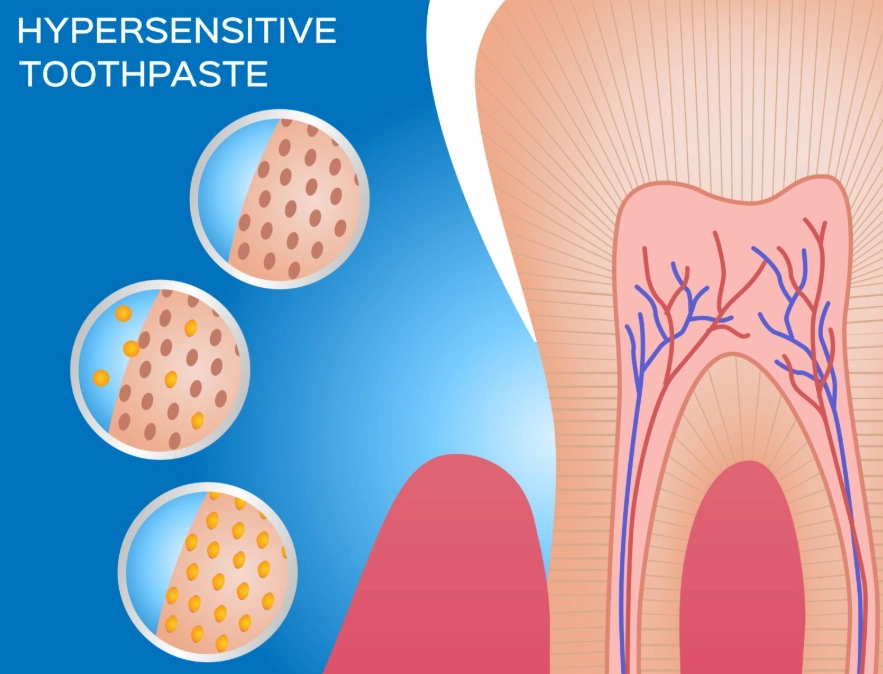
Is your sensitivity from cold, sweets, brushing, or everything? Broad sensitivity might point to stannous fluoride for its antibacterial benefits if gums are involved.
Do you see gum recession? If you can see notches or darker yellow areas near your gumline, a paste that combats gum inflammation (stannous fluoride) is a smart dual-action choice.
Are you desperate for quick relief? Go for the arginine-based formulas (Sensodyne Rapid Relief, Colgate Sensitive Pro-Relief). They're engineered for speed.
Is whitening important to you? Many brands, like Colgate and Sensodyne, offer "whitening" sensitive formulas. They use very gentle polishing agents. They're fine, but manage expectations—they remove surface stains, they won't bleach your teeth like professional treatments.
Start with one. Give it a solid 4-6 weeks of consistent, twice-daily use (with the no-rinse technique). If you see no improvement, switch to a paste with a different active ingredient. It's a process of elimination.
Your Sensitive Teeth Questions, Answered
 Is it okay for kids to use sensitive toothpaste?
The goal isn't just to find a toothpaste—it's to break the cycle of pain. By understanding the mechanics, choosing strategically, and most importantly, using the product correctly, you can turn that dreaded zing into a thing of the past. Start tonight. Spit, don't rinse.