That sharp, zinging pain when you sip something cold or bite into something sweet isn't just annoying—it's your teeth crying out for help. I've seen it in my practice for over a decade. People come in thinking they have a cavity, only to find out it's dentin hypersensitivity, the technical term for sensitive teeth. The good news? You don't have to live with it. The world of tooth sensitivity remedies has evolved far beyond just using a special toothpaste, though that's a great start. Let's talk about what actually works, from simple changes you can make tonight to professional treatments that can seal the deal.
Quick Navigation: What's in This Guide?
- What Causes Tooth Sensitivity? (It's Not Always Brushing Too Hard)
- Your At-Home Sensitivity Toolkit: Proven Remedies
- How to Choose the Right Desensitizing Toothpaste
- Professional Treatments for Stubborn Sensitivity
- When Should You See a Dentist About Sensitive Teeth?
- Your Sensitive Teeth Questions, Answered
What Causes Tooth Sensitivity? (It's Not Always Brushing Too Hard)
Think of your tooth like an onion. The outer, super-hard layer is enamel. Under that is a softer, yellower layer called dentin. Dentin is full of microscopic tunnels called dentinal tubules that lead straight to the nerve center of your tooth—the pulp.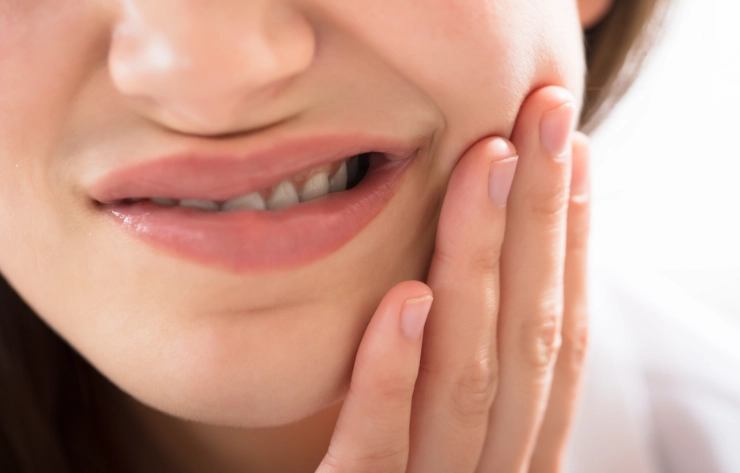
Sensitivity happens when the dentin gets exposed. Hot, cold, acidic, or sweet stimuli travel down those tubules and hit the nerve. Zap.
Everyone talks about brushing too hard as the main culprit, and it's a big one. But I see patients all the time who are gentle brushers and still have problems. Here are the other common offenders:
- Acidic Foods and Drinks: This is a silent killer. Soda, citrus fruits, wine, even that healthy apple cider vinegar drink. Acid doesn't scrub away enamel; it chemically dissolves it, thinning the protective layer over time.
- Gum Recession: Your gums are like a protective turtleneck sweater for the base of your teeth. If they pull back (recede), they expose the root surface, which isn't covered by hard enamel but by a softer material called cementum. This area is much more sensitive.
- Teeth Grinding (Bruxism): Clenching and grinding, especially at night, can wear down enamel, sometimes creating notches right at the gumline. You might not even know you're doing it until a dentist points out the flat spots on your teeth.
- Recent Dental Work: It's common to have some sensitivity after a filling, crown, or professional cleaning. This usually fades in a few weeks. If it doesn't, you need to go back.
- Whitening Products: Many bleaching gels temporarily open those dentinal tubules. The sensitivity from whitening is usually short-term, but it can be intense.
Figuring out your personal trigger is step one in finding the right remedy.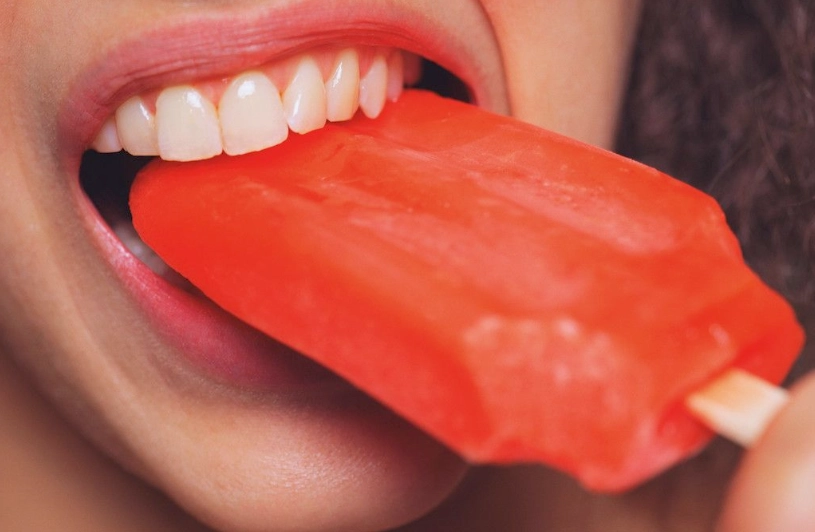
Your At-Home Sensitivity Toolkit: Proven Remedies
Before you run to the dentist, there's a lot you can do at home. These aren't just tips; they're a system. Do them consistently for at least two weeks before you decide if they're working.
How to Choose the Right Desensitizing Toothpaste
The drugstore aisle is overwhelming. Look for one key ingredient on the box: potassium nitrate or stannous fluoride. These are the gold standards approved by organizations like the American Dental Association (ADA).
Potassium nitrate works by calming the nerve inside the tooth. It's like putting a calming blanket over it so it doesn't fire off pain signals as easily.
Stannous fluoride is a double agent. It helps block those open dentinal tubules and also fights bacteria that cause gingivitis, a common cause of gum recession. If your sensitivity is near the gumline and your gums bleed a little, this might be the better pick.
My non-consensus view? Don't switch brands every week looking for a miracle. Pick one with a proven ingredient and stick with it for a solid month. Consistency is more important than the minor differences between major brands.
And please, use a soft-bristled toothbrush. Medium and hard brushes are for cleaning grout, not teeth. I recommend an electric brush with a pressure sensor—it beeps when you push too hard.
The "Wait 30 Minutes" Rule for Acidic Stuff
You just had orange juice or a soda. Your mouth feels acidic. The instinct is to brush right away to get rid of the sugar and acid.
Don't.
Brushing while your enamel is temporarily softened by acid can actually scrub it away. Wait at least 30 minutes. Drink some water or milk to help neutralize the pH in your mouth first. This one habit can prevent a huge amount of sensitivity over the years.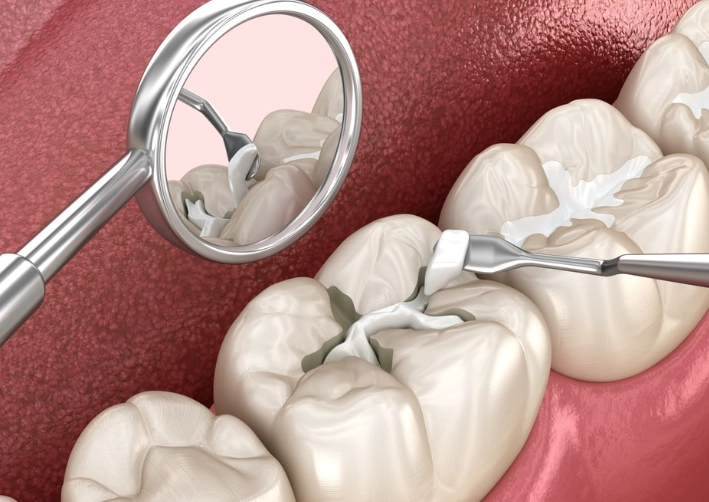
Professional Treatments for Stubborn Sensitivity
Sometimes, home care isn't enough. If your dentin is too exposed or the tubules are too wide, you need a professional intervention. These are some of the most effective tools in our kit.
- High-Concentration Fluoride Varnish or Gel: This isn't the fluoride in your toothpaste. We apply a thick, sticky varnish directly to the sensitive areas in the office. It contains a much higher concentration of fluoride (like 5% sodium fluoride) that helps remineralize and plug up tubules. You leave it on for a few hours. One treatment can provide relief for several months.
- Desensitizing Agents (like Gluma): These are liquids we paint on. They work by physically sealing the openings of the dentinal tubules, creating a barrier. The effect can be almost instantaneous for some people and last a long time.
- Dental Bonding or Sealants: For a sensitive notch at the gumline, we can sometimes apply a tooth-colored filling material (bonding) to cover the exposed area. It's a quick procedure and very effective for localized spots.
- Gum Grafting: If significant gum recession is the root cause (pun intended), a periodontist might recommend a minor surgical procedure to take a small piece of tissue from the roof of your mouth and graft it over the exposed root. It sounds intense, but it's a definitive solution for severe cases.
- Addressing the Root Cause: This is the most important one. If you grind your teeth, we'll make a night guard. If a misaligned bite is causing trauma, we might adjust it. If an old filling is cracked or leaking, replacing it can eliminate the sensitivity. Treating the symptom without fixing the cause is a temporary fix.
When Should You See a Dentist About Sensitive Teeth?
Home remedies are for mild, generalized sensitivity. You need to book an appointment if:
- The pain is sharp, severe, and lingers for more than 30 seconds after the trigger is gone.
- Only one tooth is sensitive. This could signal a cracked tooth, a deep cavity, or a failing filling.
- You see visible damage—a notch, a chip, a dark spot, or significant gum recession around one tooth.
- Your gums are also red, swollen, or bleed easily.
- You've used a desensitizing toothpaste correctly for 4 weeks with zero improvement.
Getting a proper diagnosis is crucial. What feels like sensitivity could be something else that needs urgent care.