Let's cut to the chase. The "best" desensitizing toothpaste isn't a single brand on a shelf. It's the one that matches the specific cause of your tooth sensitivity, contains the right active ingredients to block that pain pathway, and fits seamlessly into your routine so you actually use it correctly. I've seen patients waste money and hope on the wrong tube for years, convinced nothing works, when the real issue was a mismatch between their problem and the product's solution. This guide will help you break that cycle.
What’s Inside This Guide
What Makes a Desensitizing Toothpaste ‘The Best’? It’s All About the Ingredients
Forget fancy packaging and bold claims. The effectiveness of a sensitivity toothpaste lives and dies by its active ingredients. These compounds work by calming the nerves inside your teeth or plugging up the microscopic tubules in your dentin that lead to those nerves.
The Heavy Hitters: Potassium Nitrate vs. Stannous Fluoride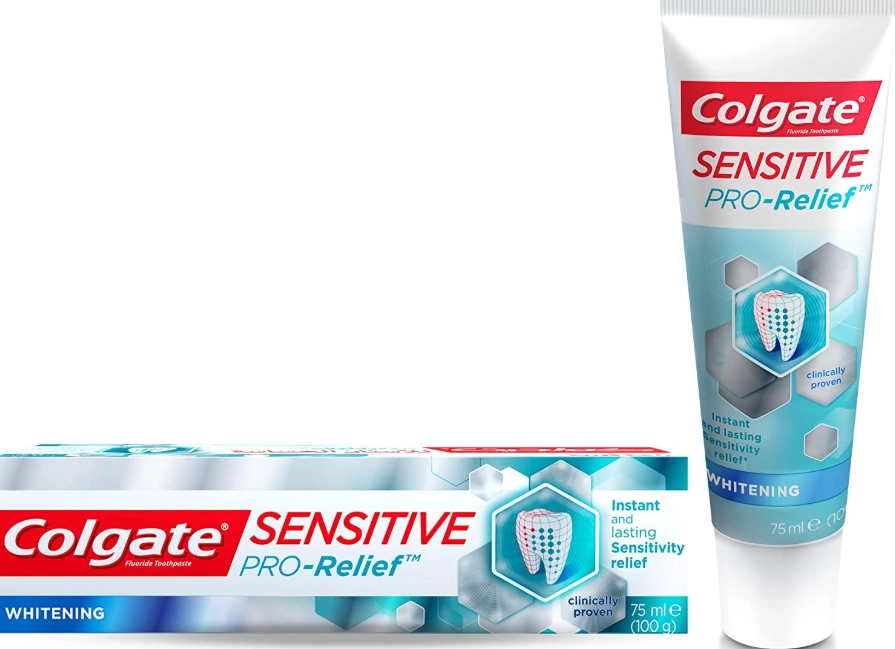
Most products use one of two main approaches.
Potassium Nitrate is the old reliable. It works by diffusing into the tooth and calming the nerve's excitability. Think of it like applying a soothing balm to the inside of the tooth. It's gentle and widely available. Brands like Sensodyne Original and Pronamel often use it. The catch? It can take 2-4 weeks of consistent use to feel the full effect. If you're looking for a quick fix, this isn't it.
Stannous Fluoride is the multi-tasker. It not only provides fluoride for cavity protection but the stannous (tin) ion physically occludes dentin tubules, creating a barrier. Some formulations also have antimicrobial benefits for gums. Colgate Sensitive and some Crest Pro-Health lines feature it. The potential downside? It can cause surface staining on some teeth (which is usually removable by your hygienist) and a metallic taste for some users.
The New Contender: Arginine + Calcium Carbonate
This technology, found in products like Colgate Sensitive Pro-Relief, works on a different principle. The arginine binds to calcium in your saliva and dentin, forming a plug that seals the tubules almost instantly. You might feel relief after a single use. It's a great option if you need fast results, though the long-term durability of that plug under daily wear and tear is part of the ongoing maintenance.
How to Choose the Right Desensitizing Toothpaste for You
Now, let's match the science to your situation. Ask yourself these questions first:
- Is my sensitivity sudden and severe, or a constant dull ache?
- Do I have gum recession that's exposing roots?
- Am I also concerned about cavities, whitening, or gum health?
- Have I had any dental work recently (like a crown or filling) that might be causing sensitivity?
Your answers point you in the right direction. Here’s a quick comparison to help you visualize the choice: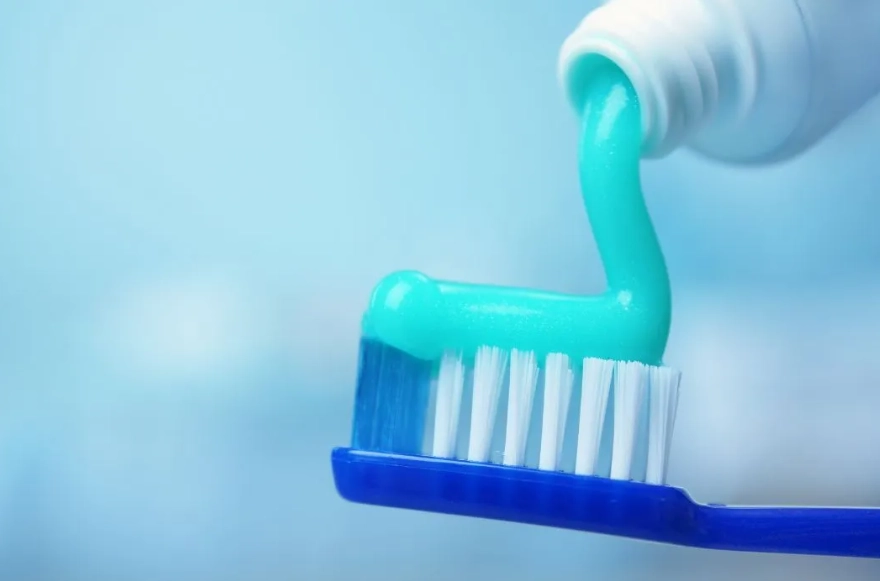
| Your Primary Need / Situation | Recommended Ingredient Focus | Example Brand Lines to Look For |
|---|---|---|
| General, all-over sensitivity with no other issues | Potassium Nitrate or Stannous Fluoride | Sensodyne Repair & Protect, Crest Gum & Sensitivity |
| Fast relief needed (e.g., for a specific event) | Arginine + Calcium Carbonate | Colgate Sensitive Pro-Relief (Instant) |
| Sensitivity + cavity-prone teeth | High-concentration Fluoride (often with Stannous Fluoride) | Prescription-strength pastes (like Prevident 5000 Sensitive) or Colgate Sensitive |
| Sensitivity + gum inflammation/gingivitis | Stannous Fluoride (for antimicrobial action) | Crest Gum Detoxify or Parodontax for Sensitive Teeth |
| Sensitivity + desire for whitening | Potassium Nitrate with gentle whitening agents | Sensodyne Extra Whitening, Colgate Sensitive Whitening |
A common mistake is choosing a "whitening" sensitive toothpaste when your enamel is already thin or worn. The extra abrasives, even if mild, can sometimes make sensitivity worse over time. If whitening is a priority, get your sensitivity under control first with a dedicated formula for a few weeks, then talk to your dentist about safe whitening options.
Look for the American Dental Association (ADA) Seal of Acceptance. It means the product has been independently evaluated for safety and efficacy. You can search the ADA's accepted product list on their website.
How to Use Desensitizing Toothpaste for Maximum Relief (Most People Get This Wrong)
Here's the secret your tube doesn't tell you: desensitizing toothpaste is not a standard cleaning agent you rinse away immediately. It's a topical treatment.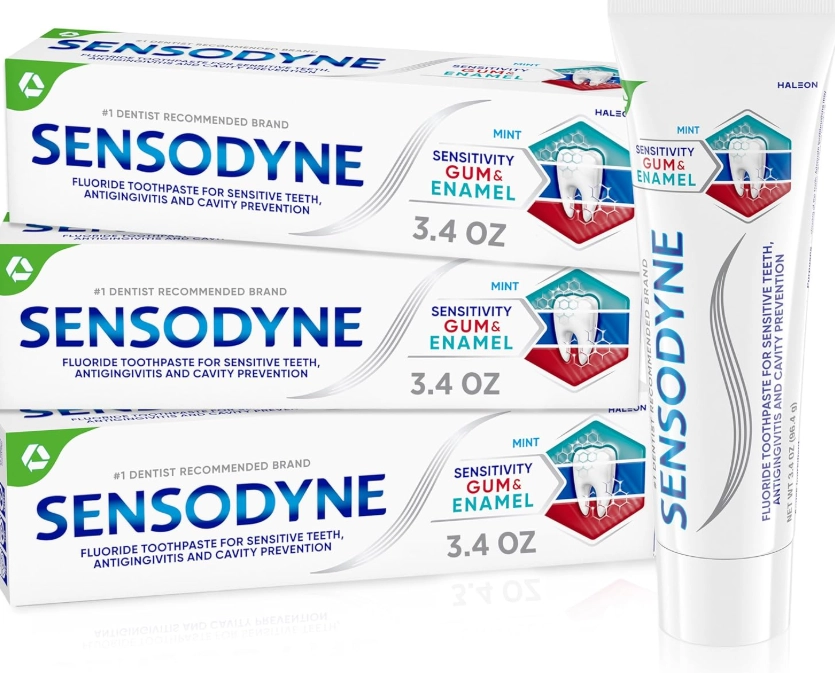
- Use a soft-bristled brush. Hard brushing wears enamel and aggravates sensitivity. This is non-negotiable.
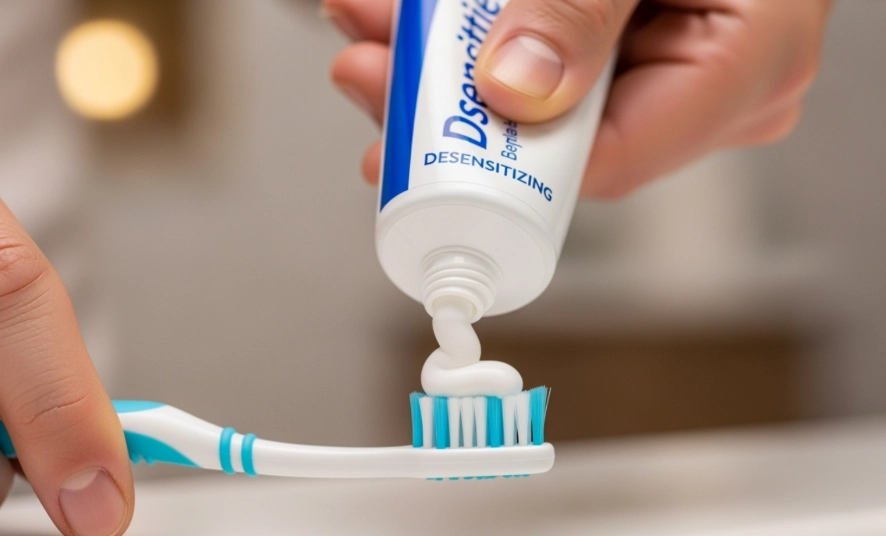
- Apply a pea-sized amount. More paste doesn't equal more relief; it just creates more foam, which you'll be tempted to rinse.
- Brush gently for two minutes, paying special attention to the sensitive areas, usually near the gumline.
- This is the critical part: Spit, but DO NOT RINSE. Leave the residual paste on your teeth. Let the active ingredients sit and work. Avoid eating or drinking for at least 30 minutes afterward.
I had a client, Sarah, who complained her sensitive toothpaste "did nothing." When we walked through her routine, she was vigorously rinsing with water and then using a high-alcohol mouthwash immediately after brushing. She was literally washing the medicine away. She switched to just spitting and using a fluoride mouthwash at a different time of day. Within ten days, her sensitivity to ice cream dropped by about 80%.
Beyond the Tube: Other Ways to Manage Sensitivity
Toothpaste is your first line of defense, but it's not a magic wand for underlying problems.
If your sensitivity is caused by:
- Acidic Diet (soda, citrus, wine): The acid softens enamel. Rinse with water after consuming acids, but wait 30 minutes before brushing to avoid brushing away softened enamel.
- Gum Recession: The exposed root surface (cementum) is much softer than enamel. Your dentist can apply a fluoride varnish or a bonding agent to cover and protect these areas.
- Tooth Grinding (Bruxism): This wears down enamel dramatically. A custom night guard from your dentist is often the only real solution to stop the damage.
- A Cracked Tooth or Old Filling: No toothpaste will fix this. You need a dental exam to diagnose and treat the structural issue.
Make an appointment with your dentist if sensitivity is sudden, severe, or isolated to one tooth. It could be a sign of a cavity, abscess, or other problem that requires professional treatment.
Your Top Sensitivity Questions Answered
 Is it okay for everyone to use desensitizing toothpaste long-term?