Let's cut to the chase: if you're getting your wisdom teeth out, you'll likely face some side effects. Pain, swelling, maybe a bit of bleeding—it's part of the deal. But here's the good news: knowing what to expect and how to handle it can turn a rough recovery into a manageable one. I've seen patients bounce back in days, while others struggle for weeks, often because they missed key details. In this guide, I'll walk you through the common side effects, share insider tips from my experience, and help you spot when something's off.
Quick Navigation: What's Covered in This Guide
Common Side Effects After Wisdom Tooth Extraction
After the surgery, your body reacts. It's normal, but the intensity varies. Most people deal with a few key issues in the first 3-5 days.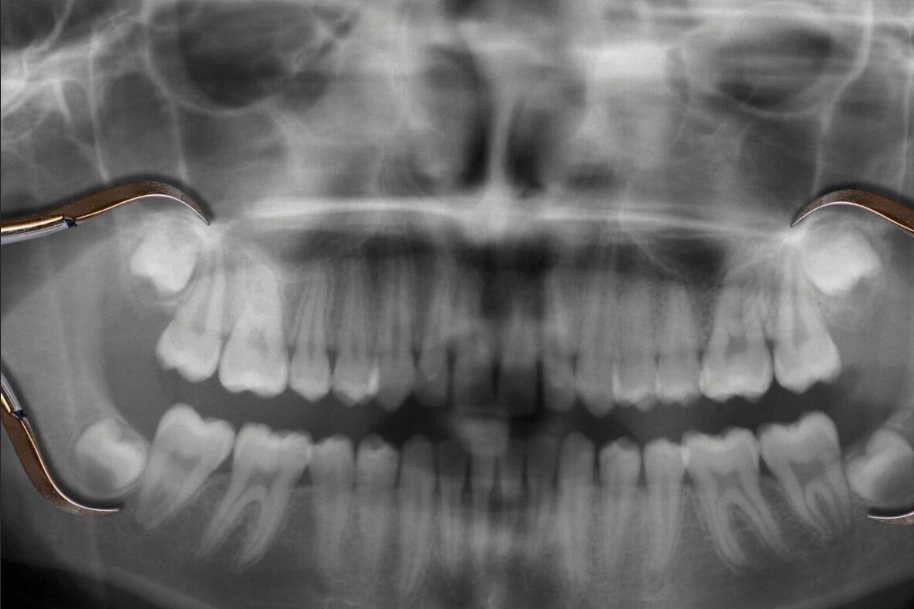
Pain: The Unavoidable Companion
You'll feel pain as the anesthesia wears off. It's usually a throbbing ache around the extraction sites. For me, when I had my wisdom teeth removed, the first night was the worst—like a constant dull headache in my jaw. But it should peak within 24-48 hours, then gradually fade. If it's sharp or shooting pain later on, that's a different story.
Swelling and Bruising: The Timeline
Swelling is your body's way of healing. It typically starts a few hours after surgery, peaks on day 2 or 3, and goes down by day 5-7. Bruising might pop up, especially if your teeth were impacted. I've seen patients with yellow-ish cheeks by day 4—it's normal, not a sign of infection.
Bleeding: How to Control It
A little oozing for the first 12-24 hours is expected. Bite on gauze firmly, but don't change it too often. One mistake I made: I kept checking the gauze every hour, which disrupted the clot. Let it be for at least 30 minutes.
Pro Tip: Avoid spitting or using straws for the first week. The suction can dislodge the blood clot, leading to dry socket—a painful complication we'll discuss later.
Here's a quick table to summarize normal vs. concerning symptoms:
| Symptom | Normal (First 3-5 Days) | Concerning (Seek Help) |
|---|---|---|
| Pain | Dull, manageable with prescribed meds | Severe, worsening after day 3, or radiating to ear |
| Swelling | Peaks at 48 hours, then decreases | Increases after day 3, or with redness/heat |
| Bleeding | Light oozing, stops with pressure | Heavy flow that soaks gauze quickly |
| Fever | None or mild (below 100.4°F) | High fever (above 101°F) with chills |
How to Manage Pain and Swelling Like a Pro
Managing side effects isn't just about popping pills. It's a strategy. Let's break it down.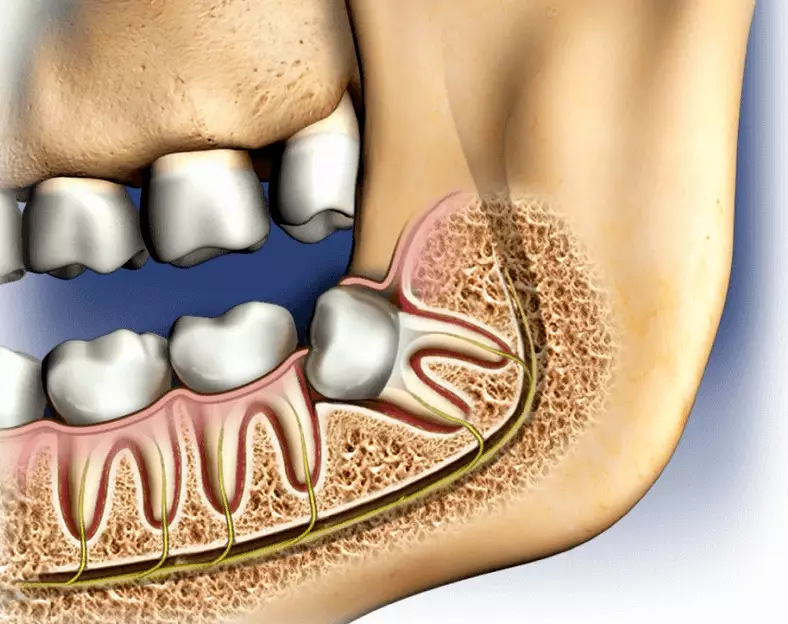
Ice and Elevation: Your Best Friends
Apply ice packs to your cheeks for 20 minutes on, 20 minutes off for the first 48 hours. Don't overdo it—skin damage is real. I recommend using a cloth wrap. Also, sleep with your head elevated on extra pillows. Gravity helps reduce swelling.
Medications: What Works and What Doesn't
Your dentist might prescribe painkillers like ibuprofen or acetaminophen. Take them as directed, even if you feel okay initially. A common error: skipping doses, then playing catch-up with pain. For swelling, anti-inflammatories are key. According to the American Dental Association, ibuprofen is effective for post-operative inflammation.
Diet and Hydration: The Overlooked Factors
Stick to soft foods: yogurt, mashed potatoes, smoothies. But here's a tip most miss: avoid acidic or spicy foods for the first week. I once ate tomato soup on day 2—big mistake. The acidity stung the sockets. Drink plenty of water, but sip gently.
When to Call Your Dentist: Red Flags You Can't Ignore
Some side effects signal trouble. Don't brush them off.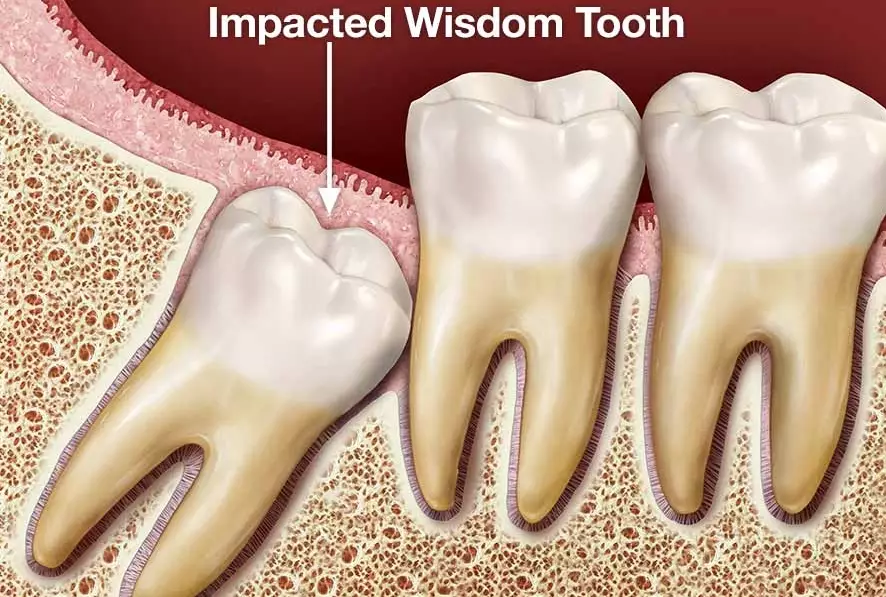
Dry socket is a big one. It happens when the blood clot dissolves or gets dislodged, exposing bone. Symptoms include intense pain a few days after extraction, bad breath, and an empty-looking socket. If you suspect it, call your dentist ASAP. They can pack it with medicated dressing.
Infection signs: fever over 101°F, pus, or increasing swelling after day 3. I've seen patients ignore this, thinking it's just part of healing. It's not. Infections need antibiotics.
Numbness that persists beyond the anesthesia wear-off (usually 6-8 hours) could indicate nerve damage. Rare, but worth mentioning.
Expert Tips for a Speedy Recovery (That Most Guides Miss)
After years in dentistry, I've picked up tricks that aren't in the standard handouts.
First, gentle movement helps. Not exercise, but walking around the house. It boosts circulation, which reduces swelling. I advise patients to take short walks after the first day.
Second, oral hygiene with care. You can brush your teeth, but avoid the extraction sites for the first 24 hours. After that, use a soft-bristled brush and rinse gently with salt water (1/2 teaspoon salt in warm water). Don't swish vigorously.
Third, mind your habits. Smoking or vaping delays healing dramatically. The chemicals irritate the sockets. If you can't quit, at least wait 72 hours—but really, try to hold off.
Here's a personal story: a friend of mine, let's call him Alex, had all four wisdom teeth out. He followed the basics but skipped the saltwater rinses. By day 5, he had food debris stuck, leading to irritation. A simple rinse twice a day would've saved him extra discomfort.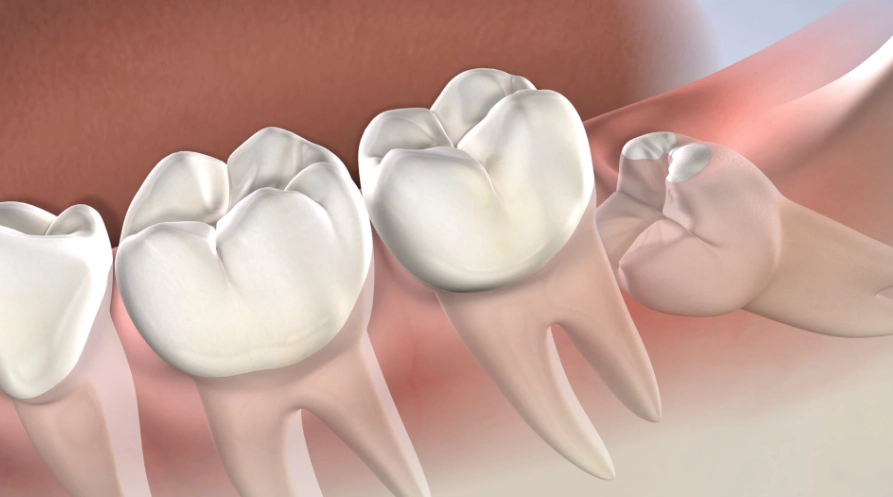
Your Wisdom Tooth Recovery FAQs Answered
 Is it okay to exercise after wisdom tooth removal?
Recovery from wisdom tooth extraction is a process, not an event. By understanding the side effects and taking proactive steps, you can minimize discomfort and get back to normal faster. Remember, when in doubt, reach out to your dentist—they're there to help.