In This Guide
- The First 30 Minutes: Immediate Steps for Crisis Management
- Your Arsenal of Home Remedies (What Actually Works)
- Understanding the Enemy: What's Causing This Pain?
- The Tipping Point: When Home Care Isn't Enough
- Navigating the Professional Solution: What the Dentist Will Do
- The Money and Access Question
- Prevention: So You Never Have to Ask This Question Again
- Frequently Asked Questions (The Stuff You're Secretly Wondering)
- Putting It All Together: Your Action Plan Flowchart
Let's be real for a second. There are few things in life more distracting, more utterly consuming, than a toothache that won't quit. That throbbing, sharp, or constant ache that seems to amplify with every heartbeat, especially when you're trying to sleep. You're probably reading this because you're in that exact situation right now, searching desperately for an answer to that burning question: what can I do for unbearable tooth pain? Maybe it's the middle of the night, or a weekend, and the dentist feels miles away.
I've been there. Waking up at 3 AM with a pain so intense it feels like your jaw is in a vise. It's miserable. The good news is, you're not powerless. This guide isn't just a list of generic tips. It's a structured, practical plan that walks you through exactly what to do, from the immediate steps you can take right this minute to understanding the professional treatments that will solve the problem for good. We'll cover the why, the how, and the when. Let's get you some relief.
The First 30 Minutes: Immediate Steps for Crisis Management
When the pain is acute and overwhelming, your brain goes into panic mode. The key is to break that cycle. Here’s your first-response protocol.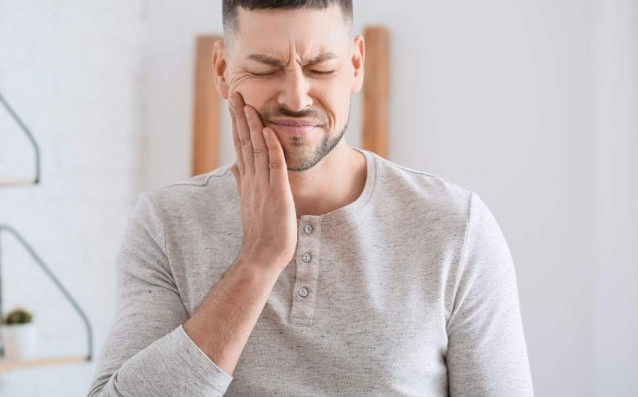
1. The Gentle Clean-Up
Sometimes, the cause is simple. Food debris trapped under a gum flap or in a cavity can press on a nerve. Rinse your mouth gently with warm water (not hot!). Use a gentle, alcohol-free mouthwash if you have it. Try flossing very carefully around the painful tooth. The goal isn't to dig, but to see if you can dislodge something obvious. If flossing suddenly makes the pain spike, stop immediately—you might have a loose filling or a crack.
I remember once thinking I had a major cavity, but it was just a tiny piece of popcorn shell wedged so perfectly it felt like a knife. Flossing got it out and the relief was instant.
2. The Cold Compress Gambit
This is your best friend for throbbing pain, especially if there's any swelling. Take a small bag of frozen peas or an ice pack, wrap it in a thin cloth (a tea towel works), and hold it against your cheek over the painful area for 15-20 minutes. Take it off for 20 minutes, then repeat.
Why does this help?
The cold constricts blood vessels, reducing inflammation and slowing the nerve signals screaming to your brain. It's a physical way to turn the volume down on the pain. Don't apply ice directly to the skin or inside your mouth.
3. Positioning Matters
Lie down and the pain gets worse, right? That's because blood pressure in your head increases when you're horizontal, putting more pressure on the already-inflamed tissues in your tooth. Prop yourself up with an extra pillow or two. Sleep semi-upright if you can. It makes a surprising difference for that pounding sensation.
Your Arsenal of Home Remedies (What Actually Works)
Let's talk about the stuff in your kitchen and medicine cabinet. Not all home remedies are created equal. Some are backed by logic and even a bit of science, while others are old wives' tales that can do more harm than good. This is the practical, tested list for when you're asking yourself, "What can I do for unbearable tooth pain at home?"
| Remedy | How to Use It | Why It Might Work | Important Cautions |
|---|---|---|---|
| Salt Water Rinse | Dissolve 1/2 teaspoon of salt in a glass of warm water. Swish gently for 30 seconds, then spit. Repeat every few hours. | Salt is a natural disinfectant. It helps draw out fluid from inflamed gums, reduces bacteria, and can loosen debris. It's soothing and promotes healing. | Don't use water that's too hot. Don't swallow the rinse. It's a temporary measure, not a cure. |
| Clove Oil (Eugenol) | Dab a tiny amount on a cotton ball. Apply directly to the painful tooth and gum for 10-15 minutes. Dilute with a carrier oil (like olive oil) if sensitive. | Eugenol is a natural anesthetic and antibacterial agent. It's so effective it's used in some dental filling materials. It can numb the area temporarily. | USE SPARINGLY. Pure clove oil is potent and can burn gum tissue. Never put it directly in a cavity. Keep away from children. |
| Over-the-Counter Pain Relievers | Ibuprofen (Advil, Motrin) or Naproxen (Aleve) are typically more effective for dental pain than Acetaminophen (Tylenol), as they reduce inflammation. | They work systemically to lower the production of prostaglandins, chemicals that cause inflammation and pain signals at the nerve site. | Follow dosage instructions on the label. Do NOT place a crushed pill directly on the gum—this can cause severe chemical burns (ulceration). |
| Cold Peppermint Tea Bag | Steep a peppermint tea bag, let it cool in the fridge, then place the damp, cool bag against the painful area. | Peppermint contains menthol, which has a mild numbing and cooling effect. The cool temperature and tannins can be soothing. | A very mild, safe option. Don't expect miracles for severe pain, but it can take the edge off. |
| Avoiding Extremes | Stick to lukewarm or cool, soft foods. Avoid chewing on the painful side entirely. | Extreme temperatures (ice cream, hot coffee) and hard/crunchy foods can trigger or worsen pain from sensitive nerves or cracks. | This is about managing the environment. Give the tooth a complete rest from mechanical stress. |
A word on the "whiskey on the gum" trick. I get why people try it. The alcohol can have a fleeting numbing effect. But honestly, it's drying and irritating to your gums in the long run. It's not a real solution, and swallowing it for pain isn't a great idea either. Stick to the methods above.
What NOT to Do
This is just as important. Never use heat (like a hot pack) on your face if there's swelling—heat promotes blood flow and can make an infection spread. Don't poke the tooth with sharp objects. Don't put aspirin directly on the gum (seriously, it causes burns). And please, don't delay calling a dentist because a home remedy gave you a few hours of peace. The underlying problem is still there.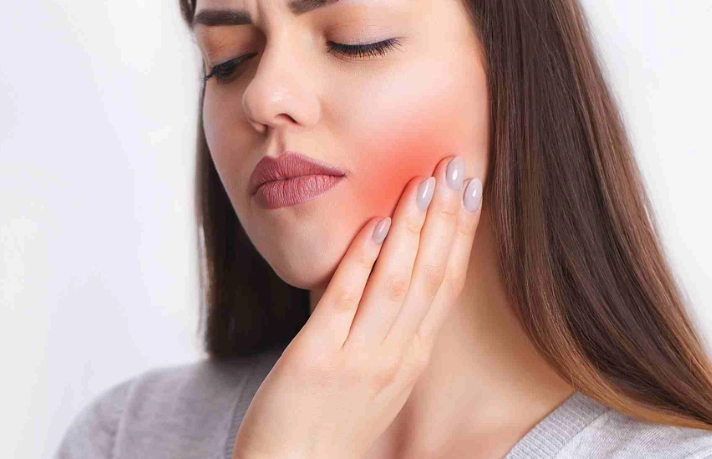
Understanding the Enemy: What's Causing This Pain?
To truly answer what you can do for unbearable tooth pain, you need to know what you're fighting. Different causes need different solutions. Here’s a breakdown of the usual suspects.
- Tooth Decay (Cavity): Bacteria eat through your enamel into the softer dentin. When it gets close to or reaches the pulp (the living nerve center), you get pain, often triggered by sweet, hot, or cold.
- Abscess: This is a bacterial infection at the root tip or in the gums. It's often the source of severe, constant, throbbing pain that might feel like it's coming from your jaw or even your ear. You may have swelling, a pimple-like bump on the gum, a bad taste, or even a fever.
- Cracked or Fractured Tooth: A crack can be tiny but deep, allowing stimuli to hit the nerve. Pain is usually sharp when biting down and then releasing. It can be notoriously hard to diagnose, even on an X-ray sometimes.
- Damaged Filling or Crown: A loose or broken restoration leaves the vulnerable tooth underneath exposed. It can also create a gap where bacteria party.
- Gum Disease (Periodontitis): Advanced gum disease can cause the gums to recede, exposing tooth roots which are super sensitive. It can also lead to infections in the gum pockets.
- Impacted Wisdom Tooth: A tooth trapped under the gum can cause immense pressure and pain, often felt in the back of the jaw. The gum over it can become infected (pericoronitis).
See, the "what can I do" question splits here. For a cavity, you need a filling. For an abscess, you likely need a root canal or extraction. Home remedies are just band-aids. Which brings us to the most critical part.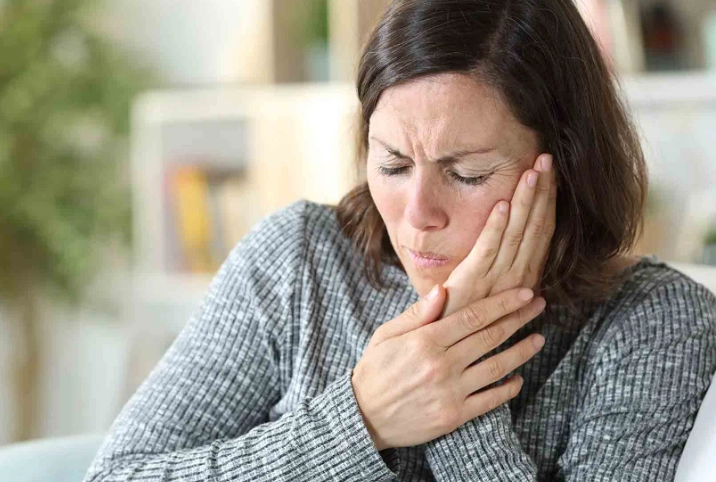
The Tipping Point: When Home Care Isn't Enough
This is the line in the sand. How do you know when you've moved from "manageable discomfort" to "need professional help now"? Here are the red flags that mean stop searching for home fixes and start calling dentists.
- Pain lasting more than 1-2 days. This isn't going away on its own.
- Significant swelling in your cheek, jaw, or gums. This is a sign of infection spreading.
- Fever, earache, or pain when you open your mouth wide.
- Swollen lymph nodes under your jaw or in your neck. Your immune system is fighting hard.
- Pus or a foul taste in your mouth. Clear sign of an active infection.
- Difficulty breathing or swallowing. EMERGENCY—go to the ER.
Look, I know the temptation to wait. Dental visits can be expensive, anxiety-inducing, or just inconvenient. But an untreated dental infection is no joke. It can spread to your jawbone (osteomyelitis), your sinuses, or even into your bloodstream (sepsis), which is life-threatening. The cost and complexity of treatment only go up the longer you wait. A simple filling can turn into a root canal. A root canal can turn into an extraction and an implant.
Navigating the Professional Solution: What the Dentist Will Do
Okay, you've made the call. You're going in. What can you expect? Knowing this demystifies the process and can ease some anxiety. The dentist's goal is to 1) Diagnose the exact cause and 2) Provide the appropriate treatment to eliminate the pain source.
The Diagnosis Process
They'll ask about your pain history (that mental check we did earlier is useful!). They'll visually examine your mouth, tap on teeth (percussion test), use a cold spray to see which tooth reacts, and almost certainly take an X-ray. The X-ray is key—it shows decay between teeth, the health of the bone around the roots, and the presence of an abscess.
Common Dental Procedures for Severe Pain
- Drainage: If there's an abscess with visible swelling, the dentist may need to make a small incision to drain the pus. The relief from pressure is often immediate and dramatic.
- Root Canal Therapy: This is the treatment for an infected or irreversibly inflamed tooth pulp. Contrary to its scary reputation, a modern root canal is no more uncomfortable than getting a filling. The dentist removes the infected nerve tissue, cleans and disinfects the inside canals, then seals them. The tooth is usually capped with a crown for strength. It saves your natural tooth.
- Tooth Extraction: This is the last resort if the tooth is too damaged to save (severe fracture, massive decay). The tooth is removed under local anesthesia. You'll discuss replacement options like bridges or implants later.
- Pulp Capping or New Filling: For a deep cavity that hasn't yet reached the nerve, a special medicated dressing might be placed to soothe the nerve, followed by a permanent filling.
- Prescription Medications: For a significant infection (abscess), you will likely be prescribed a course of antibiotics to kill the bacteria. You'll also get stronger pain medication if needed. Important: Antibiotics treat the spreading infection, but they do NOT fix the tooth. You must complete the dental procedure (root canal or extraction) as planned.
So, when you're wondering what can I do for unbearable tooth pain in the long term, the professional treatment is the definitive answer. The home remedies are the bridge to get you there.
The Money and Access Question
Let's address the elephant in the room. "I can't afford a dentist right now." It's a huge, valid concern. Ignoring it doesn't help. Here are some concrete paths to explore.
- Dental Schools: Dental schools often have clinics where supervised students provide care at a significantly reduced cost. The appointments are longer, but the work is checked meticulously by experienced faculty. Search for "[Your City] dental school clinic."
- Community Health Centers (FQHCs): Federally Qualified Health Centers have dental clinics that operate on a sliding fee scale based on your income. They are a lifeline for many.
- Payment Plans: Many private dental offices offer in-house payment plans or work with third-party medical credit companies like CareCredit. Ask before you rule them out.
- State and Local Dental Societies: These organizations sometimes have lists of resources or programs for low-income or emergency dental care.
It's frustrating that dental care is often separate from medical insurance and so costly. But the cost of an emergency room visit for a dental infection—where they'll usually just give you antibiotics and painkillers and tell you to see a dentist—is often even higher. Exploring the options above is almost always the more economical choice.
Prevention: So You Never Have to Ask This Question Again
The ultimate answer to "what can I do for unbearable tooth pain?" is to prevent it from happening in the first place. It sounds obvious, but it's worth reiterating with a solid plan.
The Non-Negotiable Basics
Brush twice daily with fluoride toothpaste. Floss once a day—not just to get food out, but to disrupt the plaque biofilm between teeth that brushing misses. Use a fluoride mouthwash if your dentist recommends it. These actions prevent the cavities and gum disease that lead to most major problems.
The Role of Your Dental Check-Up
Seeing your dentist every six months (or as they recommend) isn't a scam. It's preventive maintenance. They catch a tiny cavity on an X-ray before it becomes a big, painful one. They spot a cracked filling before it falls out and causes an emergency. A professional cleaning removes hardened tartar that you can't brush away, protecting your gums. Think of it like changing the oil in your car to avoid a blown engine.
Lifestyle Factors
Limit sugary and acidic drinks and snacks. If you grind your teeth at night (bruxism), a custom night guard from your dentist can prevent cracks and wear. Don't use your teeth as tools to open packages! Wear a mouthguard during contact sports.
Frequently Asked Questions (The Stuff You're Secretly Wondering)
Putting It All Together: Your Action Plan Flowchart
Let's wrap this up with a simple mental flowchart for the next time pain hits (or for right now).
- Assess Severity: Swelling? Fever? Trouble breathing? -> Go to ER/Urgent Care.
- Immediate First Aid: Rinse gently, floss carefully, apply a cold pack to cheek, take OTC pain reliever as directed, prop yourself up.
- Deploy Home Remedies: Use saltwater rinses, consider a tiny dab of diluted clove oil for localized numbing, avoid trigger foods.
- Monitor & Decide: Does pain persist for more than a day? Are any red flags appearing? -> YES = Call a dentist immediately.
- Seek Professional Diagnosis: Let the dentist examine and X-ray to find the root cause (pun intended).
- Follow Through on Treatment: Whether it's a filling, root canal, or extraction, complete the recommended procedure to solve the problem permanently.
- Commit to Prevention: After recovery, double down on hygiene and regular check-ups to avoid a repeat performance.
So, what can you do for unbearable tooth pain? You now have a complete roadmap. You start with calm, immediate steps to manage the crisis. You use sensible home remedies as a temporary bridge. But you also know the critical signs that tell you the bridge has ended, and it's time for professional help—the only thing that will actually fix the problem. And you have a plan to prevent the whole cycle from starting again.
The pain you're feeling is a signal, a very loud one. Listen to it. Take the first step now, even if it's just a saltwater rinse and making a list of dentists to call in the morning. You've got this.