You're missing a tooth. You've done some reading, and you know two main options keep coming up: a dental bridge or a dental implant. The first question that pops into your head, naturally, is about money. "Is a bridge cheaper than an implant?"
The short, textbook answer is yes, if you only look at the initial bill. But if you stop there, you might make a decision you'll regret in five, ten, or twenty years. I've seen it happen in my practice. Patients choose the bridge because the upfront price tag is lower, only to face a cascade of other expenses and procedures down the line.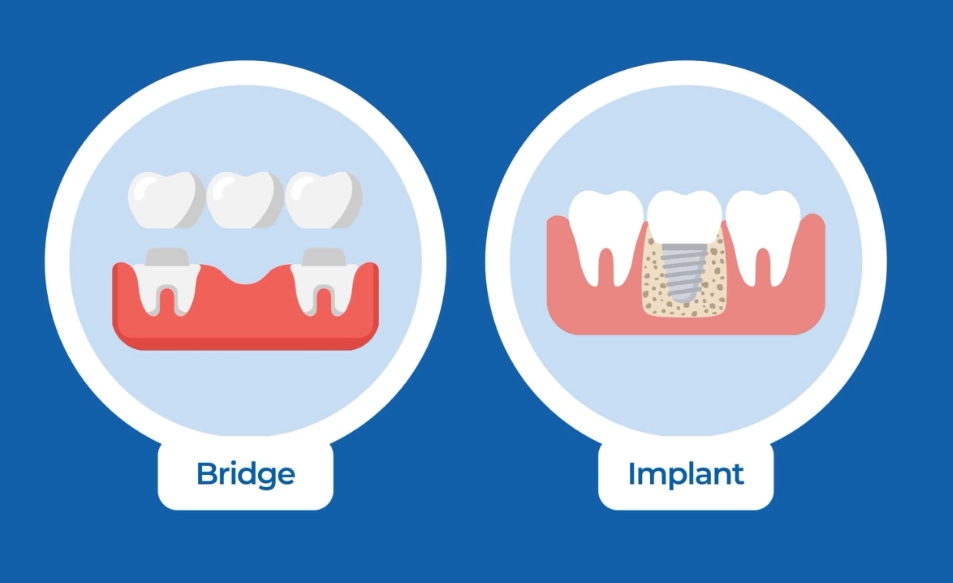
The real question isn't just about today's price. It's about total lifetime cost, health impact, and long-term value. Let's peel back the layers on this.
What You'll Learn in This Guide
How Much Does Each Procedure Really Cost?
Let's get the numbers on the table first. These are average national estimates. Your cost in Austin, Texas will differ from someone in Portland, Maine, based on the dentist's expertise, lab fees, and material choices.
| Cost Component | Traditional Dental Bridge (for one missing tooth) | Dental Implant (for one missing tooth) |
|---|---|---|
| Core Procedure | Preparation of two adjacent teeth (abutments), impressions, fabrication, and placement of the 3-unit bridge. | Surgical placement of the titanium implant post into the jawbone. |
| Average Cost Range | $2,500 - $5,000 | $3,000 - $6,000 |
| Additional Common Costs |
|
|
| Typical Total Out-of-Pocket | $3,000 - $7,500+ | $4,500 - $9,500+ |
See the range? On day one, a bridge can be less expensive, sometimes by $1,500 to $2,000. That's real money. It's why the bridge gets the "cheaper" label. But this snapshot is dangerously incomplete. It ignores what happens next.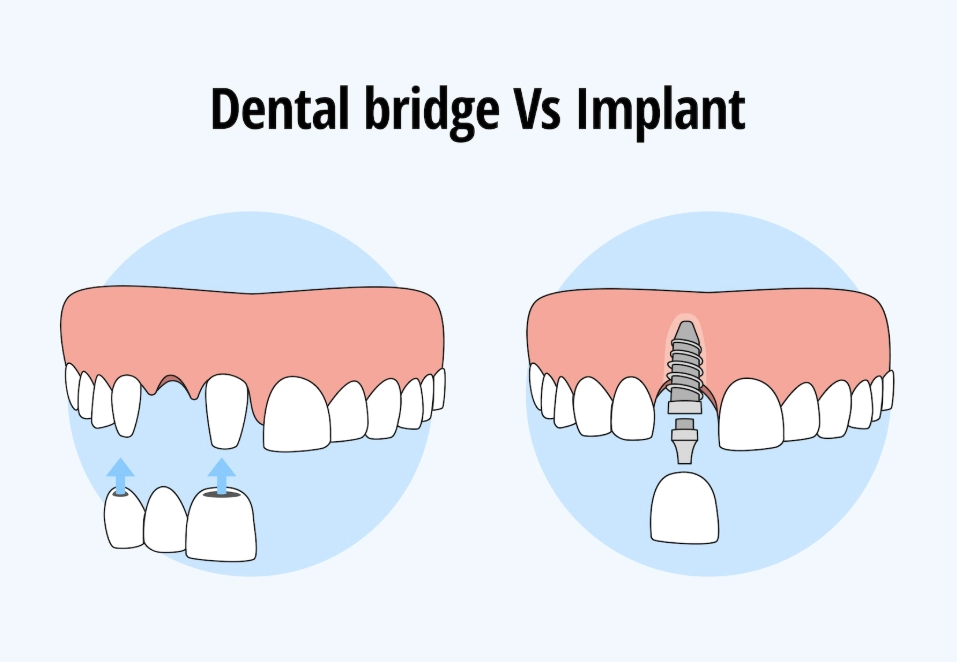
A Common Mistake: Many patients (and some dentists) compare the cost of a single implant crown to a 3-unit bridge. That's not apples-to-apples. You must compare the cost of replacing one missing tooth. For a bridge, that inherently involves three crowns and potentially altering two healthy teeth.
The Long-Term Financial Picture: Maintenance and Replacement
This is where the math flips. A dental implant, once integrated, is designed to last decades, potentially a lifetime. The American Academy of Implant Dentistry notes that implants have a success rate of over 95% over 10 years. The crown on top may need replacement due to wear and tear every 10-15 years, costing another $1,000-$2,000.
A dental bridge has a different lifecycle. The American Dental Association suggests the average lifespan of a bridge is 7-15 years. Why? It's a trio of crowns glued together. If one of the supporting teeth gets a cavity at the gumline (a common failure point), the entire bridge is compromised. You're not just fixing a cavity; you're replacing the whole unit.
Let's run a 20-year scenario for a patient with good oral hygiene:
- Implant Path: Initial cost: $6,000. Crown replacement at year 15: $1,500. Total: ~$7,500.
- Bridge Path: Initial cost: $4,500. Bridge replacement at year 12: $5,000 (adjusted for inflation). Total: ~$9,500. And this assumes the supporting teeth remain perfectly healthy, which is a big if.
Suddenly, the "cheaper" option isn't looking so cheap.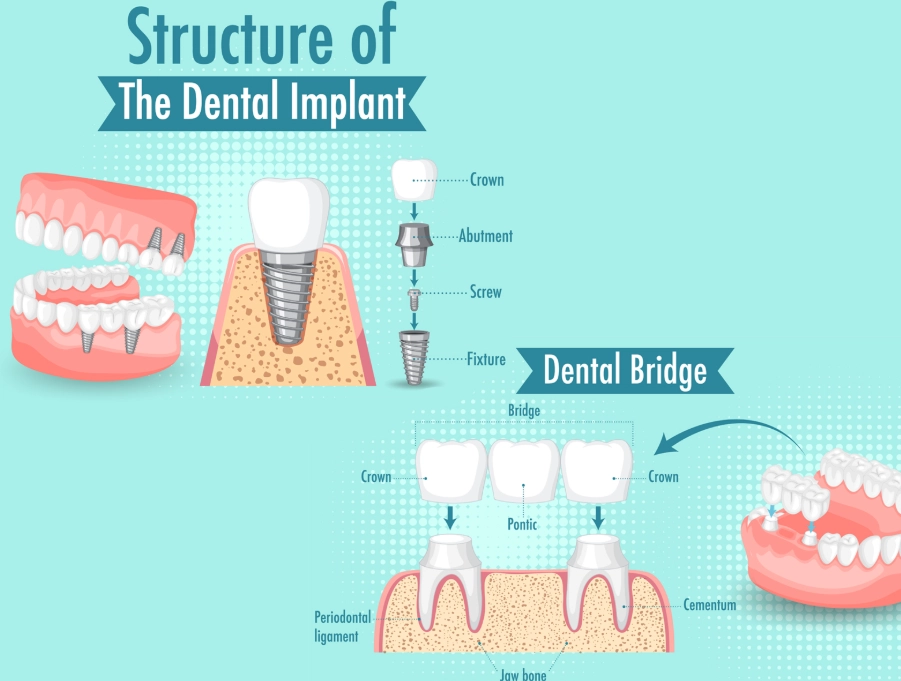
The Insurance Wildcard
Dental insurance often complicates this. Many plans have a "missing tooth clause," meaning they won't cover an implant for a tooth lost before your coverage started. They might cover a bridge at 50% because it's considered a basic procedure, while an implant crown might be covered at 50% of a crown's cost, but the surgical implant part is often excluded or has low coverage.
This can make the bridge's out-of-pocket cost seem dramatically lower. But don't let insurance dictate your long-term health. It's a one-year contract, not a healthcare strategy.
The Hidden "Health Costs" Nobody Talks About
Money isn't everything. The cost to your oral health is where the gap between bridges and implants becomes a chasm.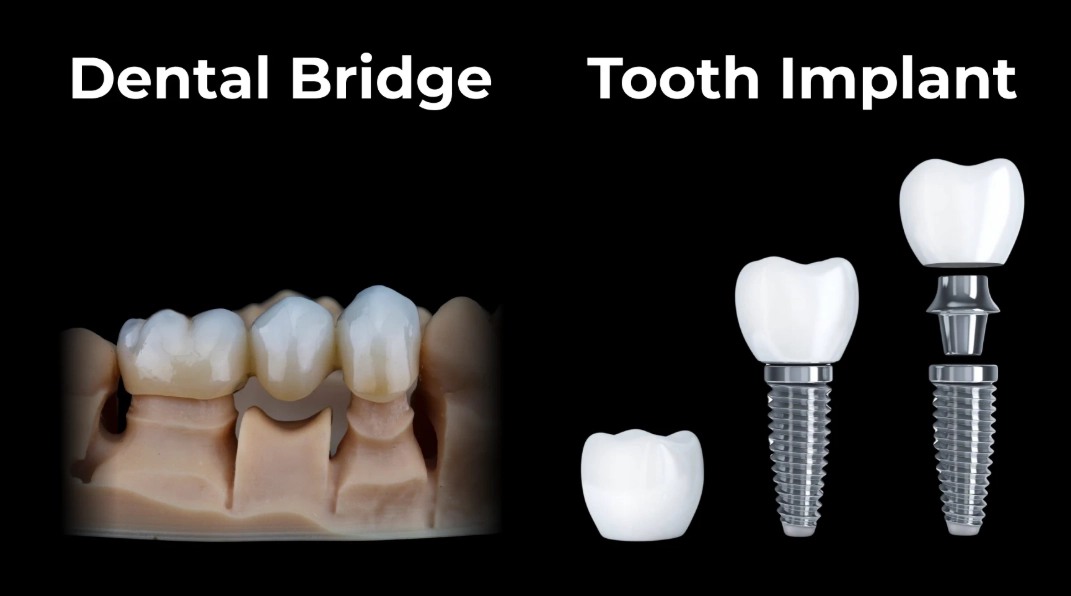
The Jawbone Factor: This is the most critical non-financial cost. When you lose a tooth, the jawbone beneath it begins to resorb (shrink) because it's no longer stimulated by chewing forces. A bridge sits on top of the gums, doing nothing to stop this bone loss. An implant acts like a natural tooth root, preserving the bone and your facial structure. Over 20 years, that bone loss under a bridge can cause the adjacent teeth to loosen and create a sunken facial appearance.
Then there's the issue of the adjacent teeth. To place a bridge, we have to shave down two perfectly healthy teeth. We're turning them into pillars. We've now committed those teeth to a lifetime of being crowned. If one of those teeth had a large, old filling, it might be a good candidate. But if they are virgin, healthy teeth, we're doing irreversible damage to solve a problem next door.
Hygiene is another headache. Flossing under a bridge requires a threader or a special water flosser. It's more cumbersome, and if it's not done meticulously, plaque builds up where the fake tooth meets the gums and around the crowned teeth, leading to decay and gum disease.
Making Your Decision: A Practical Framework
So, is a bridge cheaper than an implant? On Day 1, usually. Over a lifetime, rarely. Here’s how to think about your choice.
Consider a Bridge If:
- The teeth on either side of the gap already have large fillings or crowns and would benefit from being covered.
- Budget is an immediate, severe constraint and financing an implant isn't possible.
- You have significant health issues that make surgery risky.
- The missing tooth is in a low-stress area (like a front tooth that doesn't take heavy chewing forces).
- You need a solution fast (a bridge can be done in 2-3 weeks; an implant takes 3-6 months minimum).
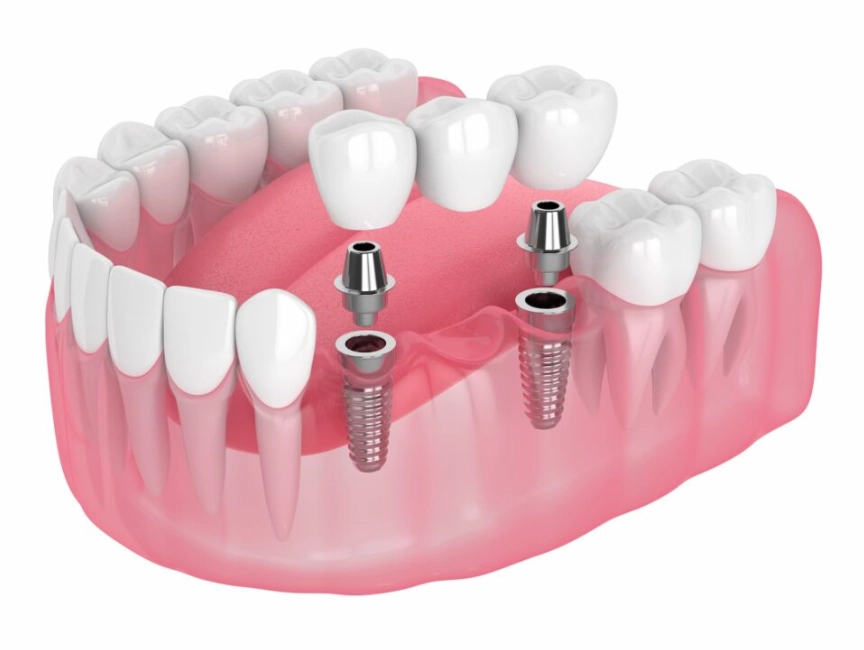
Lean Towards an Implant If:
- The teeth adjacent to the gap are completely healthy and untouched.
- You are in good general and oral health.
- You're thinking long-term (10+ years).
- Preserving your jawbone and facial structure is important to you.
- You want the simplest hygiene routine (you can floss an implant just like a natural tooth).
- You're missing a back tooth (molar) that handles significant chewing force.
My personal, non-consensus take? We are too quick to recommend bridges because the process is familiar and fast. The trend in modern dentistry is toward minimally invasive, tooth-preserving treatments. Placing a bridge on two healthy teeth is the opposite of that. Sometimes, if finances are tight, a temporary partial denture while you save for an implant is a smarter health strategy than committing to a permanent bridge.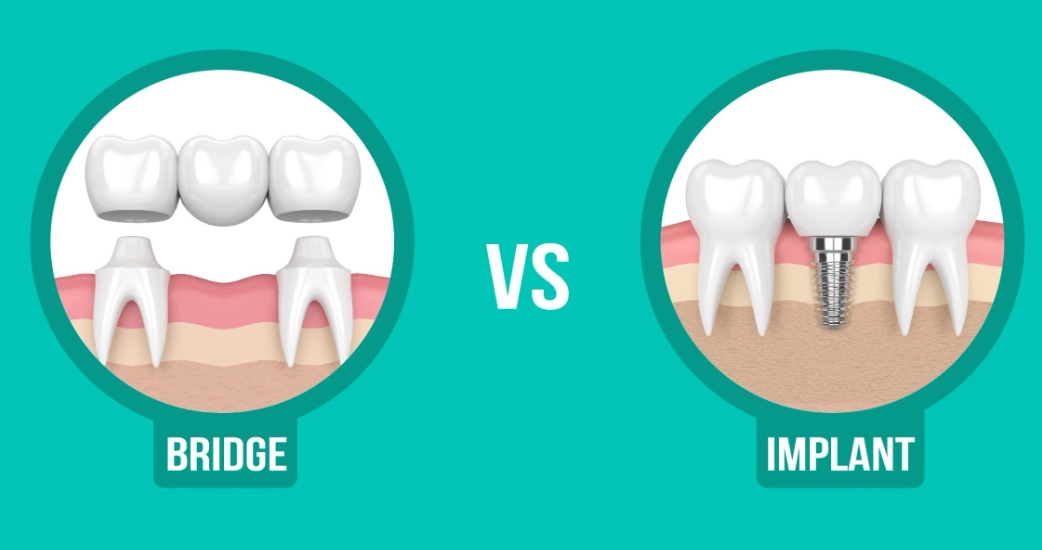
Your Questions, Answered Honestly
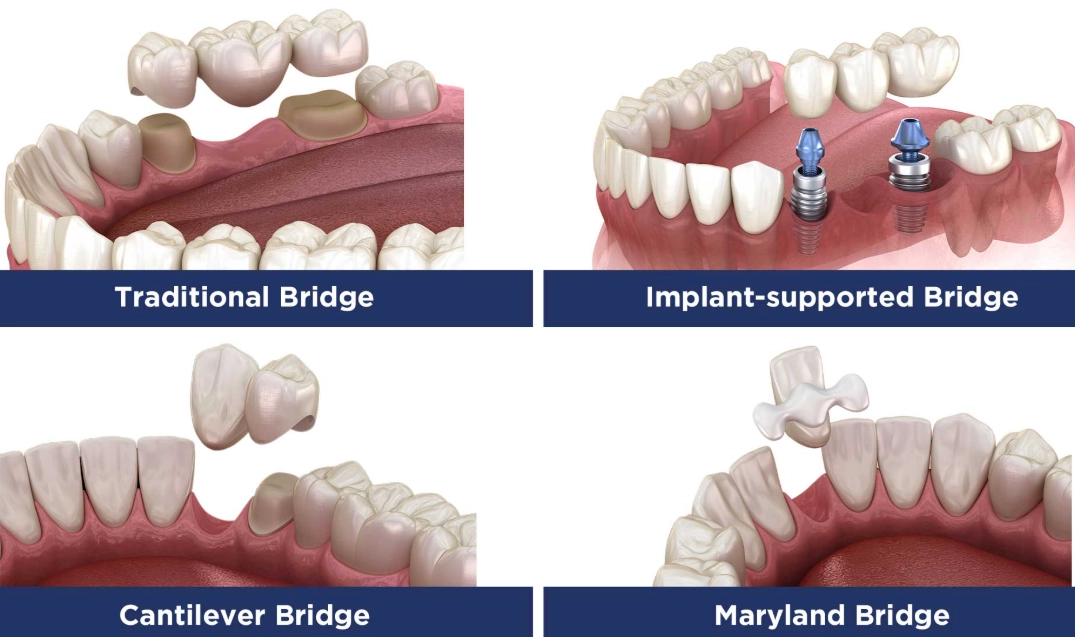 My insurance won't cover an implant. Should I just get the bridge they'll pay for?
The final word? "Is a bridge cheaper than an implant?" is the right first question, but it can't be the last. Ask about the 15-year forecast. Ask about the health of your other teeth. Weigh the initial savings against the long-term investment. Your future smile will thank you for looking beyond the first line of the estimate.