In This Guide
- So, What Exactly Are These "Mouth Stones"?
- Why Me? The Root Causes of Tonsil Stones
- How Do You Know You Have Them? Recognizing the Symptoms
- Getting a Proper Diagnosis: Is It Really a Tonsil Stone?
- The Big Question: How to Get Rid of Mouth Stones
- Comparing Your Removal Options
- Stopping Them Before They Start: Prevention is Key
- Can Mouth Stones Cause Serious Problems?
- Your Mouth Stones Questions, Answered
Let's be honest, finding a weird, chalky lump in your mouth after a cough can be pretty alarming. You're not sure what it is, it smells... unfortunate, and suddenly you're down an internet rabbit hole. If that sounds familiar, you've likely met the notorious "mouth stones," or as your dentist would call them, tonsilloliths or tonsil stones. They're more common than you think, and frankly, they're a nuisance for millions.
I remember the first time I coughed one up. I thought a piece of my tooth had broken off! It was only after some frantic searching (and yes, a hesitant sniff) that I realized what it was. That started my own journey to understand these pesky little things. This guide is everything I wish I'd known back then. We're going to cut through the noise and talk plainly about what mouth stones are, why they happen, how to safely deal with them, and most importantly, how to stop them from coming back. No scare tactics, just clear, practical information.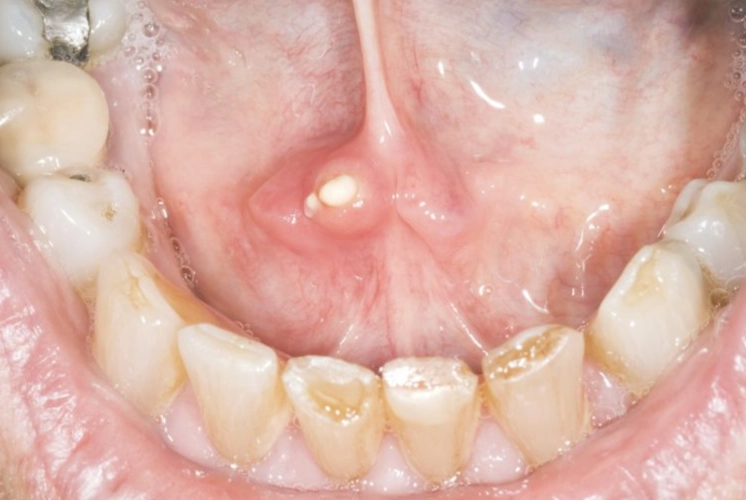
So, What Exactly Are These "Mouth Stones"?
Okay, let's start with the basics. Your tonsils aren't smooth lumps. They're full of nooks, crannies, and pockets called "crypts." Think of them like tiny caves. Now, imagine all the stuff that goes on in your mouth: food particles, bacteria, dead cells from your mouth lining, mucus. Some of this debris can get trapped in those tonsil crypts.
Over time, this trapped material gets concentrated. Bacteria start to break it down (this is the smelly part), and minerals from your saliva, like calcium, can harden around it. The result? A small, whitish, yellowish, or even greyish lump that ranges from the size of a grain of rice to, in rare cases, a large grape. That's your classic tonsil stone.
They're not truly "stones" like kidney stones, but the calcification gives them a hard, stone-like feel. The medical term is tonsillolith. And while they most commonly form on the palatine tonsils (the ones you can see at the back of your throat), they can occasionally form in other lymphoid tissue in the throat.
Why Me? The Root Causes of Tonsil Stones
This is the question everyone asks. It feels random, but there are specific factors that make some people more prone to developing these mouth stones than others. It's rarely just one thing—it's usually a combination.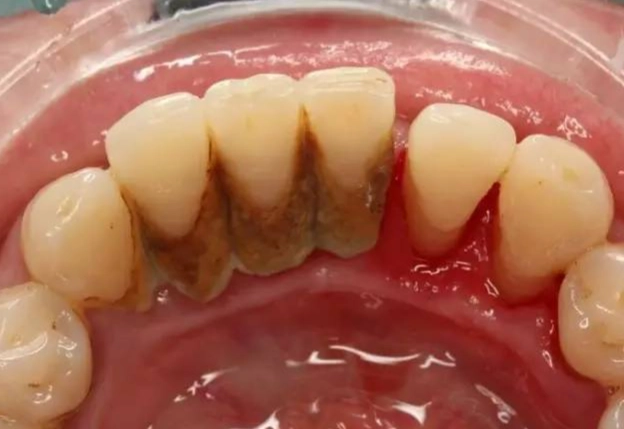
The Main Culprits
First, you need the right... landscape. People with naturally deep or large tonsil crypts have more space for debris to get lodged. It's just the luck of the draw. If your tonsils have a lot of folds, you're more susceptible.
Then comes the fuel: chronic tonsillitis or recurrent throat infections. Every time your tonsils get inflamed and swollen, the crypts can enlarge and scar, making them even better at trapping things. It's a vicious cycle.
And we can't ignore oral hygiene. I'm not saying everyone with mouth stones has poor hygiene—far from it. But a mouth that harbors more bacteria (from plaque buildup, food debris, or infrequent cleaning) provides more raw material for stones to form. Post-nasal drip from allergies or sinus issues is another big contributor, as the constant mucus can feed the bacteria in the crypts.
Diet might play a smaller role. Some people anecdotally report more issues with dairy or sugary foods, which can increase mucus production or feed certain bacteria. Dry mouth (xerostomia) is also a key player. Saliva helps flush out debris naturally. If you don't produce enough—maybe due to medication, dehydration, or mouth breathing—debris sticks around longer and hardens more easily.
How Do You Know You Have Them? Recognizing the Symptoms
Sometimes, mouth stones are silent passengers. You might only discover them when you cough one up. But often, your body gives you clues. The symptoms can range from mildly annoying to significantly bothersome.
The most infamous symptom is persistent bad breath (halitosis) that just won't go away with brushing, flossing, or mouthwash. This is because the stones are packed with volatile sulfur compounds produced by bacteria—the same compounds that make rotten eggs smell. No amount of mint will mask it for long if the source is still sitting in your tonsil.
Then there's the physical sensation. A feeling of something stuck in the back of your throat. A constant tickle, or the need to clear your throat. It can feel like a popcorn kernel is lodged back there. You might even have a metallic taste in your mouth.
Other symptoms can include a sore throat, especially if a larger stone is irritating the tissue, or difficulty swallowing. In very rare cases where stones get quite large, they might even cause an earache on that side (referred pain) or visible white spots on the tonsils. If you look in the mirror, say "ahh," and see little white or yellow protrusions from your tonsils, those are likely visible tonsil stones.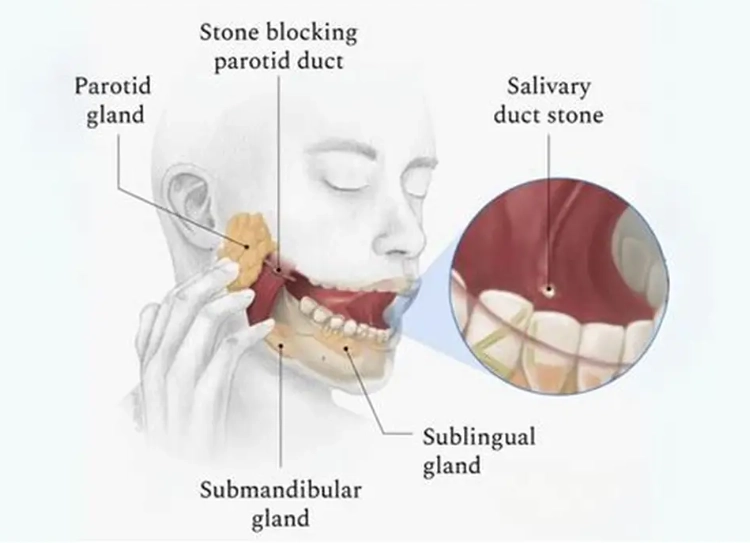
Getting a Proper Diagnosis: Is It Really a Tonsil Stone?
Most of the time, you can self-diagnose based on the symptoms and seeing the stones. But it's always smart to get a professional opinion, especially if you're experiencing pain, significant swelling, or if the stones keep coming back aggressively.
Your first stop should be a dentist or a doctor (GP). They can do a simple visual exam of your throat. Sometimes they might press on your tonsil with a tongue depressor and a stone will pop out. They can distinguish mouth stones from other conditions like strep throat (which has a different pattern of white patches), tonsillitis, or, in extremely rare cases, something more serious.
If the stones are very deep or there's concern about the structure of your tonsils, an ENT specialist (Otolaryngologist) might get involved. They have tiny cameras to get a better look. In almost all cases, no fancy scans like X-rays or CTs are needed—they're usually an incidental finding on scans done for other reasons. The American Academy of Otolaryngology–Head and Neck Surgery provides excellent resources on tonsil health, which you can find on their official site here.
The Big Question: How to Get Rid of Mouth Stones
This is the part everyone scrolls for. Removal methods fall into two main categories: things you can try at home (with caution!) and procedures done by a professional. Let's break them down, from gentle to more intensive.
At-Home Removal Methods (Proceed with Care)
I have to put a giant disclaimer here: Be very gentle. The tissue in your throat is delicate. Poking and prodding aggressively can cause bleeding, infection, or actually push debris deeper. If you're unsure, don't do it.
- Gentle Gargling: Your first and safest line of defense. Warm salt water is a classic for a reason—it can soothe irritation, help dislodge small stones, and reduce bacteria. Gargle vigorously for 30 seconds, 2-3 times a day. Some people swear by alcohol-free mouthwashes with chlorine dioxide, which targets sulfur compounds.
- The Cough Method: Sometimes, a strong, deliberate cough is all it takes to pop a superficial stone loose. It's worth a try before you bring in any tools.
- Cotton Swab or Finger: With clean hands (and short nails!), you can sometimes gently press on the tissue around the stone (the pillar of the tonsil) to coax it out. I've tried this method myself, and while it works, the gag reflex is real—fair warning. A moistened cotton swab might give you a bit more precision.
- Oral Irrigators (Water Flossers): This is a popular and often effective method. Use a water flosser (like a Waterpik) on the lowest possible setting. Don't use the pointed tip; use the gentler one. Aim the stream of water at the tonsil crypts from a bit of a distance to flush out debris. Don't blast it directly into a crypt, as the pressure could damage tissue. The American Dental Association's guidelines on oral irrigators are a good reference for safe use.
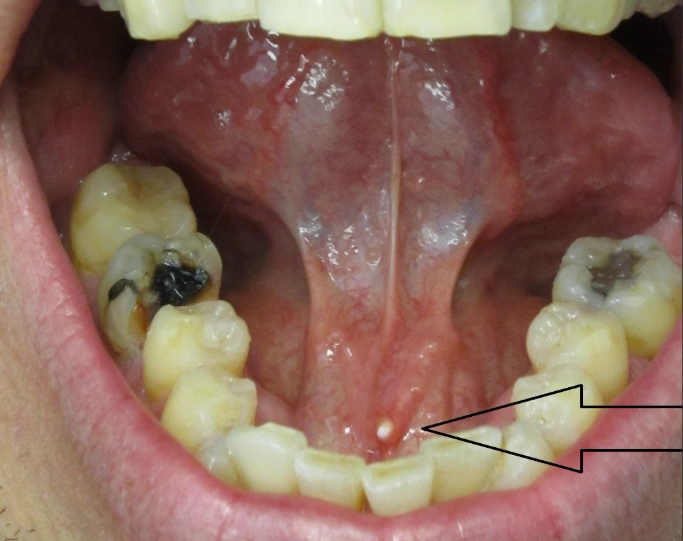
Professional Medical Treatments
When home care isn't enough, or the stones are too large/deep, it's time to see a pro.
- In-Office Removal: A doctor or ENT can quickly and safely remove visible stones using specialized tools in a sterile environment. This is instant relief.
- Laser Resurfacing (Cryptolysis): This is a cool procedure. A laser is used to smooth out and seal the deep crypts where the stones form. It's less invasive than full removal, often done with local anesthesia, and recovery is quicker. It doesn't remove the tonsil, just the problem areas.
- Coblation Cryptolysis: Similar idea to laser, but uses radiofrequency energy to remove tissue. It's another option for shrinking the crypts.
- Tonsillectomy: The nuclear option. This is the surgical removal of the tonsils. It's typically only recommended for severe, debilitating cases where stones are massive, frequent, and causing serious infections or quality-of-life issues. The recovery from a tonsillectomy as an adult is notoriously rough, so it's a last resort. The decision for this should involve a detailed discussion with an ENT specialist, weighing the risks and benefits. Information on this procedure from a reputable source like the UK's National Health Service (NHS) can provide a balanced view.
Comparing Your Removal Options
| Method | Best For | Pros | Cons / Risks |
|---|---|---|---|
| Salt Water Gargle | Small stones, daily maintenance, soothing irritation. | Extremely safe, cheap, easy, reduces bacteria. | May not remove established stones. |
| Oral Irrigator (Low Pressure) | Flushing out debris from crypts. | Effective for many, non-invasive, good for prevention. | Can cause gagging; improper use may injure tissue. |
| In-Office Manual Removal | Large, visible, or stubborn stones. | Immediate, complete removal by a professional. | Requires a doctor's visit; stones may recur. |
| Laser/Coblation Cryptolysis | Recurrent stones from deep crypts. | Targets root cause (crypts), minimal recovery. | Cost, requires a specialist; not always covered by insurance. |
| Tonsillectomy | Severe, chronic cases with infections. | Permanent solution. | Major surgery with painful recovery; risks of surgery. |
Stopping Them Before They Start: Prevention is Key
Managing mouth stones is often more about consistent prevention than dramatic removal. You need to change the environment that lets them form.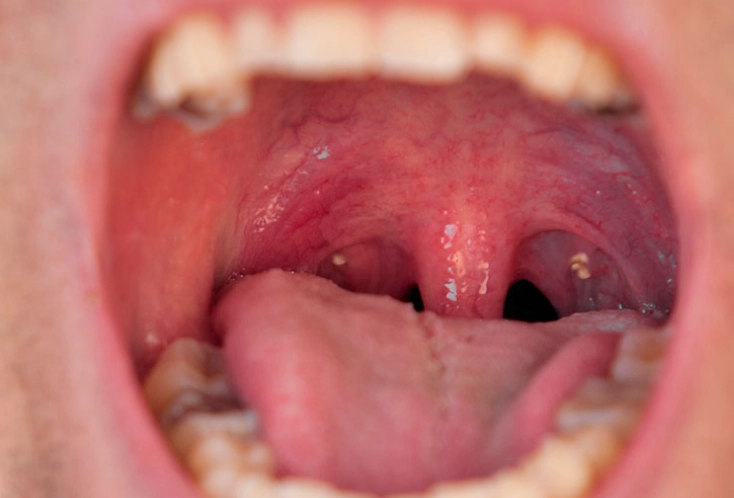
- Hydrate, Hydrate, Hydrate: Drink plenty of water throughout the day. This keeps saliva flowing and flushes away particles.
- Up Your Oral Hygiene Game: Brush twice a day, floss daily, and don't forget to gently brush your tongue—it's a bacteria haven. An antiseptic or chlorine dioxide mouthwash can help reduce bacterial load.
- Make Gargling a Habit: A nightly gargle with warm salt water or an alcohol-free mouthwash can clear out the day's debris from your tonsil crypts.
- Manage Allergies and Post-Nasal Drip: If allergies are a trigger, work with your doctor to manage them. Less drip means less food for bacteria.
- Consider Diet Tweaks: Some find reducing dairy or sugary foods helps. It's not a guaranteed fix, but it's worth experimenting.
- Address Dry Mouth: If medications cause dry mouth, talk to your doctor. Sugar-free lozenges or gums with xylitol can stimulate saliva.
It's about building a routine. You wouldn't expect to clean your house once and have it stay clean forever. Your mouth is the same—it needs regular, gentle maintenance.
Can Mouth Stones Cause Serious Problems?
For most people, tonsil stones are a benign nuisance. The primary complications are social (the halitosis) and the discomfort of the sensation.
However, in uncommon situations, they can lead to issues. A very large stone can cause significant tonsil swelling, difficulty swallowing, or even obstruct airflow (extremely rare). If the area around a stone becomes severely infected, it can lead to a peritonsillar abscess—a painful, pus-filled collection that needs urgent medical drainage. This is why pushing stones deeper or being rough is a bad idea; you can introduce more bacteria.
The chronic inflammation from recurrent stones and associated bacteria might theoretically contribute to ongoing tonsillitis, but the stones are often more a symptom of problematic tonsils than the sole cause.
Your Mouth Stones Questions, Answered
Let's tackle some of the specific questions people type into Google every day.
Are mouth stones contagious?
No. You cannot "catch" tonsil stones from someone else. They form from your own oral debris and bacteria in the unique landscape of your own tonsils.
Why do they smell so bad?
The bacteria trapped in the stone (often anaerobic bacteria) produce volatile sulfur compounds (VSCs) like hydrogen sulfide as they break down the organic matter. These are the same compounds found in rotten eggs and sewage. It's a potent, distinctive odor.
Can children get tonsil stones?
Yes, they can, especially if they have large tonsils with crypts. It's less common than in adults, but it happens. The same gentle approaches apply, but be even more cautious with at-home removal in kids.
I don't have tonsils. Can I still get them?
If you've had a complete tonsillectomy, it's very unlikely, as the primary site is gone. However, similar lymphoid tissue in the throat (lingual tonsils, adenoid tissue) can rarely develop similar concretions, but these aren't technically "tonsil" stones.
Do I need antibiotics?
Almost never. Mouth stones themselves are not a bacterial infection that requires antibiotics. Antibiotics target bacteria but don't remove the physical stone or change the structure of the crypt. They might be prescribed if there's a concurrent bacterial tonsillitis, but not for the stones alone. Overuse of antibiotics is a serious global health concern, as noted by resources like the World Health Organization (WHO).
Will popping them out make more form?
Removing a stone doesn't cause new ones to form. However, if you don't address the underlying cause (the deep crypt that trapped it), that same crypt is likely to collect debris again over time. Removal is just symptom management; prevention is about changing the environment.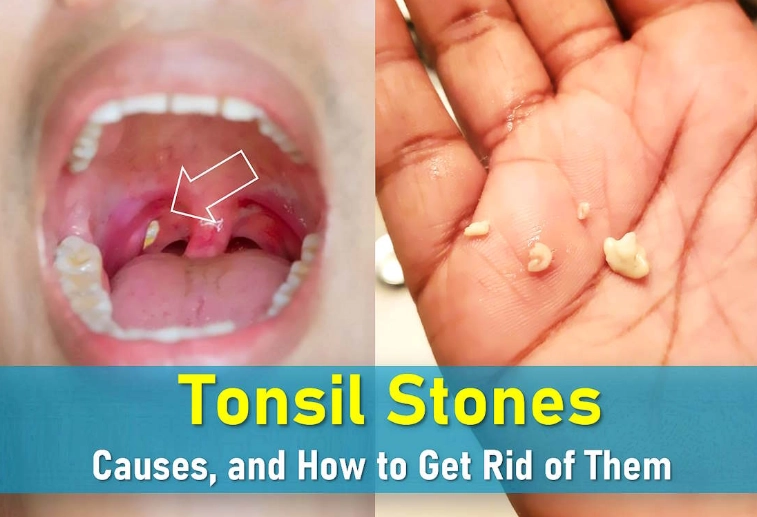
Look, dealing with mouth stones can feel like a weird, embarrassing problem. But it's incredibly common. The key is to approach it with a mix of gentle, consistent hygiene and a dose of common sense. Start with the salt water gargles and good hydration. If that doesn't control it, consider a low-pressure water flosser. And if they're really impacting your life, have a chat with your dentist or doctor. There are solutions, from simple in-office removal to procedures that smooth out the problem areas for good.
Don't let it stress you out. Think of it as just another part of taking care of your body—like skincare, but for your throat. Pay a little attention, establish a simple routine, and you can usually keep these pesky mouth stones under control and get back to not thinking about the back of your throat all the time.