You brush, you floss, you scrape your tongue. You might even use a strong mouthwash that leaves your mouth feeling sterile. Yet, that faint, lingering odor on your breath comes creeping back a few hours later. It's frustrating, and it can knock your confidence. What if I told you the problem isn't that your mouth isn't clean enough, but that its ecosystem is out of balance? The real frontier in fighting chronic bad breath (halitosis) isn't about killing all bacteria—it's about cultivating the right ones. That's where oral probiotics come in.
Most breath mints and alcohol-based rinses are like using a bomb to clear weeds. They wipe out everything, good and bad, but the "bad" weeds (odor-producing bacteria like Porphyromonas gingivalis and Fusobacterium nucleatum) often grow back faster. Probiotics are the strategic gardeners, introducing beneficial bacteria that crowd out the troublemakers and restore a healthy, neutral-smelling oral microbiome.
What You'll Find in This Guide
The Real Science: How Probiotics Fight Bad Breath
Bad breath primarily originates in the mouth, not the stomach. The back of your tongue, tonsils, and gum pockets are prime real estate for anaerobic bacteria that feast on proteins from food debris and dead cells. Their waste products are volatile sulfur compounds (VSCs)—things like hydrogen sulfide (smells like rotten eggs) and methyl mercaptan (smells like rotten cabbage).
Probiotics work through a few clever mechanisms:
- Competitive Exclusion: They physically take up space on the mucosal surfaces, forming a protective biofilm that leaves less room for odor-causing bacteria to attach and colonize.
- Pathogen Inhibition: Some strains, like Streptococcus salivarius K12, produce natural antibacterial compounds called bacteriocins that directly inhibit the growth of smelly pathogens.
- Neutralizing the Smelly Stuff: Beneficial bacteria can metabolize the precursors to VSCs or alter the mouth's pH, making it less hospitable for the bacteria that produce them.
A study published in the Journal of Applied Microbiology found that a specific probiotic lozenge significantly reduced levels of hydrogen sulfide in participants' breath. It's not magic; it's microbial management.
Key Insight: The goal isn't a bacteria-free mouth. That's impossible and unhealthy. The goal is a balanced oral microbiome where "good" bacteria keep the odor-producing ones in check. Probiotics help you build that balance from the top down.
Choosing the Right Probiotic: It's All About the Strain
This is where most people go wrong. Not all probiotics are created equal. Swallowing a general digestive probiotic capsule might help your gut, but it does little for your breath. The bacteria need to be strains that are naturally found in and can colonize the oral cavity.
Look for these specific strains on the label. They have the most research behind them for oral health:
- Streptococcus salivarius K12 & M18: The gold standard. K12 is a superstar for crowding out strep and other bacteria, often linked to throat and tonsil-related odor. M18 is particularly noted for supporting gum health and pH balance.
- Lactobacillus reuteri: Shown to reduce gum inflammation (gingivitis), which is a common co-factor with bad breath. A healthier gum line means fewer deep pockets for bad bacteria to hide.
- Lactobacillus sakei: This one is interesting. Some research indicates it may help inhibit the growth of P. gingivalis, a major periodontal pathogen that produces foul odors.
When you're shopping, ignore fancy marketing and turn the bottle around. The supplement facts panel should list the strain, not just the species. "Lactobacillus blend" is too vague. You want to see "Streptococcus salivarius K12" clearly stated.
I made this mistake early on. I bought a popular gut probiotic, opened the capsule, and tried to dissolve it in my mouth. It was chalky, unpleasant, and probably useless for my breath because those strains weren't meant to live on my tongue.
How to Use Probiotics for Maximum Effect
Think of starting probiotics as launching a friendly invasion. You need to give your new allies the best chance to establish a foothold. Here's a practical, step-by-step approach based on what's worked in clinical settings and my own experience.
Step 1: Choose the Right Format. Lozenges, slow-dissolving tablets, or chewables designed for oral use are best. They provide sustained release and contact time. Powders you mix with water can work if you swish thoroughly. Avoid swallowing capsules whole for an oral effect.
Step 2: Time It Right. The best time is usually right before bed, after you've finished your nightly brushing and flossing. Your mouth is clean, and saliva flow decreases during sleep, which normally allows bad bacteria to thrive. Introducing probiotics at this moment gives them a quiet, undisturbed period to colonize.
Step 3: Be Consistent. This isn't an "as-needed" mint. For the first 4-8 weeks, use it daily as directed on the label. This is the colonization phase. After that, many people can switch to a maintenance dose (e.g., every other day or a few times a week) to sustain the population.
Step 4: Support Your New Microbes. Don't sabotage your efforts. Keep brushing and flossing to reduce the food source for bad bacteria. Consider cutting back on alcohol-based mouthwashes during this period, as they can wipe out your new probiotic friends. If you need a rinse, opt for an alcohol-free, oxygenating one.
3 Common Mistakes That Sabotage Results
I've talked to enough people and seen enough forum posts to spot the patterns. Avoid these pitfalls.
Mistake 1: Quitting too soon. You try it for three days, don't notice a miracle, and give up. Microbial shifts take time. Commit to at least a full month before you judge its effectiveness.
Mistake 2: Using a probiotic with the wrong strains. As mentioned, your generic acidophilus supplement isn't going to cut it. You need oral-specific strains. Double-check the label.
Mistake 3: Ignoring underlying dental issues. Probiotics are a powerful tool, but they are not a substitute for professional dental care. If you have untreated cavities, advanced gum disease (periodontitis), or tonsil stones, probiotics will be fighting a losing battle. See your dentist first to address any major problems. Probiotics work best as a maintenance and balancing agent in a generally healthy mouth.
Probiotics vs. Other Methods: A Practical Comparison
Let's be real. You have options. How do probiotics stack up against the usual suspects?
- Vs. Alcohol-Based Mouthwash: Mouthwash kills bacteria indiscriminately for a short time, often leading to a rebound. Probiotics aim for long-term balance. Mouthwash gives you 30 minutes of confidence; probiotics aim for all-day baseline freshness.
- Vs. Tongue Scraping: Essential! Scraping removes the bacterial biofilm and debris from the surface of your tongue. But it's a mechanical removal. Probiotics work on repopulating that same area with good guys. They are perfect partners, not rivals. Do both.
- Vs. Chewing Gum/Mints: These mask odor with flavor and stimulate saliva, which has a natural cleansing effect. They're great for on-the-go. Probiotics address the source. Think of gum as a temporary cover-up and probiotics as the long-term renovation.
The smartest approach is integrated. Brush, floss, scrape your tongue, use an alcohol-free rinse if desired, and then let your oral probiotic lozenge do its slow, steady work overnight.
Your Questions, Answered
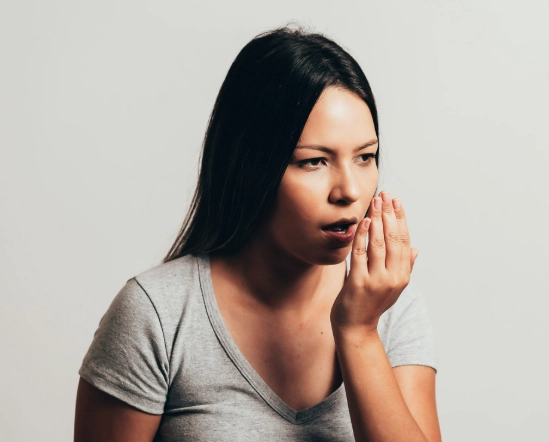
The bottom line is this: if you've tried everything for bad breath and still feel like you're just masking the problem, oral probiotics offer a fundamentally different approach. They don't just clean; they rebuild. It requires a shift in mindset—from waging war on bacteria to managing an ecosystem. Start with the right strain, be patient with the process, and support your oral health holistically. The result isn't just fresher breath; it's a more resilient, healthier mouth overall.
Leave a Reply