Quick Navigation
Let's be real for a second. Scrolling through pictures of perfectly white smiles can make you want to try anything to get there. But then you start thinking about your teeth. Are they sensitive? What about your gums? The last thing you want is a whiter smile that comes with a side of pain or, worse, damage. That's where the hunt for the safest teeth whitening strips really begins. It's not just about the final color; it's about getting there without any regrets.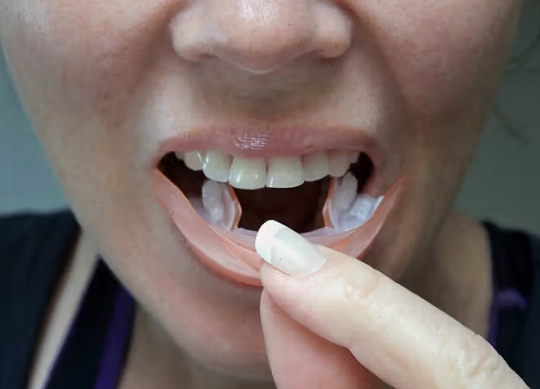
I've been down this road myself. A few years back, I grabbed a popular box off the shelf, eager for quick results. Two days in, and my teeth were so sensitive that drinking room-temperature water felt like an ordeal. That experience sent me down a rabbit hole of research, talking to dental professionals, and trying more products than I'd care to admit. What I learned changed my whole approach.
Safety in whitening strips isn't just a marketing buzzword. It's a combination of the right ingredients, the correct concentration, a formulation that respects your oral biology, and, crucially, how you use the product. A strip that's safe for your friend might be a disaster for you. This guide is my attempt to unpack all of that—to move past the flashy ads and get into what actually makes a teeth whitening strip safe, effective, and worthy of your money.
What Does "Safest" Really Mean for Whitening Strips?
When we say "safest teeth whitening strips," we're not talking about a single magic product. We're talking about a profile. A set of characteristics that minimize risk while maximizing benefit. It's about understanding the trade-offs.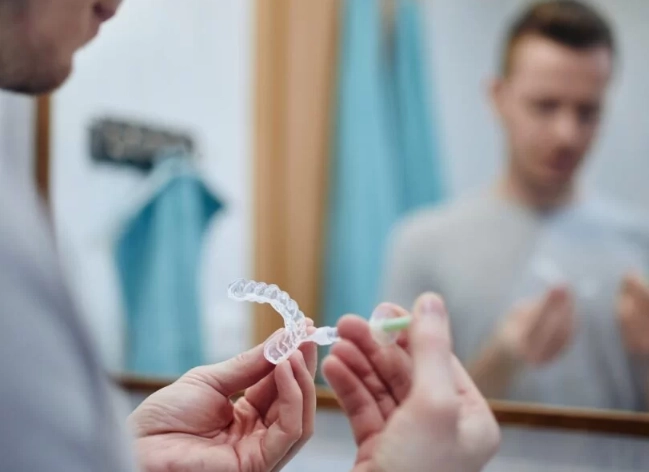
The Core Safety Factors
Think of safety as a checklist. The best options tick most of these boxes:
- Active Ingredient & Concentration: Most strips use hydrogen peroxide or carbamide peroxide. The concentration is key. Higher isn't always better for safety. The U.S. Food and Drug Administration (FDA) regulates over-the-counter whitening products, and reputable brands stay within established limits for consumer safety. You can learn more about how the FDA views these products on their official website.
- pH Balance: Your mouth has a natural pH. Strips that are too acidic can temporarily soften enamel, making it more vulnerable. Safer strips are formulated to be pH-neutral or close to it.
- Gel Adhesion & Control: A strip that slips and slides lets bleaching gel ooze onto your gums, which is a prime cause of irritation and sensitivity. The safest teeth whitening strips have a gel that stays put.
- Added Soothing Agents: Look for strips that include ingredients like potassium nitrate or fluoride. Potassium nitrate helps calm nerve endings in teeth to reduce sensitivity, while fluoride can help remineralize and strengthen enamel.
- Clear Usage Instructions & Warnings: A responsible brand tells you exactly how long to wear them, how often, and who should avoid them (e.g., people with untreated cavities, gum disease, or certain dental work).
Here's a personal take: I've come to value strips that work gradually over those promising "overnight whitening." That gradual approach gives your teeth time to adjust and is almost always gentler. The hype around instant results often leads people to overuse products, which is where most safety issues pop up.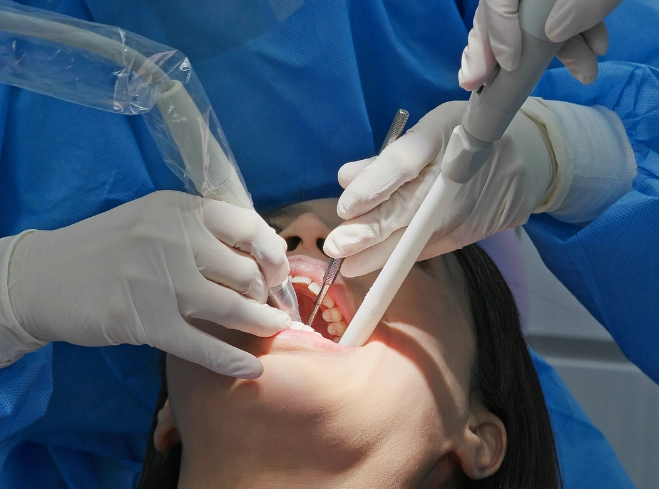
Breaking Down the Top Contenders: A Safety-First Comparison
Let's get practical. I've looked at dozens of brands, but a few consistently come up in conversations about gentler, more reliable options. Remember, "best" is subjective. The safest teeth whitening strips for you depend on your specific teeth and sensitivity levels.
| Brand (Common Variant) | Key Active Ingredient | Notable Safety & Gentleness Features | Potential Drawbacks (My Honest Take) | Best For... |
|---|---|---|---|---|
| Crest 3D Whitestrips Gentle Routine | Hydrogen Peroxide | Specifically designed for sensitive teeth. Lower peroxide concentration than their standard line. Wears for 5 minutes, which is a very short exposure time. | Results are subtle and build very slowly. You won't get dramatic whitening here, but that's the trade-off for gentleness. | First-timers with known sensitivity, or maintenance after a stronger treatment. |
| Opalescence Go | Hydrogen Peroxide or Carbamide Peroxide (varies) | Often recommended by dentists. Contains potassium nitrate and fluoride in most versions. Pre-loaded, no-drip trays help protect gums. | Can be pricier and is often sold through dental offices or authorized online retailers. The fit of the pre-formed trays can be odd for some mouth shapes. | Those wanting a professional-grade, gentle option and are okay with a higher price point. |
| Colgate Optic White ComfortFit | Hydrogen Peroxide | "No-Slip Grip" technology is genuinely good at keeping strips in place. Contains fluoride to strengthen enamel. | Some users find the strips a bit thick or stiff. Whitening power is moderate. | People worried about gel slipping onto gums. Good for everyday, mild whitening. |
| SmileDirectClub SmileWhitening | Hydrogen Peroxide | Plant-based glycerin, no artificial dyes. Lower concentration formula aimed at minimizing sensitivity. | Brand's business model has been controversial. While the strips themselves are mild, some are uncomfortable supporting the company. | Those seeking a vegan-friendly, dye-free formula and are not concerned with the parent company's reputation. |
| Hello Naturally Whitening Strips | Hydrogen Peroxide (from a coconut oil derivative) | No peroxide contact with gums claimed due to a barrier layer. Uses hydrated silica for some stain removal. Fluoride-free, which some prefer. | Being fluoride-free means you miss out on that enamel-strengthening benefit during treatment. Effectiveness reviews are mixed. | Individuals specifically looking for a fluoride-free option or who have had issues with gum irritation in the past. |
If you forced me to pick one for a friend with sensitive teeth who's never whitened before, I'd probably point them towards the Crest Gentle Routine or Opalescence Go. The short wear time or the built-in desensitizers make them a less intimidating starting point. But my sister, who has resilient teeth and just wants to tackle coffee stains, does fine with the standard Colgate strips.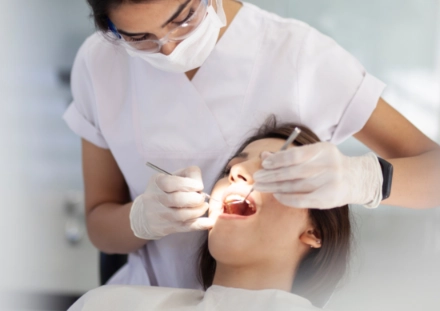
A Quick but Important Warning
Be extremely wary of off-brand strips from unknown sellers on online marketplaces. I've seen strips with crazy-high, unlisted peroxide concentrations or questionable ingredients. The price might be tempting, but the risk to your enamel and gums isn't worth it. Stick to established, recognizable brands that you can hold accountable.
How to Use Whitening Strips Safely: A Step-by-Step Guide
You can buy the gentlest strips on the market and still have a bad experience if you use them wrong. This is where user error creeps in. Following the instructions isn't just a suggestion—it's your primary safety protocol.
Before You Even Open the Box
- Check Your Dental Health: This is non-negotiable. Whitening strips can irritate exposed dentin from cavities or recessed gums. If it's been more than six months, see your dentist for a check-up and cleaning before starting. A clean surface whitens more evenly and safely. The American Dental Association (ADA) provides great resources on oral health basics, which you can find on their public website.
- Manage Expectations: Strips work best on surface (extrinsic) stains from food, drinks, and smoking. They are less effective on deep, intrinsic stains or discoloration from medication or trauma. Knowing this saves you disappointment.
The Application Process (The Right Way)
- Dry Your Teeth: Use a tissue or cotton swab to lightly dry the front surfaces of your teeth. A dry surface helps the adhesive grip much better.
- Apply Firmly & Smooth Out: Place the strip, align it with your gum line (but not ON the gums), and press firmly. Use your fingers to smooth it from the center outwards, pushing out any air bubbles or excess gel. This step is critical for preventing gum irritation.
- Set a Timer: Do NOT guess the time. Do NOT think "longer is better." Set a timer for the exact recommended wear time. Exceeding it is a surefire way to increase sensitivity.
- Remove & Discard Gently: Peel from the back towards the front of your mouth. Rinse your mouth lightly with water to remove any residual gel. Avoid eating or drinking anything that could stain (coffee, red wine, berries) for at least 30-60 minutes afterward.
Pro-Tip for Sensitivity: If you're prone to sensitivity, consider applying a sensitivity toothpaste (like Sensodyne) directly to your teeth and leaving it on for 10-15 minutes before you whiten. Rinse it off, dry your teeth, and then apply the strip. This can help "pre-treat" and calm the nerve endings.
What to Do If You Experience Sensitivity or Irritation
It happens sometimes, even with the safest teeth whitening strips. Don't panic.
- Stop Immediately: If you feel sharp pain or significant gum burning, take the strips off. It's not a contest.
- Take a Break: Skip a day or two. Let your mouth recover. You can try again later, maybe for a shorter duration.
- Use Sensitivity Toothpaste: Brush with a sensitivity formula twice daily. The key is to leave a little bit on your teeth after brushing, don't rinse it all away.
- Avoid Temperature Extremes: Stick to lukewarm drinks and foods for a day or so.
If irritation or pain persists for more than a couple days after stopping, it's time to call your dentist. It's rare, but it's worth getting checked.
Your Burning Questions, Answered
I get a lot of questions from friends about this stuff. Here are the ones that come up most often.
This is the #1 fear. When used as directed, reputable whitening strips are not shown to permanently damage healthy tooth enamel. The peroxide penetrates the enamel to break up stain molecules; it doesn't dissolve the enamel itself. However, overuse or using them on already compromised teeth (with cavities, cracks, or severe erosion) can lead to problems. The key is moderation and following the instructions to the letter.
It's not permanent. Your teeth are constantly exposed to staining agents. Results typically last from a few months up to a year, depending heavily on your diet and habits. If you drink coffee, tea, or red wine daily, smoke, or eat deeply colored foods, the whiteness will fade faster. Many people find a single "maintenance" strip once every 2-4 weeks is enough to keep the brightness up after the initial treatment.
Yes. You should avoid them if you have:
- Unfilled cavities or cracked teeth.
- Active gum disease or extremely receding gums.
- Exposed tooth roots (the bleach won't work on the darker root surface anyway, and it will cause major sensitivity).
- Allergies to peroxide or other ingredients in the strips.
- Dental restorations like crowns, veneers, or bonding on your front teeth. The bleach only works on natural tooth enamel, so you'll end up with uneven color.
When in doubt, ask your dentist. A quick consultation can save you money and discomfort.
Control. In a dental office, your gums are protected with a barrier, and the peroxide gel is applied precisely. The dentist can use higher concentrations because they control the environment and the time. This can actually be very safe when done professionally. Strips put the control (and responsibility) in your hands. They use lower concentrations to account for potential user error. Professional treatment is often faster and more dramatic, but also more expensive. For many, a well-chosen, gentle strip used correctly is a perfectly safe and effective middle ground.
Final Thoughts: Making Your Safe Choice
Finding the safest teeth whitening strips is a personal journey. It's about balancing your desired results with your individual oral landscape. Don't get sucked in by the most aggressive marketing or the promise of the fastest change.
Start low and go slow. Consider beginning with a brand known for gentleness, like those with "sensitive" or "gentle" in the name. Pay more attention to how your teeth and gums feel during and after treatment than to the mirror in the first few days. The real brightening often becomes more apparent after you finish a full course.
And remember, whitening is a cosmetic procedure. The foundation of a great smile is healthy teeth and gums. No strip can replace consistent brushing, flossing, and regular dental check-ups. In fact, the safest approach of all is to view whitening strips as an occasional tool in a broader toolkit of good oral hygiene, not as a substitute for it.
I hope this deep dive helps you navigate the options with more confidence. You've got the questions; now you've got some honest answers. Go find the smile that makes you feel good, safely.
Leave a Reply