What You’ll Find in This Guide
- The Not-So-Glamorous Reality: Common Dental Night Guard Side Effects
- When Side Effects Get More Serious: Potential Long-Term Issues
- Breaking It Down: Side Effects by Guard Type
- So, What Can You Actually DO About These Side Effects?
- Your Questions, Answered: Night Guard Side Effects FAQ
- Making the Decision: Is a Night Guard Right for You?
So you're thinking about getting a night guard, huh? Maybe your dentist mentioned it, or you've woken up with a sore jaw one too many times. You've heard they're the go-to fix for grinding your teeth (that's bruxism, if we're being fancy). But here's the thing nobody talks about in the shiny brochures: dental night guard side effects are real, and they can catch you completely off guard.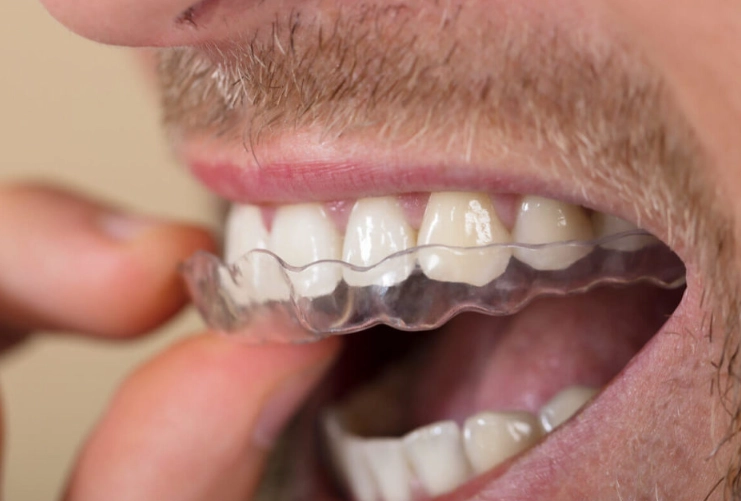
I remember when my friend got his first custom guard. He was so excited to stop the headaches. Two weeks later, he's complaining his mouth feels like a foreign object took up residence. "It's like sleeping with a hockey puck," he said. It got me digging. Turns out, his experience isn't unique. While night guards are fantastic tools for protecting your teeth from the immense forces of grinding, they come with their own set of quirks and potential problems. It's not all bad news, but going in with your eyes wide open is the key to making it work for you.
This guide isn't about scaring you away from a night guard. Far from it. For millions, they're a lifesaver, preventing cracked teeth, worn-down enamel, and chronic pain. But we're going to walk through every single potential side effect you might encounter—from the super common "break-in period" woes to the rarer, more serious issues. We'll figure out why they happen, what you can do about them, and how to tell if what you're experiencing is normal or a red flag. Knowledge is power, especially when it comes to something you're supposed to sleep with every night.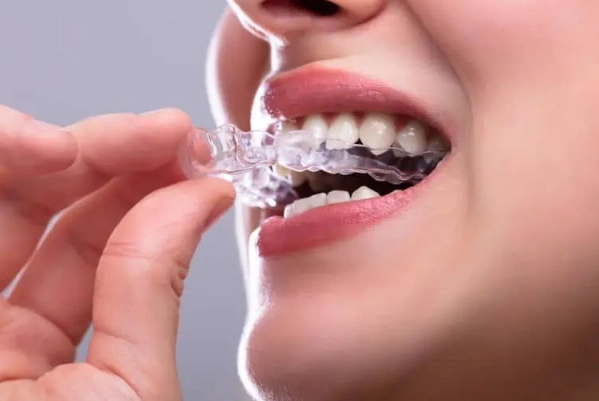
The Not-So-Glamorous Reality: Common Dental Night Guard Side Effects
Let's start with the stuff almost everyone deals with at the beginning. Think of this as the "adjustment phase" side effects. They're usually temporary, but knowing they're normal can stop you from tossing your expensive guard in the drawer after night one.
That Weird Mouth Feeling and Increased Saliva
This is the big one. Your mouth is a sensitive place, and it's not used to having a piece of plastic (or other material) covering your teeth for 8 hours. The initial sensation can be downright strange. You might feel like you have a mouthful of something, which can make relaxing into sleep tricky. Along with this, many people experience a temporary increase in saliva production. Your brain senses this new object and thinks "food!" so it tells your salivary glands to get to work. It can feel like you're drooling more. The good news? For most, this fades within a week or two as your brain gets the memo that the night guard is not, in fact, a snack.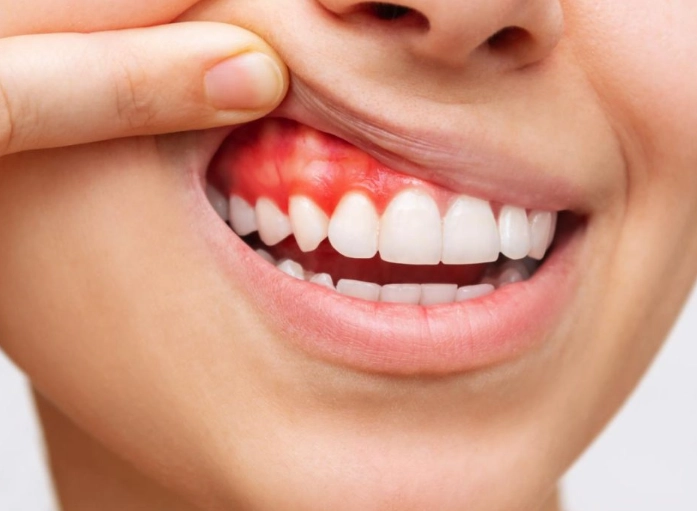
Discomfort, Soreness, and Even Gum Irritation
Especially with over-the-counter boil-and-bite guards, which can have rougher edges, you might feel some poking or rubbing. This can lead to sore spots on your gums, cheeks, or even your tongue. A custom-made guard from a dentist is far less likely to cause this because it's precisely molded to your teeth, but even then, a slight adjustment period is normal. Your jaw muscles might also feel a bit tired or achy in the morning as they get used to the new position the guard puts them in. This is different from the deep jaw pain of TMJ disorders, which we'll get to later.
The Dreaded Morning Breath and Hygiene Hassles
Let's be real. A night guard can trap bacteria and saliva against your teeth and the appliance itself. If you don't clean it meticulously every single morning, it can start to smell. And that smell transfers right into your mouth. It's one of the most complained-about dental night guard side effects. It's not just about bad breath, though. A dirty guard becomes a breeding ground for plaque and fungi (like Candida, which causes thrush), which can negatively impact your overall oral health. Cleaning it isn't hard, but it's a non-negotiable extra step in your routine.
When Side Effects Get More Serious: Potential Long-Term Issues
Okay, so the initial weirdness passes for most people. But what about the side effects that can pop up down the line? These are the ones you really want to discuss with your dentist.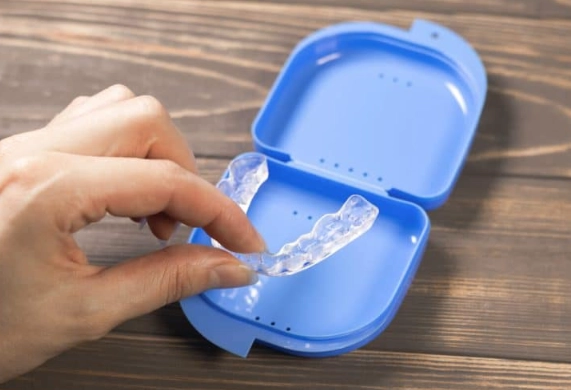
The Big Debate: Can a Night Guard Actually Move Your Teeth?
This is a huge concern for people, and the answer is... it's complicated. A well-fitted night guard designed solely for protection during sleep should not actively move your teeth. Its job is to absorb force, not apply it. However, there are scenarios where tooth movement is a real risk. A poorly fitted guard, especially one that's too tight or puts pressure on specific teeth, can potentially cause subtle shifts over months or years. This is more common with ill-fitting over-the-counter models. Furthermore, if you have a habit of clenching or pushing your tongue against the guard while you sleep, you might be applying enough consistent force to cause changes. It's a rare but possible side effect, and one reason why regular dental check-ups are crucial when you wear a guard.
Jaw Pain and TMJ Disorders: Cause or Cure?
This is a major point of confusion. Dentists often prescribe night guards to alleviate jaw pain and symptoms of Temporomandibular Joint Disorders (TMJ/TMD). And often, they do! By providing a cushion and preventing your teeth from locking together, they can reduce muscle strain. But in some cases, a night guard can make things worse. How? If the guard changes your bite alignment in a way that your jaw joints don't like, it can lead to increased pain, clicking, or even locking. This is why the design and fit are critical. A guard that's too thick in the wrong place can reposition your jaw into an unnatural, stressful posture all night long. If you get a guard for jaw pain and the pain increases, don't just suffer through it—talk to your dentist immediately. It might need an adjustment.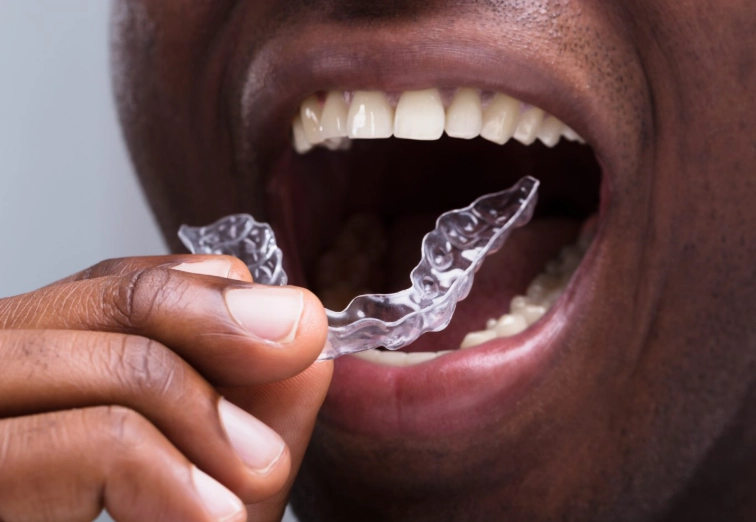
You have to ask yourself: is the jaw pain from the grinding itself, or is it a new pain from the appliance? Untangling that can be tricky.
Changes in Your Bite and Speech (Temporarily)
You might notice that your teeth feel like they don't fit together quite right for a little while after you take the guard out in the morning. This is usually temporary, lasting maybe 30 minutes to an hour as your teeth settle back into their natural positions. Think of it like taking off tight shoes—your feet need a minute to spread back out. However, if this feeling persists all day, it's a sign that the guard might be influencing your bite, and you should mention it to your dentist. Some people also report a very slight lisp when they first start wearing one, but this almost always goes away as you adapt.
Breaking It Down: Side Effects by Guard Type
Not all night guards are created equal, and your risk of certain side effects depends heavily on which type you choose. Let's look at the main contenders.
| Guard Type | How It's Made | Common Associated Side Effects | Why It Happens |
|---|---|---|---|
| Over-the-Counter (OTC) Boil & Bite | You soften it in hot water and bite down to mold it at home. | Poor fit, gum/cheek irritation, excessive bulkiness, easier tooth movement risk. | Imprecise fit. Can be too thick, trapping heat. Edges can be rough. Material is often softer and less durable. |
| Direct-to-Consumer (Online) Impressions | You take putty impressions at home, mail them in, get a custom guard back. | Fit issues if impressions are bad, adjustment discomfort, potential bite issues. | Quality depends on your impression skills and the lab's design. Lacks a dentist's clinical assessment of your jaw. |
| Dentist-Made Custom (Laboratory) | Dentist takes precise impressions/signs, a dental lab fabricates it. | Initial discomfort/saliva increase, possible jaw pain if design is off (rare), hygiene-related issues. | Even with a great fit, the mouth needs to adapt. Design is critical for jaw positioning. Best fit minimizes most physical side effects. |
| Hard vs. Soft Acrylic Custom Guards | Dentist-made, but material differs. Hard is rigid acrylic; soft is flexible. | Hard: May increase clenching in some. Soft: Can be chewed through by severe grinders, less durable. | Hard: Provides a strong barrier but may give more resistance. Soft: Comfortable but may not last as long with heavy grinding. |
See the pattern? The less customized the fit, the higher the chance of physical side effects like irritation and poor performance. The American Dental Association (ADA) doesn't give its Seal of Acceptance to over-the-counter night guards for bruxism, largely due to fit and safety concerns. They do award it to some dentist-dispensed materials. That tells you something about where the consistent quality and safety is expected to be. You can read more about the ADA's stance on oral appliances on their Oral Health Topics page for nightguards.
I'm not saying OTC guards are always terrible. For very mild, occasional grinding, they might be a cheap test. But you have to weigh the lower cost against the higher risk of problems. A poorly fitting guard causing more issues than it solves is a false economy.
So, What Can You Actually DO About These Side Effects?
Knowing about the problems is only half the battle. Let's talk solutions and management strategies. This is the practical stuff that turns a frustrating experience into a successful one.
Getting Through the Break-In Period
- Start Slow: Don't jump straight to 8 hours. Wear it for an hour while watching TV, then for a nap, then gradually increase nighttime wear.
- Practice Mindfulness: When you first put it in at night, consciously relax your jaw. Let it hang slightly open, don't try to "bite down" on the guard.
- Address Saliva: If excess saliva is bothering you, try swallowing a few times consciously right after putting it in. It usually signals your brain to calm down the glands.
Ensuring a Proper Fit (This is Everything)
If your guard is causing persistent pain or rubbing, the fit is wrong. For a custom guard, call your dentist. They can almost always adjust it—smoothing a rough edge or trimming a bit of material can make a world of difference. This is a standard part of the service. For a boil-and-bite, your options are more limited. You can try re-molding it (following instructions carefully), but often the material degrades. It might be time to consider an upgrade.
Mastering Hygiene to Beat the Smell
A clean guard is a happy guard. Here’s a simple routine:
- Every Morning: Rinse it thoroughly under cool water. Gently brush it with a soft toothbrush and a tiny drop of mild dish soap or clear, antibacterial hand soap. Rinse extremely well.
- Weekly Deep Clean: Soak it in a denture cleaning tablet solution or a half-water, half-white vinegar solution for 15-20 minutes. Rinse.
- Storage: Let it air dry completely on a clean towel before putting it in its vented case. A closed, wet case is a mold factory.
Avoid toothpaste, as it can be abrasive and scratch the plastic, creating tiny hiding spots for bacteria. Also, never use bleach or alcohol-based mouthwash for soaking, as they can degrade the materials.
When to Talk to Your Dentist (And What to Say)
Don't play the silent hero. Your dentist is your partner in this. Contact them if:
- Pain (jaw, tooth, gum) doesn't improve after 2 weeks of consistent wear.
- You notice visible changes in how your teeth meet.
- The guard cracks, becomes too loose, or feels like it doesn't fit.
- You develop signs of an allergic reaction (rare, but possible with some acrylics).
Go in prepared. Say more than "it hurts." Be specific: "The left side of my jaw is sore right here when I wake up," or "It feels like it's pushing on my front teeth." This helps them make the right adjustment.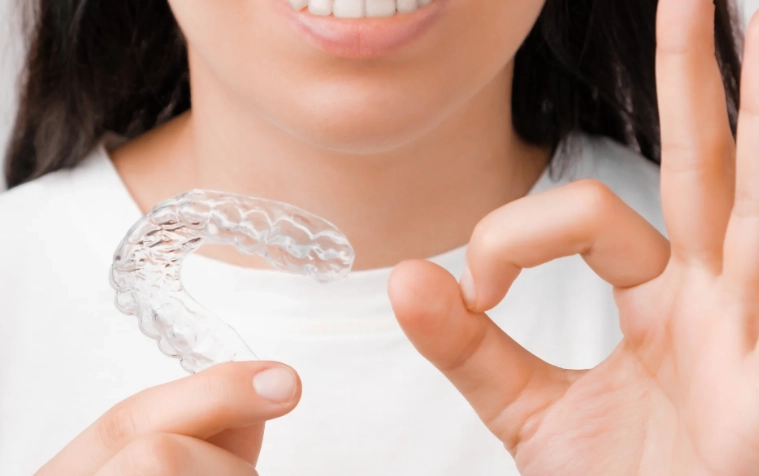
Your Questions, Answered: Night Guard Side Effects FAQ
I've gotten a ton of questions from readers over the years. Here are the ones that come up again and again when we're talking about dental night guard side effects.
Can wearing a night guard cause cavities?
Not directly. The guard itself doesn't cause decay. However, a poorly cleaned guard can harbor bacteria that increase your risk of cavities and gum disease on the teeth it touches. Also, if you don't brush your teeth before putting it in, you're trapping all that plaque and food debris against your enamel all night. Always brush and floss before inserting your guard.
I feel like I'm clenching MORE with my guard in. Is that possible?
Unfortunately, yes. This is a psychological-physiological quirk some people experience. The presence of the guard can make you more aware of your bite, and subconsciously, you might start playing with it or biting down on it. For others, a guard that's too thick or the wrong material might provide a tempting surface to clench against. If this happens, tell your dentist. A different design (like a thinner, harder guard) might be the solution.
How long do side effects typically last?
The initial adjustment side effects (saliva, strange feeling, mild soreness) should significantly diminish within 1-2 weeks of consistent use. If they're getting worse or haven't improved after a month, the guard likely needs to be adjusted or reevaluated.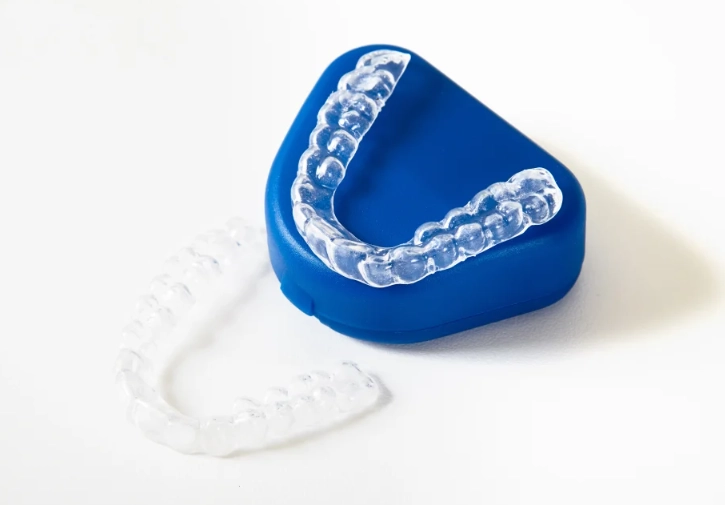
Are there any side effects from NOT wearing a night guard if I grind?
This is the most important question. The side effects of untreated severe bruxism are often much worse: severely worn-down teeth, fractures, crowns breaking, chronic headaches, jaw joint damage, and significant dental bills. Weighing the potential side effects of a guard against the guaranteed damage of unchecked grinding is a no-brainer for most people with a diagnosed problem.
Can I be allergic to my night guard?
It's rare, but possible to have a sensitivity or allergy to materials in some guards, like certain acrylics or latex (in older soft guards). Signs include persistent redness, swelling, or a burning sensation in the areas touching the guard. Modern dental labs use biocompatible materials, but if you suspect an allergy, see your dentist. They can often have a new one made from a different, hypoallergenic material.
Making the Decision: Is a Night Guard Right for You?
Look, after all this talk of side effects, you might be wondering if it's even worth it. For the vast majority of people with problematic teeth grinding or clenching, the answer is a resounding yes. The protective benefits for your teeth far outweigh the manageable, often temporary, side effects for most.
The key is to go into it as an informed consumer. Have a conversation with your dentist. Ask them:
- "What type of guard do you recommend for my specific grinding pattern?"
- "How will we handle adjustments if I have discomfort?"
- "What are the most common side effects with this design, and how do we mitigate them?"
Invest in the best fit you can afford, with a professional's guidance. A properly fitted, custom night guard from a dentist is your best bet for minimizing side effects and maximizing protection. It's a medical device, not just a piece of plastic.
Manage your expectations. The first week might be weird. But if you push through that initial hump with the right strategies—starting slow, perfecting your cleaning routine, and communicating with your dentist—you'll likely find that the dental night guard side effects fade into the background. What's left is the peace of mind that comes from knowing you're not slowly grinding your teeth into nubs while you sleep. And that's a side effect everyone can get on board with: better sleep and saved teeth.
It's a tool. Like any tool, you need to learn how to use it properly. But once you do, it can make a world of difference.
Leave a Reply