Quick Navigation
Let's be honest. Scrolling through social media or walking down the drugstore aisle, you're bombarded with teeth whitening promises. Strips, pens, lights, trays – it's enough to make your head spin. And the big question lurking in the back of your mind is probably the same one I had: "Is this stuff actually safe for my teeth?" That's where the search for the best ADA approved teeth whitening products really begins. It's not just about getting whiter teeth; it's about doing it without harming your enamel or turning your gums into a sensitive mess.
I remember trying a popular whitening kit a few years back, one with all the hype but no official dental seal. The results were... okay. But the sensitivity that followed was brutal. Coffee felt like liquid fire. That experience sent me down a rabbit hole of research, and the term "ADA Accepted" kept popping up as the gold standard. So, what's the big deal? Why should you care if your whitener has this little seal? Well, think of it as a trusty co-pilot for your smile journey. It doesn't guarantee perfection for everyone, but it dramatically lowers the risk of you driving your oral health off a cliff.
The Core Idea: The American Dental Association's Seal of Acceptance is a voluntary program. Companies submit their products for rigorous testing by independent experts. To get the seal, a product must prove it's safe for your mouth's hard and soft tissues (that's your enamel and gums) and that it actually does what it claims – in this case, whiten teeth effectively. It's not a rubber stamp. It's science-backed validation. When you're looking for the best ADA approved teeth whitening solution, you're essentially filtering out the unproven gimmicks and focusing on options that have passed a serious test.
This guide is the result of all that digging. We're going to cut through the marketing fluff and look at what genuinely works, what's safe, and how to choose. We'll look at specific products that have earned the ADA's nod, break down what the approval process really means, and answer all those nitty-gritty questions you might be too hesitant to ask. Because making an informed choice is the first step to a smile you're confident about.
What Does "ADA Accepted" Really Mean for Whitening Products?
Okay, let's get into the weeds a bit. You see the seal on a box, but what did that product actually go through? The ADA Council on Scientific Affairs puts products through a pretty thorough wringer. For whitening products, the tests focus on two big things: safety and efficacy.
First, safety. They check to make sure the product doesn't damage tooth enamel significantly. They also test for irritation to the gums and the soft tissues inside your mouth. A product that causes chemical burns or lasting sensitivity isn't getting that seal. They even look at the potential for increasing tooth sensitivity during and after use, which is a huge concern for many people (myself included).
Second, efficacy. It has to work! The manufacturer has to provide clinical data showing that the product whitens teeth more effectively than a placebo. It's not enough to just make teeth feel slick or look shiny for five minutes; it has to produce a measurable change in tooth color. This data is reviewed by independent experts who are actually dentists and scientists, not just corporate folks.
It's crucial to note the word is "Accepted," not "approved." The ADA doesn't "approve" products like a government agency might. The Seal of Acceptance is a recognition that the product meets the ADA's published guidelines for safety and effectiveness. You can read about their specific criteria for over-the-counter whitening products directly on the ADA's official Seal of Acceptance program page. Having that external, verifiable source is key – it's not just me telling you, it's the leading professional dental organization in the U.S.
So, in a nutshell: ADA Accepted = Scientifically reviewed for safety and proven to work. No seal = Buyer beware.
Top Contenders: A Look at ADA Accepted Whitening Products
The list of products with the ADA Seal isn't endless, which is actually a good thing. It means the bar is high. Here’s a breakdown of some of the major players you'll find in the category of best ADA approved teeth whitening products. I've organized them by type to make it easier to see what fits your style.
| Brand / Product Name | Product Type | Key Whitening Agent | ADA Seal Status | Best For / Notes |
|---|---|---|---|---|
| Crest 3D Whitestrips (Gentle Routine, Classic Vivid, etc.) | Whitening Strips | Hydrogen Peroxide Gel | Accepted (Specific variants) | Those who want a familiar, structured routine. Widely available. Some find strips can be awkward on crowded teeth. |
| Colgate Optic White Advanced LED Kit | LED Light Kit with Gel | Hydrogen Peroxide Gel | Accepted | People who like the "high-tech" feel of an LED light. The light is meant to accelerate the process. |
| Opalescence Go Prefilled Trays | Prefilled Whitening Trays | Hydrogen Peroxide or Carbamide Peroxide Gel | Accepted | A professional-grade option available online/dentist. Trays offer better gel contact than strips for some. |
| Philips Zoom NiteWhite & DayWhite | Take-Home Tray Gel (Dispensed by Dentist) | Carbamide Peroxide | Accepted | The gold standard for dentist-dispensed at-home kits. Custom trays ensure perfect fit and gel distribution. |
| Crest 3D Whitestrips with Light | Strips + Accent Light | Hydrogen Peroxide Gel | Accepted | Strips users who want to try adding a light element without a full kit. |
| Various Whitening Toothpastes (Crest 3D White, Colgate Optic White Renewal, etc.) | Toothpaste | Mild Abrasives & Chemicals (e.g., Hydrogen Peroxide, Sodium Hexametaphosphate) | Accepted (Specific formulas) | Daily maintenance and stain prevention. Not for major color changes. Crucial for keeping your whitening results. |
A few personal observations from looking at this list. First, notice that the active ingredients are almost always hydrogen peroxide or carbamide peroxide (which breaks down into hydrogen peroxide). These are the gold standard agents that actually change tooth color. Charcoal, abrasive pastes, or "miracle fruit" extracts? You won't find those here because they either don't work for intrinsic whitening or can be damaging.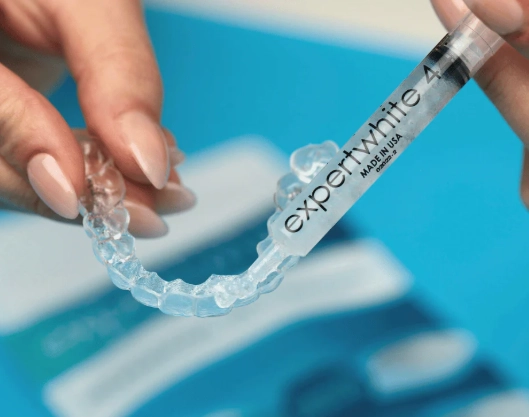
Second, the dentist-dispensed kits like Zoom NiteWhite are in a different league. Your dentist takes impressions for custom-fitted trays. This means the gel stays exactly where it should, minimizing gum irritation and maximizing contact with your teeth. It's more expensive upfront, but the results are often faster, more even, and the product strength can be tailored to your sensitivity level. For someone with very stubborn stains or specific dental work, this is frequently the best ADA approved teeth whitening path, period.
Watch Out: The ADA Seal is product-specific. Just because "Brand X" has one strip kit with the seal doesn't mean *all* their kits have it. Always look for the actual seal on the box of the exact product you're buying, especially with lines like Crest Whitestrips that have many variations. A quick check on the ADA's Oral Health Topic page on Whitening can help confirm what's currently accepted.
How to Choose Your Best ADA Approved Teeth Whitening Match
So you've got a list of safe options. How do you pick one? It's not one-size-fits-all. Your choice should hinge on a few key factors about *you* and your life.
Factor 1: Your Sensitivity History
This is the big one. If you already wince when you drink something cold, you need to proceed with extra caution. Look for products specifically labeled "Gentle," "Sensitive," or "For Sensitive Teeth." These formulas often have the same whitening power but may include additional ingredients like potassium nitrate to help soothe nerve endings. The prefilled tray systems can sometimes be better than strips for sensitive folks because you can control exactly how long the gel is on your teeth (starting with just 30 minutes instead of an hour, for example).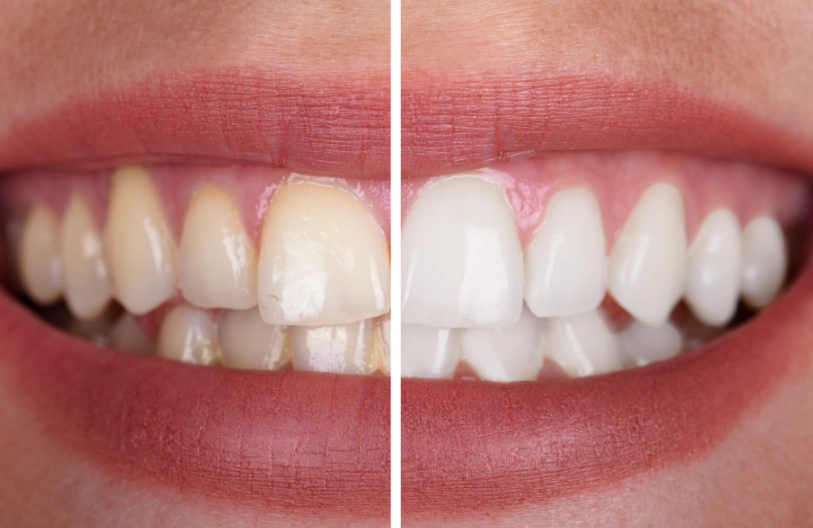
My rule of thumb? If you're highly sensitive, your best ADA approved teeth whitening journey might start not with a kit, but with a conversation. Talking to your dentist first is a smart move. They might recommend a high-fluoride toothpaste for a few weeks to strengthen your enamel before you even start whitening.
Factor 2: The Type of Stains You Have
Not all stains are created equal. Extrinsic stains are surface stains from coffee, tea, red wine, and smoking. Most over-the-counter ADA accepted whiteners work great on these. Intrinsic stains are deeper, within the tooth structure, sometimes caused by medications (like certain antibiotics), trauma, or excessive fluoride as a child. These are much tougher and often require the stronger peroxide gels from a dentist to make a significant difference.
Ask yourself: Are your teeth uniformly yellowed, or are there specific dark spots? A general yellow hue often responds beautifully to at-home kits. Localized dark spots might need professional attention to ensure the whitening is even.
Factor 3: Your Budget and Commitment Level
Let's talk money and time. Whitening strips are a moderate upfront cost. A professional take-home kit from your dentist is a bigger investment. In-office laser whitening is the most expensive. But think of it as cost-per-use and results. A cheap, non-ADA product that does nothing is 100% wasted money. A dentist kit that gives you dramatic, long-lasting results and leftover gel for touch-ups a year later might be better value.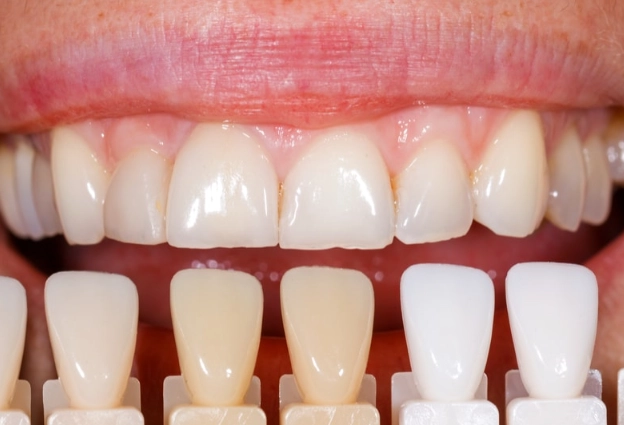
Time is also money. Strips require 30-60 minutes daily for 1-2 weeks. Prefilled trays might be 15-30 minutes. Can you realistically stick to that routine? Be honest. The best ADA approved teeth whitening product for you is the one you'll actually use correctly.
Pro-Tip for Commitment: Pair your whitening treatment with an ADA accepted whitening toothpaste. It won't whiten on its own like the treatments, but it will help fight new surface stains daily, making your results last much longer. It's the classic one-two punch for smile maintenance.
Factor 4: Your Dental Work
This is non-negotiable. Whitening gels do not change the color of crowns, veneers, fillings, or dentures. If you have visible dental work on your front teeth, whitening your natural teeth could create a mismatched, unnatural look. You'd then need to replace the dental work to match your new, whiter shade – a very expensive proposition.
Always, always consult your dentist before starting if you have crowns, bridges, veneers, or large fillings in your smile zone. They can advise if whitening is a good idea and, if so, what your expected outcome will be.
The Process: What to Really Expect When You Whiten
You've bought your kit. Now what? Managing expectations is half the battle. Here's a realistic timeline and feeling.
Days 1-3: You might notice a slight brightening. Sensitivity often peaks during this time. That zing when you inhale cool air? Normal, but it should be manageable. If it's severe pain, stop and consult your dentist. This is where using a sensitivity toothpaste before, during, and after is critical.
Days 4-10: This is where the most noticeable change happens. Your teeth will likely reach their peak whiteness for that particular treatment cycle. Don't expect paper-white, movie-star teeth from an at-home kit if you started with a deep shade. Aim for a natural, healthy, brighter version of *your* teeth. That's a win.
After the Cycle: The color will stabilize and may very slightly regress over the next few weeks as your teeth rehydrate. This is normal. The final, stable result is what you're left with. Maintenance with a whitening toothpaste and avoiding stain-causing foods/drinks (or using a straw!) will help it last.
Remember, whitening isn't permanent. It's a treatment, not a tattoo. Touch-ups will be needed, usually every 6-12 months.
Your Burning Questions, Answered (FAQ)
Is ADA approved teeth whitening safe for everyone?
Generally, yes, that's the point of the seal. But "safe" doesn't mean "side-effect free." Temporary sensitivity is very common. It's not recommended for children under 16 (their tooth pulp chambers are larger), pregnant or nursing women (due to a lack of specific research), or people with untreated cavities, gum disease, or extremely worn enamel. Your dentist is your best guide for your personal situation.
How does ADA approved whitening compare to professional in-office treatments?
Think of it as a spectrum. At-home ADA kits are effective and safe for moderate whitening. In-office treatments use much stronger peroxide gels (often 25-40% concentration), sometimes activated by a special light or laser. They are performed by a professional who protects your gums meticulously. The results are faster and often more dramatic in a single visit, but the cost is significantly higher. The ADA also evaluates and accepts some of the materials used in these professional procedures. For a deep dive on the different types, the U.S. Food and Drug Administration has a clear consumer update on teeth whitening that outlines the categories.
Can I use these products if I have gum recession?
You need to be extra careful. Exposed root surfaces (from recession) have no protective enamel and are much more sensitive. The whitening gel can irritate these areas intensely. If you have significant recession, a custom tray from your dentist is likely the safest bet because they can apply a protective barrier to the exposed roots before the tray goes in. Don't just slap strips over receded gums.
How long do the results last?
This depends entirely on your habits. If you drink multiple cups of black coffee daily, smoke, or love red wine, your results will fade faster – maybe in a few months. If you're diligent with maintenance (ADA whitening toothpaste, using a straw for dark drinks, good hygiene), you can easily make the results last 6 months to a year before thinking about a touch-up.
Are natural or charcoal whiteners ADA approved?
To my knowledge, not a single charcoal-based powder or toothpaste has earned the ADA Seal for whitening. In fact, the ADA has warned that charcoal can be overly abrasive and may even permanently stain teeth or dental work. The same goes for other "natural" alternatives like lemon juice or baking soda scrubs – they lack clinical proof of safety and efficacy for whitening and can damage enamel. When it comes to the best ADA approved teeth whitening approaches, science-backed peroxide gels are still the only game in town with proven, safe results.
A Final Word Before You Start
Chasing the best ADA approved teeth whitening product is a smart, responsible approach to cosmetic dentistry. You're putting safety and proven results first. Start by assessing your own mouth – your sensitivity, your stains, your dental work. Look for that little blue-and-white seal on the box. And don't underestimate the power of a simple whitening toothpaste for daily upkeep; it's the unsung hero of a lasting bright smile.
But here's the most important piece of advice, the one I give everyone: Your teeth are unique. What works wonders for your friend might be just okay for you. If you have any doubts, concerns, or specific dental conditions, book a cleaning and have a chat with your dentist. They can see things you can't. They can recommend the perfect product strength and method for your specific situation, ensuring your journey to a whiter smile is also a healthy one.
It's not about achieving some impossible, artificially bright standard. It's about feeling good when you smile. And starting with a safe, ADA accepted product is the best way to get there with confidence and peace of mind.
Leave a Reply