Quick Guide
- First, Is It Really Teething? Spotting the Signs
- The Core Toolkit: Safe & Effective Ways to Soothe Sore Gums
- Navigating the World of Teething Products: A Reality Check
- What to Absolutely Avoid: The Danger Zone
- Beyond the Gums: Comforting the Whole Baby
- Answering Your Big Teething Questions (FAQ)
- Putting It All Together: Your Action Plan
Let's be honest. Teething is rough. For the baby, of course, with those little gums swollen and sore. But it's also rough on you, the parent, watching your usually cheerful little one turn into a fussy, drooling, sleep-refusing bundle of discomfort. You search online, you ask other parents, and you get a hundred different answers. Some swear by amber necklaces (we'll get to those), others by frozen waffles. It's enough to make your head spin.
So, what is the best way to soothe a teething baby? I've been through this twice with my own kids, and the truth is, there's no single magic bullet. The "best" way is usually a combination of safe, simple methods tailored to what your specific baby finds comforting. It's about understanding what's happening in their mouth and having a toolkit of proven strategies.
This guide won't give you any miracle cures. Instead, it's a deep dive into what actually works, what's safe, and what you should steer clear of. We'll go beyond the basic "give them a teether" advice and talk about the why and how.
First, Is It Really Teething? Spotting the Signs
Before you try to solve the problem, make sure you've identified it correctly. Not every fuss, drool, or wakeful night means a tooth is coming. Babies drool constantly from about 3 months, and they put everything in their mouths as part of exploring the world. So, what are the real, classic signs of teething?
- Excessive, dripping drool: We're talking about enough to soak through multiple bibs and shirts in a day.
- Gnawing and chewing on everything: Fingers, toys, your shoulder, the edge of the coffee table—nothing is safe.
- Swollen, puffy gums: If you gently feel (with clean hands!), you might notice a hard lump or see the gum looking red and bulgy where the tooth is preparing to erupt.
- Fussiness and irritability: This is often worse in the late afternoon and evening.
- Mild temperature: I want to be very clear here. The American Academy of Pediatrics (AAP) states that teething might cause a slight rise in body temperature, but it does not cause a high fever (over 100.4°F or 38°C). A high fever is a sign of illness and needs a doctor's attention.
- Disrupted sleep: The discomfort doesn't clock out at bedtime.
- Changes in eating: Some babies want to nurse or bottle-feed more for comfort. Others might pull away because the suction hurts their gums.
Red Flag Symptoms (Not Teething): If your baby has diarrhea, a significant rash (other than a mild chin rash from drool), a high fever, or seems lethargic, these are NOT normal teething symptoms. Please contact your pediatrician. It's easy to blame teething for everything, but sometimes it's a coincidental cold or other illness.
The Core Toolkit: Safe & Effective Ways to Soothe Sore Gums
Alright, so you're pretty sure it's teething. Here’s where we get into the meat of it. What is the best way to soothe a teething baby? Think of these methods as your first line of defense. They're all about counter-pressure and cold.
Counter-Pressure: Let Them Gnaw (Safely)
The pressure of biting down on something firm can feel wonderful on those aching gums. It's like scratching an itch.
- Clean Finger: The simplest tool you have. Wash your hands and gently rub or massage your baby's gums. You can feel exactly where the sore spot is.
- Teething Rings & Toys: This is the classic go-to. But not all teethers are created equal. Look for ones made from solid, food-grade silicone or rubber. Avoid ones filled with liquid unless they are specifically designed to be chilled (and even then, inspect for leaks). My personal favorite was always a simple, bumpy silicone ring—easy for little hands to hold and maneuver.
Some parents swear by textured teethers that look like brushes. The nubs provide a really intense massage. My second kid loved one of those, while my first would have nothing to do with it. It's a bit of trial and error.
The Power of Cold: Nature's Numbing Agent
Cold helps reduce inflammation and provides a numbing sensation. This is where you can get creative.
- Chilled (Not Frozen) Teether: Put a solid teething ring in the fridge for 15-20 minutes. The key word is chilled, not rock-solid frozen. A frozen teether can be too hard and actually hurt your baby's sensitive gums. A pleasantly cool one is perfect.
- Cold Washcloth: This is a fantastic, nearly-free option. Run a clean washcloth under cold water, wring it out, and fold it into a manageable strip for your baby to chew on. You can even tie a knot in one end for easier gripping. For extra effect, you can wet it and then put it in the fridge for a bit. The texture provides pressure, and the cold brings relief. This was a lifesaver for us during late-night fussy periods.
- Chilled Foods (for babies already on solids): If your baby is eating solids, you can offer cold foods. Think large chunks of chilled cucumber or banana (under close supervision to prevent choking), a cold apple slice (too hard to bite through but great for gnawing), or a refrigerated yogurt. Avoid sugary foods, as sugar sitting on sore gums isn't ideal.

Navigating the World of Teething Products: A Reality Check
The baby aisle is full of products promising teething relief. Let's break down some common ones with a honest, practical lens.
| Product Type | How It's Supposed to Work | The Reality & Safety Notes |
|---|---|---|
| Silicone/Rubber Teethers | Provides safe, chewable pressure. | Generally great. Choose BPA-free, one-piece designs. Inspect regularly for tears or bits breaking off. |
| Water-Filled Teethers | Can be chilled for cold relief. | Use with caution. Ensure they are from a reputable brand and check for leaks every time before giving to baby. A leaking one is a choking and contamination hazard. |
| Teething Necklaces (Amber/Baltic/Silicone) | Worn by baby (or mom) to release soothing substances or provide constant access to chew. | Not recommended by safety authorities. The U.S. Food and Drug Administration (FDA) and the AAP warn against them due to strangulation and choking risks. Amber beads can break. There's no scientific evidence they work. I think they're a risky trend, honestly. |
| Teething Gels & Tablets (Homeopathic) | Applied to gums for instant numbing or taken orally for systemic relief. | Extreme caution. The FDA has issued warnings about certain homeopathic teething tablets containing inconsistent amounts of belladonna. Many pediatricians advise against benzocaine-based gels for infants due to rare but serious side effects. Always, always consult your pediatrician before using any medication or gel. |
Looking at that table, you can see why the simple, mechanical methods—cold and pressure—are so heavily favored by experts. They work directly on the symptom without introducing other potential risks.
What to Absolutely Avoid: The Danger Zone
In your desperate search for what is the best way to soothe a teething baby, you might come across some questionable advice. Let's clear these up definitively.
NEVER DO THESE:
- Tie a teether around your baby's neck or wrist. This is a strangulation hazard. Full stop.
- Give your baby teething jewelry to wear or chew on unsupervised. See the table above.
- Use alcohol on your baby's gums. This is outdated and dangerous advice.
- Freeze a teether solid. As mentioned, it can damage gums and is too hard for emerging teeth.
- Give hard, small foods that pose a choking risk (e.g., whole nuts, hard candy, popcorn).
I know it's tempting to try anything when your baby is crying. But sticking to the safe zone gives you peace of mind, which is half the battle.
Beyond the Gums: Comforting the Whole Baby
Teething pain isn't isolated. It makes the whole baby miserable. So sometimes, the best way to soothe a teething baby isn't about their mouth at all.
- Extra Cuddles and Comfort: Sometimes, they just need to be held close, rocked, or worn in a carrier. The physical connection and motion can be incredibly soothing and distract from the discomfort.
- Manage the Drool: Constant wetness on the chin and neck can cause chafing and a rash, adding to the misery. Gently pat (don't rub) the area dry frequently. Using a barrier cream like plain petroleum jelly can protect the skin. A soft, absorbent bib can save you from countless outfit changes.
- Distraction, Distraction, Distraction: A new toy, a song, a walk outside, or splashing in a warm bath can work wonders. Changing the scenery and engaging their brain can sometimes make them forget the ache for a while.
- Pain Medication (as a last resort, with doctor's OK): If your baby is truly inconsolable and nothing else is helping, talk to your pediatrician about using infant acetaminophen or ibuprofen (for babies over 6 months). This is for severe discomfort, not a first-line solution. Always follow your doctor's dosage instructions based on your baby's weight, not age.
You see? It's a holistic approach. You're not just treating a gum, you're caring for a distressed little person.
Answering Your Big Teething Questions (FAQ)
Most babies get their first tooth (usually a bottom front one) between 4 and 7 months. But it can be earlier or much later—and that's almost always normal. The full set of 20 primary teeth typically comes in by age 3. The first molars (around 12-16 months) and canines (16-20 months) are often reported to be the most painful.
It can. Some babies get fussy at the breast because of the pressure. Others might try to experiment with biting (ouch!). If they bite, a firm "no" and briefly ending the feeding can help them learn. Check the latch—sometimes a shallow latch due to gum pain can cause issues. For bottle-fed babies, you might try a different nipple shape.
This is a huge point of debate. Major health organizations like the AAP say no, teething does not cause high fevers, diarrhea, or vomiting. However, many parents (myself included) have observed loose stools or a very mild temperature with a tooth. The leading theory is that the stress of teething might make a baby slightly more susceptible to the mild viruses they're constantly exposed to, or that all the extra drool swallowed can loosen stools. The rule remains: treat significant symptoms as illness until proven otherwise.
Stick to your calm bedtime routine. Offer a cool teether or a gentle gum massage right before bed. If they wake crying, try a quick re-soothe with a chilled washcloth or some cuddles before resorting to a full feeding (unless they're hungry). Sometimes, just a few minutes of comforting pressure on the gums is all they need to settle back down.
Putting It All Together: Your Action Plan
So, after all this, what is the best way to soothe a teething baby? Let's summarize it into a practical action plan you can use tonight.
- Identify: Look for the cluster of signs—excessive drool, gum gnawing, fussiness—not just one symptom.
- Start Simple: Offer a chilled (not frozen) teething ring or a cold, damp washcloth. Try a gentle gum massage with a clean finger.
- Comfort the Whole Baby: Offer extra holding, a warm bath, or a change of activity. Keep their chin dry to prevent rash.
- For Babies on Solids: Offer a safe, chilled food to gnaw on under your direct supervision.
- At Bedtime: Incorporate gum-soothing into the pre-sleep routine.
- Know When to Call the Doctor: If there's a high fever (>100.4°F), diarrhea, lethargy, or if your baby is inconsolable for an unusual length of time, pick up the phone. It's always better to check.
- Avoid the Risks: Steer clear of necklaces, frozen items, and OTC medications/gels without your pediatrician's green light.
The Bottom Line: The best way to soothe a teething baby is a patient, layered approach using safe, physical methods like cold and pressure, combined with lots of love and comfort. There are no shortcuts, but there are plenty of safe and effective paths to relief. Trust your instincts, stick to the proven basics, and remember—this phase, like all others, is temporary. You and your baby will get through it, one tooth at a time.
Teething can test your patience. Some days, nothing seems to work perfectly. But having this toolkit—knowing what's safe, what's effective, and what's a myth—gives you the confidence to handle those tough moments. You've got this.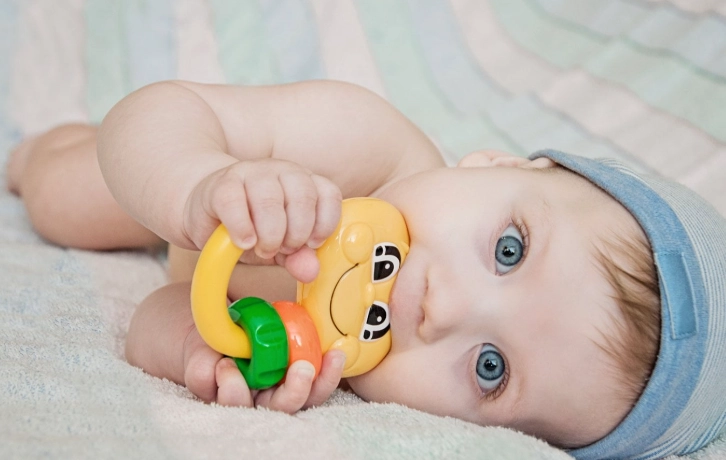
Leave a Reply